
Shrubs
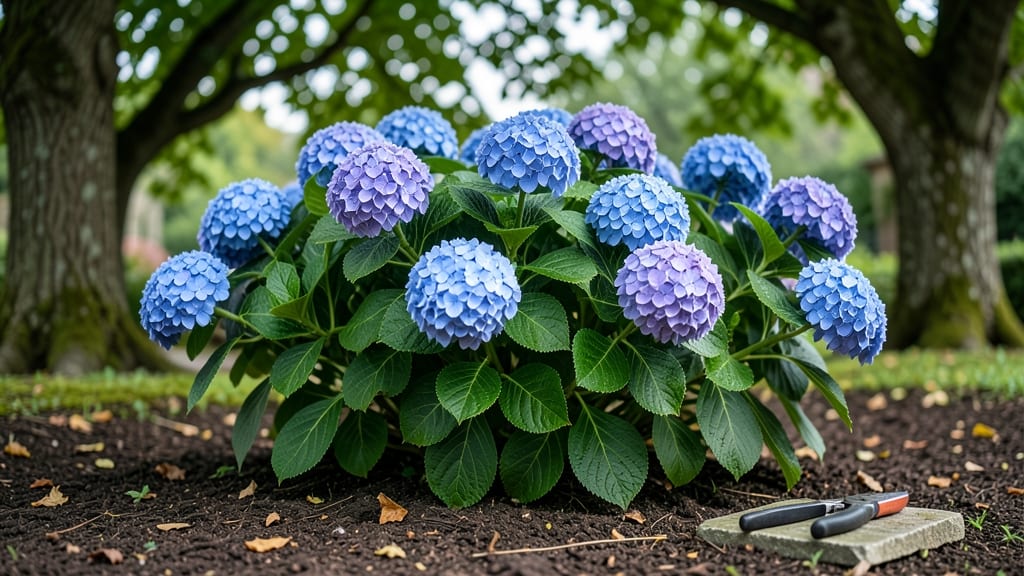
Shade-loving shrubs are perfect for north-facing gardens, delivering year-round beauty with varieties like hydrangeas, azaleas, and hostas that flourish with minimal sunlight while offering lush foliage, striking flowers, or bold textures. Selecting the right types depends on your garden's light levels and soil composition.
North-facing gardens don't have to be dull—shade-tolerant shrubs transform them into vibrant spaces. 🌿 These plants adapt by developing broader leaves to capture scattered sunlight, often producing rich colors as a response to lower light conditions.
The key is matching your garden's specific shade type: deep shade (less than 3 hours of sun) suits ferns and Japanese maples, while partial shade (3-6 hours) works for hydrangeas and rhododendrons.
I've found that soil moisture plays a bigger role than most gardeners realize—many shade plants prefer consistently damp (but not soggy) conditions.
For practical selection, consider your goals: evergreen shrubs like boxwoods provide year-round coverage, while flowering varieties such as pieris or camellias add seasonal color. 🌸 In my experience, the most low-maintenance options are those native to your region, as they've already adapted to local shade patterns and soil types.
Always check the plant's mature size too—some shade shrubs spread wider than expected, which can be problematic in small gardens.
💡 In This Article
- How Light Conditions Affect Shade-Tolerant Shrub Growth
- Best Shade-Loving Shrubs by Garden Function and Climate
How light conditions affect shade-tolerant shrub growth
Shade-tolerant shrubs have evolved fascinating adaptations to thrive where sunlight is scarce. Their leaves often develop broader surfaces to maximize light absorption, sometimes growing thicker or darker green to capture more photons.
For example, rhododendrons produce leaves with higher chlorophyll concentrations in low light, which is why they often appear deeper green in shaded areas compared to their sun-exposed counterparts. This adaptation allows them to maintain photosynthesis even with just 2-4 hours of indirect light daily.
The science gets even more interesting when comparing dappled shade (filtered sunlight through trees) to deep shade (less than 3 hours of sun). Shrubs like ferns and Japanese maples actually prefer deep shade because their delicate foliage would scorch in direct sunlight.
Meanwhile, hydrangeas and azaleas thrive in partial shade (3-6 hours of sun) where they get enough light for flowering but avoid leaf burn.
The key difference lies in their root systems—shade plants often develop shallower, more widespread roots to access moisture and nutrients near the surface where light penetration is weakest.
What most gardeners overlook is how light quality changes with shade. Sunlight contains blue and red wavelengths that drive photosynthesis, but shade filters out these colors, leaving more green light. Some shrubs, like pieris japonica, actually produce pink flowers in response to this green-dominant light—a phenomenon called "shade-induced flowering."
This is why your shade garden might burst with unexpected colors that differ from full-sun varieties of the same plant.
Soil moisture becomes critically important in these conditions. Shade plants typically have higher water requirements because their broader leaves transpire more moisture. The classic example is hostas, which often develop brown edges when their soil dries out—even in shaded areas.
This is why mulching becomes essential: a 3-inch layer of organic mulch helps retain moisture while keeping roots cool. The trade-off is that overly wet conditions can lead to root rot, so well-draining soil is just as crucial as adequate watering.
Consider these light categories when selecting shrubs:
- Full shade (<3 hours sun): Ferns, Japanese maples, and hellebores thrive here with minimal leaf stress
- Partial shade (3-6 hours sun): Hydrangeas, azaleas, and pieris produce best flowers with this balance
- Transition zones (morning sun/afternoon shade): Boxwoods and inkberry holly handle this well with proper acclimation
One surprising fact is that some shade shrubs actually grow faster in partial shade than full sun—like elephant ears (Colocasia), which can reach 5 feet tall in a single season with just morning sunlight.
This growth spurt occurs because the plants allocate energy to leaf expansion rather than protective mechanisms needed in full sun. 💫