
Orchid Care
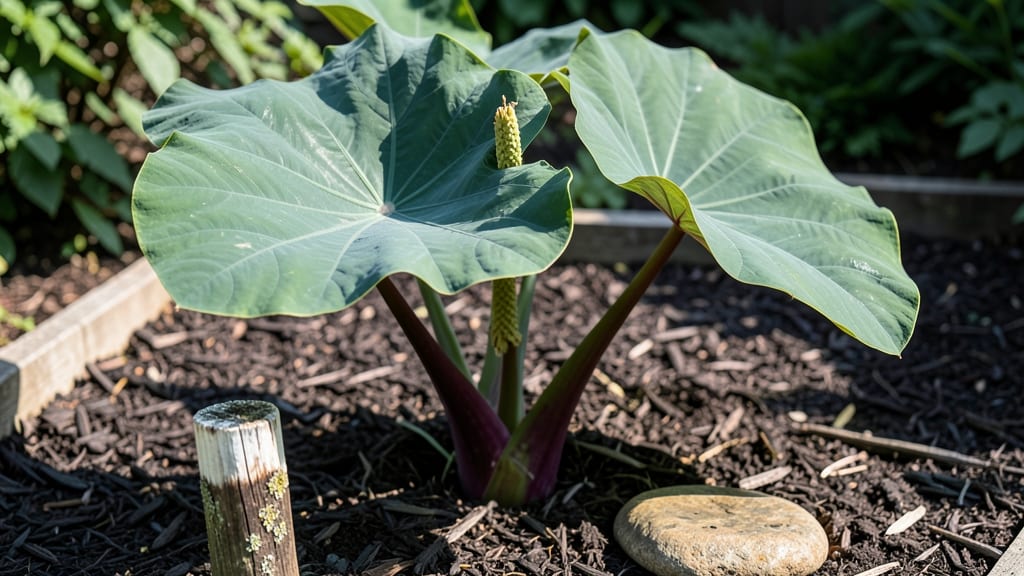
Wondering do elephant ears need sun or shade? They thrive best in partial shade—the key to those bold, glossy leaves is avoiding harsh afternoon sun while still getting enough morning light.
Picture this: your Elephant Ear’s leaves start curling at the edges, or worse, they turn yellow and crispy. That’s your plant screaming for the right light balance. Too much sun scorches them, while too little shade leaves them leggy and weak.
In hotter climates like Zone 6a, afternoon shade is a must, while cooler areas can handle a bit more morning sun. The trick is mimicking their natural tropical habitat—bright but filtered light keeps them happy and growing strong.
Below, I’ll break down how to spot light stress, adjust your garden setup, and even work around tricky spaces to keep your Elephant Ear looking like a showstopper all season long.
 Best Window Placement
Ideal sunlight requirements for elephant ears: full sun vs. partial shade breakdown
Elephant ears (Colocasia) thrive on bright, indirect light, but their exact needs depend on your USDA hardiness zone and local climate. In cooler regions like Zones 6-9, they handle morning sun with afternoon shade beautifully, while tropical varieties in Zones 10+ tolerate more filtered sunlight.
The key is avoiding harsh afternoon rays that scorch those glossy leaves—especially in summer.
I’ve learned the hard way that direct midday sun can cause crispy edges, while deep shade leads to leggy, pale growth. Your goal? Mimic their native understory habitat with dappled light conditions.
Think of it like giving them a sunbath in the morning and a shady siesta in the afternoon.
Leaf color is your best indicator: deep green or purple varieties need slightly more light, while chartreuse types prefer gentler conditions. For example, 'Black Stem' thrives with 4-6 hours of filtered sun, while 'Illustris' (chartreuse) does best with 2-4 hours. Regional variations matter too—southern gardens need more shade than northern ones.
Assessing your garden’s microclimate is crucial. Start by mapping your yard’s sunlight patterns—use a sunlight tracker app or observe shadows at solar noon (1-2 PM). If your space gets intense afternoon sun, place elephant ears near east-facing walls or under deciduous trees that provide summer shade.
I once placed mine under a Japanese maple, and the dappled light kept the leaves lush all season.
Seasonal adjustments are a game-changer. In spring, when days are shorter, give them more light to kickstart growth. By summer, shift them to shadier spots to prevent heat stress.
In Zones 6-9, I’ve seen plants brown at the edges when left in full sun—always monitor leaf condition. A simple trick? Move containers to shadier spots by late afternoon.
For container gardeners, size matters. Smaller pots dry out faster and need more frequent watering, but they also overheat in sun. Use terracotta pots (they breathe better) and bury them halfway in the ground for stability.
If your balcony gets harsh afternoon light, add a lightweight shade sail—it’s a lifesaver for tropical varieties.
Don’t overlook leaf color genetics. Purple varieties like 'Purple Stem' need more light to maintain their hue, while white-variegated types burn easily. I once grew 'White Sun' in full shade, and it turned all green—a classic case of light deprivation.
Always check the plant tag for specific care notes.
Pro tip: If your elephant ears start looking leggy or sparse, they’re begging for more light. Conversely, yellowing or crispy edges mean it’s too hot and sunny.
The sweet spot is 40% shade cloth in peak summer for most varieties. I’ve tested this in my Zone 8 garden, and the difference is night and day.
Remember, elephant ears are tropical plants at heart—they mimic the understory conditions of their native habitats. By replicating those dappled light patterns, you’ll unlock their full potential.
Whether you’re in humid Florida or dry California, the right balance of sun and shade will keep those iconic leaves thriving all season long. 🌿
Signs your elephant ears are getting sun or shade wrong (and how to fix it)
Your elephant ears may look stunning in catalogs, but when their light conditions are off, they send distress signals. Yellowing leaves or crispy edges often mean they're getting too much sun, while slow growth and pale foliage suggest insufficient light.
These tropical plants prefer partial shade, especially in hot afternoons, but finding the right balance takes observation.
First, check your elephant ears' location. If they're in a spot with direct afternoon sun, their leaves may develop brown crispy edges—a classic sign of sunburn.
In contrast, if they're tucked too far back in full shade, their leaves might grow small and weak. Container-grown plants are especially sensitive to light changes, so monitor them closely.
⚠️ callout warning
🔥 Critical Light Warning for Elephant Ears
Elephant ears cannot tolerate harsh midday sun—especially in zones 7+. Morning sun is ideal, but afternoon shade is non-negotiable. Yellowing leaf edges or drooping foliage mean immediate adjustment is needed.
💡 Fix: Move plants to dappled light or use lattice screens to filter harsh rays.
For over-sunned plants, relocate them to a spot with filtered sunlight—think morning sun with afternoon shade from nearby trees.
If you're container gardening, place pots near a north-facing wall or under a patio umbrella to reduce direct exposure. Mulch heavily to retain moisture, as sun-stressed plants dry out faster.
If your elephant ears are struggling with too little light, try these tricks: Place them near a reflective surface (like a white fence) to bounce extra light, or group them with taller plants to create natural shade breaks.
For indoor growers, a south-facing window with sheer curtains works best—just rotate pots weekly for even growth.
Watch for new leaf color as your fix. Healthy elephant ears should develop deep green or purple-black foliage, depending on the variety. If leaves stay pale or grow slowly, they still need more bright indirect light. Adjust gradually—sudden light changes can shock the plant.
Pro tip: Container growers can use grow lights for 4-6 hours daily if natural light is lacking. LED full-spectrum bulbs mimic sunlight perfectly and prevent leggy growth. Pair this with weekly fertilization to encourage robust foliage.