
Companion Plants
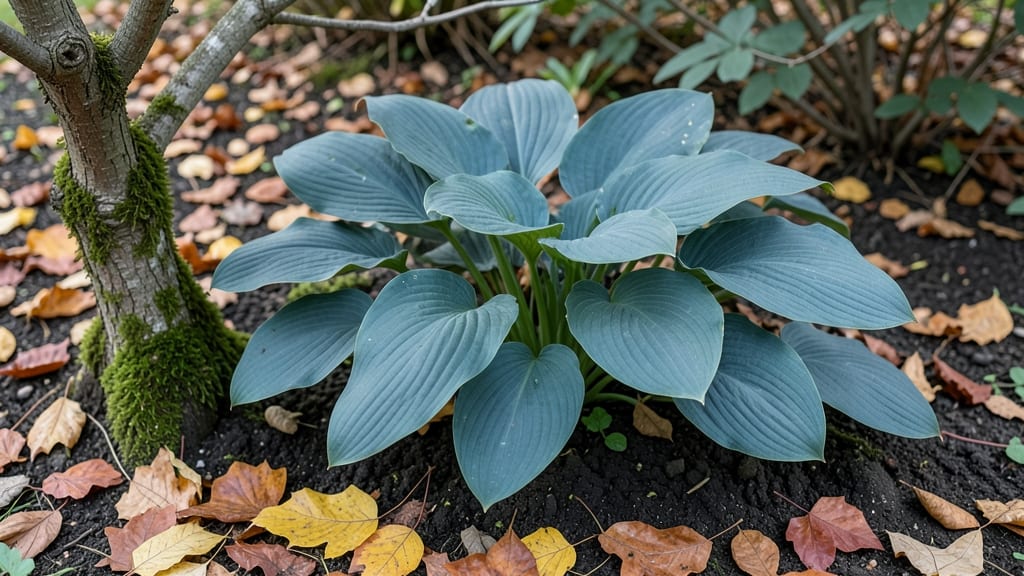
Woodland shade plants turn dark corners into lush, private retreats. 🌿 I’ve transformed my north-facing yard from a weed patch into a thriving understory—no harsh sun, no fuss, just layers of green that feel like a secret forest.
The key is choosing plants that naturally thrive in low light while adding texture, color, and even fragrance. These aren’t just survivors—they’re stars. Hostas with their dramatic foliage, ferns that sway like ancient leaves, and flowering perennials like astilbes that bring delicate plumes of pink or white.
Pair them with shrubs like inkberry holly for structure, and suddenly, your shady spot becomes a serene escape. The best part? They outcompete weeds and require almost no care once established.
By late summer, you’ll have a garden that feels alive—velvety leaves brushing your ankles, the occasional hum of pollinators, and a quiet that’s impossible to find elsewhere. The layers create depth, so even small spaces feel expansive. Think of it as a living tapestry that gets more beautiful each year.
Works in any yard with partial to full shade, from city backyards to woodland edges. Here’s how to layer them for maximum impact—and keep them thriving with minimal effort.
📚 In This Guide
- What you need
- Instructions
- Tips and common mistakes
- Wrapping up and next steps
What you need
- ● Woodland shade plants: Choose 5–10 mature plants (or seedlings) per 100 sq. ft., including: Hostas (e.g., Hosta 'Blue Angel' or Hosta 'Francee') – 3–5 plants
- ● Ferns (e.g., Matteuccia struthiopteris or Dryopteris erythrosora) – 4–6 plants
- ● Hepaticas (Hepatica nobilis) – 3–5 plants
- ● Astilbes (Astilbe chinensis) – 2–3 plants
- ● Bleeding hearts (Dicentra spectabilis) – 3–5 plants
- ● High-quality soil: 2–3 cubic yards of well-draining, organic-rich soil (amend with compost if needed).
- ● Mulch: 2–3 inches of wood chips or shredded bark (avoid dyed mulch).
- ● Slow-release fertilizer: 10–20 lbs of balanced, organic fertilizer (e.g., 10-10-10).
- ● Gardening tools: Trowel or hand shovel
- ● Garden fork (for aerating soil)
- ● Pruners (sterilized)
- ● Gloves (heavy-duty for digging)
- ● Measuring tape or string line (for spacing plants evenly).
- ● Wheelbarrow (for hauling soil/mulch).
- ● Watering can or hose with a gentle spray nozzle (avoid high pressure).
- ● Ground cover: Sweet woodruff (Galium odoratum) or wild ginger (Asarum canadense) for filling gaps.
- ● Edging materials: Flexible metal or stone edging to define plant beds.
- ● Drip irrigation kit (for automated watering in deep shade).
- ● Plant support stakes (for taller plants like astilbes).
Step-by-Step instructions for planting woodland shade plants
Creating a lush, low-maintenance woodland garden starts with the right plants and proper placement.
🌱 Step 1: Choose the Right Plants for Your Shade Level
Woodland shade plants thrive in dappled light to full shade—typically less than 4 hours of direct sun daily. I focus on native species like ferns (e.g., maidenhair or ostrich), hostas, astilbes, and lungwort because they naturally adapt to moist, humus-rich soil. Check your specific shade conditions: deep shade (no direct sun) suits heucheras and Japanese painted ferns, while partial shade (morning sun) works for hydrangeas and bleeding hearts.
Here's the thing—avoid plants labeled for "full sun" unless your shade is only 2-3 hours of morning light. You'll see wilting or yellowing leaves within weeks if you mix them in. Instead, group plants by their shade tolerance: hostas and ferns for deep shade, astilbes and coral bells for partial shade. This ensures they'll flourish without competition.
🪴 Step 2: Prepare the Soil for Moisture-Retentive Conditions
Woodland plants love rich, well-draining soil that stays moist but isn’t soggy. Start by loosening the top 6-8 inches of soil with a fork or trowel, breaking up any compacted layers. I mix in 2-3 inches of compost (from the 3 cubic feet of compost you’ll need) to improve fertility and structure. For heavier clay soil, add 1 part perlite or coarse sand to 2 parts soil to prevent waterlogging—woodland plants hate "wet feet."
Test your soil’s moisture level: Press your finger 2 inches deep. If it feels dry, your soil drains too fast. If it’s sticky, it’s too compacted. Aim for soil that crumbles slightly when squeezed but holds shape. Mulch heavily with 2-3 inches of shredded bark or leaf mold (from the 1 bag of mulch) to retain moisture and suppress weeds. This mimics the forest floor’s natural protection.
☀️ Step 3: Plant in Clusters for Natural Woodland Drama
Woodland gardens look best when planted in odd-numbered clusters of 3-5 plants (since you’re creating 4 planting areas). Dig holes twice as wide as the root ball but only as deep as the container’s base. Gently remove plants from pots and tease the roots outward if they’re circling. Place each plant so the top of the root ball sits level with the soil line—burying the stem too deep causes rot.
Space plants according to their mature size: hostas and ferns need 12-18 inches apart, while hydrangeas and astilbes require 2-3 feet of room. Fill gaps with 1 part soil and 1 part compost, then water deeply to settle everything. Here’s where it gets fun—arrange clusters so taller plants (like astilbes) sit behind shorter ones (like hostas) to create natural layers. You’ll see how this mimics a forest’s understory within a season.
💧 Step 4: Water Deeply and Maintain Moisture Without Overdoing It
After planting, water deeply for 10-15 minutes until the soil 6 inches down is thoroughly moist. Woodland plants rely on consistent moisture, but they’ll die if their roots sit in water. I water every 2-3 days in summer, checking by pushing a finger 2 inches deep—if it’s dry, it’s time. Reduce to once a week in fall/winter unless your area has prolonged dry spells. Overwatering is the fastest way to kill shade plants, so never let soil feel soggy.
Mulch plays a critical role here. Refresh the 2-3 inch layer annually in spring, pulling it back slightly from plant stems to prevent rot. I also add a thin layer of pine needles (from the 1 bag) in fall—it acidifies the soil slightly, which many woodland plants prefer. You’ll notice fewer weeds and more consistent moisture with this approach.
✂️ Step 5: Prune and Divide as Needed for Long-Term Health
Most woodland plants need minimal pruning, but dead or yellow leaves should be removed in early spring to encourage new growth. For hostas and ferns, I cut back brown fronds to the ground in late fall, leaving healthy foliage until it dies back naturally. Hydrangeas and astilbes benefit from light trimming after flowering to shape the plant and encourage bushier growth next year.
Divide clumps every 3-4 years in early spring or fall. Dig up the plant, separate the root ball into 3-5 smaller sections, and replant immediately. This prevents overcrowding and rejuvenates growth. I’ve found that hostas and ferns divide easiest—just gently pull apart the roots with your hands. You’ll see a noticeable boost in vigor after division, with brighter foliage and more blooms the following season.
Tips & tricks for perfect woodland shade plantings
Here's what nobody tells you about creating a thriving woodland garden without the guesswork.
Plant Selection Insight: When choosing plants for your woodland garden, pay attention to leaf color variations. Variegated hostas like 'Francee' or 'Blue Angel' add stunning contrast, while deep purple heucheras provide dramatic foliage. I always select at least one plant with striking foliage to create visual interest—this is what makes your garden stand out when flowers aren't blooming.
Soil Preparation Strategy: For Step 2, if your soil is particularly heavy clay, consider adding 1 part coconut coir to your soil mix instead of perlite. Coconut coir improves water retention while still providing drainage, which woodland plants appreciate. The 3 cubic feet of compost you're mixing in will work wonders for soil structure, but don't skimp on the 2-3 inches—this is what creates that rich, humus-like environment these plants crave.
Planting Layout Tip: In Step 3, when creating your 4 planting areas, I recommend sketching a simple layout first. Draw your garden space and mark where each plant cluster will go. This helps visualize how the layers will work—taller plants at the back, mid-height in the middle, and shorter plants in front. The odd-numbered clusters (3-5 plants) create natural movement that feels organic, not planted.
Watering Wisdom: That 10-15 minute deep watering in Step 4 is crucial—it encourages roots to grow deeper rather than staying near the surface. I use a rain gauge to measure about 1 inch of water during each session. This mimics natural rainfall patterns and prevents shallow root systems. The 2-inch deep finger test is your best friend for checking moisture levels consistently.
Pro Tips for Woodland Shade Plants
- Here's what nobody tells you about creating a thriving woodland garden without the guesswork.
- Plant Selection Insight: When choosing plants for your woodland garden, pay attention to leaf color variations.
- Soil Preparation Strategy: For Step 2, if your soil is particularly heavy clay, consider adding 1 part coconut coir to your soil mix instead of perlite.
Frequently asked questions
Got questions about woodland shade plants?
You’re not alone! Here are answers to the most common concerns—so you can confidently create a lush, low-light garden without the guesswork.
What are the easiest woodland shade plants for beginners?
Start with hostas, heucheras, or fern varieties like maidenhair or Japanese painted ferns. These thrive in deep shade, require minimal care, and handle poor soil better than fussy alternatives. Pro tip: Hostas are great for texture, while ferns add delicate movement!
How long does it take for woodland shade plants to create privacy?
Most shade-loving shrubs (like inkberry holly or eastern red cedar) take 3–5 years to fill out, while slower growers (e.g., rhododendrons) may need 5–7 years. Pair fast and slow growers for layered privacy sooner!
Do woodland shade plants need extra watering?
Not usually! These plants evolved to thrive in damp, shaded conditions. Water deeply only during the first year to establish roots, then let nature take over. Warning: Overwatering can suffocate roots—aim for 1–2 inches of water weekly (less in humid climates).
Can I grow woodland shade plants in containers?
Opt for dwarf varieties (like miniature hostas or compact ferns) in 12–18-inch pots with well-draining soil. Use a moisture-retentive mix (peat + perlite) and place containers in partial shade to mimic woodland floors.
What pests should I watch for with woodland shade plants?
Common culprits include slugs (love hostas!), aphids, and spider mites. Prevent slugs with diatomaceous earth or beer traps. For pests, spray with neem oil or introduce ladybugs. Inspect leaves regularly—early action keeps your garden thriving!
Will woodland shade plants survive winter?
Most are hardy (zones 3–8), but mulch heavily (3–4 inches) in late fall to protect roots. Tender perennials (like caladiums) may need winter dig-and-store care. Evergreens (e.g., pieris japonica) stay green year-round but benefit from winter watering in drought-prone areas.
Wrapping up and next steps
Transforming your shady woodland garden into a lush, thriving oasis is easier than you think! 🌿 With the right woodland shade plants, you can enjoy year-round privacy, vibrant greenery, and minimal upkeep.
Whether you're a seasoned gardener or just starting out, these resilient plants offer the perfect solution for deep shadows—no excuses, just beautiful results.
Ready to take the next step? Start small—pick one or two plants from our list and watch your garden flourish! Need inspiration? Sketch a simple layout or snap photos of your space to plan your dream shade sanctuary. Your peaceful retreat is just a few plants away! 🌟