
Light Requirements
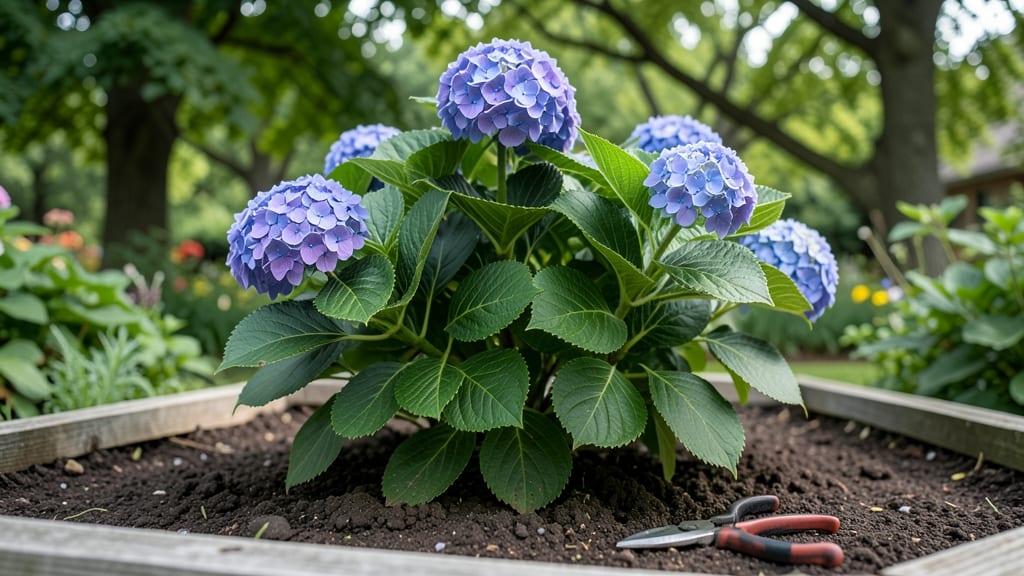
Part-shade flowering shrubs bring unexpected color to gardens where full sun fails. 🌿 I’ve transformed my shady corner into a fragrant retreat using plants that bloom beautifully under dappled light—no harsh midday sun required. The right shrubs turn dull spaces into vibrant, low-maintenance havens with minimal effort.
These shrubs thrive where others struggle, offering seasonal interest from spring through fall. Think hydrangeas with their lush clusters, azaleas with velvety blooms, or the delicate fronds of abelia that perfume the air. They’re perfect for under trees, along north-facing walls, or anywhere sunlight filters through.
You’ll love how they pair effortlessly with ferns, hostas, and shade-loving perennials. The key is choosing plants with layered blooming times—early spring for witch hazel, summer for spirea, and late-season color from camellias. A well-placed shrub can anchor a whole garden design.
Best of all, they demand little: prune once a year, water occasionally, and watch them flourish. Here’s how to pick the perfect plants for your shady spots!
📚 In This Guide
- What you need
- Instructions
- Tips and common mistakes
- Wrapping up and next steps
What you need
- ● Part-shade flowering shrubs: Choose 3–5 varieties (e.g., Hydrangea macrophylla, Pieris japonica, or Weigela florida). Select 3–5 gallon-sized plants for mature gardens or 1-gallon containers for smaller spaces.
- ● Well-draining potting mix: 2–3 cubic feet (or pre-mixed part-shade blend with compost and perlite).
- ● Organic mulch: 2–3 inches of shredded bark, pine needles, or compost (helps retain moisture and regulate soil temp).
- ● Slow-release fertilizer: 10–20 lbs (e.g., 10-10-10 or fish emulsion for organic gardens).
- ● Garden tools: Trowel or hand shovel
- ● Pruning shears (sterilized)
- ● Garden gloves
- ● Watering can or hose with adjustable nozzle
- ● Soil amendments: Composted manure or worm castings (boosts nutrients).
- ● Mulch rings: Plastic or fabric rings to keep mulch in place.
- ● pH test kit: Ensures soil pH is 5.5–6.5 (ideal for most part-shade shrubs).
- ● Drip irrigation system: Automates watering for low-maintenance care.
Step-by-step guide to planting part-shade flowering shrubs
Here’s how to create a fragrant, low-maintenance garden that thrives in dappled light—no guesswork, just beautiful blooms.
🌱 Step 1: Choose the Right Shrubs for Your Space
Start with shrubs that naturally love part shade—think hydrangeas, azaleas, or pieris—these handle 3-6 hours of morning sun and afternoon shade beautifully. I always check the plant tag for light requirements first, because even shade-loving plants can get stressed if they’re too dark. For fragrance, mock orange or gardenia are top picks—their blooms smell like heaven.
If your yard has east-facing shade, go for azaleas or rhododendrons—they bloom early and tolerate cooler mornings. For west-facing spots with afternoon shade, hydrangeas or abelia shine. Plant in groups of 3-5 for a lush, natural look—single plants can look lonely and sparse.
🪴 Step 2: Prepare the Planting Hole and Soil
Dig a hole twice as wide as the root ball but no deeper—this prevents root suffocation. Loosen the soil at the bottom with your hands or a trowel, breaking up any compacted layers. If your soil drains poorly, mix in 2-3 inches of compost or sand to improve aeration—part-shade plants hate soggy roots.
Gently remove the shrub from its container and tease the roots apart if they’re circling. Place it in the hole so the top of the root ball sits level with the ground—burying the stem too deep causes rot. Backfill with native soil, pressing lightly to eliminate air pockets. Water deeply right away to settle everything.
☀️ Step 3: Position for Ideal Light and Airflow
Plant in a spot where morning sun warms the leaves but afternoon shade protects them from harsh light. If your yard has filtering tree shade, that’s perfect—just avoid deep, dark corners where plants struggle to bloom. Space shrubs 3-5 feet apart, depending on their mature size, for airflow and future growth.
I always step back after planting to check the visual flow. If a shrub looks cramped next to others, move it 6 inches farther out—crowding leads to weak stems and fewer flowers. Mulch with 2-3 inches of organic mulch (like shredded bark) to keep roots cool and retain moisture.
💧 Step 4: Water and Fertilize for Strong Growth
Water deeply once a week for the first month, letting the soil soak 6 inches down. Part-shade plants need consistent moisture but hate soggy soil—water when the top 2 inches feel dry. I use a soaker hose to avoid wetting leaves, which prevents fungal diseases like powdery mildew.
Fertilize lightly in early spring with a balanced, slow-release fertilizer (like 10-10-10). Over-fertilizing makes part-shade plants produce too many leaves and few flowers. If your soil is acidic (common in shady spots), add sulfur or peat moss to keep azaleas and hydrangeas happy—they love pH 4.5-6.0.
✂️ Step 5: Prune and Maintain for Long-Lasting Blooms
Prune right after flowering (for spring bloomers like azaleas) or early spring (for summer bloomers like hydrangeas). Cut back dead or crossing branches first, then shape lightly—never remove more than 1/3 of the plant at once. I always sterilize my pruners with rubbing alcohol to prevent disease spread.
Watch for yellowing leaves—this usually means too much shade or overwatering. If blooms are sparse, move the plant to a sunnier spot (but still part shade). With the right care, these shrubs will reward you with fragrant blooms for years—and zero fuss.
Tips & tricks for perfect part-shade flowering shrubs
Transform your shady spots into fragrant havens with these pro tips that’ll keep your shrubs thriving—and blooming like crazy.
Shrub Selection Wisdom: When choosing between hydrangeas, azaleas, or pieris, consider their bloom times. Hydrangeas often bloom on old wood, so prune after flowering, while azaleas bloom on new growth and can handle a light spring trim. For maximum fragrance, plant mock orange near seating areas—its intoxicating scent peaks in late spring.
Soil Prep Secret: The 2-3 inches of compost or sand you mix into the planting hole isn't just about drainage—it's about creating a sponge-like texture that holds moisture without suffocating roots. I like to add a handful of worm castings too (optional but amazing!) for that extra nutrient boost. The goal is soil that feels like a well-wrung sponge—not concrete.
Light Positioning Hack: That 3-6 hours of morning sun is non-negotiable, but here's the trick: if your yard has intense afternoon sun, use existing trees as natural shade filters. Plant your shrubs 3-5 feet away from tree trunks where light dapples through—this creates perfect part-shade conditions without harsh exposure. Step back after planting to visualize how light will move across the space throughout the day.
Watering Strategy: The "deeply once a week" rule works wonders, but timing matters just as much. Water in the morning so leaves have all day to dry—this prevents fungal diseases like powdery mildew that thrive in damp conditions. I set a reminder on my phone for that first month to ensure consistency, especially if you're traveling or forgetful like me!
Pro Tips for Part Shade Flowering Shrubs
- Transform your shady spots into fragrant havens with these pro tips that’ll keep your shrubs thriving—and blooming like crazy.
- Shrub Selection Wisdom: When choosing between hydrangeas, azaleas, or pieris, consider their bloom times.
- Soil Prep Secret: The 2-3 inches of compost or sand you mix into the planting hole isn't just about drainage—it's about creating a sponge-like texture that holds moisture without suffocating roots.
Frequently asked questions
Got questions about part-shade flowering shrubs? You’re not alone!
Here are answers to the most common queries to help you pick, plant, and enjoy these fragrant beauties with confidence.
What’s the difference between part shade and full shade?
Part shade means dappled light—typically 3–6 hours of sunlight daily, with filtered shade the rest of the time (e.g., under tall trees). Full shade gets little to no direct light (ideal for ferns or hostas). Part-shade shrubs like hydrangeas or azaleas wilt in full sun but struggle in deep shade.
Can I grow part-shade shrubs in containers?
Many thrive in pots, like camellias or weigelas, but choose containers with drainage holes and use well-draining soil. Just monitor moisture—containers dry out faster than garden beds. Pro tip: Move pots to brighter spots in winter if blooms fade!
When is the best time to prune flowering shrubs?
Timing matters! Prune after flowering (late spring/summer) for shrubs like spirea or butterfly bush to encourage next year’s blooms. Spring-bloomers (e.g., azaleas) should be pruned right after flowering. Avoid heavy pruning in fall—it stresses plants before winter.
Why aren’t my part-shade shrubs blooming?
Bloomless shrubs often need one of three fixes:
- Light check: Are they getting at least 3 hours of sun? Too little = no flowers.
- Food fix: Feed with acidic fertilizer (for azaleas/hydrangeas) or balanced 10-10-10 in early spring.
- Pruning blunder: Over-pruning removes next year’s flower buds. Trim lightly!
What’s a low-maintenance part-shade shrub for beginners?
Start with dwarf fothergilla (Fothergilla gardenii) or inkberry holly (Ilex glabra). Both handle neglect gracefully, tolerate poor soil, and bloom reliably. Pieris japonica (andromeda) is another winner—its white spring flowers are stunning with minimal fuss!
Wrapping up and next steps
Transforming your garden into a fragrant paradise is easier than you think!
Part-shade flowering shrubs like hydrangeas, azaleas, and fuchsias bring beauty and charm to areas with dappled light—no full sun required. 🌿 With the right care, these blooms will reward you with vibrant colors and intoxicating scents year after year.
Ready to elevate your outdoor space? Start by selecting a shrub that matches your climate and soil, then give it the love it deserves with proper watering and pruning. Your garden’s next masterpiece is just a few steps away!