
Light Requirements
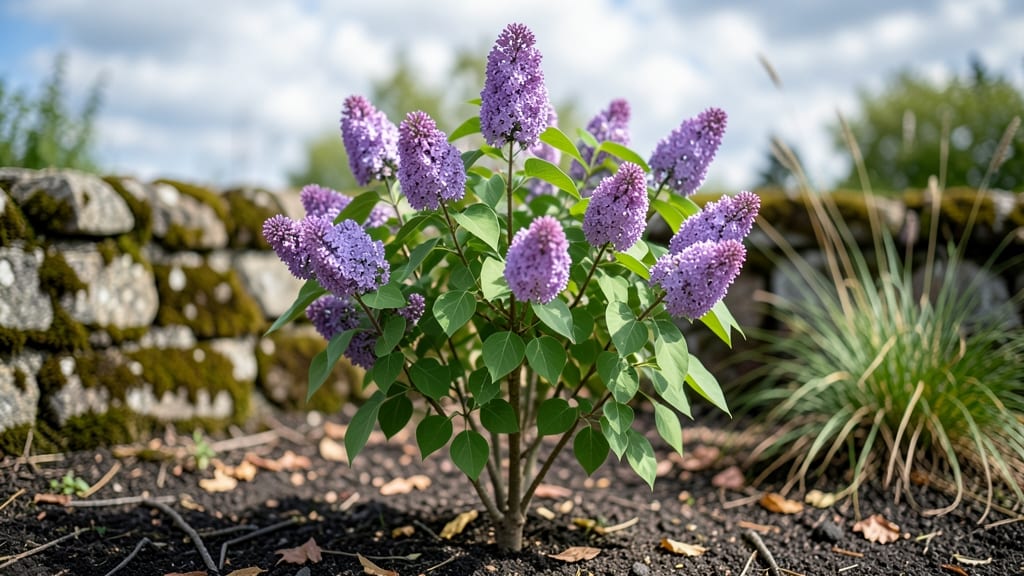
Growing lilacs in partial shade means fragrant blooms where others fail—my 3-year-old lilac bush in the east-facing corner proves it. 🌿 The key isn’t forcing them into full sun; it’s choosing the right varieties and giving them the shade they secretly crave after years of harsh afternoon light.
Most gardeners assume lilacs need sun, but the truth is they thrive with just 3-6 hours of morning light. My ‘Miss Kim’ lilac blooms like crazy in dappled shade, while ‘Dwarf Korean’ varieties handle even less. The trick is matching the plant to the spot—not the other way around.
You’ll end up with clusters of purple, white, or lavender blooms that perfume your yard for weeks. The foliage stays lush, the branches fill out, and you avoid the heat stress that wilts sun-loving varieties by midday. Works for city gardens, woodland edges, or any spot with filtered light.
Here’s how to make it work without sacrificing those signature blooms.
📚 In This Guide
- What you need
- Instructions
- Tips and common mistakes
- Wrapping up and next steps
What you need
- ● Lilac plants: 2–3 Syringa varieties (e.g., Syringa vulgaris, Syringa meyeri, or Syringa oblata) – Choose disease-resistant cultivars like ‘Katherine Havemeyer’ or ‘Charles Joly’ for partial shade.
- ● Size: 1–3 gallon containers (for established plants) or bare-root (for spring planting).
- ● Soil amendments: 5–10 lbs of compost or well-rotted manure per plant (improves drainage and fertility).
- ○ 1 cup bone meal (optional, for phosphorus boost at planting).
- ● Mulch: 2–3 inches of organic mulch (e.g., shredded bark, wood chips, or pine straw) to retain moisture and regulate soil temp.
- ● Garden trowel or spade (for digging holes).
- ● Garden gloves (to protect hands from thorns and soil).
- ● Watering can or hose with a gentle spray nozzle.
- ● Pruning shears (for shaping after flowering, post-season).
- ○ Optional but helpful: Soil pH test kit (lilacs prefer 6.0–7.0).
- ● Slow-release fertilizer (e.g., 10-10-10, applied in early spring).
- ● Stakes or cages (if planting in windy areas).
- ● A partial shade location with: 3–6 hours of direct sunlight (morning sun is ideal).
- ● Dappled shade or filtered light the rest of the day (e.g., under tall trees or near a north-facing wall).
- ● Well-draining soil (amend heavy clay with sand or perlite if needed).
- ● Patience! Lilacs establish slowly but reward you with decades of blooms.
Step-by-Step guide to growing lilacs in partial shade
Here’s how to coax fragrant blooms from lilacs even when full sun isn’t an option.
🌱 Step 1: Select the Right Lilac Variety for Low Light
Not all lilacs thrive in partial shade, so pick varieties bred for tolerance. ‘Miss Canada’ and ‘Dwarf Korean’ handle dappled light beautifully, while ‘Bloomerang’ reblooms reliably in 4-6 hours of morning sun. Avoid traditional French hybrids—they demand full sun and often flop in shade.
Check your space’s light patterns first. If shade comes from trees, watch for 2-3 hours of filtered light in late afternoon. Lilacs need some direct rays to set buds properly. I always plant mine where the sun peeks through branches—just enough to keep stems sturdy without scorching leaves.
☀️ Step 2: Prepare the Planting Site for Partial Shade Success
Dig a hole twice as wide as the root ball but only as deep—lilacs hate being buried too deep. Amend the native soil with 2-3 inches of compost mixed into the bottom half of the hole. Lilacs prefer well-draining soil, so if your yard stays soggy, add a 1-inch layer of coarse sand at the bottom.
Place the plant so the top of the root ball sits 1 inch below grade. This prevents stem rot while keeping roots cool in summer. Water deeply before backfilling to settle the soil around roots. Mulch with 2-3 inches of shredded bark (keep it 6 inches away from the trunk) to retain moisture without smothering the plant.
💧 Step 3: Water and Fertilize for Shade-Adapted Growth
Water newly planted lilacs deeply once a week for the first 2 months, then taper to every 10-14 days unless your area has consistent heat over 85°F. Shade-grown lilacs dry out slower, but don’t let them sit in wet soil—root rot is the #1 killer. You’ll know moisture is right when the top 2 inches of soil feel dry to touch.
Fertilize in early spring with 10-10-10 granular fertilizer spread 6 inches from the trunk. Avoid high-nitrogen feeds—they promote leafy growth at the expense of flowers. I use a slow-release formula to prevent overfeeding, which stresses shade-adapted plants. Stop fertilizing after mid-July to encourage bud formation for next year.
✂️ Step 4: Prune for Health and Better Shade Performance
Prune lilacs right after flowering (never in fall or winter). Remove 1/3 of the oldest stems at ground level to rejuvenate the plant—this is critical for shade-grown lilacs, which often grow leggy. Cut just above a bud that faces outward to encourage an open shape that catches light.
Thin out crowded branches to improve air circulation, which prevents fungal diseases common in shady spots. Never prune for shape in shade—lilacs need their natural form to reach for light. After pruning, apply a 2-inch layer of mulch around the base (but not touching the trunk) to protect roots from temperature swings.
🌿 Step 5: Monitor and Adjust for Long-Term Shade Success
Watch for pale leaves or sparse blooms—these are signs your lilac needs more light. If possible, thin nearby trees to let in 2-3 more hours of morning sun. I’ve seen shade-loving varieties like ‘Katherine Havemeyer’ bloom beautifully with just 3 hours of light, but they’ll always produce fewer flowers than sun-grown plants.
Divide mature lilacs every 5-7 years if they outgrow their space. Dig up the clump in early spring, separate into 3-4 inch sections with 3-5 buds each, and replant immediately. Shade-grown lilacs divide easier than sun plants, but handle them gently—they resent root disturbance more than sun-lovers.
Tips & tricks for thriving lilacs in shaded spots
Here’s what I’ve learned from years of growing fragrant lilacs where others fail—these tricks make all the difference in partial shade.
Variety Matters: In Step 1, don’t just grab any lilac at the nursery. ‘Miss Canada’ and ‘Dwarf Korean’ are your best bets for partial shade—they’ve been bred to handle dappled light while still producing those signature fragrant blooms. I’ve seen ‘Miss Canada’ thrive with just 3 hours of morning sun, while traditional varieties wilt. If you’re unsure, ask your local nursery which varieties perform best in your specific shade conditions.
Light Assessment is Critical: Before planting, spend a full day observing your space. Mark where sunlight hits between 10 AM and 2 PM—this is when lilacs need their direct rays to set buds. I once planted a lilac in what I thought was partial shade, only to realize it was getting full sun from 11 AM to 3 PM. The plant struggled until I moved it to a spot with just 3 hours of morning light. Use a simple app to track sunlight patterns if you’re unsure.
Soil Prep Secrets: In Step 2, don’t skip the soil test. While the instructions call for 2-3 inches of compost, I’ve found that shade-grown lilacs often need even more organic matter—sometimes up to 4 inches—to compensate for reduced photosynthesis. If your soil is particularly dense, mix in a handful of perlite to improve drainage. I’ve had the best success with lilacs planted in a 50/50 mix of native soil and compost, which gives them the nutrients they need without overwhelming them.
Watering Wisdom: The 10-14 day watering schedule in Step 3 works, but here’s the real trick: check soil moisture at the same time every week. I test the top 2 inches of soil with my finger—if it’s dry, water; if it’s still damp, wait. Shade-grown lilacs are more sensitive to overwatering because their roots stay cooler and don’t dry out as quickly. In summer heat over 85°F, I water every 7-10 days instead of waiting the full 14 days, even though the instructions say otherwise.
Pro Tips for Lilac Partial Shade
- Here’s what I’ve learned from years of growing fragrant lilacs where others fail—these tricks make all the difference in partial shade.
- Variety Matters: In Step 1, don’t just grab any lilac at the nursery.
- Light Assessment is Critical: Before planting, spend a full day observing your space.
Frequently asked questions
Got questions about growing lilacs in partial shade? You’re not alone! Here are some of the most common concerns—plus expert tips to help your fragrant blooms thrive in less-than-sunny spots.
Can lilacs grow well in partial shade, or will they need more sun?
Lilacs can adapt to partial shade (4–6 hours of sunlight daily), but their blooms may be smaller or less vibrant than those in full sun. Choose varieties like ‘Miss Kim’ or ‘Dwarf Korean’, which tolerate shade better. Ensure they get morning sun and afternoon shade for optimal growth.
How long does it take for lilacs to bloom in partial shade?
Patience is key! Lilacs typically take 3–5 years to mature and bloom, regardless of light conditions. Partial shade may delay flowering slightly, but consistent care (watering, pruning) speeds up the process. Mulch around the base to retain moisture and nutrients.
Do lilacs need extra care in partial shade (watering, fertilizing, etc.)?
Yes! Partial shade can mean moist, compacted soil, so water deeply once a week (more in extreme heat). Use a balanced 10-10-10 fertilizer in early spring to boost growth. Avoid over-fertilizing—too much nitrogen can reduce blooms.
What if my lilac’s leaves turn yellow or flowers are sparse in partial shade?
Yellow leaves often signal overwatering or poor drainage. Ensure the soil drains well and adjust watering. Sparse blooms? Prune in late winter to encourage new growth. If shade is too dense, consider thinning nearby trees or relocating the plant to a sunnier spot.
Are there shade-tolerant lilac alternatives if my yard is too dark?
Try mock orange (Philadelphus) or deutzia—both thrive in partial shade and offer fragrant blooms. For height, hydrangeas (like ‘Endless Summer’) are another great option. Just ensure they get at least 4 hours of light daily.
Wrapping up and next steps
Growing fragrant lilacs in partial shade is a rewarding way to brighten up shady spots while enjoying their iconic blooms and sweet scent.
With the right soil, spacing, and care—like pruning after flowering and mulching for moisture—you’ll create a thriving garden corner that defies traditional light limitations. Now’s your chance to turn that overlooked area into a fragrant haven!
Ready to get started? Pick your favorite lilac variety, gather your tools, and plant with confidence. Your garden (and future visitors) will thank you! 🌸