
Shrubs
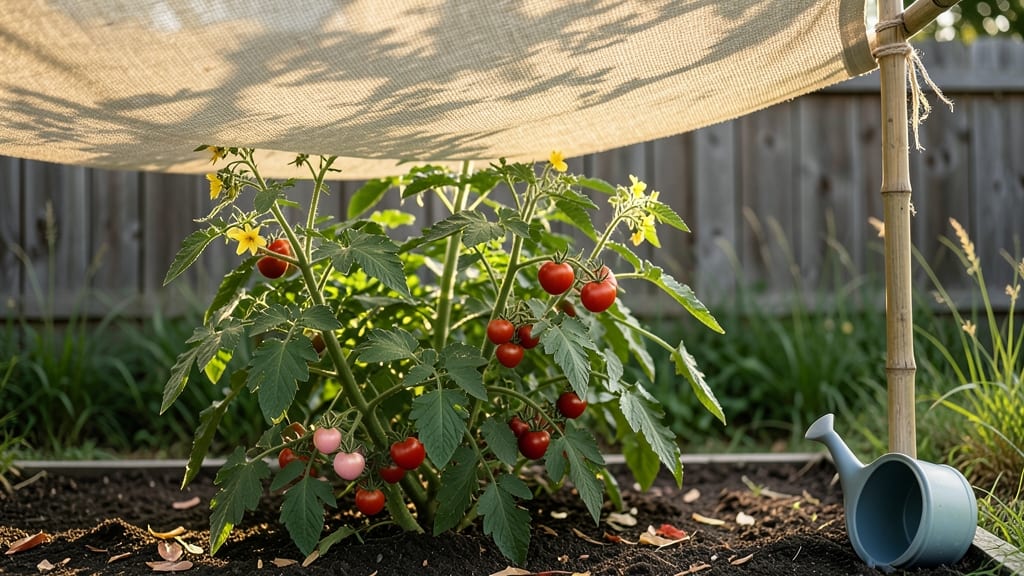
Growing tomatoes in shade isn't just possible—it's how you unlock sweeter, more concentrated flavors when full sun isn't an option. 🌿 I learned this the hard way after my patio tomatoes turned mealy and bland under a neighbor's oak tree, but with the right varieties and care, shade-grown tomatoes can rival their sun-soaked cousins.
The secret lies in balancing light exposure, choosing the right plants, and adjusting your growing approach to compensate for lower sunlight.
Start with determinate varieties like 'Stupice' or 'Black Plum'—they handle shade better than indeterminate types and produce fruit faster.
Position your containers or beds where they catch at least 4-6 hours of morning sun, then supplement with reflective surfaces like white walls or mulch to bounce extra light onto the plants.
Prune aggressively to focus energy on fruit development rather than leafy growth, and use drip irrigation to keep roots consistently moist without overwatering.
What you'll end up with is tomatoes that develop richer sugars and deeper colors—a reward for the extra attention. The key is patience: shade-grown tomatoes ripen slower, so monitor them closely and harvest as soon as they reach peak color.
With the right setup, you can grow productive tomato plants even under trees, on north-facing patios, or in urban balconies where direct sun is scarce.
This method works best in cooler climates where afternoon heat isn't intense, but even in hotter zones, shade can prevent sunscald and improve fruit quality. The trade-off is smaller yields, so plan accordingly—but the flavor difference is worth it. Let's get those plants thriving in the shade!
📚 In This Guide
- What you need
- Instructions
- Tips and common mistakes
- Wrapping up and next steps
What you need
- ● Shade cloth: 30-50% shade fabric (50% is ideal for hot climates). Buy a 10x10-foot roll or adjust based on your garden size.
- ● Stakes or trellis: 6-8 ft tall wooden or metal stakes (4-6 per tomato plant) or a sturdy tomato cage (5-6 ft tall).
- ● Twine or plant ties: 10-15 ft of soft, biodegradable twine per plant.
- ● Tomato seedlings: Choose shade-tolerant varieties like 'Sungold,' 'Cherry Roma,' or 'Black Krim' (3-5 plants, depending on space).
- ● Potting mix or garden soil: Well-draining, nutrient-rich soil (1-2 bags for containers or amend garden beds with compost).
- ● Hand trowel or garden shovel
- ● Pruning shears (for trimming foliage if needed)
- ● Measuring tape (to ensure proper spacing)
- ● Scissors (for cutting shade cloth to size)
- ● Drip irrigation system or soaker hose (to keep soil consistently moist).
- ● Mulch (straw or wood chips) to retain moisture and regulate temperature.
- ● Reflective mulch (like aluminum foil) to bounce extra light onto plants.
- ● Grow lights (for indoor setups or supplementing weak sunlight).
How to grow flavorful tomatoes with strategic shade management
Mastering shade for tomatoes transforms bland fruit into sweet, complex flavors—here’s how to balance sun and shade like a pro.
☀️ Step 1: Assess Your Sunlight Conditions
Start by observing your garden’s sunlight patterns for at least 3-5 days. Tomatoes need 6-8 hours of direct sun daily for optimal growth, but too much midday heat—especially in hot climates—can stress plants and reduce flavor. Use a sunlight tracker app or mark your garden with stakes to track sun exposure at different times of day.
Look for partial shade spots (30-50% shade) where plants receive morning sun and afternoon relief. Avoid deep shade areas where tomatoes won’t ripen. If your garden lacks natural shade, plan for artificial shade solutions like shade cloth or temporary covers for peak sun hours.
🌿 Step 2: Choose Shade-Tolerant Varieties and Timing
Not all tomatoes handle shade equally. Opt for heat-tolerant, indeterminate varieties like ‘Solar Fire,’ ‘Heatmaster,’ or ‘Black Krim,’ which perform better in fluctuating light conditions. Avoid large-fruited heirlooms—they demand more energy and struggle in low light.
If you’re starting seeds indoors, germinate them in bright light (a south-facing window or grow light) for 10-14 days before transplanting. Once seedlings have 2-3 true leaves, gradually introduce them to their permanent shade conditions over 5-7 days to avoid shock. This hardening process ensures they adapt without stunted growth.
✂️ Step 3: Implement Shade Solutions for Peak Hours
For hot climates, provide 30-50% shade cloth during 11 AM to 3 PM when UV intensity peaks. Secure the cloth 3-4 feet above plants to allow airflow and prevent fungal issues. If using temporary shade, like a white umbrella or lattice with shade fabric, adjust it as the sun shifts throughout the season.
In cooler climates, focus on morning shade to protect blossoms from frost or late-season chills. Use reflective mulch (like white plastic) around plants to bounce extra light onto leaves during shorter winter days. Avoid blocking all sunlight—even partial shade helps tomatoes develop higher sugar content and richer flavors.
💧 Step 4: Adjust Watering and Fertilizing for Shade-Grown Tomatoes
Shade slows photosynthesis, so tomatoes need consistent moisture to compensate. Water deeply 2-3 times per week (instead of daily shallow watering) to encourage strong root growth. Check soil moisture by inserting your finger 1-2 inches deep—water when it feels dry but not bone-dry.
Use a balanced fertilizer (like 10-10-10) every 3-4 weeks to support fruit development. In shade, tomatoes produce fewer leaves, so they rely on stored nutrients. Avoid high-nitrogen fertilizers—they promote foliage at the expense of fruit. Instead, side-dress with compost mid-season for a slow-release boost.
🌱 Step 5: Prune and Train for Optimal Light Exposure
Prune suckers (the shoots that grow between the main stem and branches) to redirect energy toward fruit production. In shade, focus on removing only aggressive suckers—leave some for structural support. Pinch off the top of the main stem once plants reach your trellis or cage to encourage bushier growth with more light exposure.
Train vines along a trellis or stakes to elevate them into sunnier areas. Even in partial shade, vertical growth helps leaves capture more light. If using cages, space them 18-24 inches apart to prevent overcrowding, which worsens shade-related issues like blossom end rot.
⏰ Step 6: Monitor and Adjust Throughout the Season
Check plants weekly for signs of stress: yellowing leaves (too much shade), curled leaves (too much heat), or blossoms dropping (temperature swings). Adjust shade cloth as needed—reduce coverage in early season when days are shorter, and increase it in peak summer when sun is harshest.
Harvest tomatoes when they’re fully colored but still slightly firm—shade-grown fruit often ripens slower. Store unripe tomatoes in a paper bag with a banana (ethylene gas speeds ripening) and check daily. With the right balance, your shade-grown tomatoes will be sweeter, meatier, and packed with flavor—worth the extra effort!
Tips & tricks for perfect shade-grown tomatoes
Here's what nobody tells you about growing tomatoes in partial shade—these tricks make all the difference for flavor and yield.
Varietal Selection Matters: The shade-tolerant varieties mentioned ('Solar Fire,' 'Heatmaster,' 'Black Krim') aren't just suggestions—they're game-changers. These indeterminate types thrive in fluctuating light conditions by growing continuously rather than setting all fruit at once. For containers or small spaces, 'Tiny Tim' or 'Patio Princess' handle shade better than their larger cousins while still delivering sweet fruit. The key is choosing varieties bred for resilience rather than just size.
Light Tracking is Non-Negotiable: That 3-5 day sunlight observation period in Step 1 isn't just busywork—it's critical. I learned this the hard way after planting tomatoes in what I thought was morning sun, only to discover they were actually in deep shade by 10 AM. Use a free sunlight tracker app or simply place a white board in your garden spots for a week. Mark the sun's path with stakes at different times of day—this visual map will show you exactly where to place your plants for that perfect 6-8 hours of morning light with afternoon relief.
Shade Cloth Precision: When implementing your 30-50% shade cloth during peak hours (11 AM-3 PM), elevation matters more than you'd think. That 3-4 feet clearance isn't just about airflow—it creates a microclimate where leaves get diffused light rather than harsh direct rays. I've seen gardeners hang shade cloth too low, creating hot pockets that actually stress plants more than full sun would. For temporary shade, consider a roll-up system you can adjust daily as the sun's angle changes throughout the season.
Watering Wisdom: The 2-3 times per week deep watering schedule in Step 4 works, but here's the secret: water in the morning when evaporation rates are lowest. This gives roots time to absorb moisture before the heat of day. I've found that shade-grown tomatoes actually need slightly more frequent watering than sun-exposed ones because their roots work harder to compensate for reduced photosynthesis. Check soil moisture at the 1-2 inch depth mentioned, but also watch for wilting—shade-grown plants often show stress symptoms before the soil feels dry.
Pro Tips for Shade For Tomatoes
- Here's what nobody tells you about growing tomatoes in partial shade—these tricks make all the difference for flavor and yield.
- Varietal Selection Matters: The shade-tolerant varieties mentioned ('Solar Fire,' 'Heatmaster,' 'Black Krim') aren't just suggestions—they're game-changers.
- Light Tracking is Non-Negotiable: That 3-5 day sunlight observation period in Step 1 isn't just busywork—it's critical.
Frequently asked questions
Got questions about shade for tomatoes? You’re not alone! Here are answers to the most common concerns to help you grow sweeter, healthier fruit—even with partial shade.
How much shade is too much for tomatoes?
Tomatoes thrive with at least 6–8 hours of direct sunlight daily. If they get less than 4 hours, growth slows, and fruit may be small or bland. Use shade cloth (30–50%) for hot afternoons in full-sun areas, but avoid full shade—it leads to leggy plants and poor yields.
When should I start shading my tomato plants?
Introduce shade gradually once plants are established (after transplanting or when they’ve developed 3–4 true leaves). In hot climates, start in late spring to protect blossoms from heat stress. Monitor leaves—if they yellow or wilt, adjust shade immediately.
What are good alternatives to shade cloth for tomatoes?
If you lack shade cloth, try these DIY solutions:
- Row covers: Lightweight fabric to filter harsh sun.
- Trellises + mulch: Elevate plants and reflect light away with white mulch.
- Nearby plants: Tall crops like corn or sunflowers can provide natural shade.
- Reflective surfaces: Place mirrors or aluminum foil near plants to redirect sunlight.
Why are my shaded tomatoes turning yellow or cracking?
Yellowing leaves often signal nutrient deficiencies (like nitrogen) or overwatering in shade. Cracking? It’s usually from uneven watering—keep soil consistently moist but not soggy. Boost light gradually if possible, and fertilize with a balanced tomato feed (10-10-10).
Does shade affect tomato flavor?
Yes! Partial shade (especially in hot climates) can enhance sweetness by slowing sugar breakdown. However, too much shade reduces acidity and complexity. For the best flavor, aim for morning sun + afternoon shade—this balances sugar and tang.
Wrapping up and next steps
Growing shade-grown tomatoes is all about balance—giving your plants just the right amount of sunlight to thrive while protecting them from harsh conditions. With the right techniques, you’ll enjoy sweeter, more flavorful fruit and a healthier harvest.
Whether you’re adjusting shade cloth, choosing the perfect location, or pruning wisely, every step makes a difference!
Ready to put your new skills to work? Start experimenting with your tomato plants today! Try a small batch with different shade levels, and soon you’ll be crafting the perfect shade-grown tomato recipe—one that’s bursting with flavor. Happy gardening! 🌱🍅