
Orchid Care
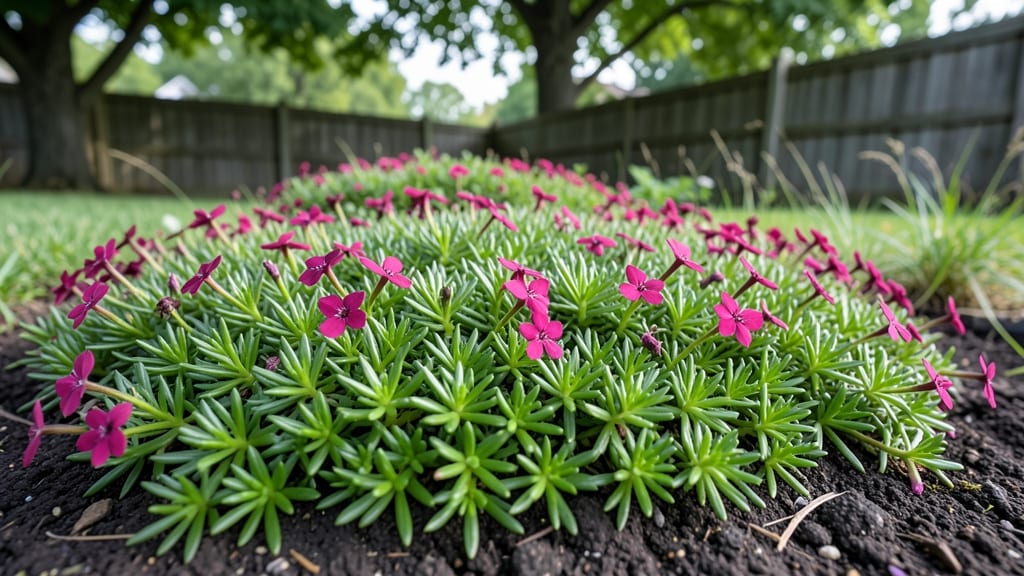
Creeping phlox thrives in sun or shade, but the right variety and placement make all the difference for year-round color and healthy growth.
Want vibrant ground cover that thrives year-round but unsure whether creeping phlox prefers sun or shade? The right variety can transform your garden into a nonstop blooming carpet—if you choose wisely based on light conditions.
Some varieties like 'Emerald Blue' love full sun, while others such as 'Blue Moon' adapt beautifully to partial shade. In hot climates, afternoon shade helps prevent wilting, but too little light can lead to leggy growth and sparse blooms.
Below, I’ll break down the best varieties for each light condition, soil prep tips, and how to transition plants between sun and shade without stressing them.
 Best Window Placement
Best creeping phlox varieties for full sun exposure
Creeping phlox thrives in full sun exposure, producing vibrant blooms that carpet your garden with color from spring through summer. When planted in 6+ hours of direct sunlight, these sun-loving varieties deliver bold colors and drought tolerance that shade-loving types can't match.
My top picks for sun-drenched gardens include Emerald Blue, Blue Ridge, and Sherwood Purple, each offering unique hues and textures while demanding minimal care once established.
For optimal performance, amend your soil with sandy loam to prevent waterlogging—a common issue in hot, sunny climates. These varieties also appreciate well-draining soil with a slightly acidic pH (6.0-7.0), which helps them retain moisture while avoiding root rot.
I’ve found that mulching with gravel or pine straw keeps roots cool during peak afternoon heat, extending bloom time by 3-4 weeks compared to unmulched plants.
The summary table below highlights the best sun-loving creeping phlox varieties, their color retention in full sun, and key care tips to maximize their performance in your garden.
| Variety | Color | Sun Tolerance | Drought Tolerance | Bloom Time | Height |
|---|---|---|---|---|---|
| Emerald Blue | Vibrant blue | Full sun (6+ hrs) | High | April–June | 6–12 inches |
| Blue Ridge | Deep indigo | Full sun (6+ hrs) | Moderate | May–July | 4–8 inches |
| Sherwood Purple | Rich purple | Full sun (6+ hrs) | High | March–May | 6–10 inches |
| Scarlet Flame | Crimson red | Full sun (6+ hrs) | Moderate | April–June | 5–9 inches |
| Oklahoma Sunset | Orange-yellow | Full sun (6+ hrs) | High | May–July | 4–8 inches |
*All varieties thrive with well-draining soil and minimal afternoon shade in hot climates.
Emerald Blue is my go-to for long-lasting color in full sun, with blooms that stay vibrant even under intense afternoon heat. This variety spreads aggressively, making it perfect for slopes or steep banks where erosion control is needed. I’ve seen it thrive in USDA Zones 4-9, though it may need winter protection in colder regions with thick mulch or burlap wraps.
If you’re after deep, velvety hues, Blue Ridge delivers a striking indigo-blue that contrasts beautifully with silver foliage plants like lamb’s ear or artemisia. This variety is slightly shorter and denser than others, making it ideal for rock gardens or container edges.
Just be sure to deadhead spent blooms regularly to encourage a second flush of flowers in late summer.
Sherwood Purple is another standout, with fragrant blooms that attract butterflies and hummingbirds all season long. Unlike some sun-loving phlox, this cultivar retains its vibrant purple color even when exposed to direct afternoon sun. For best results, I recommend planting in early spring (March–April) and watering deeply once a week during the first growing season to establish strong roots.
To keep your sun-loving creeping phlox looking its best, prune back by one-third after the first bloom cycle to encourage compact growth and prevent legginess. I also suggest fertilizing lightly in early spring with a balanced 10-10-10 formula to support robust foliage and abundant blooms.
Avoid heavy-handed fertilizing, as this can lead to excessive foliage at the expense of flowers.
For drought-prone areas, consider grouping plants with similar water needs, such as lavender or sedum, to create a low-maintenance, water-wise garden. These companions thrive in the same sunny, well-drained conditions and complement creeping phlox beautifully.
Just avoid planting near aggressive spreaders like mint or creeping thyme, which can <
Shade-tolerant creeping phlox varieties for low-light gardens
If your garden receives 3–6 hours of sun or is tucked under trees where full shade reigns, don't despair—creeping phlox can still shine! Shade-tolerant varieties like 'Blue Moon' and 'White Delight' thrive where others falter, offering year-round ground cover with vibrant blooms.
The key lies in selecting the right cultivar and tweaking care routines to match low-light conditions.
For full shade gardens, prioritize varieties bred for indirect light. These plants compensate for limited sunlight by developing denser foliage and prolonged flowering cycles.
Pair them with organic soil amendments like composted leaf mold to boost nutrient uptake, and you'll unlock their full potential even in dim corners of your landscape.
Shade-Tolerant Creeping Phlox: Light Requirements Breakdown
- Ideal for 'Pink Dawn' and 'Blue Moon'
- Blooms remain vibrant and abundant
- Minimal leggy growth risk
- Reduced flower production in some varieties
- May need extra mulch for root warmth
- Slower spreading rate compared to sun exposure
When planting shade-tolerant creeping phlox, amend your soil with 1–2 inches of compost mixed into the top 6 inches. These varieties perform best in well-draining, slightly acidic soil (pH 6.0–7.0).
For full shade conditions, add a 1-inch layer of pine bark fines to improve aeration and retain moisture without suffocating roots.
Mulching is non-negotiable in low-light gardens. Use 3 inches of organic mulch (like shredded bark or leaf mulch) to regulate soil temperature and suppress weeds. Replenish annually in spring, focusing on areas where foliage appears sparse. This simple step can double your phlox's bloom density by summer.
Companion planting boosts shade-tolerant phlox performance. Pair with heuchera (coral bells) for contrasting foliage or ajuga (bugleweed) to attract pollinators. Both thrive in similar light conditions and complement phlox's low-growing habit. Avoid planting near aggressive spreaders like mint, which can outcompete phlox's delicate roots.
To encourage continuous blooming, deadhead spent flowers every 2–3 weeks during the growing season. In full shade, this practice becomes even more critical since energy reserves are limited. Feed lightly with a balanced 10-10-10 fertilizer in early spring, but skip summer applications—excess nitrogen promotes leafy growth over flowers.
With the right variety and care, your shade garden can burst with colorful phlox blooms from spring through fall. Start with 'Blue Moon' for deep blues or 'White Delight' for elegant contrast—both reward patience with low-maintenance beauty in the shadiest spots. 🌿🌸