
You have read a hundred of these
You’re right to be sceptical. Most gardening sites tell you what to plant, then vanish when the real work starts—when the soil won’t drain, when the seedlings rot in the tray, or when the ‘perfect’ conditions you read about don’t match your climate. We don’t do that.
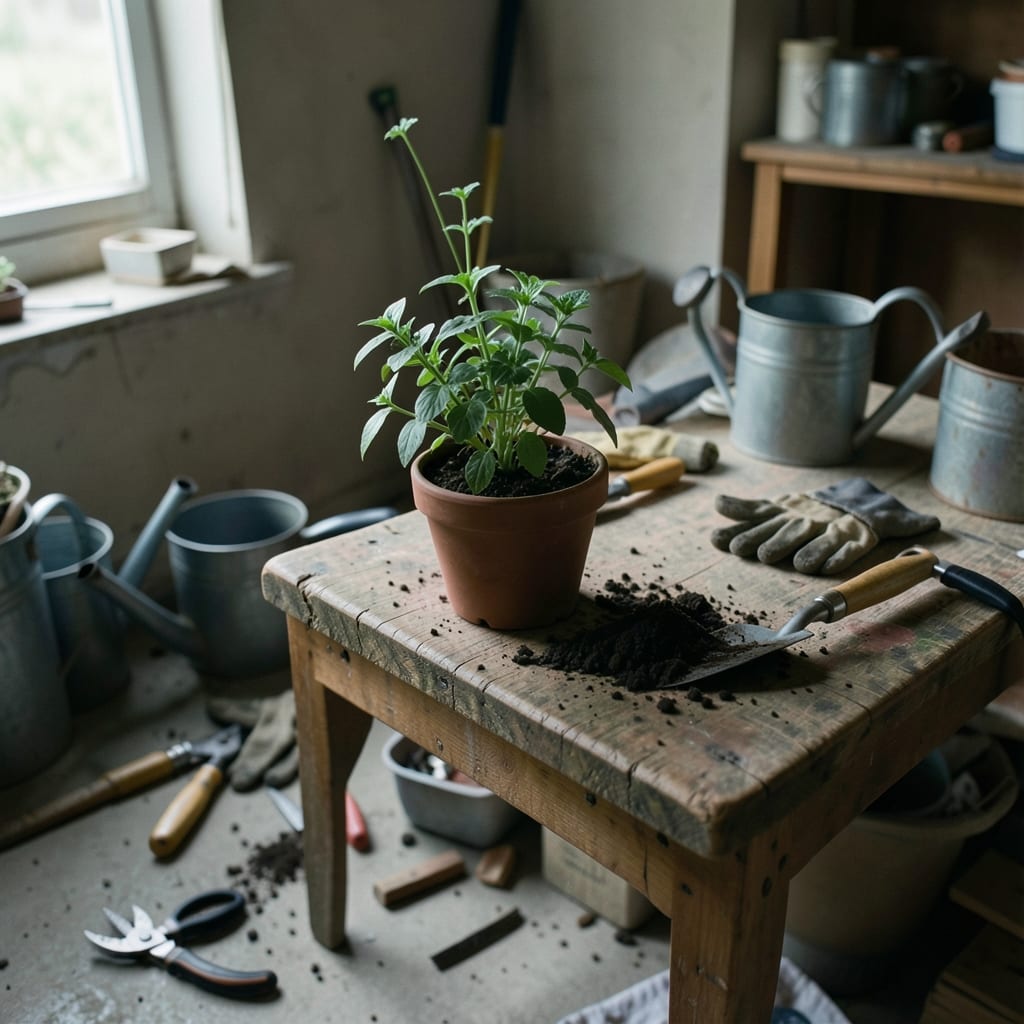
We start where the dirt is already messy. The pages here are built on what *actually* happens in a garden: the wilting leaves you can’t explain, the seeds that sprout in the wrong month, the tools that break when you need them most.
If you’ve ever walked away from a dead plant wondering what went wrong, this is for you.
But we won’t pretend every answer is simple. Some problems don’t have fixes—just trade-offs. That’s part of the work, too.
The steps are never enough.
Anyone can write that they test things
We test everything—even the things that *should* work. Take basil, for example: we’ve grown it from seed in three different soil mixes, under fluorescent lights, in full sun, and in a north-facing window. Some batches bolted in two weeks. Others took three months to produce a single usable leaf.
The ‘perfect’ method didn’t exist.
Or consider tomatoes. We’ve direct-sown in raised beds, started indoors with heat mats, and even tried the ‘toilet paper roll’ hack (it failed). We’ve tracked soil pH, watering schedules, and pruning techniques across three growing seasons. The data isn’t pretty—some years, half the plants collapsed from blight before fruiting.
What survives isn’t just what *can* grow; it’s what grows *here*. Your mileage will vary, but you’ll know why—and what to try next.
We’ve discarded 47 seed trays, two shovels, and a perfectly good greenhouse (it leaked).
About the author
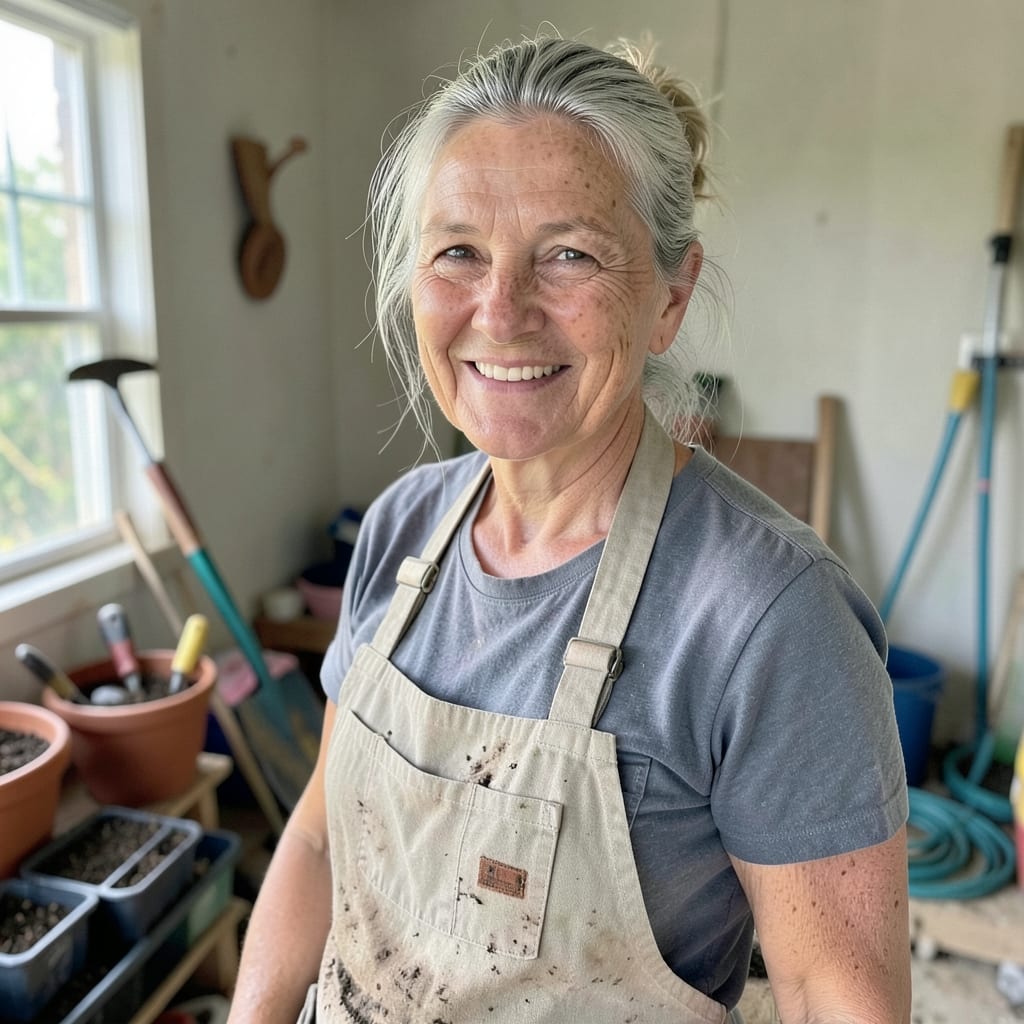
Curtis Whitaker is the founder and editor of *Sun And Shade*, where he writes about the plants that grow—and the ones that don’t.
The rules we work by
- 1Fail first
Every method is tested until it breaks. Only then do we ask why. This means losing plants, tools, and sometimes entire seasons—but it means the advice here isn’t just theory.
- 2Name the trade-offs
No solution is perfect. A faster-growing variety might taste bland. A drought-resistant plant might need full sun you don’t have. We list the costs up front.
- 3Assume the reader knows nothing
If we can’t explain it in plain terms—soil type, light levels, or a tool’s purpose—we rewrite it. Jargon doesn’t belong in a garden.
- 4Prioritize the long term
Shortcuts that save time now often cost later. We’d rather show you how to amend clay soil than tell you to ‘add compost’—because the *how* matters more than the ‘do it.’
- 5Admit when we’re wrong
If a method fails after three tries, we delete it. No ego, no ‘but it works for me.’ If it doesn’t work for *you*, it’s not worth writing about.
The only rule we’ve broken? Assuming we know what you need. Once, we spent a year refining a ‘foolproof’ zucchini-growing guide—only to realize half our readers were growing in containers, not beds. The advice was useless to them. Now, we ask questions first.
This will not be right for everyone
Close this page if you’re looking for quick wins or Instagram-worthy gardens. We don’t sell soil, tools, or ‘miracle’ seeds. We don’t offer step-by-step guides for ‘perfect’ results. And we won’t tell you that gardening is easy.
This site is for people who’ve already tried the ‘easy’ methods and found them lacking. For those who’d rather know *why* a plant died than be sold another ‘guaranteed’ solution. If you want a garden that looks like a catalog, look elsewhere.
If you want one that *grows*—messy, unpredictable, and alive—stay.
You could just be told what you want to hear
We could say every plant here thrives with ‘minimal effort’ or that our methods work in ‘any climate.’ But we’d be lying—and you’d know it the first time your tomatoes split or your seedlings mold. Instead, we tell you what we’ve learned the hard way.
Worth telling us
- The soil tests we’ve ruined (and what we learned from them)
- The plants that refused to grow—even when we followed the ‘rules’
- The tools that broke because they weren’t built for real gardens
The guides are grouped by category: Advice, Aphids, Blooming, Companion Plants, Flowers and Planting.