
Tools
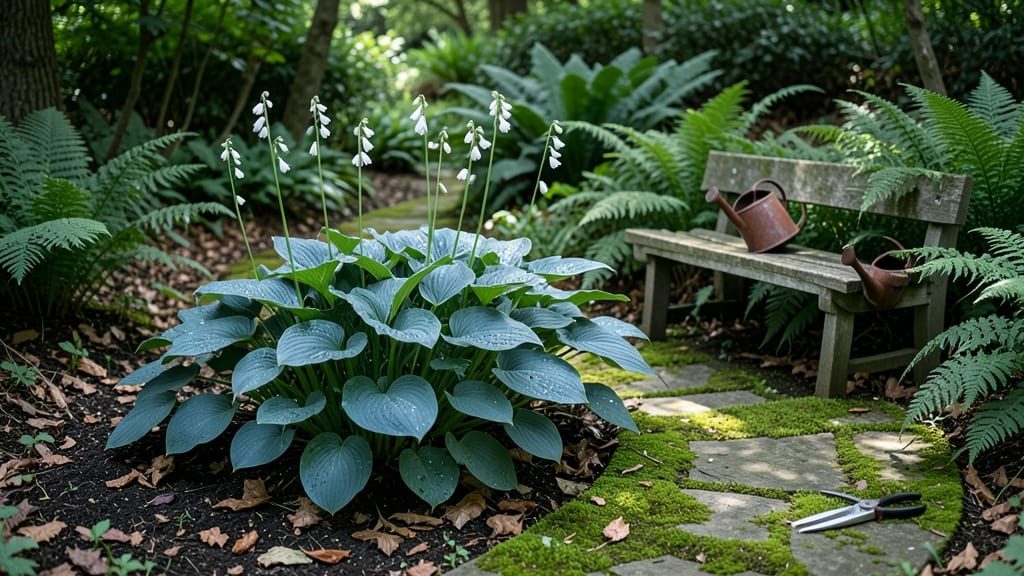
A Japanese shade garden creates a tranquil retreat where sunlight barely touches the ground. ✨ The secret lies in layering plants that thrive in dappled light—hostas with their velvety leaves, delicate ferns unfurling like lace, and azaleas bursting with seasonal color.
This isn't just a garden; it's a peaceful escape designed to soothe the soul while requiring minimal upkeep.
The magic happens in the details: soft moss carpets between stepping stones, gravel paths that guide you deeper into the space, and perhaps a small lantern or two to mark the way. I've found that even in my shady backyard, this style transforms a forgotten corner into a serene sanctuary.
The key is balancing textures—smooth leaves, feathery fronds, and the occasional blooming shrub—to create visual interest without overwhelming the space.
What you'll end up with is a garden that feels like a secret world—cool, quiet, and alive with movement even when you're not there.
The hostas grow lush and tall, the ferns sway gently in the breeze, and the azaleas provide bursts of color when everything else is still waking up. It's the perfect spot for morning tea or quiet reflection, all while demanding very little from you.
Works beautifully in any shady corner, from small urban patios to sprawling backyard retreats. The principles stay the same: choose the right plants, play with textures, and let nature do the rest. Here's how to bring this calming vision to life in your own space.
📚 In This Guide
- What you need
- Instructions
- Tips and common mistakes
- Wrapping up and next steps
What you need
- ● Soil & Amendments: High-quality acidic, well-draining soil (50-100 sq. ft. coverage, depending on garden size)
- ● Peat moss or coconut coir (5-10 bags, 2-3 cubic feet each) for moisture retention
- ● Compost or aged manure (2-3 bags) for nutrients
- ● Perlite or pumice (1 bag) to improve aeration
- ● Plants (Shade-Tolerant Varieties): Hostas (10-15 plants, varying sizes for texture)
- ● Ferns (e.g., Matteuccia struthiopteris or Dryopteris erythrosora, 5-8 plants)
- ● Hydrangeas (3-5 shrubs, for color and height)
- ● Japanese maples (Acer palmatum, 1-2 dwarf varieties)
- ○ Optional: Pieris japonica (for year-round interest) or Heuchera (for vibrant foliage)
- ● Hardscaping & Decor: Gravel or decomposed granite (10-20 bags, 0.5-1 cubic foot each) for pathways
- ● Stone lanterns or moss-covered rocks (1-3, for ambiance)
- ○ Bamboo fence or lattice (optional, for privacy and structure)
- ● Mulch (cedar or pine, 10-15 bags) to suppress weeds and retain moisture
- ● Tools: Garden trowel and hand shovel
- ● Pruners (bypass for clean cuts)
- ● Wheelbarrow (for hauling soil and plants)
- ● Rake and garden hose with spray nozzle
- ○ Optional: Japanese-style shears for precise trimming
- ● A shady or partially shaded spot (dappled sunlight or <6 hours of direct sun daily)
- ● Access to water (a nearby hose or irrigation system)
- ● A level area (or willingness to grade the space)
- ● Time to plan your layout (sketch a design or use garden markers)
Step-by-Step instructions for creating a Japanese shade garden
Transform your shady spot into a tranquil retreat with plants that thrive in dappled light.
🪴 Step 1: Prepare the Soil and Choose Your Layout
Japanese shade gardens rely on rich, well-draining soil that holds moisture without becoming soggy. Amend your existing soil with 2-3 inches of compost and 1 inch of coarse sand to improve drainage. I like to work this into the top 6 inches of soil using a garden fork—this ensures roots can spread easily without hitting compacted layers.
Sketch a simple layout before planting. Japanese gardens favor asymmetry and natural curves, so avoid rigid rows. Place larger plants like ferns or hostas near the back, with smaller ground covers like sweet woodruff or ajuga in the front. Leave 12-18 inches between plants to allow for mature growth without overcrowding.
🌿 Step 2: Select and Plant Shade-Tolerant Plants
Choose plants that thrive in partial to full shade (less than 4 hours of direct sunlight). Some of my favorites include hostas (for bold foliage), heucheras (for vibrant colors), and astilbes (for feathery plumes). Dig holes twice as wide as the root ball but only as deep—planting too deep suffocates roots.
Gently remove the plant from its container and loosen any circling roots with your fingers. Place it in the hole so the top of the root ball sits level with the surrounding soil. Fill in with soil, pressing lightly to eliminate air pockets. Water deeply to settle everything—you’ll know it’s right when the soil looks slightly damp but not wet.
☀️ Step 3: Add Mulch and Create a Calming Atmosphere
Spread 2-3 inches of organic mulch (like shredded bark or pine needles) over the soil surface, keeping it 2 inches away from plant stems to prevent rot. Mulch conserves moisture, suppresses weeds, and mimics the natural forest floor of a Japanese garden. I always use pine bark for its acidity, which hostas and ferns love.
Enhance the serene vibe with flat stones or gravel along pathways or as edging. Place a few small boulders or moss-covered rocks strategically—they add texture and a sense of permanence. Avoid overdoing it; Japanese gardens embrace simplicity, so let the plants take center stage.
💧 Step 4: Water and Maintain for Long-Term Beauty
Water deeply once a week (or more often in hot weather) to ensure the root zone stays moist but not waterlogged. You’ll know it’s time when the top inch of soil feels dry. Avoid overhead watering—it can spread fungal diseases. Instead, use a soaker hose or water at the base of plants.
Fertilize lightly in early spring with a balanced, slow-release fertilizer (like 10-10-10). Too much nitrogen leads to weak stems and fewer flowers. Prune spent foliage in late winter to keep the garden tidy, and divide overcrowded perennials every 3-4 years to maintain vigor.
⏰ Step 5: Enjoy Your Evolving Sanctuary
Step back and admire your work—Japanese shade gardens mature beautifully over time. In spring, expect lush new growth; in summer, enjoy the dappled shade; and in fall, the foliage often turns stunning colors. The key is patience; these plants grow slowly but reward you with decades of serene beauty.
Add a small bamboo screen or wooden trellis if you need extra privacy, and consider a hand-painted stone lantern for a finishing touch. The goal isn’t perfection—it’s creating a space that feels like a quiet escape. You’ll find yourself drawn to it more and more as the seasons change.
Tips & tricks for perfect Japanese shade gardens
Here's what nobody tells you about creating a Japanese shade garden that truly feels like a retreat.
Soil Prep Secret: When amending your soil with that 2-3 inches of compost and 1 inch of coarse sand in Step 1, mix in a handful of worm castings too if you can find them. They add beneficial microbes that help roots establish faster—something I only discovered after my first garden took longer to thrive than expected. The key is getting that soil loose and airy so roots can spread without struggling.
Plant Placement Pro Tip: For that authentic Japanese feel in Step 2, place your largest plants slightly off-center rather than symmetrically. I learned this the hard way after arranging everything perfectly—only to realize it looked too rigid. The natural asymmetry creates that effortless, organic flow. Also, leave those 12-18 inches between plants—crowding leads to competition for nutrients and more maintenance later.
Mulch Magic: That 2-3 inches of organic mulch in Step 3 isn't just for looks—it's a game-changer for moisture retention. I've found that pine bark mulch works best because it stays in place better than straw and slowly releases nutrients as it breaks down. The 2 inches away from stems rule prevents rot while still protecting roots. Pro tip: Refresh the mulch layer every spring to maintain its insulating properties.
Watering Wisdom: The "water once a week" guideline in Step 4 works for average conditions, but I've learned to adjust based on your local climate. In hot summers, check that top inch of soil every 3-4 days instead—overhead watering spreads disease, so stick to soaker hoses or drip irrigation. The goal is consistently moist soil, not soggy ground. I've seen shade gardens fail because of either too much or too little water.
Pro Tips for Japanese Shade Garden
- Here's what nobody tells you about creating a Japanese shade garden that truly feels like a retreat.
- Soil Prep Secret: When amending your soil with that 2-3 inches of compost and 1 inch of coarse sand in Step 1, mix in a handful of worm castings too if you can find them.
- Plant Placement Pro Tip: For that authentic Japanese feel in Step 2, place your largest plants slightly off-center rather than symmetrically.
Frequently asked questions
Got questions about creating your own Japanese shade garden?
Here are some of the most common ones—plus expert answers to help you design a tranquil, low-maintenance retreat with ease.
What plants thrive best in a Japanese shade garden?
A Japanese shade garden typically features hostas, ferns, Japanese maples, and astilbes—all of which love dappled light and moisture. For texture, add grasses like Hakonechloa or mosses for a lush, natural look. Avoid sun-loving plants like succulents or lavender, as they’ll struggle in low-light conditions.
How long does it take to establish a Japanese shade garden?
With proper planning, you’ll see noticeable growth in 1–2 years, but full maturity (especially for slower-growing plants like Japanese maples) can take 3–5 years. Start with established plants for quicker results, or sow seeds for a slower, more rewarding process.
Do Japanese shade gardens require frequent watering?
Not at all! Once established, these gardens are drought-tolerant. Water deeply 1–2 times per week during dry spells, but prioritize mulch (like cedar chips) to retain moisture. Overwatering can cause root rot, so aim for consistent but moderate hydration.
Can I create a Japanese shade garden in a small space?
Use containers, raised beds, or vertical planters to maximize space. Opt for compact varieties like dwarf hostas or miniature ferns. Even a balcony or courtyard can host a serene micro-garden with the right plant selection.
What’s the biggest mistake beginners make with shade gardens?
Ignoring soil drainage or choosing plants that need more sun. Test your soil’s pH (ideal: 5.5–6.5) and amend with organic matter. Also, avoid overcrowding—give plants room to grow! A little patience and research upfront save headaches later.
Wrapping up and next steps
A Japanese shade garden isn’t just a retreat—it’s a living work of art that brings tranquility and beauty to any space with minimal effort. 🌿 Whether you’re drawn to its serene ambiance, low-maintenance plants, or the artistry of layered foliage, this garden style proves that lushness and peace can coexist effortlessly.
Ready to transform your shady corner? Start small—sketch a design, gather a few key plants, and let nature do the rest!
- Next step: Pick a focal point (like a moss-covered boulder or a delicate maple) and build around it.
- Bonus: Visit a local nursery or botanical garden for inspiration—your own zen oasis awaits!