
Shrubs
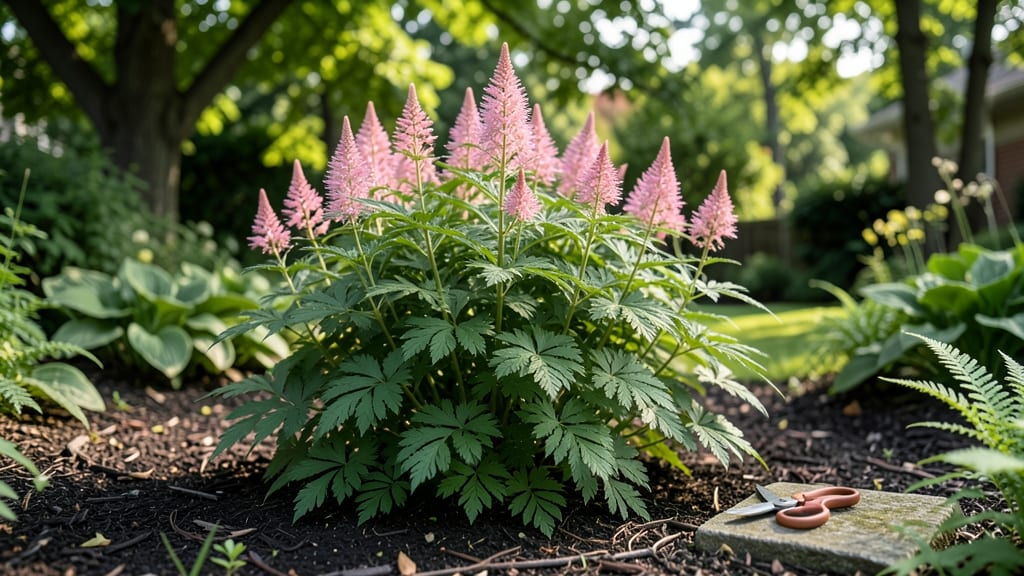
Growing spirea in shade isn't just possible—it's where some varieties truly shine. 🌿 I've learned the hard way that the right spirea can transform dark corners into lush, year-round displays, even where sunlight barely reaches. The secret lies in choosing shade-tolerant varieties and mimicking their natural woodland conditions.
Start with soil that drains well but stays consistently moist—think rich, loamy mix with a handful of compost. Varieties like Oakleaf or Goldflame handle shade best, though they'll still appreciate a few hours of morning sun for peak foliage color.
Mulch heavily to keep roots cool and retain moisture, and avoid soggy soil at all costs.
You'll notice vibrant new growth by early spring, with foliage that stays lush and colorful through winter. The key is regular watering—shade plants dry out slower, but they still need consistent moisture. A light pruning in late winter keeps the shape tidy and encourages fresh, healthy growth.
Common mistakes? Overwatering or planting in compacted clay. Test your soil first—amend with organic matter if needed. For extra shade tolerance, pair with ferns or hostas—they'll all thrive together in the dappled light. Once established, these spireas become nearly maintenance-free.
📚 In This Guide
- What you need
- Instructions
- Tips and common mistakes
- Wrapping up and next steps
What you need
- ● Spirea Plants: 1–3 Spirea japonica or Spirea thunbergii (shade-tolerant varieties like 'Goldflame,' 'Little Princess,' or 'Ogon').
- ● Choose container-grown plants (3–5 gallons) for easier transplanting.
- ● Soil Amendments: 2–3 bags peat moss or coco coir (for moisture retention).
- ● 1–2 bags compost (to enrich soil with organic matter).
- ● 1 lb slow-release fertilizer (10-10-10 or acid-loving plant blend).
- ● Mulch: 2–3 cubic feet pine bark fines or shredded leaves (to retain moisture and suppress weeds).
- ● Tools: Garden trowel or spade (for digging).
- ● Pruning shears (sterilized, for shaping).
- ● Garden hose or watering can (with a fine rose nozzle).
- ● Gloves (to protect hands from thorns or soil).
- ● Soil pH test kit (spireas prefer slightly acidic soil (pH 5.5–6.5)).
- ● Slow-release iron supplement (if leaves show yellowing).
- ● Decorative stones or gravel mulch (for a polished look).
- ● Drip irrigation system (for consistent moisture in deep shade).
How to plant and care for spirea in shaded gardens
Here's the method I use to keep spirea thriving where others fail—deep shade, rich foliage, and year-round interest.
🌿 Step 1: Select the Right Spirea Variety for Shade
Not all spirea tolerate shade equally. For deep shadows, choose Goldflame, Little Princess, or Anthony Waterer—these varieties handle low light best. I avoid Bridal Wreath or Ogon in heavy shade; they need more sun to maintain vibrant foliage.
Check the mature height of your chosen variety before planting. Dwarf types like Little Princess stay under 2 feet, while Goldflame reaches 4-5 feet. Plant taller varieties toward the back of borders to avoid blocking sunlight from shorter plants.
🪴 Step 2: Prepare the Planting Site for Moisture Retention
Spirea in shade needs consistently moist—but not soggy—soil. Test your site by digging a 12-inch deep hole. If the soil drains slowly (water pools after 30 minutes), amend with 2 inches of compost and 1 inch of perlite to improve aeration.
I always loosen the native soil with a fork before planting. This prevents root restriction, especially in clay-heavy soils. For containers, use a mix of 50% potting soil and 50% peat moss to retain moisture while allowing airflow.
☀️ Step 3: Plant at the Correct Depth and Spacing
Dig a hole twice as wide as the root ball but only as deep—planting too deep suffocates roots. Gently remove the plant from its container and tease apart any circling roots. This encourages outward growth instead of a tangled mass.
Space dwarf varieties 2-3 feet apart and taller types 4-5 feet apart. Mulch with 2-3 inches of shredded bark to conserve moisture and suppress weeds. Keep mulch 4 inches away from the stem to prevent rot.
💧 Step 4: Water and Fertilize for Shade-Adapted Growth
Water deeply once a week during the first growing season, ensuring the soil stays moist to a depth of 6 inches. In deep shade, I check moisture by sticking my finger 2 inches into the soil—if it feels dry, it's time to water.
Fertilize lightly in spring with a balanced 10-10-10 formula at half strength. Too much nitrogen causes weak stems, and shade-grown spirea doesn’t need heavy feeding. I skip fall fertilization entirely—it encourages late-season growth that won’t harden off before winter.
✂️ Step 5: Prune for Shape and Season-Long Interest
Prune spirea immediately after flowering to maintain shape. Cut back one-third of the oldest stems to the ground each year—this encourages fresh growth and prevents a woody center. I use clean, sharp shears to make 45-degree cuts just above a leaf node.
In late winter, remove any dead or crossing branches. Shade-grown spirea benefits from occasional thinning to improve airflow, which reduces fungal issues. Never prune in fall—it leaves plants vulnerable to winter dieback.
Tips & tricks for thriving shade-loving spirea
These proven strategies will help your shade-grown spirea flourish with vibrant foliage all year long—no matter how dark your garden gets.
Variety Selection: When choosing between Goldflame, Little Princess, or Anthony Waterer, consider your space first. Goldflame's 4-5 foot height makes it ideal for borders or as a backdrop plant, while Little Princess' compact 2-foot stature works beautifully in containers or tight garden beds. I've found that Goldflame handles deep shade better than the others, but all three will reward you with stunning foliage when planted correctly in the right location.
Soil Preparation: The 30-minute drainage test in Step 2 is crucial—don't skip it! If your soil drains too slowly, that 2-inch compost layer will make all the difference. For clay-heavy soils, I recommend adding an extra 1 inch of perlite to prevent compaction around the roots. This simple adjustment prevents root suffocation, which is especially critical for shade-loving plants that can't photosynthesize as efficiently as sun-lovers.
Planting Depth: Remember that "as deep" rule from Step 3? This isn't just about depth—it's about creating the perfect environment for root expansion. When teasing apart those circling roots, be gentle but thorough. I've seen plants struggle for years because of this one step. The goal is to encourage outward growth, not create a tangled mess that strangles itself. For container plants, this step is even more critical since they don't have the luxury of spreading roots.
Seasonal Care: That once-a-week watering guideline in Step 4 is perfect for most shade conditions, but I've learned to adjust based on leaf color. If the foliage starts looking dull or crispy at the edges, it's time to water—even if your finger test shows moisture. Shade plants often show stress before the soil actually becomes dry. And remember, fall fertilization is a no-go—this is one rule I broke early on, and it led to some sad, frost-bitten growth the following spring.
Pro Tips for Spirea In Shade
- These proven strategies will help your shade-grown spirea flourish with vibrant foliage all year long—no matter how dark your garden gets.
- Variety Selection: When choosing between Goldflame, Little Princess, or Anthony Waterer, consider your space first.
- Soil Preparation: The 30-minute drainage test in Step 2 is crucial—don't skip it!
Frequently asked questions
Got questions about growing spirea in shade? You’re not alone! Here are some of the most common concerns—and their answers—to help you cultivate thriving shade-loving spirea with confidence.
What types of spirea grow best in deep shade?
Not all spirea varieties thrive in shade, but Spirea japonica (Japanese spirea) and Spirea thunbergii (Thunberg spirea) are your best bets. Look for cultivars like 'Gold Flame' or 'Ogon', which tolerate partial to full shade better than others. Avoid Spirea arguta (steeplebush) or Spirea alba, as they prefer sun.
When is the best time to plant spirea in shady areas?
Plant spirea in early spring or early fall for optimal root establishment. Avoid extreme heat or frost, which can stress young plants. If transplanting mature spirea, do it in spring—just as new growth begins—to give roots time to adjust before winter.
How often should I water spirea in shade?
Shade-loving spirea needs consistent moisture but hates soggy soil. Water deeply 1–2 times per week during the first growing season, then taper to weekly watering once established. Mulch around the base (2–3 inches) to retain moisture and regulate soil temperature.
What pests or diseases should I watch for in shady spirea?
Shade can reduce pest pressure, but spirea may still face spider mites (in dry shade) or powdery mildew (from poor airflow). Prune for airflow, avoid overhead watering, and treat mites with neem oil if needed. Fungal issues? Remove infected leaves and improve drainage.
Can I grow spirea in fully shaded spots like under trees?
Yes! While spirea prefers partial shade (3–6 hours of light), some varieties like 'Little Princess' or 'Gold Mound' tolerate full shade—especially if the soil stays moist. Just amend heavy clay with compost and monitor for leggy growth (a sign of insufficient light).
What are good alternatives if spirea struggles in my shade?
If spirea underperforms, try these shade-tolerant shrubs:
- Hydrangea (e.g., 'Annabelle' or 'Limelight')
- Pieris japonica (Japanese andromeda)
- Daphne (fragrant, compact options like 'Jacqueline Postill')
- Heuchera (coral bells, for foliage color)
Wrapping up and next steps
Growing spirea in shade proves that even the trickiest spots in your garden can bloom with beauty! With the right variety—like Spirea japonica or Spirea thunbergii—and a little care, you’ll enjoy vibrant foliage and seasonal interest year-round.
Don’t let shady corners hold you back—your garden’s hidden gems are waiting to shine.
Ready to transform your space? Pick your favorite shade-loving spirea and plant it this season! 🌿✨ Browse our plant guide for more tips on placement, care, and styling.