
Light Requirements
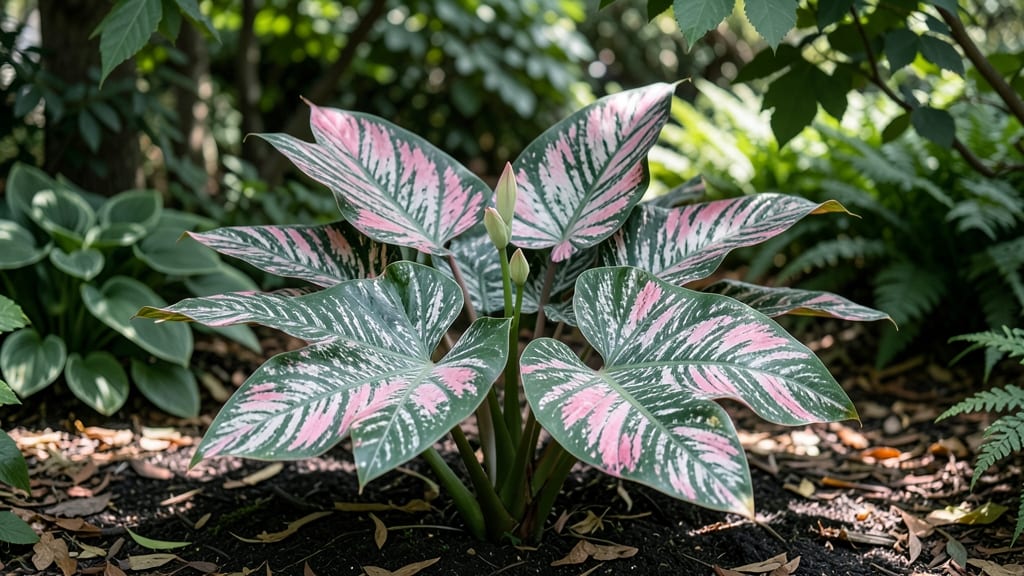
Florida’s full shade plants prove you don’t need sunshine to create a lush, thriving garden. 🌿 I’ve tested dozens of varieties in my own shaded yard, and these are the ones that outperform everything else—staying green, growing strong, and handling Florida’s humidity like pros.
The secret lies in matching plants to your shade level: deep shade under trees, partial shade with dappled light, or filtered shade from structures. Most need well-draining soil to prevent root rot, and consistent moisture without soggy conditions.
Native Florida plants like cast iron plant and ferns handle the heat and humidity naturally, while non-invasive options like caladiums add vibrant foliage with minimal fuss. You’ll end up with a garden that stays vibrant year-round, even in the hottest months.
The textures range from velvety leaves to glossy foliage, creating visual interest without needing direct sunlight. These plants also attract pollinators and support local ecosystems—something every Florida garden should do. Whether you’re working with a dark corner, a north-facing yard, or the shade of palm trees, these varieties adapt beautifully.
Let’s transform that shady spot into a thriving oasis!
📚 In This Guide
- What you need
- Instructions
- Tips and common mistakes
- Wrapping up and next steps
What you need
- ● Full shade plants: Choose from Florida-friendly options like Caladiums, Ferns, Hosta, Impatiens, or Cast Iron Plant (Aspidistra elatior). Buy 3–5 plants per 10 sq ft for a full, layered look.
- ● High-quality potting mix: Opt for a moisture-retentive, well-draining blend (e.g., Miracle-Gro Premium Potting Mix or Black Gold Natural & Organic). 1–2 bags (2–3 cubic feet each) per 10 sq ft.
- ● Mulch: Use 3–4 inches of organic mulch (e.g., pine bark or cypress mulch) to retain moisture and suppress weeds. 1–2 bags (2–3 cubic feet) per 10 sq ft.
- ● Garden gloves: A pair of durable, breathable gloves (e.g., Fiskars or Warrior) to protect your hands.
- ● Hand trowel or transplant spade: A 5–6 inch stainless steel trowel for digging and planting.
- ● Watering can or hose with a gentle spray nozzle: For deep, even watering without disturbing soil.
- ● Pruners: Bypass pruners for trimming dead foliage (e.g., Felco or Fiskars).
- ● Slow-release fertilizer: A balanced 10-10-10 or organic option (e.g., Osmoote) to boost growth. Apply once every 2–3 months.
- ● Shade cloth (30–50% coverage): If your area gets partial shade, use cloth to filter light further.
- ● Soil pH test kit: Ensure your soil’s pH is 5.5–6.5 (ideal for most shade plants). Adjust with lime (to raise pH) or sulfur (to lower pH) if needed.
- ● Decorative stones or edging: For a polished look, add river rocks or landscape timbers to define plant beds.
Step-by-step guide to designing a thriving full-shade garden in Florida
Here’s how to create a lush, low-maintenance shade garden that flourishes in Florida’s humidity and filtered light.
🌿 Step 1: Select the Right Florida-Friendly Plants
Start with shade-loving plants that thrive in Florida’s climate. My go-to list includes caladiums (elephant ears) for bold foliage, ferns like maidenhair or Boston fern for texture, and impatiens for vibrant blooms. Other winners are cast iron plant (nearly indestructible) and sweet potato vine for trailing beauty.
Check each plant’s specific shade tolerance—some need deep shade (no direct sun) while others tolerate partial shade (2-6 hours of morning sun). I always group plants with similar light needs together to avoid stress. For example, place caladiums and ferns together in the shadiest spots, while impatiens can handle a bit more light.
🪴 Step 2: Prepare the Soil for Moisture and Drainage
Florida’s clay-heavy soil can become waterlogged in shade, so amend it with 2-3 inches of organic matter like compost or peat moss. This improves drainage while retaining moisture—critical for shade plants that rely on consistent humidity. I mix in a handful of slow-release fertilizer (like 10-10-10) at planting to give roots a nutrient boost without burning them.
Test your soil’s moisture level after rain—if it stays soggy for days, add more compost or consider raised beds. Shade gardens often need less frequent watering, but the soil should never dry out completely. Aim for 1-2 inches of water per week, either from rain or irrigation.
☀️ Step 3: Plant with Layered Light and Texture
Arrange plants in height order, with tallest in back (like ferns or caladiums) and trailing varieties (like sweet potato vine) in front. Space them 12-18 inches apart to allow airflow and prevent fungal diseases—a common issue in Florida’s damp shade. I like to add mulch (2-3 inches of pine bark or shredded leaves) to suppress weeds and keep roots cool.
Watch for leaf color changes—yellowing can signal overwatering, while crispy edges often mean too little moisture. Adjust your watering based on the season: more in summer’s heat, less in cooler months. Group plants with similar water needs together to simplify care.
💧 Step 4: Maintain with Minimal Effort
Shade gardens in Florida need regular but gentle watering—aim for deep soakings 2-3 times per week in summer, tapering to once a week in winter. Avoid overhead watering in the evening to prevent fungal spores from settling on leaves. Instead, use drip irrigation or soaker hoses for targeted moisture.
Fertilize lightly every 6-8 weeks with a balanced, water-soluble fertilizer. Too much can burn tender shade plants. I also monitor for pests like slugs or spider mites—common in humid shade. Handpick slugs at night or use diatomaceous earth for mites if needed.
✂️ Step 5: Prune and Refresh Seasonally
Deadhead spent blooms (like on impatiens) to encourage more flowers, but avoid heavy pruning—shade plants grow slowly. In late winter, trim back any brown or damaged foliage to make room for new growth. I also divide overcrowded plants like caladiums every 2-3 years to keep them vigorous.
Watch for leaf drop in fall—normal for some plants like sweet potato vine—but excessive shedding can signal stress from overwatering or poor drainage. Adjust care as needed. With the right plants and a little TLC, your Florida shade garden will stay lush year-round.
Tips & tricks for perfect Florida shade gardens
Creating a thriving shade garden in Florida takes more than just picking the right plants—it's about understanding their unique needs. Here are the secrets I've learned after years of trial and error.
Light Layering Strategy: Don't just group plants by shade tolerance—create vertical layers. Place your tallest plants (like ferns) in the back, mid-height varieties (caladiums) in the middle, and trailing plants (sweet potato vine) in front. This creates visual depth while ensuring each plant gets the right amount of filtered light. I've found that adding a few partial-shade plants like impatiens near the edges can actually brighten up darker corners of your garden.
Soil Science Matters: Florida's clay soil is tricky in shade areas—it can become waterlogged while still feeling dry at the surface. The key is that 2-3 inches of organic matter I mentioned isn't just about drainage; it's about creating a sponge-like layer that holds moisture without suffocating roots. I always test soil moisture by squeezing a handful—if water drips out immediately, you're overwatering; if it holds shape like a brick, you need more compost.
Mulch Magic: That 2-3 inches of mulch isn't just decoration—it's your garden's temperature regulator. In summer, it keeps roots cool; in winter, it insulates against Florida's rare cold snaps. I use pine bark mulch because it breaks down slowly, but shredded leaves work too. Just avoid piling mulch against plant stems—keep it 2 inches away to prevent rot.
Watering Wisdom: The 1-2 inches of water per week guideline is your baseline, but timing matters just as much. Water in the morning so leaves dry quickly, preventing fungal growth. I've seen shade gardens ruined by evening watering—especially during Florida's humid summers. And here's a pro move: water at the base of plants rather than overhead to keep foliage dry and reduce disease risk.
Pro Tips for Full Shade Plants Florida
- Creating a thriving shade garden in Florida takes more than just picking the right plants—it's about understanding their unique needs.
- Light Layering Strategy: Don't just group plants by shade tolerance—create vertical layers.
- Soil Science Matters: Florida's clay soil is tricky in shade areas—it can become waterlogged while still feeling dry at the surface.
Frequently asked questions
Got questions about growing full shade plants in Florida?
You’re not alone! Here are some of the most common concerns—and answers—to help you create a lush, low-light garden with confidence.
What are the best full shade plants for Florida’s humid climate?
Florida’s humidity and heat demand resilient picks! Native or adapted plants like Caladiums (elephant ears), Ferns (e.g., Boston fern), Cast iron plant (Aspidistra elatior), and Sweet potato vine thrive in full shade. Avoid tropical plants that need dry shade—they’ll rot. Check our top recommendations for foolproof options!
How long does it take for full shade plants to establish in Florida?
Most full shade plants take 4–8 weeks to show signs of growth, but full establishment (root spread, pest resistance) can take 6–12 months, especially in Florida’s heavy clay soil. Water deeply once a week for the first month, then taper to every 2 weeks once leaves appear. Pro tip: Mulch with 3–4 inches of pine straw to retain moisture and suppress weeds!
Why are my full shade plants wilting or turning yellow in Florida?
Yellowing (chlorosis) or wilting often signals overwatering or poor drainage—common in Florida’s rainy season. Ensure pots/drainage beds have holes, and water only when the top 1–2 inches of soil are dry. Yellow edges? It could be nutrient burn—use a balanced, slow-release fertilizer (like 10-10-10) in spring. Need more help?
Can I grow full shade plants in containers in Florida?
Containers are perfect for Florida’s heat and humidity, as they prevent root rot from standing water. Use well-draining mix (50% potting soil, 30% perlite, 20% compost) and terracotta or fabric pots for airflow. Cast iron plants and Caladiums love containers—just move them to partial shade during peak afternoon sun (12–3 PM) to avoid leaf scorch.
What if my yard has some morning sun but full shade the rest of the day?
Great news—most Florida full shade plants tolerate 2–3 hours of morning sun! Plants like Impatiens (busy Lizzie) and Begonias flourish with this light. Avoid direct afternoon sun (1 PM–5 PM), which can scorch delicate leaves. Test your spot: Use a light meter app or observe how quickly a white sheet dries in the shade.
Wrapping up and next steps
Transforming your shady Florida spots into lush, vibrant gardens is easier than you think! 🌿 With the right full shade plants, you can create a thriving oasis even in low-light areas.
Whether you're a seasoned gardener or just starting out, these hardy plants offer beauty, resilience, and minimal maintenance—perfect for Florida’s unique climate.
Ready to take the next step? Start small! Pick 2-3 plants from this list, experiment with placement, and watch your shaded spaces come alive. Happy gardening—your future shade garden awaits! 🌱