
Shrubs
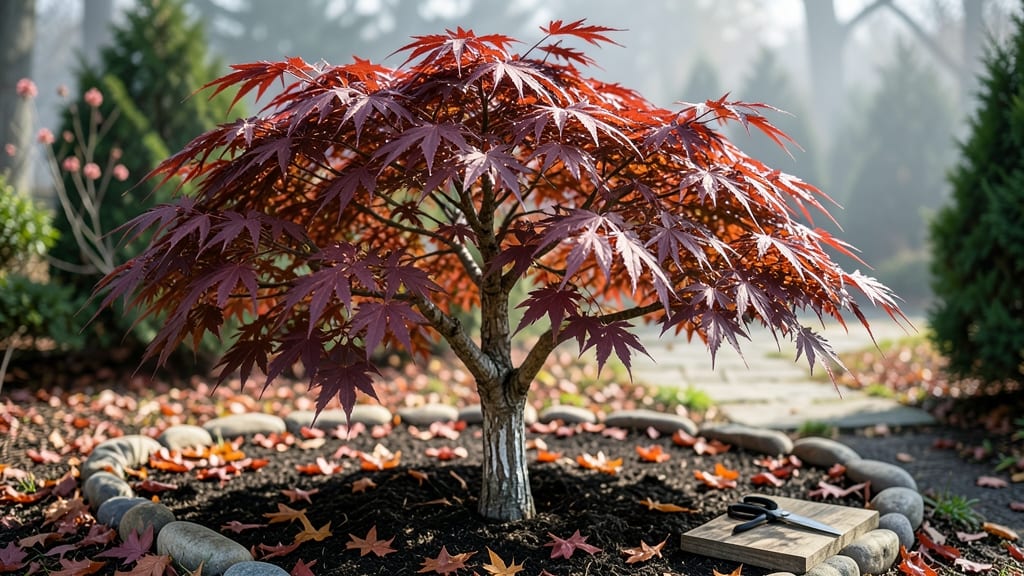
Dappled shade refers to the light pattern created when sunlight passes through trees or shrubs, casting shifting patches of light and shadow across the ground. This dynamic lighting differs from full shade or direct sun exposure, providing a gentler environment that suits many woodland plants and shrubs.
This lighting condition mimics natural forest understories, where sunlight dapples the forest floor in ever-changing patterns throughout the day. 🌿 The intermittent light exposure helps prevent leaf scorch while still allowing enough energy for photosynthesis.
Unlike full shade, which can stifle growth, or harsh sun that burns foliage, dappled shade strikes a balance that many plants—particularly those native to woodland areas—thrive in.
For gardeners, understanding dappled shade is key to selecting the right plants. Hostas, ferns, and hydrangeas, for example, flourish in these conditions, while sun-loving plants like lavender would struggle. The magic lies in the movement—the shifting light encourages healthier growth patterns and often leads to more vibrant foliage and flowers.
💡 In This Article
- How Dappled Light Affects Plant Growth and Health
- Best Plants for Thriving in Dappled Shade Gardens
How dappled light affects plant growth and health
Dappled light creates a unique photosynthetic environment where plants receive only 10-50% of full sunlight in shifting patterns throughout the day.
This intermittent exposure triggers a fascinating physiological response: plants adapt by developing thicker leaves with higher chlorophyll concentrations in the sunlit areas, while shaded regions grow thinner leaves to conserve energy. Think of it like a plant's version of sunbathing—just enough to fuel growth without risking overheating or leaf scorch.
The key difference from full shade lies in light duration. While full shade might deliver only 5-10% sunlight consistently, dappled light provides brief bursts of higher intensity (up to 70% of full sun) for 1-2 hours at a time**, stimulating photosynthesis without the stress of prolonged exposure.
This explains why many woodland plants thrive here—they've evolved to capitalize on these light pulses while avoiding the harsh midday sun that would damage their delicate foliage. 🌿
For flowering plants, dappled shade often results in more abundant blooms because the light intensity triggers photoperiodism—the plant's internal clock that regulates flowering. Take hydrangeas as an example: they produce more vibrant flowers in dappled light than in full shade, where they might become leggy and sparse.
The same principle applies to ferns, whose fronds develop more intricate patterns when receiving these light variations rather than constant dimness.
Stress responses also differ dramatically. Plants in full sun develop protective mechanisms like thicker cuticles or reflective leaf surfaces, while those in full shade may become etiolated (pale and stretched). Dappled light plants strike a balance—developing moderate stress responses that actually enhance their resilience.
The shifting light patterns also encourage more robust root systems as plants grow toward the intermittent light sources rather than competing vertically like in dense shade.
Consider the case of hostas, which are often recommended for dappled shade. Their leaves contain 1.5-2.5% more chlorophyll in sunlit patches compared to shaded areas, allowing them to maximize photosynthesis during brief light periods.
This adaptability explains why they maintain their signature variegation—white or yellow leaf edges act as natural sunscreens in brighter spots while green areas thrive in shade. 💫
For gardeners, this means you can create a thriving understory garden with plants that would either burn in full sun or languish in deep shade. The secret lies in selecting species that naturally occur in woodland edges or forest clearings, where they've evolved to handle this light dance.
Layering plants with different shade tolerances—like tall ferns at the back, medium-height hostas in the middle, and ground covers like ajuga in the front—creates a self-sustaining ecosystem that mimics nature's perfect balance.