
Companion Plants
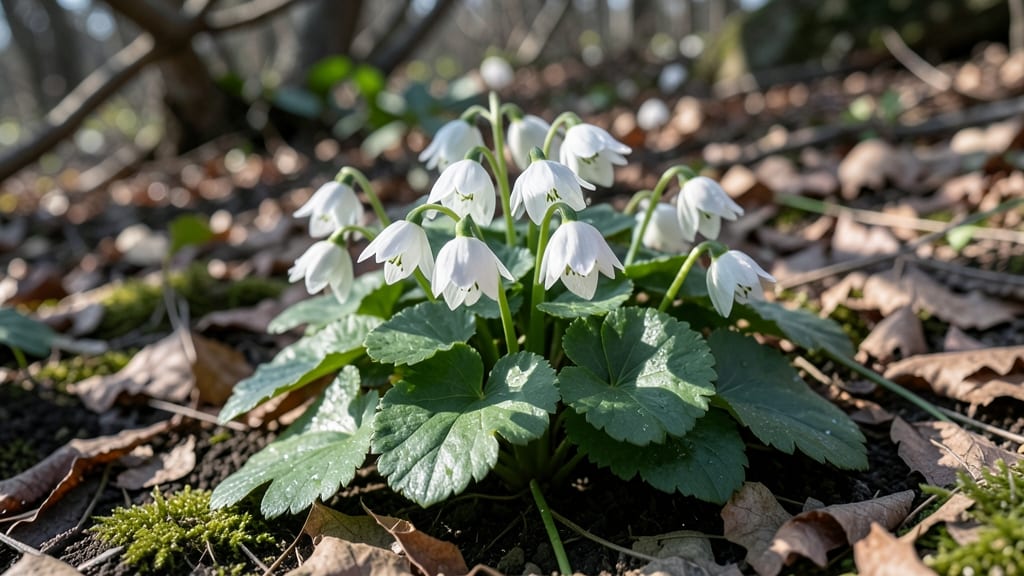
Tired of high-maintenance gardens that demand constant attention? These 10 shade-loving perennials thrive with minimal care while delivering stunning blooms, lush foliage, and year-round interest—perfect for busy gardeners or low-light spaces.
Hostas For Year-Round Green Beauty
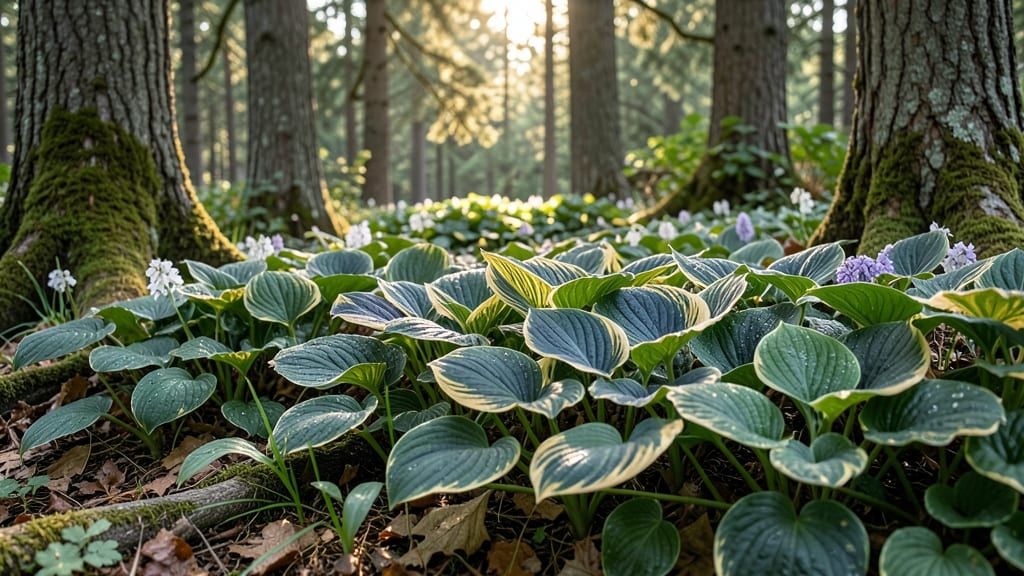
If you’ve ever struggled to grow anything under trees or in shady corners, hostas are your secret weapon. These hardy perennials thrive in deep shade where most plants give up, offering bold foliage in shades of green, blue, gold, and variegated patterns that keep your garden vibrant all year.
Hostas are famously forgiving—plant them in poor soil (they’ll survive), forget to water them once established (they’re drought-tolerant), and watch them flourish with almost no effort. Their diverse sizes—from tiny miniatures to giant foliage plants—let you create layered shade gardens with texture and movement, whether you’re filling a forest floor or a city courtyard.
Perfect for beginners, hostas reward patience with lush, low-maintenance beauty that thrives even when other plants struggle. 🌱
Astilbe Plumes In Soft Pastels
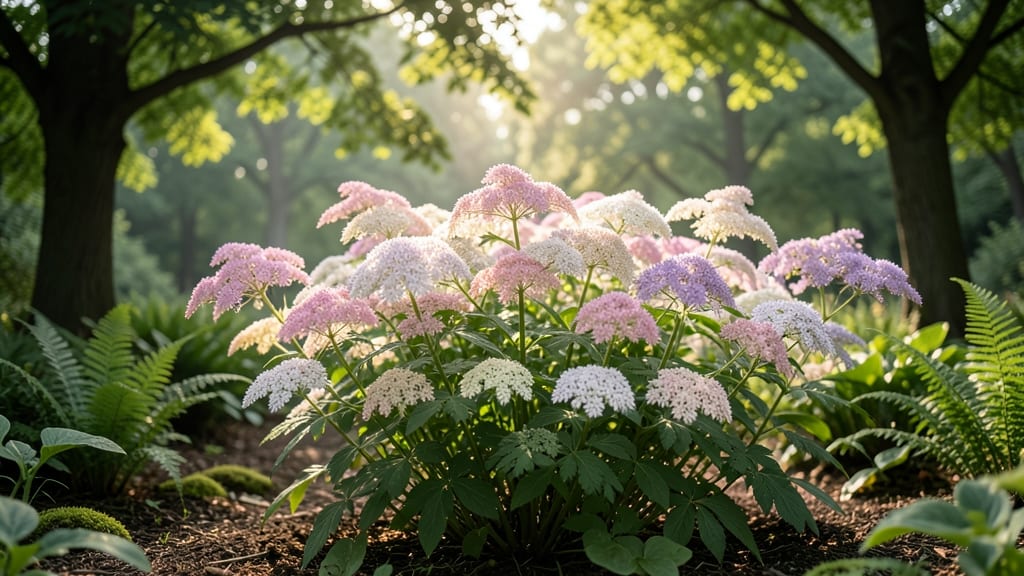
Want a shade garden that dances with color without the fuss of staking or floppy stems? Astilbe delivers feathery plumes in blush pink, lavender, and white that sway gently in the breeze—no supports needed. These moisture-loving stars thrive where other shade plants wilt, making them ideal for humid climates or rain gardens.
Plant astilbe in moist, well-draining soil with partial to full shade, and watch them reward you with 3-6 week blooms each summer. Deadhead spent flowers to encourage more blooms, but skip the pruning—these perennials are happy to self-clean. Their clumping habit also makes them perfect for containers or borders where you want soft, textured movement.
Perfect for gardeners who love color but hate maintenance, astilbe brings effortless elegance to shady spots where most plants struggle. 🌷
Coral Bells With Season-Long Color
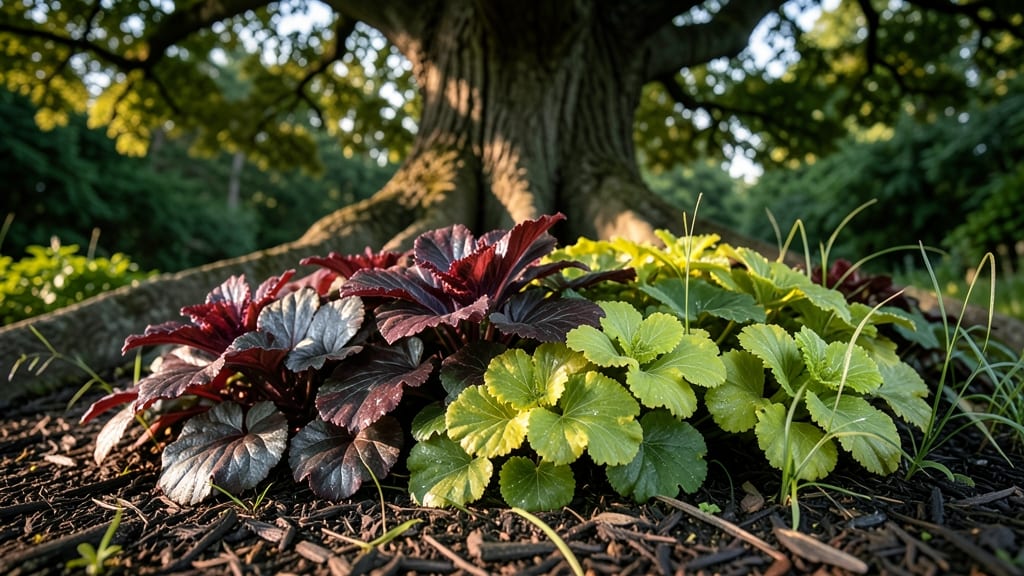
Tired of battling bare spots under trees where grass won’t grow? Coral bells (Heuchera) deliver vibrant foliage in burgundy, silver, or chartreuse hues that outshine weeds while demanding almost no care once settled in.
These drought-tolerant perennials thrive in partial shade with just 1-2 inches of water weekly after establishment. Their low-growing habit (6-12 inches tall) creates a living carpet that suppresses weeds naturally. Varieties like 'Palace Purple' or 'Lime Rickey' add dramatic color contrast to shady borders without requiring deadheading or pruning.
Perfect for urban gardeners with poor soil or woodland gardeners seeking instant impact, coral bells multiply slowly to prevent overcrowding. Just add mulch to retain moisture and watch them flourish with minimal effort. 💚
Lungwort For Healing Beauty
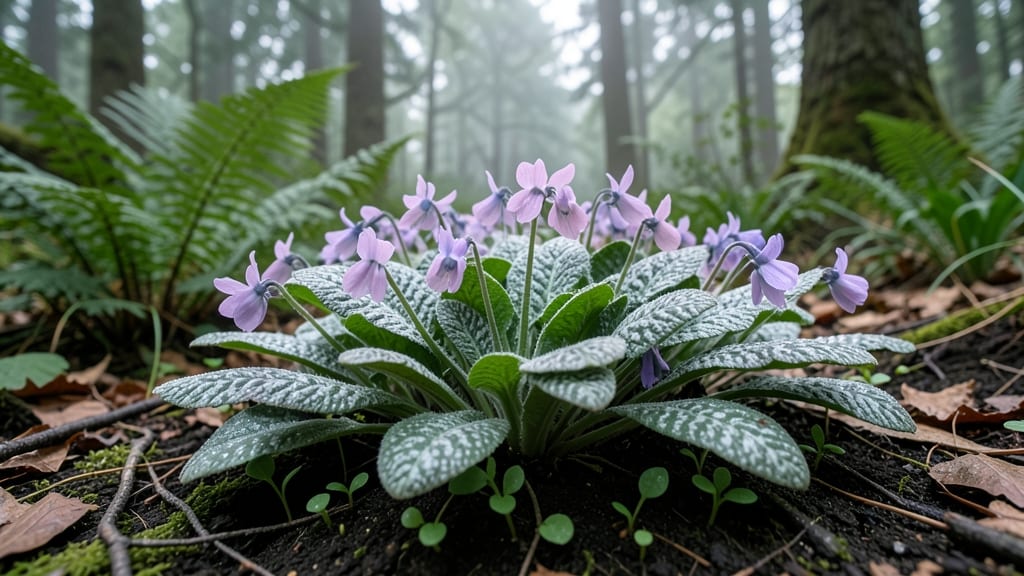
If you’re looking for a shade-loving plant that practically cares for itself, lungwort (Pulmonaria) is your answer. This underrated beauty thrives in damp, shady spots where other plants struggle, while its self-seeding habit means you’ll never need to divide it—just enjoy the show.
With silver-spotted leaves that turn green as they age and clusters of blue flowers in early spring, lungwort attracts pollinators like bees and butterflies. Its deer-resistant nature makes it a smart choice for rural gardens, and it tolerates poor soil as long as it stays moist. Plant it under trees or along fences for effortless woodland charm.
Perfect for beginner gardeners or those with busy schedules, lungwort adds texture and color without the fuss. Once established, it spreads gently, filling in empty spaces with minimal effort. 🌿
Japanese Painted Fern
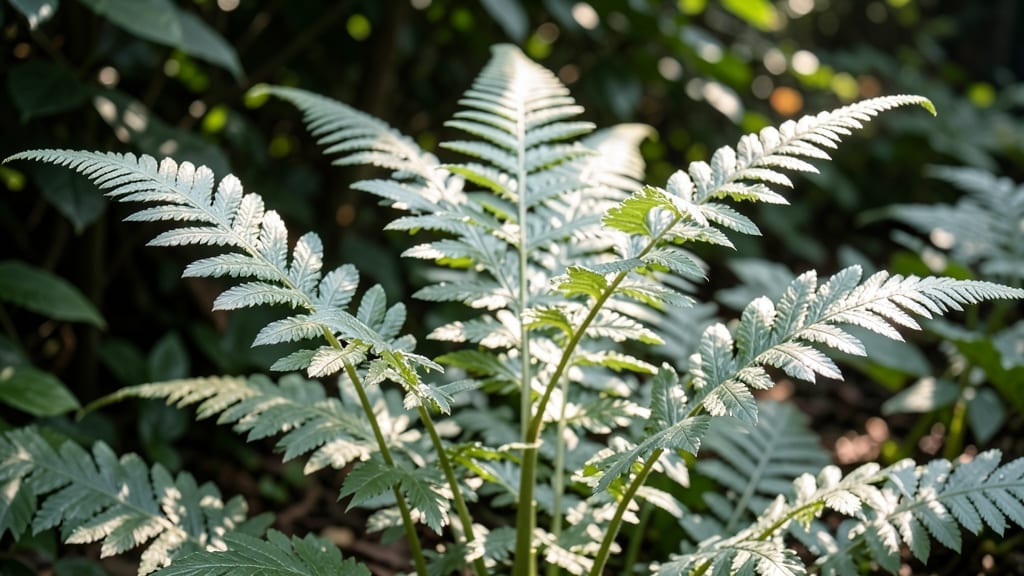
If you’ve ever struggled with ferns that flop or scorch in the sun, Japanese painted fern is your game-changer. Unlike its high-maintenance cousins, this fern thrives in partial shade to full sun without browning, making it the ultimate shade garden survivor.
Its silvery-green fronds add a striking contrast to dark foliage, while its compact, mounding habit (just 12–18 inches tall) fits perfectly in containers, window boxes, or tight garden edges. Unlike sprawling ferns, it stays neat year-round, requiring zero pruning—just occasional watering to keep soil moist. Perfect for urban balconies or woodland gardens where space is limited.
This fern’s heat tolerance and deer-resistant nature make it ideal for busy gardeners who want beauty without fuss. Add it to your shade garden for effortless elegance. 🌿
Bleeding Heart Vine For Vertical Drama
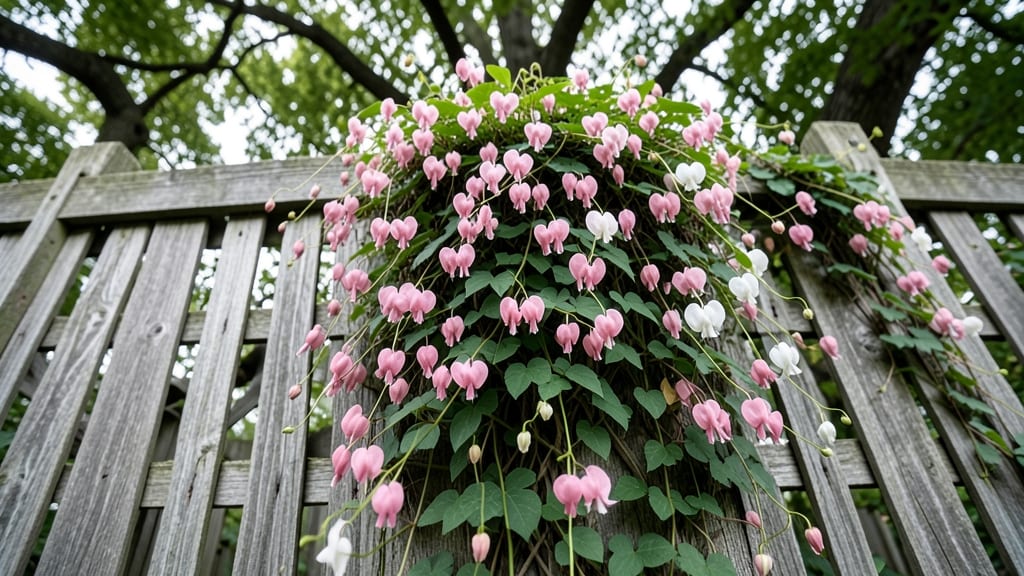
Turn a dull fence or trellis into a romantic vertical garden with bleeding heart vine (Dicentra spectabilis), a shade-loving climber that produces cascading heart-shaped pink or white flowers from spring through summer. Unlike sprawling ground covers, this vine naturally clings to structures, eliminating the need for staking—just provide a sturdy trellis or fence for support.
Thriving in partial to full shade, bleeding heart vine prefers moist, well-draining soil and blooms best in cooler climates. To keep it tidy, simply cut back the stems to the ground in fall before new growth emerges—this prevents flopping and encourages fresh, vigorous blooms the following spring. The plant’s delicate foliage also adds lush texture to shady corners.
Perfect for gardeners who want vertical interest without the fuss, bleeding heart vine is especially ideal for small spaces or urban gardens where floor space is limited. Pair it with hostas or ferns for a layered, low-maintenance shade display. ✨
Solomon’s Seal For Graceful Arches
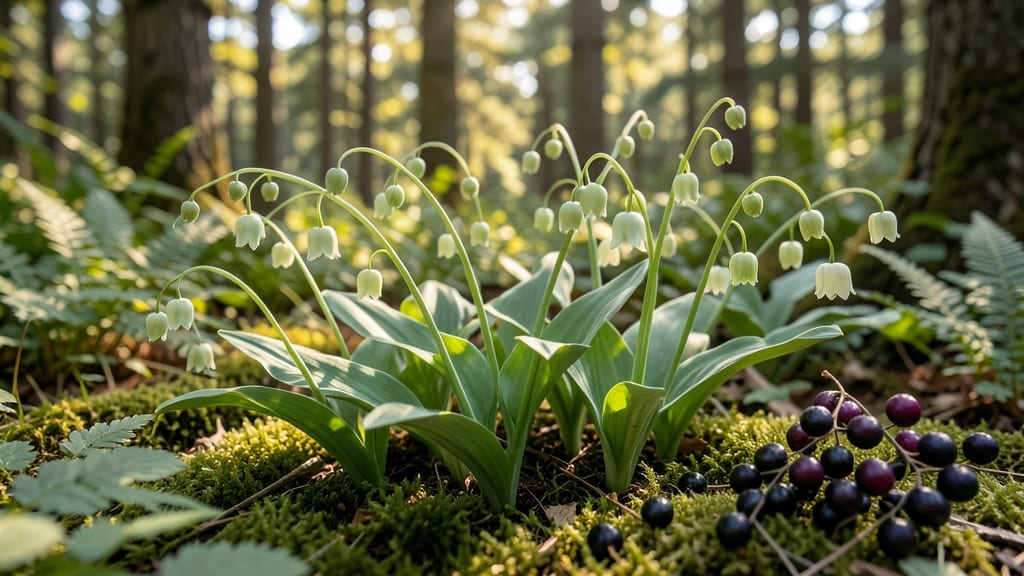
Want a shade plant that moves with the breeze without any extra work from you? Solomon’s seal (Polygonatum) creates elegant, arching stems that sway naturally—no pruning required. Its delicate, bell-shaped flowers and glossy berries add texture to shady spots where other plants struggle.
This hardy perennial thrives in dry shade, making it perfect for urban gardens with compacted or poor soil. Plant clumps 12–18 inches apart in well-drained soil, and watch it spread slowly over time. The arching habit adds movement to borders or woodland gardens, while its tolerance for drought and shade means fewer watering worries.
Ideal for gardeners who want drama without fuss, Solomon’s seal pairs beautifully with hostas or ferns. Once established, it’s nearly self-sufficient—just enjoy the graceful arches year after year. 💚
Sweet Woodruff For Fragrant Ground Cover
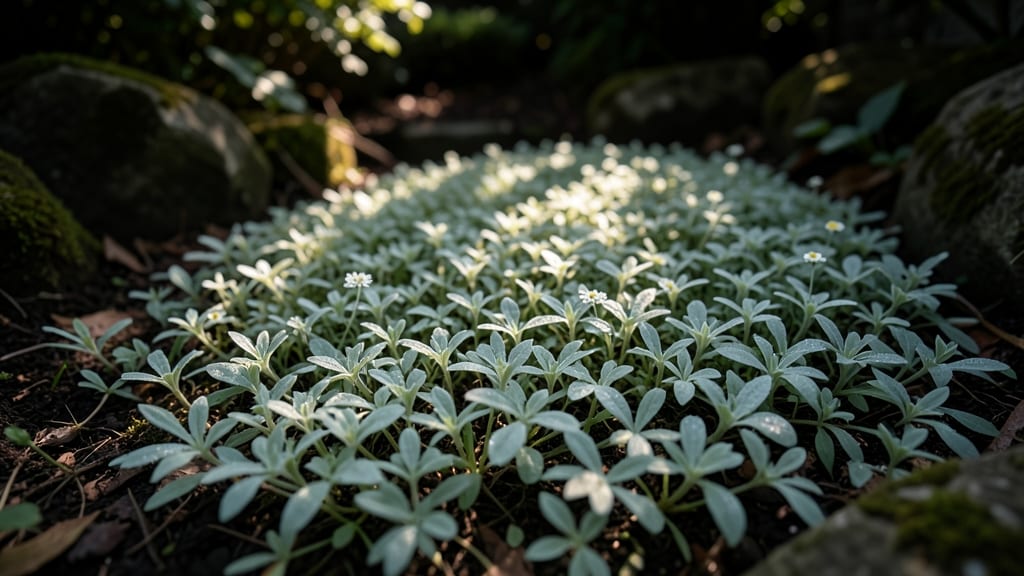
Struggling to find a plant that thrives in the darkest corners of your garden while adding a sensory surprise? Sweet woodruff is your secret weapon—a delicate ground cover that spreads gently to smother weeds and releases a vanilla-like scent when brushed. It’s the perfect quiet companion for understory planting where even ferns hesitate to grow.
This shade-loving perennial thrives in dry to medium moisture and spreads slowly through creeping stems, creating a lush green carpet by late spring. Its small white flowers appear in May, offering a fleeting but fragrant reward, while its airy foliage provides texture without competing with taller plants. Best of all, it’s completely non-invasive and disappears gracefully when mowed.
Ideal for gardeners who love low-maintenance solutions with a sensory bonus, sweet woodruff is especially magical in woodland gardens or beneath fruit trees where its scent lingers like a whisper of spring. 🌿
Toad Lily For Bold Statement
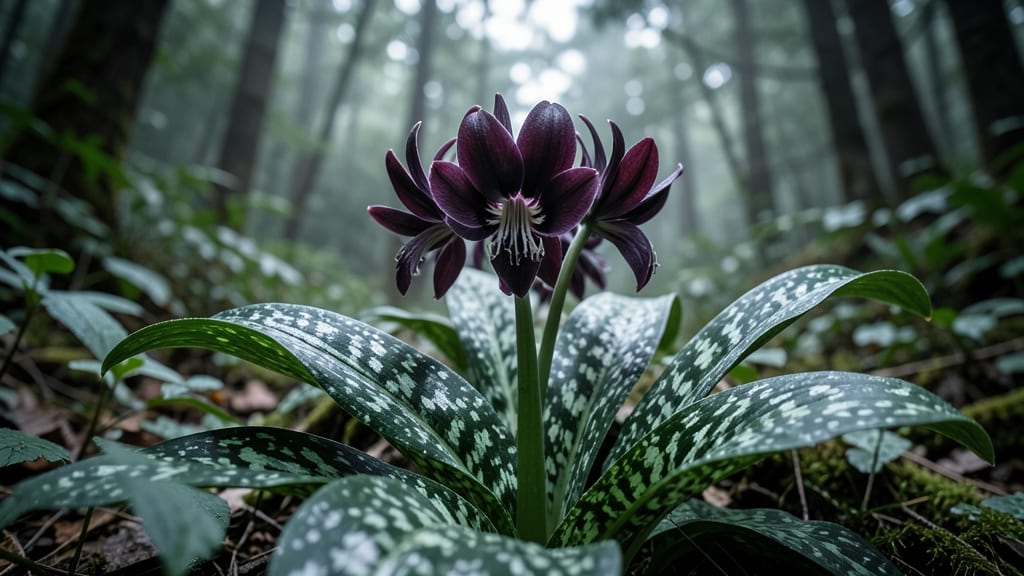
When your shade garden feels lackluster and other plants refuse to thrive, toad lily (Tricyrtis) delivers a dramatic punch with its striking purple-black blooms and boldly spotted foliage. Unlike most shade plants that fade into the background, this woodland native demands attention—without demanding extra care.
This low-growing perennial thrives in deep shade where sunlight barely reaches, making it perfect for forest edges or under tall trees. Its late-summer to fall blooms provide color when many gardens are winding down, while its spotted leaves add texture year-round. Simply plant in moist, well-draining soil and let it spread naturally—no staking, dividing, or fussing required.
Woodland gardeners and those seeking bold foliage contrast will love how toad lily transforms dull corners into focal points. It’s the ultimate statement plant for the patient gardener. 💚
Foamflower For Early Spring Color

When your shade garden feels like a blank canvas in early spring, foamflower (Tiarella cordifolia) steps in with delicate white blooms that bring life to dappled corners. Unlike many shade plants that wait until summer, this native beauty blooms as early as March or April, offering crucial nectar for bees and butterflies when food is scarce.
Plant it in partial to full shade with moist, well-draining soil—it thrives under trees where other plants struggle. The airy flower clusters (up to 12 inches tall) contrast beautifully with hostas or ferns, while its heart-shaped leaves add texture. Once established, it spreads gently without invading, making it perfect for borders or woodland gardens.
This is the ideal choice for gardeners who want instant spring color with zero fuss. Pair it with lungwort or astilbe for a foolproof shade combination that blooms early and lasts through summer. 🌿