
Orchid Care
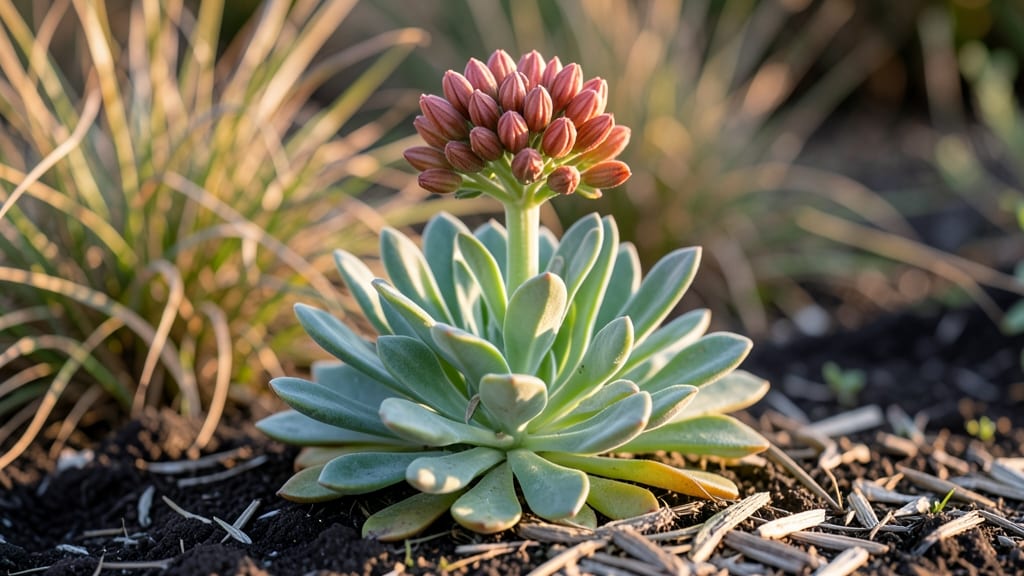
Sedum thrives in sun or shade 🌱 — a rare trait that makes it the perfect low-maintenance plant for any garden spot.
Struggling to find a succulent that thrives in both blazing sun and shady corners? Sedum isn’t just one plant—it’s a versatile genus with varieties that can handle your garden’s toughest light conditions while providing vibrant color year-round.
Sun-loving types like 'Autumn Joy' bloom boldly in full sun, while varieties such as 'Dragon's Blood' adapt beautifully to partial shade. The key is matching the right sedum to your space’s light, and I’ll show you how to do it without guesswork.
From soil prep to watering schedules, you’ll learn exactly how to keep your sedum lush—whether it’s basking in 6+ hours of sun or tucked under a tree’s dappled shade.
 Best Window Placement
Sun-loving sedum varieties for full sun exposure
If you're looking to add vibrant, low-maintenance plants to your sunniest garden beds, sun-loving sedum varieties are my top recommendation. These hardy succulents thrive under 6+ hours of direct sunlight daily, delivering striking foliage and long-lasting blooms with minimal care.
Their drought tolerance makes them perfect for xeric landscapes or hot, dry climates where water conservation is key.
What sets these sedum varieties apart is their ability to store water in thick leaves, reducing evaporation and preventing wilting during heatwaves. Many also produce clusters of star-shaped flowers in late summer, attracting pollinators while adding seasonal color to your garden.
Let's explore the best full-sun sedum varieties that will transform your brightest spaces into thriving, colorful displays.
🌱 Key Considerations for Sun Exposure:
My favorite sun-loving sedum for dramatic impact is Sedum 'Autumn Joy', which starts with green foliage that deepens to coppery tones as summer progresses.
This variety produces pink flower clusters that mature to a rich rusty brown, creating a stunning seasonal color transition that keeps your garden interesting from summer through fall. It's also highly drought-tolerant, making it ideal for low-water landscapes.
For a bold foliage statement, consider Sedum 'Dragon's Blood', which features deep crimson leaves that maintain their vibrant color all season long. This variety thrives in hot, dry conditions and pairs beautifully with silver-blue ornamental grasses or lavender for a Mediterranean-inspired garden.
Its compact size makes it perfect for container gardening on patios or balconies.
When planting sun-loving sedum varieties, always use well-draining soil to prevent root rot. Amend heavy clay soils with compost or coarse sand to improve drainage. These plants prefer sandy or gravelly soils that mimic their natural rocky habitats.
For best results, plant in spring after the last frost when soil temperatures reach 50°F or warmer.
One of my pro tips for sun-loving sedum is to mulch around the base with gravel or small rocks rather than organic mulch. This helps prevent soil moisture retention while keeping roots cool during intense afternoon sun.
Water deeply but infrequently, allowing the soil to dry completely between waterings. Overwatering is the #1 cause of failure with these drought-resistant plants.
For extended blooming seasons, deadhead spent flowers by snipping them off at the base with clean pruners. This encourages new flower production and prevents the plant from self-seeding excessively.
In late fall, you can prune back leggy stems by 1/3 to 1/2 to promote compact, bushy growth the following season. Most sun-loving sedum varieties are perennial, meaning they'll return year after year with proper care.
To maximize their sunlight exposure, plant these varieties in south-facing beds or along fences and walls that capture reflected heat. They also perform well in raised beds, where drainage is optimal. For container gardening, choose pots with drainage holes and use a cactus or succulent
Shade-tolerant sedum: best varieties for low-light gardens
If your garden has shady spots where other succulents struggle, don’t despair—sedum offers shade-tolerant varieties that thrive with minimal sunlight. These plants adapt beautifully to partial or full shade, delivering stunning foliage and flowers without demanding full sun exposure.
Their drought-resistant nature makes them perfect for under trees or north-facing borders where light is limited.
Not all sedum varieties perform equally in low light, though. Some species like Sedum morganianum (burro’s tail) still prefer bright conditions, while others like Sedum ternatum (woodland stonecrop) flourish in deep shade.
Choosing the right variety ensures vibrant growth and reduces the risk of leggy, weak stems—a common issue in low-light conditions.
Sedum in Shade: Pros & Cons
✅ Pros
- Low-maintenance: Thrives with minimal watering
- Year-round interest: Evergreen foliage in many varieties
- Disease-resistant: Rarely affected by fungal issues
- Wildlife-friendly: Attracts pollinators like bees
❌ Cons
- Slower growth in deep shade compared to sun
- Less vibrant flowers without sufficient light
- Requires well-draining soil to prevent rot
- May sprawl if not pruned in low light
Sedum ternatum (woodland stonecrop) is a top pick for full shade gardens, boasting delicate, fern-like foliage and clusters of star-shaped flowers. It handles 3 hours or less of sunlight daily while maintaining its compact, mounding habit. Pair it with Sedum spurium (orange sedum), which tolerates partial shade and produces striking red or orange foliage with pink blooms.
For a trailing option, try Sedum album (white stonecrop), which cascades beautifully over walls or containers. This variety tolerates deep shade but still produces white star-shaped flowers that add contrast.
To keep plants healthy, amend soil with organic matter to improve drainage—a critical factor for shade-loving sedum. Mulch with pine needles or bark to retain moisture and suppress weeds.
When planting in shade, avoid overwatering—sedum roots rot easily in soggy conditions. Water deeply but infrequently, allowing the top 1-2 inches of soil to dry between waterings.
In full shade, you may need to water slightly more often than in partial shade, but never let the soil stay waterlogged. Fertilize lightly in spring with a balanced 5-10-10 mix to encourage lush growth without promoting weak stems.
To maximize color and compactness, prune leggy stems in early spring before new growth begins. Remove up to one-third of the plant to encourage bushier habits and more abundant blooms.
Deadhead spent flowers to redirect energy into foliage growth, especially important for varieties like Sedum sarmentosum (string of heaven), which can become woody if neglected.