
Shrubs
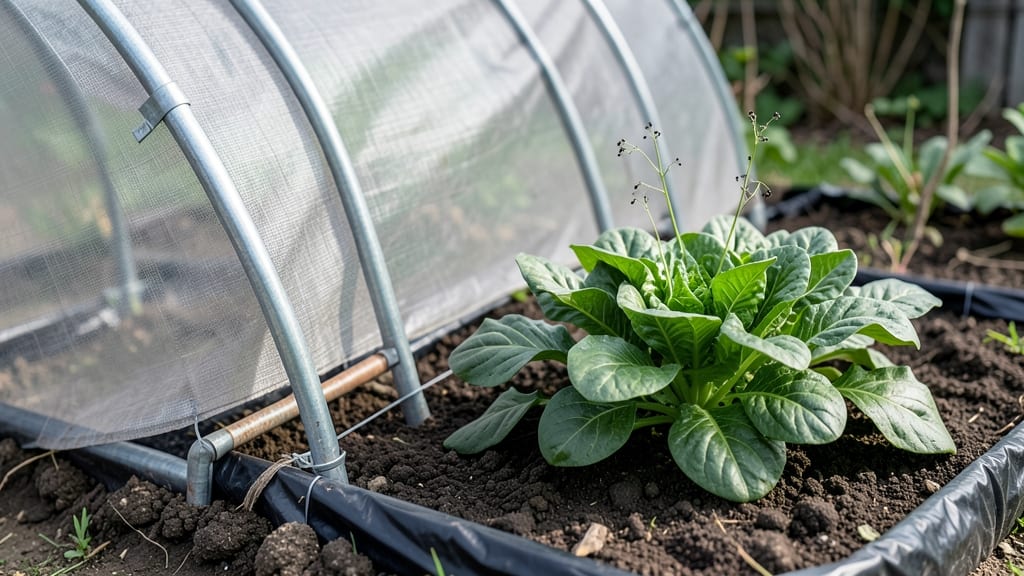
My hoop house shade cloth transformed my summer garden from wilting mess to thriving oasis. 🌱 The secret lies in controlling light intensity—too much sun scorches leaves, while just the right amount boosts growth without stress.
I learned this after watching my tomatoes turn crispy under relentless July heat, and now my plants stay lush while producing bigger yields.
This lightweight fabric blocks 30-50% of sunlight, depending on your needs, and it’s not just about heat—it also protects delicate plants from harsh UV rays and keeps pests like aphids at bay. The best part?
It’s adjustable: roll it up on cooler days or drape it loosely for partial shade. You’ll see the difference within days—plants stay hydrated longer, flowers last longer, and you avoid the heartbreak of sunburnt foliage.
Installation takes less than an hour with basic tools, and the payoff is immediate: fewer wilting leaves, stronger stems, and vegetables that stay crisp. I use it year-round in my vegetable beds, but it’s especially critical during late spring and summer when temperatures spike.
The fabric lasts for years with simple care—just rinse off debris and store it dry when not in use.
Whether you’re growing tomatoes, peppers, or flowers, shade cloth is the unsung hero of summer gardening. It’s not about hiding plants—it’s about giving them the perfect growing conditions. Here’s how to choose the right shade percentage for your crops and keep it working like new all season long.
📚 In This Guide
- What you need
- Instructions
- Tips and common mistakes
- Wrapping up and next steps
What you need
- ● Hoop House Shade Cloth: 1 roll of 50%–90% shade cloth (size depends on hoop house dimensions; common widths: 10–20 ft, lengths: 50–100 ft).
- ● Recommended specs: UV-stabilized, breathable mesh (e.g., Agribon or Lumite).
- ● Hoops (Frame Structure): PVC pipes (½"–1" diameter), galvanized metal pipes, or fiberglass rods (spaced 4–6 ft apart).
- ● Quantity: 1 hoop per 4–6 ft of length (e.g., 10 hoops for a 40-ft hoop house).
- ● Base Anchors: T-posts, stakes, or concrete footings (for stability in windy areas).
- ● Quantity: 1 per hoop (or every 2 hoops for lighter setups).
- ● Fasteners: Zipties, garden staples, or plastic clips (to secure shade cloth to hoops).
- ● Quantity: ~50–100 (depends on cloth size).
- ● Door & Ventilation: 1–2 roll-up doors or zippered panels (for access and airflow).
- ○ Optional: Adjustable vents or mesh screens (to control humidity).
- ● Ground Cover: Landscape fabric or cardboard (to block weeds and retain moisture).
- ● Thermal Blanket: A removable row cover for cooler nights.
- ● Automated Shade: A motorized shade roller (for precise light control).
- ● Weatherproofing: Sealant tape or waterproof glue (to reinforce seams).
Step-by-Step guide to installing hoop house shade cloth for optimal light control
Here's how to set up your hoop house shade cloth like a pro—keeping plants protected while maximizing growth.
🪴 Step 1: Measure and Select Your Shade Cloth Rating
First, determine your climate and plant needs. A 30% shade cloth blocks 30% of sunlight—ideal for hot summers or tender seedlings—while 50% cloth works well in mild zones or for heat-sensitive crops like lettuce. Measure your hoop house's width and height to calculate how much cloth you'll need.
I always add 12-18 inches extra to the width for easy overlap and secure fastening. For height, allow 6-12 inches extra so you can drape it neatly over the hoops without gaps. Mark these measurements on your cloth with a fabric marker before cutting—this prevents mistakes once it's installed.
☀️ Step 2: Install the Hoops and Frame
Position your hoop house hoops 3-4 feet apart along the length, ensuring they're straight and level. Use T-posts or stakes to anchor them firmly into the ground—this keeps the structure stable during wind. Attach the cross beams at the top to connect the hoops, creating a sturdy frame.
Double-check that the hoops are evenly spaced and parallel to each other. Uneven hoops create gaps where shade cloth won't lie flat, letting in too much light in some spots and too little in others. A level tool helps here—take the time to adjust before moving forward.
🌿 Step 3: Secure the Shade Cloth Evenly
Drape the shade cloth over the hoops, starting at one end and working toward the other. Use clothespins, bungee cords, or zip ties to attach it to the hoops every 2-3 feet—this prevents sagging, which can create uneven shade and stress plants below. Leave a 6-inch overhang at the bottom to weigh it down with rocks or soil.
Pull the cloth snug but not taut—you want it to drape naturally without stretching. If it sags too much, add more securing points. Test by walking underneath: if you can see shadows shifting unevenly when you move, adjust the tension until the shade is consistent across the entire structure.
✂️ Step 4: Adjust for Seasonal Light Needs
Check your shade cloth setup every 4-6 weeks—light intensity changes with the seasons. In summer, you might need to add a second layer of cloth or reduce ventilation to keep plants cool. In spring or fall, roll up part of the cloth or remove it entirely for full sun exposure.
Watch your plants for signs of stress: yellowing leaves or stunted growth mean too much shade, while wilting or sunburned foliage signals too much light. A simple light meter (or even your phone's light sensor app) can help you gauge intensity. Adjust in small increments—big changes can shock plants.
💧 Step 5: Maintain for Long-Term Performance
Clean your shade cloth once a month with a soft brush and mild soap to remove dust and debris that block airflow. Rinse thoroughly and let it dry completely before reattaching—moisture trapped in the fabric encourages mold. Store extra cloth in a dry, shaded area when not in use to prevent UV damage.
Inspect the fabric for tears or fraying after each season. UV rays break down shade cloth over time, so replace it every 2-3 years for consistent light control. Keep a spare roll on hand—you’ll thank yourself when a sudden storm tears a hole and you need a quick fix.
Tips & tricks for perfect hoop house shade cloth installation
Here's what nobody tells you about getting that flawless shade cloth setup—tricks that'll save you headaches and keep your plants thriving.
Shade Cloth Selection: The 30% vs. 50% choice isn't just about numbers—it's about your plants' comfort. For heat-sensitive crops like lettuce or basil, I always recommend the 50% cloth in summer, even if your zone suggests 30% would suffice. The extra 20% blockage can mean the difference between crisp leaves and wilted ones during peak afternoon sun. Test your current setup by observing plant stress—if leaves are curling or turning yellow, it's time to increase the shade percentage.
Frame Stability: Don't skip the level tool check in Step 2—this is where most uneven shade problems start. I've seen hoops that looked straight but were actually tilted by 2 degrees, creating gaps where sunlight sneaks in unevenly. Take 5 extra minutes to adjust each hoop until it passes the bubble level test. For extra stability, especially in windy areas, add diagonal cross-bracing between hoops to prevent swaying that can tear your shade cloth over time.
Cloth Tension Tricks: The "snug but not taut" rule in Step 3 is critical, but here's the secret: use a small clothespin to test tension as you work. Clip it to the cloth at mid-height and lift gently—if the cloth stretches noticeably, you've pulled too tight. The perfect tension lets the cloth drape like a loose curtain, allowing natural airflow while maintaining even shade. This prevents the dreaded "shadow stripe" effect where some plants get too much light while others get too little.
Seasonal Adjustment: When checking your setup every 4-6 weeks (Step 4), I keep a simple log of adjustments. Note the date, shade percentage used, and plant responses—this helps you anticipate seasonal changes. For example, if you're in Zone 7, you might find that rolling up the cloth in early spring gives your tomatoes exactly the light they need to thrive without burning. The key is making small, incremental adjustments rather than drastic changes that can shock your plants.
Pro Tips for Hoop House Shade Cloth
- Here's what nobody tells you about getting that flawless shade cloth setup—tricks that'll save you headaches and keep your plants thriving.
- Shade Cloth Selection: The 30% vs.
- Frame Stability: Don't skip the level tool check in Step 2—this is where most uneven shade problems start.
Frequently asked questions
Got questions about hoop house shade cloth? You’re not alone!
Here are answers to the most common concerns—from setup to troubleshooting—to help you get the most out of your light control system.
What shade percentage should I choose for my hoop house?
The ideal shade percentage depends on your plants and climate. 30-50% shade cloth is great for heat-sensitive crops (like lettuce or spinach) in hot summers, while 10-30% works for sun-loving plants (tomatoes, peppers) needing gentle light reduction. Start with 30% and adjust based on plant stress or growth speed.
When is the best time to install shade cloth in my hoop house?
Install shade cloth before extreme heat arrives—typically late spring for most climates. If your plants are already stressed, add it gradually (e.g., 50% first, then full coverage) to avoid shocking them. For winter crops, remove it entirely unless you’re protecting from frost or wind.
Is shade cloth a one-time purchase, or do I need to replace it often?
High-quality shade cloth lasts 3-5 years with proper care. UV-resistant materials (like polyethylene or polyester) degrade slower. Check for yellowing, brittleness, or tears annually. Replace if light transmission drops significantly (test by holding it up to sunlight—if it’s dimmer than expected, it’s time for a new roll!).
Can I use alternatives like row covers or black plastic instead?
Row covers (floating fabric) offer light reduction + pest control but aren’t as durable for long-term shade. Black plastic blocks all light (bad for photosynthesis) and traps heat—use it only for soil warming, not shading. For flexibility, combine shade cloth + mesh for a two-in-one solution!
How do I keep pests out if my shade cloth has holes?
Pests like aphids or spider mites can sneak through tears. Patch holes immediately with duct tape (temporary) or a fabric glue designed for outdoor use. For long-term fixes, layer fine mesh (1/4-inch or smaller) under the shade cloth. Pro tip: Inspect cloth weekly during peak pest seasons (spring/fall).
Should I remove shade cloth in winter?
Yes! Unless you’re protecting from wind or light frost, remove it to maximize winter sunlight for cold-hardy crops. Store it in a dry place to prevent mold. If you’re growing tender greens (like kale) in mild winters, leave 10-20% shade to prevent bolting (premature flowering).
Wrapping up and next steps
Mastering the art of hoop house shade cloth is your secret weapon for healthier, happier plants—no green thumb required! 🌱 By balancing light, temperature, and humidity, you’re not just protecting your crops; you’re optimizing their growth potential.
Whether you’re a seasoned gardener or just starting out, these light control secrets will give you the confidence to experiment and refine your setup.
Ready to take the next step? Start small—test different shade percentages in a corner of your hoop house and observe how your plants respond. Before you know it, you’ll be harvesting bountiful, thriving crops with ease! 🌟