
Flowers
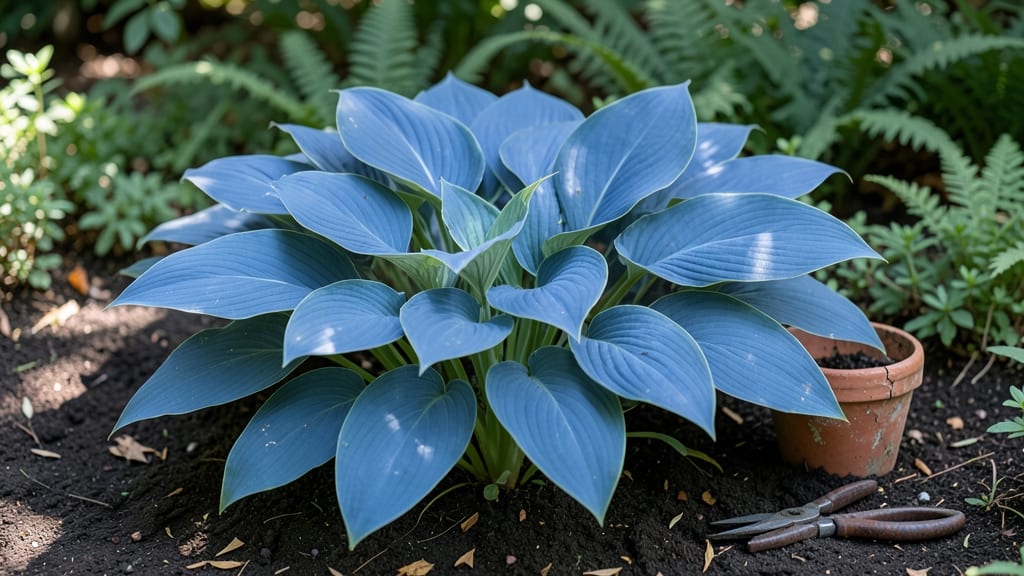
Transform even the trickiest flowers in shaded area into a lush, vibrant display—because deep shade doesn’t mean missing out on bold blooms. for your light conditions. The key is matching plants to your shade type: dappled light, partial shade, or deep shadow.
Hostas and bleeding hearts flourish in full shade, while impatiens and ferns handle bright indirect light. Pair them with foliage plants like heucheras or astilbes for texture, and you’ll create layers that feel lush even without sun.
By summer’s end, you’ll have a garden that blooms from spring to frost—vibrant, fragrant, and full of life. The trick is layering heights and colors: tall foxgloves behind purple bellflowers, with white astilbe spilling over edges. It’s a game-changer for spaces that feel forgotten.
Works for borders, containers, or woodland gardens—just adjust spacing for your shade level. Let’s bring color to those dark corners!
📚 In This Guide
- What you need
- Instructions
- Tips and common mistakes
- Wrapping up and next steps
What you need
- ● Shade-tolerant flower seeds or plants: 10–20 Hosta plants (varieties like ‘Blue Angel’ or ‘Francee’)
- ● 5–10 Bleeding Heart (Dicentra spectabilis) plants
- ● 10–15 Astilbe plants (e.g., ‘Fanal’ or ‘Deutschland’)
- ● 5–8 Hellebore (Lenten Rose) plants (e.g., ‘Black Beauty’)
- ● 10–12 Foxtail Fern (Asparagus densiflorus) for texture
- ● 5–10 Impatiens seeds or seedlings (annual, for quick color)
- ● Soil amendments (per 5-gallon bucket): 2 cups peat moss or coco coir (for moisture retention)
- ● 1 cup compost (well-aged, organic)
- ● ½ cup perlite or vermiculite (for drainage)
- ● Mulch: 2–3 inches of shredded bark or pine straw (to retain moisture and suppress weeds)
- ● Garden trowel or hand shovel
- ● Garden fork (for amending soil)
- ● Pruners (for trimming dead foliage)
- ● Watering can or hose with soaker nozzle (for gentle hydration)
- ● Gloves (to protect hands from thorns or soil)
- ○ Optional: pH test kit (to check soil acidity, ideal range: 5.5–6.5)
- ○ Optional: slow-release fertilizer (e.g., Osmocote, 10–10–10 NPK ratio)
- ● Full or partial shade area (≤ 4 hours of direct sunlight daily)
- ● Well-draining soil (amend if clay-heavy)
- ● Consistent watering schedule (especially during dry spells)
- ● Pro tip: Test your shade level with a shade meter or observe sunlight patterns for 24 hours! 💡
How to select and plant flowers that thrive in deep shade
Deep shade gardens need the right plants to flourish—here’s how to choose and establish them properly.
Choose the Right Shade-Tolerant Flower Varieties
Not all flowers tolerate deep shade, so focus on species that thrive with less than 3 hours of direct sunlight daily. Hostas, astilbes, and hellebores are classic choices, while impatiens and ferns excel in moist, dappled shade. Research each plant’s specific light needs—some, like lungwort, prefer bright shade, while others, like bleeding hearts, do best in deep, filtered light. I always check the plant tag for light requirements before purchasing, as even shade-loving plants can struggle if the environment is too dark.
For year-round color, mix spring bloomers like heuchera with summer favorites such as astilbe and fall interest plants like Japanese anemone. This ensures your garden stays vibrant without gaps. If your area has partial shade (4-6 hours of sun), consider columbine or foxglove, which tolerate slightly brighter conditions. The key is matching the plant’s natural habitat—most deep-shade thrivers come from forest understories where light is filtered through canopies.
Prepare the Soil for Optimal Growth
Shade-loving flowers often struggle in compacted or nutrient-poor soil, so amend the area with 3-4 inches of organic matter like compost or well-rotted leaf mold. I dig this into the top 6-8 inches of soil to improve drainage and aeration, which is critical in shaded spots where water can pool. A soil test will reveal if your garden needs additional amendments, such as lime for acidic-loving plants or peat moss for moisture retention. Avoid heavy clay soils—amending with sand or perlite can prevent root rot.
Mulch the surface with 2-3 inches of shredded bark or wood chips to retain moisture and suppress weeds. Shaded gardens dry out slower than sunny ones, but mulch still helps regulate temperature swings. Replenish mulch annually, as it breaks down over time. If your soil drains poorly, consider raised beds or containers, which give you better control over moisture levels. The goal is to mimic the humus-rich, well-draining conditions these plants prefer in their natural environments.
Plant at the Correct Depth and Spacing
Dig holes twice as wide as the root ball but only as deep as the container’s base—planting too deep can suffocate roots, while too shallow exposes them to temperature fluctuations. Gently remove the plant from its container and loosen any circling roots with your fingers. Place it in the hole so the top of the root ball sits flush with the soil surface—this prevents stem rot from buried stems. Backfill with native soil, pressing lightly to eliminate air pockets but avoiding compaction.
Space plants according to their mature size—crowding leads to poor airflow, increasing the risk of fungal diseases like powdery mildew. For example, astilbes need 18-24 inches apart, while heuchera can be planted 12-15 inches apart. Water deeply after planting to settle the soil and encourage root contact. Avoid fertilizing immediately—newly planted shade flowers need time to establish roots before absorbing nutrients. A light application of balanced fertilizer (10-10-10) after 4-6 weeks gives them a gentle boost without overwhelming them.
Water and Maintain for Long-Term Success
Shade gardens require consistent moisture, especially during dry spells, but avoid soggy soil. Water deeply once or twice a week, depending on rainfall, until the top 2-3 inches of soil feel moist. Drip irrigation or soaker hoses work best, as they deliver water at the root zone without wetting foliage—this reduces fungal issues. In hot, dry climates, early morning watering minimizes evaporation. You’ll know your watering is right when leaves stay crisp and no wilting occurs, even on warm days.
Fertilize lightly in early spring and midsummer with a slow-release, organic fertilizer to avoid burning tender roots. Deadhead spent blooms regularly to encourage prolonged flowering and prevent seed formation, which can weaken the plant. Divide clumping perennials like heuchera or astilbe every 3-4 years to rejuvenate growth—this prevents overcrowding and keeps flowers vibrant. In late fall, apply a 2-inch layer of mulch to protect roots from freezing temperatures, especially in colder climates.
Monitor and Adjust for Seasonal Changes
Shade gardens evolve with the seasons, so check plants monthly for pests or diseases. Slugs and snails are common in moist, shaded areas—handpick them at dusk or use organic barriers like copper tape. Yellowing leaves often signal overwatering or poor drainage, while brown edges may indicate underwatering or salt buildup from fertilizers. Adjust your care routine based on these cues, and don’t hesitate to swap out struggling plants for better-suited varieties if needed.
In late winter, prune dead or damaged stems but avoid heavy cutting—many shade plants bloom on old wood, meaning last year’s growth produces this year’s flowers. Trim only to shape the plant or remove dead foliage. As new growth emerges in early spring, apply a layer of compost to replenish nutrients. With the right maintenance, your deep shade garden will deliver year-round color and texture, proving that even the darkest corners can bloom beautifully.
Tips & tricks for perfect deep shade gardens
Creating a thriving garden in deep shade takes strategy—not just luck. Here’s how to maximize success with the plants you’ve chosen.
Light Nuances Matter: The difference between "deep shade" (less than 3 hours of direct sunlight) and "partial shade" (4-6 hours) can determine which plants thrive. For example, bleeding hearts and Japanese anemones need that filtered light, while hostas and heuchera tolerate even darker corners. I always test my garden’s light conditions by observing how shadows move throughout the day—this helps me place plants precisely where they’ll flourish. If your area gets only 2 hours or less of sunlight, focus on ferns, lungwort, or hellebores, which are the most shade-tolerant.
Soil Science is Everything: The 3-4 inches of organic matter you’re adding to the top 6-8 inches of soil isn’t just about nutrients—it’s about creating the right texture. Shade gardens often have compacted soil that doesn’t drain well, so mixing in sand or perlite is crucial, especially in clay-heavy areas. I recommend testing your soil’s pH too; acid-loving plants like azaleas (if you’re expanding beyond the core list) need lime adjustments, while others prefer neutral soil. A simple soil test kit from your local garden center solves this mystery in minutes.
Planting Depth and Spacing Secrets: When you’re placing your heuchera or astilbe, remember that the top of the root ball should sit flush with the soil surface—not buried or exposed. Buried stems rot, while exposed roots dry out. For spacing, think of mature size: astilbes need 18-24 inches apart to prevent overcrowding, but heuchera can handle 12-15 inches. I mark planting spots with stakes before digging to avoid misjudging distances. Pro tip: Group plants with similar water needs together—this makes maintenance a breeze.
Watering Wisdom for Shade: The top 2-3 inches of soil should feel moist after watering, but soggy soil is just as deadly as dry. Drip irrigation or soaker hoses are your best friends here because they deliver water directly to the roots without wetting leaves—this prevents fungal diseases like powdery mildew, which thrive in damp foliage. In hot, dry climates, water in the early morning to minimize evaporation. And here’s a trick I learned the hard way: leaves that stay crisp and no wilting are your cues that you’ve got the watering routine right.
Pro Tips for Flowers In Shaded Area
- Creating a thriving garden in deep shade takes strategy—not just luck. Here’s how to maximize success with the plants...
- Light Nuances Matter: The difference between "deep shade" (less than 3 hours of direct sunlight) and "partial shade" ...
- Soil Science is Everything: The 3-4 inches of organic matter you’re adding to the top 6-8 inches of soil isn’t just a...
Frequently asked questions
Got questions about bringing vibrant blooms to shady spots? You’re not alone!
Here are answers to the most common queries about growing flowers in shaded areas—so you can enjoy lush color without the fuss.
What are the easiest flowers to grow in deep shade?
Look for shade-tolerant varieties like bleeding heart (Dicentra spectabilis), hostas (Hosta spp.), heucheras (Heuchera spp.), and impatiens (Impatiens walleriana). These thrive with 3–6 hours of indirect light and minimal maintenance. For deep shade (under 3 hours of light), try foamflower (Tiarella cordifolia) or Japanese painted fern (Athyrium niponicum) for foliage interest.
How long does it take for flowers to bloom in shaded areas?
Timing varies! Annuals like impatiens often bloom within 6–8 weeks of planting. Perennials (e.g., hostas, astilbes) may take 1–2 years to establish and flower fully. Bulbs like snowdrops (Galanthus) can bloom as early as fall/winter in shaded spots. Patience pays off—shade gardens build slowly but reward you with long-lasting beauty!
Do shaded flowers need special watering?
Yes! Shaded soil stays moist longer, but overwatering can suffocate roots. Water deeply 1–2 times per week (adjust for rain) and ensure containers or beds have good drainage. Mulch (2–3 inches) helps retain moisture and regulate soil temp. Morning watering prevents fungal issues like powdery mildew.
Can I grow flowers in shaded areas without sunlight?
While full shade (no direct light) limits options, you can still create stunning displays with foliage plants (e.g., ferns, caladiums) and low-light flowers like lungwort (Pulmonaria) or toad lilies (Tricyrtis). For artificial light, place grow lights 6–12 inches above containers (12–16 hours/day) to boost blooms.
Why aren’t my shaded flowers blooming?
Common culprits:
- Too little light: Move plants to a slightly brighter spot (e.g., dappled shade near a tree).
- Over-fertilizing: Shade-lovers need low-phosphorus fertilizer (e.g., 5-10-5 ratio) to encourage foliage over flowers.
- Root-bound or crowded: Divide perennials every 3–4 years or repot annuals if roots circle the container.
- Wrong variety: Some "shade" plants (like coleus) focus on leaves, not blooms.
Wrapping up and next steps
Transforming shaded spots into vibrant gardens is easier—and more rewarding—than you think! 🌿 With the right flowers in shaded areas, you can enjoy lush, year-round color without battling harsh sunlight.
Whether you’re a seasoned gardener or just starting, these deep-shadow thrivers prove that beauty blooms even in the quietest corners of your yard.
Ready to take the next step? Start small: Pick 1-2 plants from this guide, test your soil, and watch your garden transform. Happy gardening! 🌸