
Companion Plants
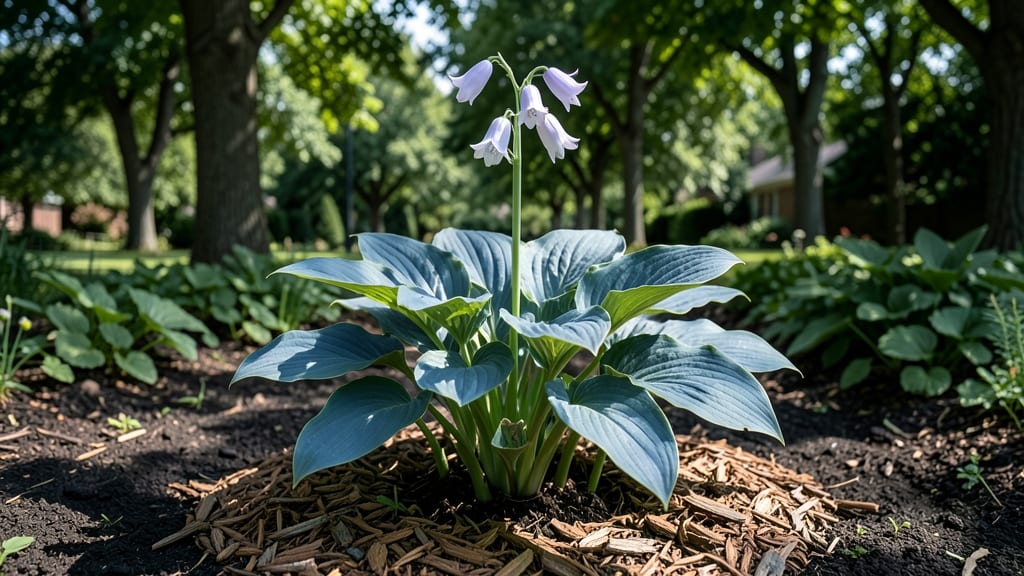
Massachusetts' deep shade gardens can still burst with life—native evergreens like inkberry and wintergreen prove it. 🌿 I've watched these plants transform dull corners into lush, year-round habitats that support pollinators even when snow blankets the ground.
The secret lies in their deep roots and adaptability to our rocky, acidic soils.
These plants aren't just survivors—they're showstoppers. Inkberry's glossy black berries feed birds through winter, while wintergreen's minty scent and delicate white flowers create a woodland carpet. For taller shade, try serviceberry with its white spring blooms and edible berries, or witch hazel with its dramatic winter flowers.
All thrive where most plants would struggle.
You'll end up with a garden that stays vibrant through all four seasons, requires minimal maintenance, and supports local ecosystems. The foliage textures—from fine fern fronds to broad hosta leaves—create natural layers that cast dappled shadows perfect for understory plants. Plus, these natives need no fertilizer or special soil prep.
Perfect for woodland gardens, foundation plantings, or under mature trees. Start with just one or two species to test your shade conditions, then expand as you see what thrives. Your shaded areas will never look dull again.
📚 In This Guide
- What you need
- Instructions
- Tips and common mistakes
- Wrapping up and next steps
What you need
- ● Native shade plants (5–20 plants, depending on garden size): Partridgeberry (Mitchella repens) – 5–10 plants
- ● Wild Ginger (Asarum canadense) – 3–5 plants
- ● Alum Root (Heuchera americana) – 3–5 plants
- ● Foamflower (Tiarella cordifolia) – 5–10 plants
- ● Christmas Fern (Polystichum acrostichoides) – 3–5 plants
- ● Soil amendments: Compost (2–3 cubic yards, depending on garden size)
- ● Leaf mold or well-rotted wood chips (1–2 bags)
- ● Tools: Garden trowel (for planting small plants)
- ● Garden fork or spade (for amending soil)
- ● Pruners (for trimming or dividing plants)
- ● Measuring tape or ruler (for spacing plants)
- ● Gloves (to protect your hands)
- ● Watering supplies: Watering can or hose with a gentle spray nozzle
- ○ Drip irrigation kit (optional but helpful for deep shade areas)
- ● Mulch (pine needles, cedar chips, or shredded bark – 2–3 bags)
- ● Slow-release fertilizer (balanced, 10-10-10 or organic options like fish emulsion)
- ● Plant markers (to label native species)
- ● Ground cover fabric (for weed suppression in the first year)
- ● Native wildflower seeds (for future pollinator support, e.g., Trillium or Bloodroot)
Step-by-Step guide to planting native shade plants in Massachusetts
Here’s how to create a lush, low-maintenance woodland garden using cold-hardy evergreens that love deep shade.
🌱 Step 1: Choose the Right Native Species for Your Site
Massachusetts’ deep shade gardens thrive with plants like inkberry holly (Ilex glabra), mountain laurel (Kalmia latifolia), and wintergreen (Gaultheria procumbens). These species handle our cold winters and acidic soils naturally. I always check the USDA Hardiness Zones 3-6 range for each plant—most native Massachusetts shade plants fit right in.
Look for evergreen options if you want year-round interest, or semi-evergreen types like foamflower (Tiarella cordifolia) for seasonal color. I like to mix textures—inkberry holly provides glossy leaves, while mountain laurel offers bold, waxy blooms. Plant labels often note shade tolerance, but I double-check with local nurseries for regional varieties.
🪴 Step 2: Prepare the Soil for Acid-Loving Plants
Most native Massachusetts shade plants prefer acidic soil (pH 4.5-6.0). Test your soil first—if it’s alkaline, amend with peat moss or composted pine needles to lower the pH. I spread a 2-inch layer of organic mulch (like shredded bark or leaf mold) over the planting area to retain moisture and gradually improve acidity.
Dig planting holes twice as wide as the root ball but only as deep. Loosen the soil at the bottom of the hole to encourage root spread. If your soil is heavy clay, mix in sand or perlite to improve drainage—native plants hate soggy roots. Water the hole deeply before planting to help settle the soil.
☀️ Step 3: Plant for Layered Depth and Seasonal Interest
For a 4-plant woodland garden, I arrange species by height: taller mountain laurel (3-6 ft) at the back, mid-height inkberry holly (3-5 ft) in the middle, and low-growing wintergreen (6-12 in) in front. Space plants 3-5 feet apart—native shade plants spread slowly but fill in over time.
Plant in early spring or fall when temperatures are mild. Remove the plant from its container and loosen roots if they’re circling. Place it in the hole so the top of the root ball sits level with the ground—burying too deep can suffocate stems. Backfill with native soil, pressing gently to remove air pockets. Water thoroughly to help roots settle.
💧 Step 4: Mulch and Water for First-Year Establishment
Spread 3-4 inches of mulch (like pine straw or hardwood chips) around each plant, keeping it 2 inches away from stems to prevent rot. Mulch keeps roots cool in summer and insulated in winter. Water deeply once a week during the first growing season—native plants are drought-tolerant once established, but young roots need consistent moisture.
I check soil moisture by sticking my finger 2 inches down—if it’s dry, water slowly until moisture reaches 6 inches deep. Avoid overhead watering, which can spread fungal diseases in dense shade. After the first year, most native shade plants require little to no supplemental watering once roots spread.
✂️ Step 5: Prune and Maintain for Long-Term Health
Prune mountain laurel in late winter to remove dead or crossing branches—this keeps the plant open for airflow and sunlight penetration. For inkberry holly, I trim lightly in early spring to shape the shrub and encourage dense growth. Wintergreen rarely needs pruning, but I remove spent flower stalks in early spring to keep the plant tidy.
Fertilize only if growth is weak—native plants thrive in lean soil. If needed, apply a light layer of compost in early spring. Monitor for pests like spider mites (common in dry shade) and treat with neem oil if necessary. Most native Massachusetts shade plants are pest-resistant, but I keep an eye out for leaf spot in humid summers.
Tips & tricks for perfect native shade plant gardens in Massachusetts
Creating a thriving woodland garden takes more than just planting—these insider tricks will help your native evergreens establish strong roots and flourish in deep shade.
Species Selection Wisdom: When choosing between inkberry holly and mountain laurel, consider their growth habits. Inkberry holly grows more slowly (3-5 feet) and handles wetter soils better, while mountain laurel (3-6 feet) thrives in drier, well-drained spots. For maximum impact, pair them with wintergreen (6-12 inches) at the front—its creeping habit creates a lush ground cover that suppresses weeds naturally. I always verify plants are labeled "native to Massachusetts" at local nurseries to ensure they'll adapt well to our climate.
Soil Prep Secret: The 2-inch layer of organic mulch mentioned in Step 2 works wonders, but here's the pro move: mix equal parts peat moss and composted pine needles into your planting holes. This creates an instant acidic environment (pH 4.5-6.0) that native plants crave. For heavy clay soils, add perlite to improve drainage—native plants will reward you with healthier growth when their roots aren't waterlogged. Test your soil first using a simple home kit available at garden centers.
Planting Depth Caution: Getting the planting depth right is crucial—burying too deep can suffocate stems while planting too shallow exposes roots. I use a simple trick: place the plant in the hole, then draw a line on the pot at soil level. When you remove it, this line shows exactly where the top of the root ball should sit. For container-grown plants, gently squeeze the root ball to check for air pockets before planting—this helps roots settle immediately.
Mulching Mastery: The 3-4 inch mulch layer is perfect, but here's how to make it even more effective: use pine straw for its natural acidity and weed-suppressing properties, especially around wintergreen. Keep mulch 2 inches away from stems to prevent rot, and refresh it annually in early spring. This creates a protective microclimate that keeps roots cool in summer and insulated in winter—exactly what native Massachusetts plants need to thrive in deep shade.
Pro Tips for Native Shade Plants Massachusetts
- Creating a thriving woodland garden takes more than just planting—these insider tricks will help your native evergree...
- Species Selection Wisdom: When choosing between inkberry holly and mountain laurel, consider their growth habits. Ink...
- Soil Prep Secret: The 2-inch layer of organic mulch mentioned in Step 2 works wonders, but here's the pro move: mix e...
Frequently asked questions
Got questions about native shade plants for Massachusetts?
You’re not alone! Here are answers to the most common queries to help you choose and care for cold-hardy evergreens that thrive in deep shadows.
What are the best low-maintenance native shade plants for Massachusetts?
Look for Pachysandra procumbens (Allegheny spurge), Mitchella repens (partridgeberry), or Dentaria laciniata (cut-leaved toothwort). These are tough, deer-resistant, and require minimal upkeep once established. Learn more about their care.
When is the best time to plant native shade plants in MA?
Fall (September–October) is ideal—soil is warm, and roots can establish before winter. Spring (April–May) works too, but avoid planting in extreme heat or frost. Check local frost dates for your zone.
Can I grow native shade plants in containers?
Yes! Many, like Heuchera americana (Alumroot) or Asarum canadense (wild ginger), thrive in containers with well-draining soil. Use a mix of native compost and peat moss, and ensure pots have drainage holes. See container gardening tips.
Are there deer-resistant native shade plants for MA?
Actaea rubra (red baneberry), Smilacina racemosa (false Solomon’s seal), and Viburnum lentago (nannyberry) are often ignored by deer. Pair them with ferns or Cornus canadensis (bunchberry) for extra protection.
Why are my native shade plants turning yellow or wilting?
Yellowing leaves often signal overwatering or poor drainage. Wilting could mean drought stress or root damage. Check soil moisture (shade plants prefer consistently moist but not soggy conditions) and mulch with leaf litter to retain moisture. Diagnose plant issues.
Wrapping up and next steps
Transforming your Massachusetts shade garden into a lush, low-maintenance oasis is easier than you think! 🌿 By choosing native evergreens like inkberry, wintergreen, or ferns, you’re not only supporting local ecosystems but also creating a stunning, year-round display.
These cold-hardy plants adapt effortlessly to deep shadows, saving you time and water while adding beauty to your space.
Ready to get started? Pick one or two plants to begin—whether it’s a bold hemlock for height or delicate foamflower for texture—and watch your garden thrive with minimal effort. Happy planting! 🌱