
Light Requirements
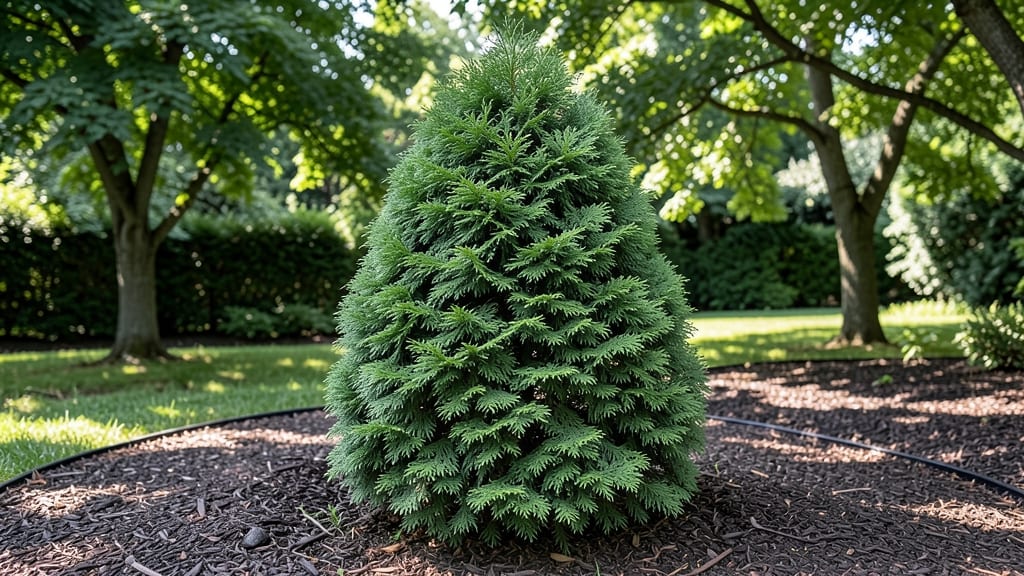
Cedar trees can grow in shade, though their growth rate and full potential depend on how much light they receive 🌲 — some varieties handle low-light conditions better than others.
If your yard is shaded by towering oaks or neighboring buildings, you might assume cedar trees are off-limits—but some varieties thrive where others fail. Discover which cedar trees not only survive but flourish in low-light conditions, and how to maximize their growth potential.
While cedars like Eastern Red Cedar and Western Red Cedar can adapt to partial shade, they’ll grow slower and may develop sparse foliage if deprived of even 4-6 hours of sunlight daily.
The good news? With the right care—like well-draining soil and strategic pruning—you can still coax a healthy, sturdy tree from a shady spot.
Below, I’ll break down the best shade-tolerant cedar varieties, how to prep your site for planting, and the small tweaks that make all the difference in slow-growth but resilient cedars.

Best cedar tree varieties for shady gardens
If you love the look of cedar trees but your garden gets little sunlight, don’t give up hope! While many cedars prefer full sun, some varieties adapt beautifully to shade conditions.
The key is choosing the right species and understanding their unique growth habits. Eastern Red Cedar and Western Red Cedar are two standout options, but even within these, shade tolerance varies. Let’s explore which cedars thrive in low-light settings and how they compare to sun-loving cousins.
Cedar trees are often praised for their drought tolerance and low-maintenance nature, but their light needs can differ dramatically. In deep shade, growth may slow, and foliage might become sparse—but the right variety can still create a lush, aromatic focal point.
For example, Eastern Red Cedar (Juniperus virginiana) handles partial shade better than its sun-loving relatives, while Western Red Cedar (Thuja plicata) can adapt to filtered light with proper care. Let’s break down the best options for your shaded garden.
⚠️ NON-NEGOTIABLE: The comparison table below highlights shade-tolerant cedar varieties, their mature sizes, and ideal light conditions. Use this as your guide to pick the perfect fit for your garden’s lighting.
| Variety | Mature Height (ft) | Shade Tolerance | Growth Rate | Best For |
|---|---|---|---|---|
| Eastern Red Cedar (Juniperus virginiana) | 30-40 ft | Partial shade (4-6 hrs sun) | Moderate (1-2 ft/year) | Privacy screens, wildlife habitat |
| Western Red Cedar (Thuja plicata) | 40-75 ft | Full to partial shade (tolerates deep shade) | Slow (6-12 in/year) | Moist gardens, large landscapes |
| Dwarf Alberta Spruce (Picea glauca 'Conica') | 10-15 ft | Partial shade (thrives in shade) | Very slow (2-4 in/year) | Container gardens, small yards |
| Leyland Cypress (x Cupressocyparis leylandii) | 60-70 ft | Partial shade (avoid deep shade) | Fast (3-5 ft/year) | Privacy hedges, windbreaks |
The Eastern Red Cedar is a top pick for shaded gardens because it tolerates partial shade while still producing its signature blue-green foliage. Unlike sun-loving varieties, it won’t grow as tall or dense in deep shade, but it remains a hardy, aromatic choice.
For moisture-rich areas, the Western Red Cedar is unmatched—it can handle full shade and even thrives near water features, making it ideal for woodland gardens.
If space is limited, consider dwarf varieties like the Dwarf Alberta Spruce, which grows just 10-15 feet tall but still delivers year-round interest. These compact cedars are perfect for container gardening or small yards where full-sized trees won’t fit.
Just remember: even shade-tolerant cedars need some light to maintain their signature color and density. Plant them near a north-facing window or under high-canopy trees to ensure they get filtered sunlight.
One common misconception is that all cedars grow the same in shade. In reality, growth rates slow significantly in low-light conditions, and foliage may become sparser or lighter in color. For example, a Leyland Cypress in deep shade might grow only half as fast as one in full sun.
To counteract this, focus on soil health—amend with compost or organic matter to improve nutrient uptake. A well-fed cedar in shade will outperform a neglected one in full sun!
For urban gardens with limited space, columnar cedars like the Emerald Green Arborvitae (Thuja occidentalis 'Smaragd') are excellent choices. They tolerate partial shade and grow in a narrow, upright form, making them ideal for tight spaces.
Pair them with hostas or ferns to create a layered, shade-friendly landscape that feels lush and intentional.
When selecting a cedar for shade, also consider wind exposure. Shade-grown cedars are more susceptible to windburn because their foliage isn’t as dense.
If your garden is windy, choose a sheltered spot or opt for a thicker-foliaged variety like the Eastern Red Cedar, which holds up better in breezy conditions. A little extra protection can mean the difference between a thriving tree and one struggling to establish.
Finally, don’t overlook the aromatic benefits of cedar trees in shaded areas. Their pine-scented foliage repels pests naturally, making them a great companion plant for vegetable gardens or flower beds in low-light zones. Plus, their evergreen needles
How to optimize cedar tree growth in low-light conditions
Cedar trees can thrive in low-light conditions, but their success depends on a few key adjustments to your standard care routine. When planted in partial shade (3-6 hours of sunlight), cedars like Eastern Red Cedar and Thuja occidentalis will grow slower but maintain their structural integrity.
The trick is to mimic their natural forest understory environment where they evolved to survive with filtered light.
Start by selecting the right variety for your shade level. Dwarf cedars such as 'Emerald Green' or 'Golden Globe' are excellent choices for deep shade, while standard varieties like Western Red Cedar tolerate moderate shade better.
Even in low light, cedars need well-draining soil to prevent root rot—a common issue in shaded, moist areas.
⚠️ callout warning
Yes, but with compromises. Cedar trees in deep shade (less than 3 hours of light) will experience:
- Stunted growth (expect 30-50% slower height increase)
- Sparse foliage (needles may thin out on lower branches)
- Weak wood structure (higher risk of breakage in storms)
Solution: Supplement with artificial grow lights (12-14 hours/day) for young seedlings or transplant to a slightly sunnier spot after 2 years.
Prepare the planting site by amending the soil with organic matter like compost or peat moss to improve drainage. Cedar trees hate soggy roots, so avoid planting in areas where water pools after rain. If your soil is heavy clay, mix in sand or perlite to create a looser texture.
A 6-inch layer of mulch around the base will help retain moisture while preventing weeds from competing for nutrients.
Watering schedules change in shade. Since shaded areas dry out slower, reduce frequency to every 10-14 days for mature trees (vs. weekly in full sun). Newly planted cedars still need weekly deep watering for the first year to establish roots.
Always water at the base of the tree in the morning to allow foliage to dry before evening—a critical step to prevent fungal diseases like cedar blight.
Pruning in shade requires a gentler approach. Focus on removing dead or crossing branches in early spring to encourage new growth. Avoid heavy pruning, which can stress shade-adapted cedars. If your tree develops yellowing needles, it may signal nutrient deficiency (common in shade).
Apply a balanced fertilizer (10-10-10) in early spring and repeat every 2-3 years for mature trees.
Monitor your cedar’s health by checking for pest activity—shaded trees are more vulnerable to spider mites and scale insects due to reduced natural predators. Spray with neem oil or introduce beneficial insects like ladybugs if you spot early signs.
With these adjustments, your shade-loving cedar will grow into a hardy, long-lived specimen that outlasts many sun-dependent plants.