
Plants
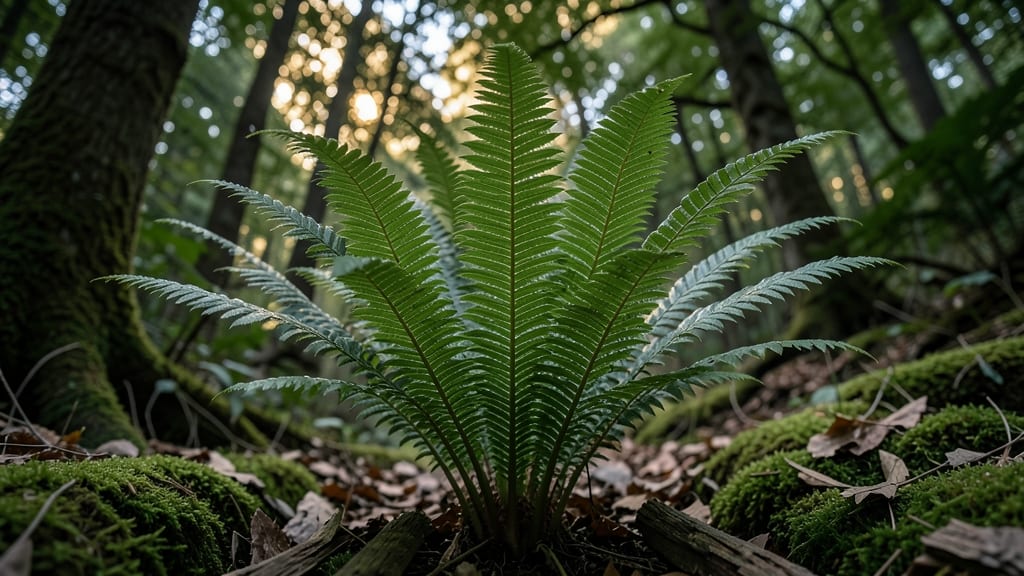
Struggling to keep your shaded garden vibrant? These 10 lush green plants thrive in low-light conditions, offering year-round foliage and minimal maintenance while adding texture and depth to your outdoor space.
Hostas for Textured Low-Light Gardens
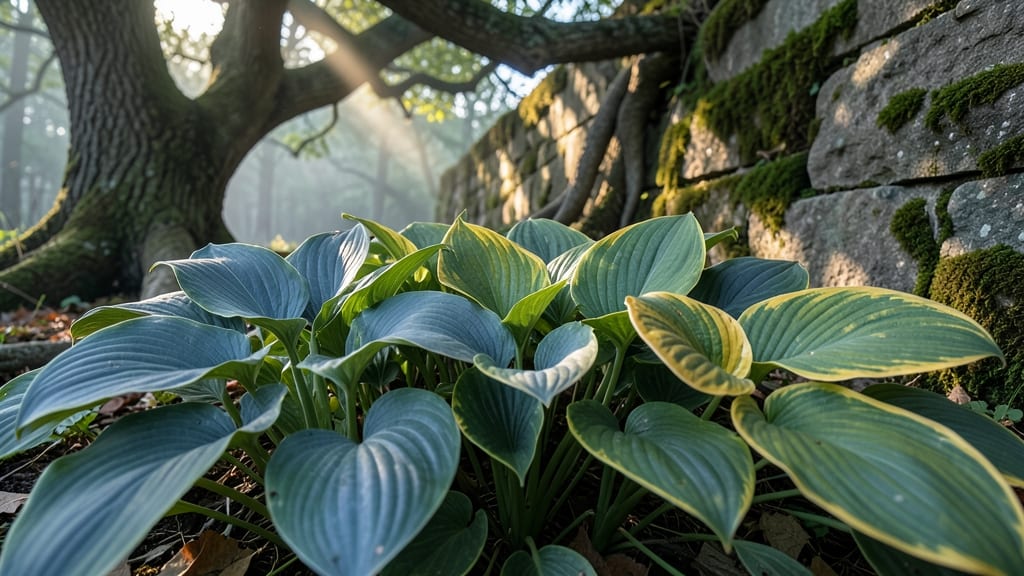
If you’ve ever struggled to keep plants alive under trees or on north-facing walls, hostas are your secret weapon. These low-maintenance perennials offer bold, textured foliage in shades of blue, green, chartreuse, and even gold—all while thriving in dappled shade where most plants give up.
Hostas grow best in moist, well-draining soil with partial to full shade, making them perfect for woodland gardens, foundation plantings, or even container growing. Choose varieties like 'Blue Angel' for deep purple hues or 'Francee' for striking variegation. With minimal care—just regular watering and occasional division every few years—you’ll enjoy lush, thriving plants year after year.
This makes hostas ideal for beginners or busy gardeners who want instant impact without the fuss. Their versatility also lets you mix and match shades for a layered, dynamic look. 💚
Ferns for Delicate Shade Beauty
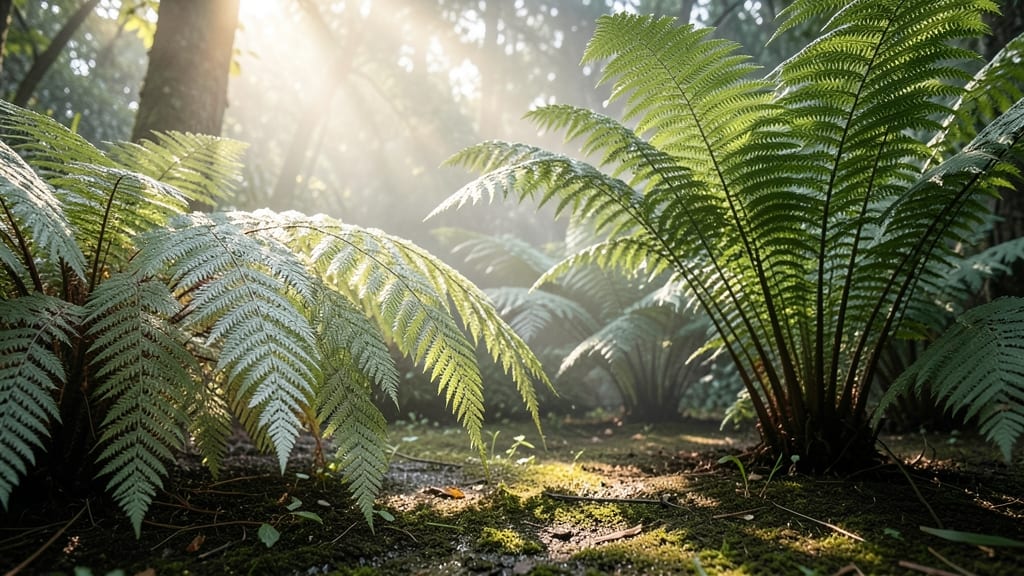
Want to transform your shady garden corner into a lush, almost magical retreat? Ferns like maidenhair and ostrich fern are your secret weapon—their delicate, feathery fronds create a dreamy, woodland backdrop that thrives where most plants struggle.
These shade specialists love moist, well-draining soil and prefer dappled to full shade, making them perfect for under trees or north-facing beds. Maidenhair ferns add a fine, lace-like texture, while ostrich ferns bring bold, arching fronds for drama. Mulch around their bases to retain moisture and keep roots cool—especially in hot climates.
Ferns are ideal for gardeners who love low-maintenance elegance and want to fill those tricky shaded spots with life. They also help suppress weeds naturally, making them a win-win for busy gardeners. 🌿
Hellebores for Winter and Spring Color
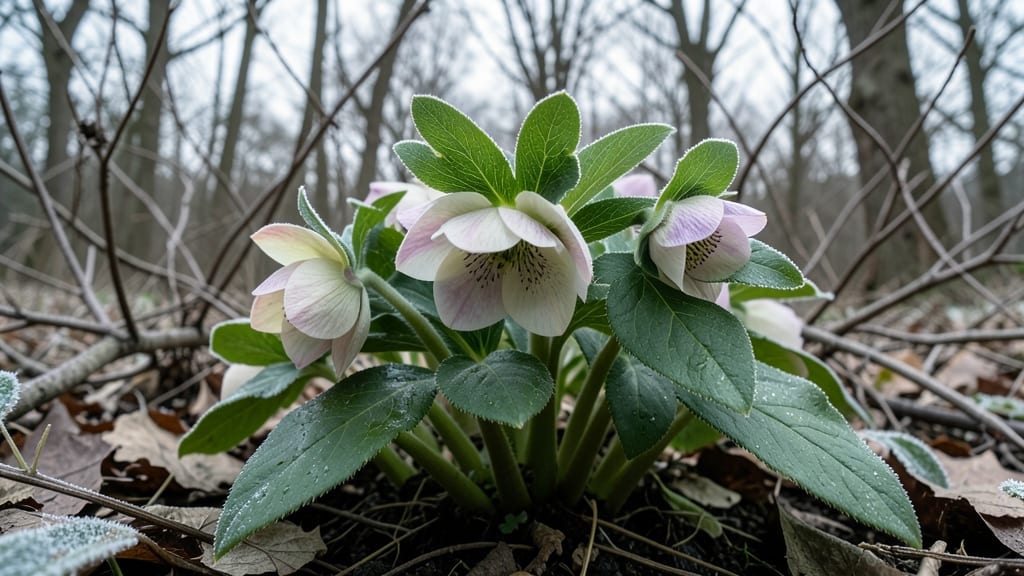
When winter seems endless and most gardens are dormant, helleborus (commonly called Lenten rose) bursts onto the scene with its delicate blooms, offering a splash of color when you need it most. Unlike many shade plants that focus solely on foliage, hellebores deliver late winter to early spring flowers while keeping their glossy green leaves year-round—making them a true four-season performer.
These hardy perennials thrive in partial to full shade and tolerate a wide range of soil types, though they prefer well-draining, humus-rich conditions. Plant them in fall for best results, spacing them about 12-18 inches apart to give their broad leaves room to spread. Deadhead spent blooms to encourage more flowers, but leave the foliage until it yellows naturally in late spring—it’s their energy source for next year’s blooms.
Perfect for gardeners who crave early color, hellebores are also deer-resistant and low-maintenance, making them ideal for woodland gardens, under trees, or as striking focal points in shaded borders. 🌷
Caladiums for Tropical Shade Drama
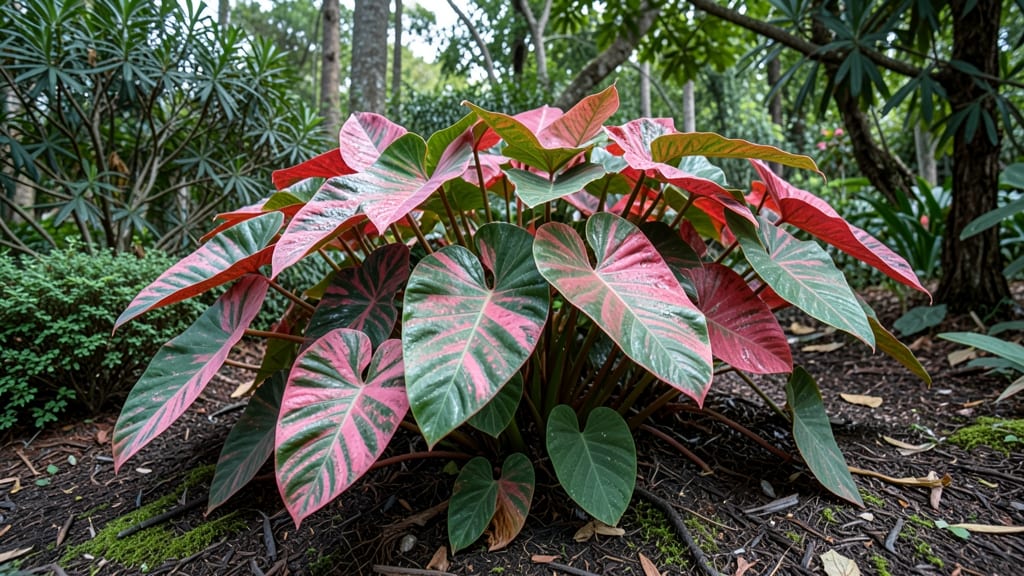
Tired of dull, lackluster shade gardens? Caladiums bring the drama with their vibrant, heart-shaped leaves that burst in colors like pink, red, and deep green—all while thriving where most plants fade. These tropical beauties love humidity and shade, making them perfect for understory plantings, patios, or containers in hot, moist climates.
Caladiums prefer bright, indirect light and well-draining, moist soil—think of them as the divas of shade gardens. Plant them in spring after the last frost, spacing tubers 12 inches apart for a lush display. Mulch heavily to retain moisture and protect their tender roots. Varieties like 'White Queen' or 'Pink Beauty' offer striking contrasts, while 'Black Stem' adds a moody twist.
Urban gardeners and container enthusiasts will love caladiums—they’re ideal for adding instant color to balconies or shaded courtyards. Just remember: they’re tender perennials, so dig up tubers in fall before frost. For a tropical escape without the sun, these are your go-to plants. ✨
Astilbes for Feathery Shade Elegance
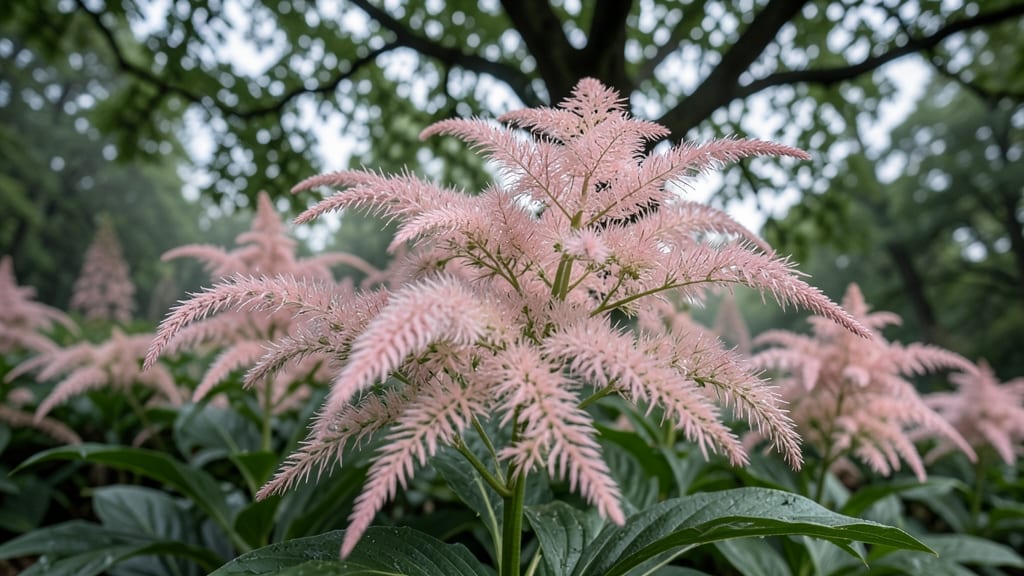
Looking for a shade plant that dances with the breeze while adding delicate color to your garden? Astilbes are the answer—these airy, plume-like blooms sway gently in partial to full shade, creating a dreamy, romantic effect that other shade plants simply can’t match.
Available in soft hues of pink, white, or red, astilbes thrive in moist, well-draining soil and prefer cooler climates, making them perfect for northern gardens or shaded borders. Their feathery foliage stays lush year-round, and they bloom prolifically in late spring to early summer, often reblooming in fall. For best results, plant them in groups of three or more to create a stunning visual impact, and keep the soil consistently moist—especially during their blooming season.
This makes astilbes ideal for gardeners who want elegant movement without high maintenance, whether planted along garden edges, in woodland settings, or even in containers for patio charm. Their soft plumes also pair beautifully with hostas or ferns for layered shade gardens. ✨
Japanese Painted Ferns for Unique Patterns
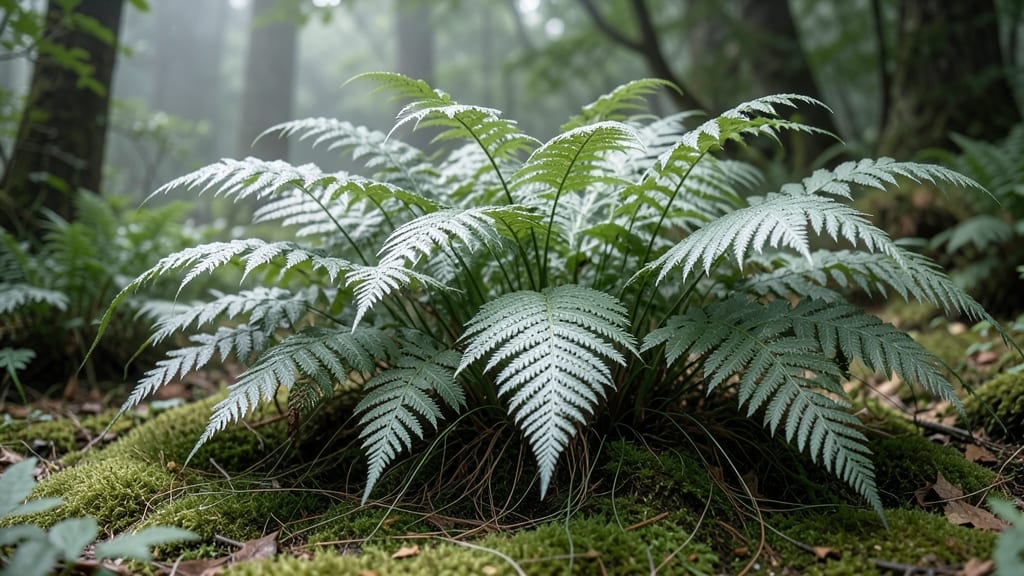
Looking for a shade plant that feels like a living work of art? Japanese painted ferns (Athyrium niponicum) deliver intricate silver-and-green foliage patterns that catch the light like stained glass—without needing a single ray of direct sunlight. Their delicate, lacy fronds create movement even on still days, making them perfect for adding visual intrigue to containers, borders, or woodland gardens.
These ferns thrive in partial to full shade and prefer moist, well-draining soil enriched with organic matter. Varieties like 'Pictum' or 'Ghost' showcase stunning silver patterns that intensify in cooler weather. For containers, choose smaller varieties and use a mix of peat moss and perlite to prevent waterlogging. Deadhead old fronds in early spring to encourage fresh growth, and mulch annually to retain moisture.
Urban gardeners and small-space enthusiasts will love how these ferns adapt to pots, while woodland gardeners can use them to create layered, textured borders. Their year-round interest makes them a standout choice for adding elegance to any shaded area with minimal effort. 🌟
Lungwort for Medicinal and Ornamental Value
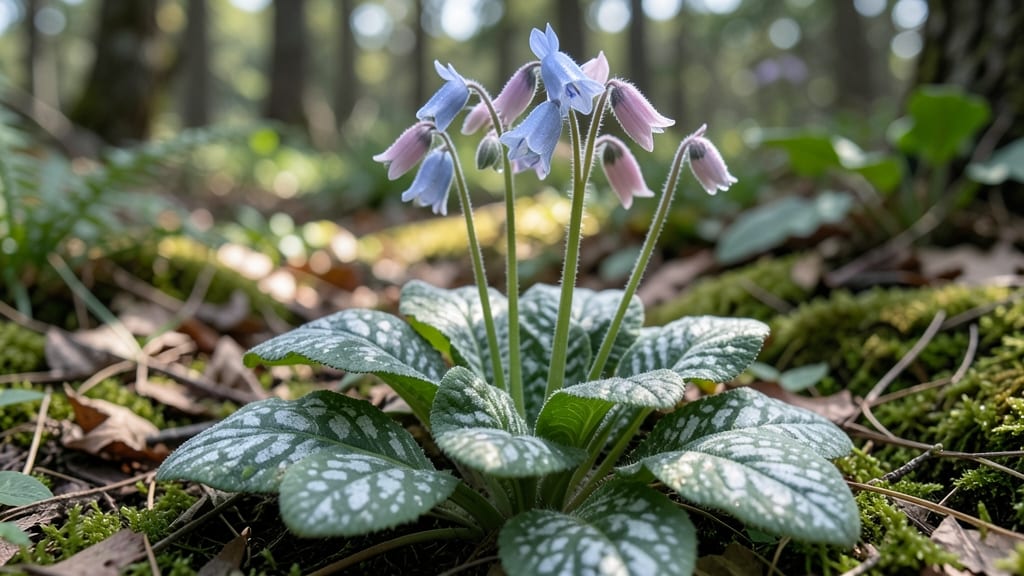
If you love plants with a touch of history and healing power, lungwort (Pulmonaria) is a must-have for your shaded garden. This underrated perennial offers silvery-spotted leaves and delicate blue or pink flowers that bloom early in spring, making it a standout in woodland settings or understory plantings.
Lungwort thrives in partial to full shade and prefers moist, well-draining soil, though it’s quite adaptable once established. Its medicinal history—used traditionally for respiratory ailments—adds a layer of intrigue, while its low-maintenance nature makes it perfect for busy gardeners. Simply divide clumps every few years to keep plants vigorous, and enjoy its year-round interest with evergreen foliage that turns green after flowering.
Perfect for herbalists, woodland gardeners, or anyone who loves plants with character, lungwort brings both beauty and a whisper of history to shaded corners. 🌷
Sweet Woodruff for Fragrant Ground Cover
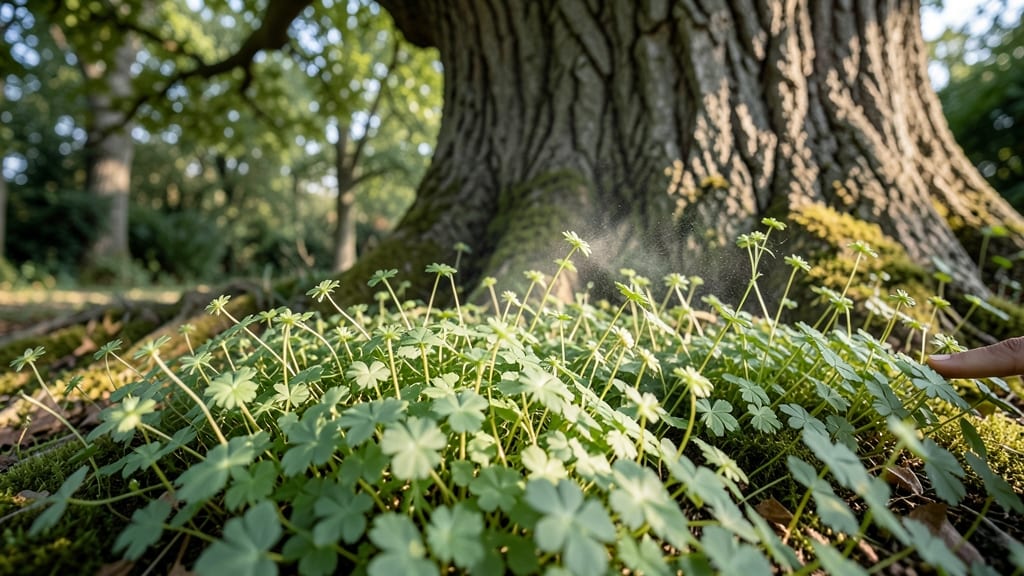
Want to turn your shady garden into a fragrant retreat? Sweet woodruff (Galium odoratum) is your secret weapon—a delicate ground cover that releases a vanilla-like scent when brushed against, perfect for shaded borders or under trees where other plants struggle.
This hardy perennial thrives in partial to full shade and spreads gently to form a lush, weed-suppressing carpet. Its tiny white flowers appear in spring, followed by fragrant foliage that lasts all season. Plant it in moist, well-draining soil and divide clumps every few years to keep it vigorous. Pair it with hostas or ferns for a layered, sensory-rich shade garden.
Ideal for gardeners who love low-maintenance fragrance, sweet woodruff also attracts pollinators early in the season. Crush a leaf to enjoy its sweet aroma—nature’s free perfume! 🌿
Tiarella for Foamy Flowering Beauty
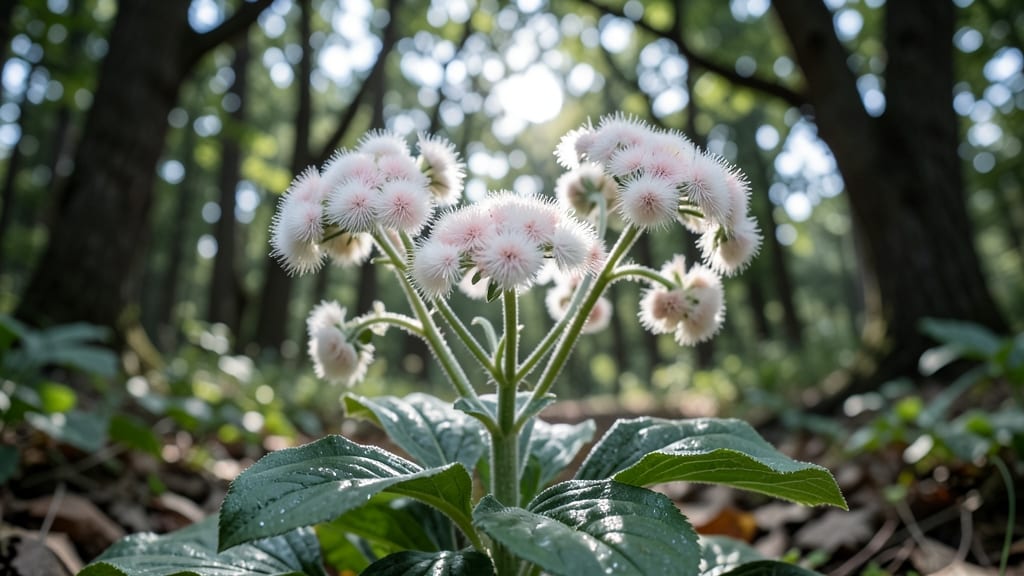
Want to add a touch of ethereal charm to your shaded garden without sacrificing foliage interest? Tiarella (foamflower) delivers frothy, cloud-like blooms in white or soft pink that float above its glossy green leaves—like tiny cotton puffs in a woodland scene. This understory gem thrives where others falter, making it perfect for those tricky spots under trees or along north-facing walls.
Tiarella flourishes in moist, well-draining soil with partial to full shade, creating a stunning contrast when paired with darker foliage like hostas or ferns. Its spring blooms (March-April) last for weeks, followed by attractive seed heads that add winter interest. For best results, mulch heavily to retain moisture and divide clumps every 3-4 years to keep plants vigorous. Varieties like 'Pink Skyrocket' or 'White Silken' offer different heights and colors for layered planting.
This makes tiarella ideal for woodland gardeners, container enthusiasts, or anyone who loves plants with delicate charm. Its airy blooms and lush foliage create movement in still spaces, while its low-maintenance nature makes it perfect for busy gardeners craving beauty without the fuss. 💚
Dryopteris Wallichiana Fern for Bold Structure

Ready to add dramatic vertical interest to your shaded garden without sacrificing elegance? Dryopteris wallichiana, also called the wall fern, delivers bold, upright fronds that reach 2-3 feet tall—perfect for creating instant height in woodland gardens, understory plantings, or as a striking container specimen.
This evergreen fern thrives in partial to full shade and prefers moist, well-draining soil rich in organic matter. Unlike delicate ferns, its arching, leathery fronds hold their structure even in dry spells, making it ideal for urban gardens or areas with inconsistent moisture. For best results, plant in clusters of 3-5 to create a natural, textured backdrop, and mulch annually to protect roots. Varieties like 'Prosperity Fern' add extra lushness with broader fronds.
Gardeners who love architectural plants or want to fill vertical gaps will find this fern a game-changer—it’s the perfect alternative to floppy or sprawling shade plants. Plus, its year-round greenery ensures your garden stays vibrant even in winter. 💪