
Light Requirements
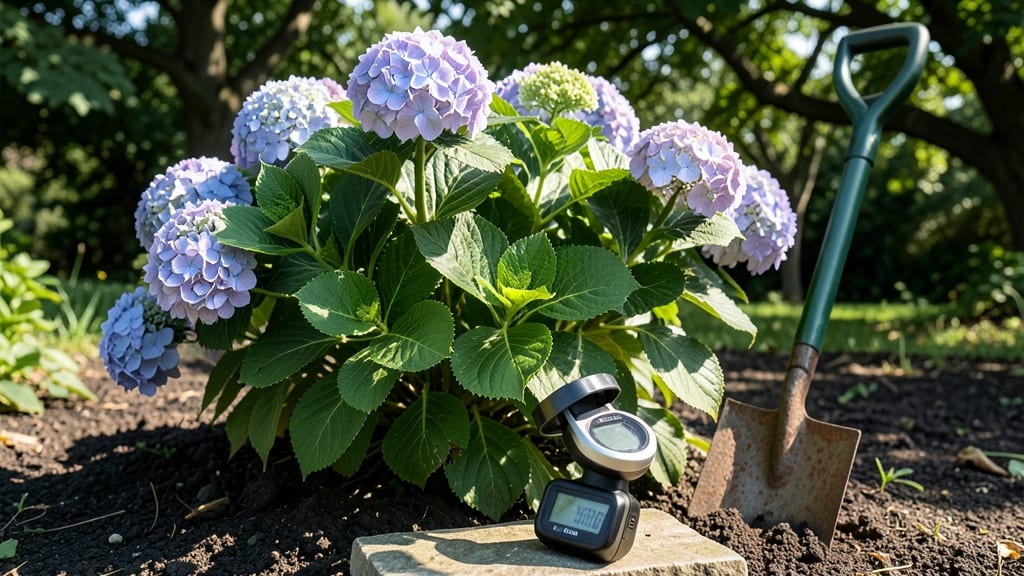
Full sun to partial shade means a plant needs 6+ hours of sunlight daily but can tolerate some afternoon shade or filtered light, especially in hot climates. This range balances vigorous growth with protection from leaf scorch.
This light category is all about flexibility—think of it as the Goldilocks zone for many plants: not too harsh, not too dim. 🌿 The key is morning sun (when UV rays are gentler) paired with afternoon shade (to prevent heat stress), which mimics natural forest-edge conditions.
For instance, coleus or impatiens often thrive here because they avoid the extremes of pure sun or deep shade. What's surprising is how seasonal changes affect this balance—what's "partial shade" in summer might become full sun in winter when deciduous trees lose leaves.
Understanding this range helps you avoid common mistakes like yellowing leaves (too much sun) or leggy growth (too little). The trick is observing your plants: if they're stretching toward light or developing brown patches, it's time to adjust their position or nearby structures.
Most nurseries label plants with these light requirements, but I always recommend testing a small batch first—some microclimates defy general rules!
💡 In This Article
- How Sunlight Intensity Affects Plant Growth and Health
- Choosing Plants for Full Sun to Partial Shade Gardens
How sunlight intensity affects plant growth and health
Sunlight isn't just light—it's a complex mix of wavelengths that plants use for photosynthesis while also triggering physiological responses. The blue light spectrum (400-500nm) promotes leaf expansion and flowering, while red light (600-700nm) drives photosynthesis.
When plants receive 6+ hours of direct sunlight, they maximize energy production, but too much can overwhelm their protective mechanisms, leading to leaf scorch—those crispy brown edges you see on sunburned foliage. This happens because excessive UV radiation damages chlorophyll, the green pigment essential for capturing light energy.
The intensity matters just as much as duration. For example, 10,000 foot-candles of light (bright direct sun) can stress plants like coleus, while 3,000 foot-candles (dappled shade) suits them perfectly. Morning sun provides gentler light with lower UV exposure, while afternoon sun delivers intense heat that can cook leaves.
This is why many plants in this category thrive with morning sun and afternoon shade—it's a natural buffer against heat stress. 🌞 The science shows that plants in this range often develop thicker cuticles (a waxy layer) to retain moisture, which is why their leaves might feel slightly leathery to the touch.
Light exposure also triggers flowering. Plants like impatiens need consistent light to produce blooms, but too much can cause them to bolt (send up flower stalks prematurely).
The photoperiod (day length) interacts with light intensity—short days with bright light can signal flowering in some species, while long days with intense sun might delay it. This is why gardeners in hot climates often see poor flowering in summer despite ample light: the heat stress overrides the light signal.
Root development also responds—too little light leads to shallow, weak roots, while too much can stunt root growth as the plant focuses on protecting its leaves.
Seasonal shifts complicate things. A spot that gets full sun in winter (when trees are bare) might become partial shade in summer (when leaves return). This is why nurseries often describe light requirements as ranges rather than absolutes.
For instance, hostas, which love partial shade, can handle morning sun but need protection by noon. The key is observing your plants: if they're developing yellow patches (chlorosis), they're getting too much sun; if they're stretching toward light, they need more.
This trial-and-error approach helps you fine-tune the perfect balance for your microclimate.
Heat stress is another critical factor. When temperatures exceed 85°F, even plants adapted to full sun can suffer. This is why afternoon shade becomes crucial—it lowers leaf temperatures by 10-15°F, reducing water loss through transpiration.
Think of it like wearing a hat on a sunny day: the shade protects without cutting off all light. This is why many tropical plants in this category (like caladiums) thrive in filtered light—it mimics their native forest understory conditions.
The trade-off is slower growth, but the plants stay healthier and last longer.
One surprising detail is how light affects secondary metabolites—the compounds that give plants their flavors, colors, and even medicinal properties. For example, mint grown in partial shade produces more volatile oils (the compounds that make it smell minty) than when grown in full sun.
This is why herbs and spices often taste more intense when grown in morning sun with afternoon shade.
The same principle applies to ornamental plants: coleus leaves develop deeper colors in partial shade because the plant invests more energy in pigment production to protect itself from lower light levels. 💫