
Light Requirements
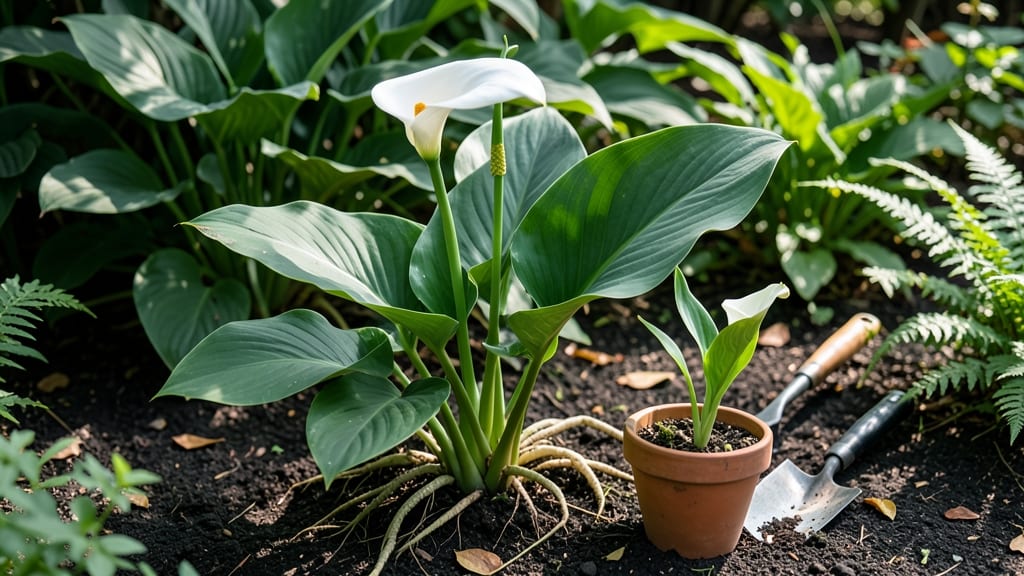
Calla lilies in full sun or shade need careful placement to avoid stunted growth or faded blooms — and the right balance depends on your climate and variety.
Picture this: your 🌸 calla lily thrives in partial shade but wilts under harsh afternoon sun, or your prized cultivar struggles to bloom because it’s buried in deep shade. The difference between these scenarios often comes down to understanding how light affects their growth cycle.
Most calla lilies prefer bright, indirect light, especially in hotter regions like USDA Zone 6a, where afternoon sun can scorch leaves. However, some varieties—like the hardy Zantedeschia aethiopica—handle more direct sunlight, while others need dappled shade to produce vibrant blooms.
In this guide, I’ll break down the ideal light conditions for your calla lilies, how to spot signs of light stress, and practical adjustments to keep them flourishing year after year.

How sunlight affects calla lily growth and bloom production
Calla lilies (Zantedeschia spp.) are stunning perennials that thrive with the right balance of sunlight exposure. Too much sun can scorch their delicate foliage, while too little shade may result in leggy growth and sparse blooms.
Understanding how light affects their photosynthesis efficiency is key to maximizing their flower production and overall health.
The ideal light spectrum for calla lilies falls between partial shade and bright indirect light, typically receiving 4-6 hours of filtered sunlight daily. This mimics their natural habitat in tropical forests, where dappled sunlight filters through the canopy.
In hotter climates, afternoon shade is crucial to prevent leaf burn and wilting.
When calla lilies receive excessive full sun, their leaves can develop brown patches or crispy edges due to oxidative stress. This occurs when UV rays overwhelm the plant’s ability to regulate moisture, leading to transpiration rates that exceed water uptake.
Meanwhile, insufficient light causes pale, elongated stems and fewer blooms, as the plant diverts energy toward reaching for light rather than producing flowers.
| Light Condition | Foliage Impact | Root Health | Bloom Production | Photosynthesis Efficiency |
|---|---|---|---|---|
| Full Sun (6+ hours) | Brown edges, crispy leaves | Stressed, shallow roots | Reduced, small blooms | Low (overheating) |
| Partial Shade (4-6 hours) | Lush, vibrant green | Healthy, deep roots | Abundant, large blooms | Optimal (balanced) |
| Deep Shade (<3 hours) | Pale, leggy stems | Weak, sparse roots | Minimal, sparse blooms | Low (energy deficit) |
The ideal light spectrum for calla lilies includes blue and red wavelengths, which drive photosynthesis. Blue light (400-500 nm) promotes compact growth and strong stems, while red light (600-700 nm) stimulates flowering. In nature, calla lilies grow under canopy cover, where light is diffused, reducing intensity.
Replicating this in your garden means placing them under tree dappling or using light-colored shade cloth (30-50% shade) in hotter zones.
In USDA zones 7-9, where summers are intense, calla lilies benefit from morning sun and afternoon shade. This schedule prevents heat stress while still providing enough light for robust growth.
For example, positioning them east-facing windows or under ornamental trees like Japanese maples creates a perfect microclimate. In cooler zones (6a-6b), they can tolerate more direct sunlight without risking damage.
Root health is directly tied to light exposure. In low-light conditions, calla lily roots grow slowly and become shallow, making them susceptible to drought stress. Conversely, excessive sunlight can cause roots to overheat, reducing nutrient uptake.
The sweet spot is consistent partial shade, which encourages deep, fibrous roots that anchor the plant and absorb moisture efficiently.
To maximize bloom production, focus on providing bright indirect light during the plant’s active growing season (spring to early fall). When calla lilies receive adequate light, they produce larger, more vibrant blooms with longer-lasting spathes.
For instance, Zantedeschia elliottiana (black calla) thrives in partial shade and produces striking dark blooms, while Zantedeschia aethiopica (white calla) tolerates more sun but still prefers filtered light.
Monitor your calla lilies for signs of light stress. Yellowing leaves often indicate overwatering in low light, while brown, crispy edges signal too much sun.
Adjust their placement gradually—move pots or relocate garden beds incrementally to avoid shocking the plant. If indoors, rotate pots weekly to ensure even light exposure on all sides.
In summary, calla lilies are light-sensitive perennials that thrive with 4-6 hours of filtered sunlight daily. Balancing their light exposure ensures healthy foliage, strong roots, and prolific blooms.
Experiment with placement in your garden, and don’t hesitate to use shade cloth or reflective surfaces to fine-tune their growing conditions.
Best light conditions by calla lily variety (full sun vs. partial shade guide)
Not all calla lilies are created equal when it comes to sunlight. While some varieties bask happily in full sun, others wilt under intense rays. The key is matching your calla lily variety with its ideal light conditions to ensure vibrant blooms and lush foliage.
Let’s break down the best light conditions by popular cultivars and their USDA zone adaptations.
For example, Zantedeschia aethiopica (the classic white calla) thrives in partial shade and can even tolerate deep shade, making it perfect for woodland gardens or shaded patios. Meanwhile, Zantedeschia elliottiana (the black calla) handles full sun better but still needs afternoon shade in hot climates like USDA zones 8-10.
In cooler climates like USDA zones 5-7, most calla lilies tolerate morning sun with afternoon shade, as the intense afternoon rays can scorch leaves.
For example, Zantedeschia aethiopica in zone 6 will thrive with just 4-6 hours of indirect light daily, while Zantedeschia elliottiana in zone 9 can handle up to 8 hours if given afternoon shade.
If you’re growing calla lilies in containers, opt for east-facing windows or under 50% shade cloth to mimic their natural light preferences. In hotter zones (8-11), avoid placing them in south-facing spots without shade, as this can lead to leaf burn and reduced blooming.
Watch for signs of light stress: yellowing leaves or brown leaf tips indicate too much sun, while pale foliage or fewer blooms signal insufficient light. Adjust their placement gradually to avoid shocking the plants.
With the right light conditions, your calla lilies will reward you with bold blooms and healthy growth all season long. Experiment with placement—your garden’s microclimates may surprise you! 🌸