
Plants
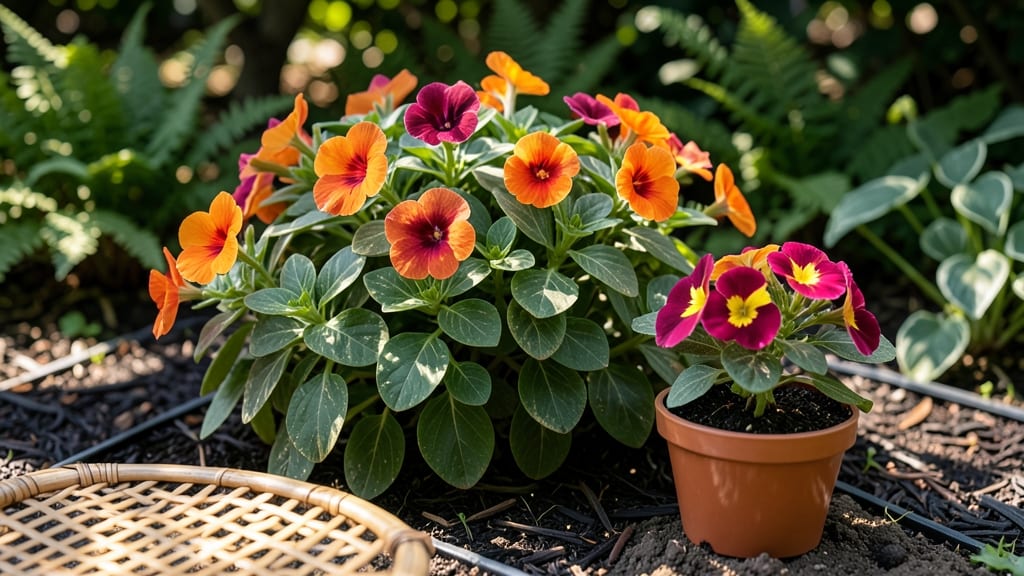
Do New Guinea impatiens like sun or shade—they adore the demonstrative bright, indirect light, but too much sun or deep shade will leave them drooping and sparse.
Struggling to keep your New Guinea impatiens thriving with lush foliage and vibrant blooms? Their light needs might be the missing piece—getting it wrong can mean the difference between a stunning garden centerpiece and a struggling plant.
These tropical beauties love the dappled light under trees or an east-facing window, where they get morning sun and afternoon shade. Too much direct sun? Watch for crispy leaf edges. Too little light? You’ll see sparse blooms and stretched-out stems.
In this guide, I’ll break down exactly how much light they need, how to spot problems, and where to place them—whether you’re growing them in pots or tucked into a shaded garden bed.
 Best Window Placement
Ideal light conditions for New Guinea impatiens: sun vs shade breakdown
New Guinea impatiens (Impatiens x hybrida) thrive when given the right balance of sunlight and shade. Unlike their shade-tolerant cousins, these beauties need more light than you might think—but not full, blazing sun.
Think of them as the Goldilocks of plants: bright indirect light is just right for their lush foliage and continuous blooms. Too much sun, and you'll see leaf scorch; too little, and they'll stretch out leggy, with sparse flowers.
Native to the tropical regions of New Guinea, these impatiens evolved to handle dappled sunlight under forest canopies.
Recreating that environment in your garden or containers is key to their success. Morning sun with afternoon shade is ideal, but they can adapt to consistent indirect light indoors or in shaded garden spots. Let's break down exactly how to get their light needs perfect.
⚠️ CRITICAL INSIGHT: New Guinea impatiens can tolerate 2-3 hours of direct sun per day, but only if it's gentle morning sunlight. Harsh afternoon sun will burn their leaves and stress the plant. In hotter climates (zones 8-11), they may need afternoon shade protection to thrive.
If you're growing New Guinea impatiens in containers, place them near an east-facing window where they'll receive gentle morning light without the intensity of afternoon sun.
For outdoor gardens, position them 3-6 feet away from the south or west side of buildings or under dappled shade from trees like oaks or maples. The key is to mimic their natural understory habitat.
In hot climates, even morning sun can be too intense. Use lightweight shade cloth (30-50% shade) to filter sunlight while still allowing bright indirect light to reach the leaves.
This prevents leaf burn while maintaining the vibrant foliage these plants are famous for. Think of it as giving them a tropical canopy to protect their delicate leaves.
One common mistake gardeners make is assuming all impatiens have the same light needs. Unlike garden impatiens (Impatiens walleriana), which thrive in full shade, New Guinea varieties need more light to produce their showstopping blooms.
When they don't get enough light, they'll stop flowering and focus on growing long, bare stems—a sure sign of light deprivation.
For indoor growers, a south-facing window with sheer curtains works well, or use a grow light on a 12-hour timer to supplement natural light.
If your home has low-light conditions, consider placing them near a skylight or in a sunroom where they can get bright, diffused light for most of the day. Avoid north-facing windows, which often provide too little light for these sun-loving shade plants.
Seasonal changes also affect their light needs. In summer, when sunlight is most intense, provide afternoon shade to prevent heat stress. In winter, when days are shorter, move them closer to a bright window or extend their light exposure with a grow bulb.
This helps maintain their compact growth habit and continuous blooming throughout the year.
Pro tip: Rotate your containers quarter-turns weekly to ensure even light exposure on all sides. This prevents lopsided growth and encourages symmetrical bushiness. New Guinea impatiens respond beautifully to consistent light, so a little daily attention goes a long way toward keeping them thriving and blooming.
Remember, the goal is to create a balanced light environment
Signs your New Guinea impatiens aren’t getting the right light (and how to fix it)
New Guinea impatiens (Impatiens x hawkeri) thrive in bright indirect light, but too much or too little sunlight can send them into a downward spiral. If your plants are showing yellowing leaves or stretched stems, their light conditions might be the culprit.
These tropical beauties prefer partial shade—think dappled sunlight filtering through trees or an east-facing window.
One of the biggest mistakes I see is placing them in hot afternoon sun, which causes leaf scorch and crispy edges. On the flip side, too little light leads to leggy growth and sparse blooms. Let’s diagnose the issue and fix it fast!
⚠️ Do New Guinea Impatiens Like Sun or Shade?
They prefer partial shade—bright indirect light with morning sun and afternoon shade. Too much direct sun = leaf burn. Too little light = leggy, weak growth. Fix it now before your plants decline!
If your impatiens are sitting in a south-facing window or under harsh midday sun, they’ll show signs of stress like brown leaf tips or wilting. Move them to a spot where they get 2-4 hours of morning sun and the rest of the day in shade.
A sheer curtain can help diffuse intense light if you don’t have a shaded alternative.
For indoor growers, east-facing windows are ideal—providing gentle light without the intensity of southern exposure. If your home lacks natural light, consider a grow light on a timer for 12-14 hours daily.
Fluorescent or LED bulbs work well, but keep them 6-12 inches above the plants to avoid overheating.
Seasonal changes also affect light exposure. In summer, afternoon sun can be brutal, so prune nearby plants to create shade or use a light-colored shade cloth (30-50% block). In winter, shorter days may require supplemental light to prevent stunted growth.
Finally, rotate your pots quarter-turn weekly to ensure even light exposure. This prevents one-sided growth and keeps foliage lush. With the right light, your New Guinea impatiens will reward you with vibrant blooms all season long!