
Light Requirements
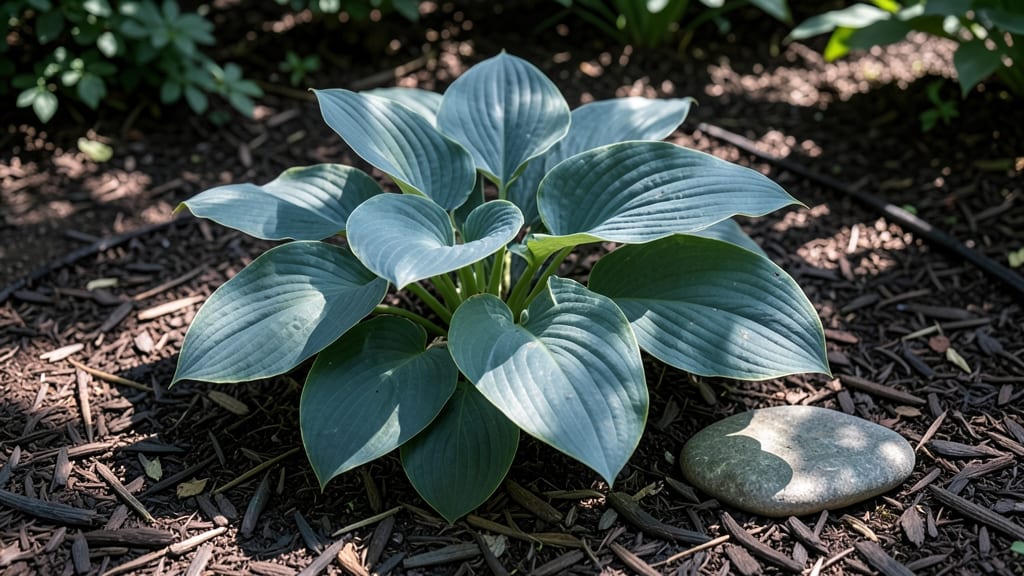
Discover the best shade-tolerant plants to transform your dark corners into lush, thriving gardens.
Shade-tolerant plants transform dark corners into lush, vibrant spaces—without fighting for sunlight. 🌿 I’ve turned my own shady yard into a thriving garden by choosing plants that flourish where others fail, and the results are shockingly green year-round.
The secret lies in matching plants to their ideal light conditions: deep shade (less than 3 hours of sun) thrives with ferns and hostas, while partial shade (3-6 hours) welcomes impatiens and astilbes.
Soil moisture and organic matter are just as critical—amending heavy clay or sandy soil with compost makes all the difference for roots struggling in low light. By mid-summer, you’ll see dense foliage and seasonal blooms that brighten even the dimmest spots. The best part?
These plants demand less maintenance than sun-lovers, so you spend less time fussing and more time enjoying your garden’s hidden gems. Perfect for understory plantings, woodland gardens, or north-facing borders. Here’s how to pick the right shade-lovers for your space.
📚 In This Guide
- What you need
- Instructions
- Tips and common mistakes
- Wrapping up and next steps
What you need
- ● Shade-tolerant plant seeds or seedlings: 1–3 plants per pot (e.g., ferns, hostas, impatiens, or cast iron plants).
- ● Check seed packets for full shade or partial shade labels.
- ● Containers (pots, planters, or garden beds): 1–3 containers (6–12 inches deep, with drainage holes).
- ○ Optional: Self-watering pots for low-maintenance care.
- ● High-quality potting mix: 1 bag (8–12 quarts) of well-draining, peat-based mix (or add perlite for aeration).
- ● Slow-release fertilizer: 1 packet of balanced fertilizer (10-10-10 or 20-20-20) for seed-starting or transplanting.
- ● Basic gardening tools: 1 trowel or small shovel.
- ○ 1 pair of gardening gloves (optional but recommended!).
- ● Watering can or spray bottle: 1 with a fine mist nozzle for gentle watering.
- ○ Mulch (optional): 1 bag of organic mulch (e.g., shredded bark) to retain moisture.
- ○ Grow lights (optional for indoor setups): 1–2 LED grow lights (12–16 hours/day) if natural light is <2–3 hours/day.
Step-by-Step guide to designing a thriving shade garden
Here’s how to create a lush, productive shade garden that delivers year-round greens with minimal sunlight.
🌱 Step 1: Select the Right Shade-Tolerant Plants
Start with plants that thrive in low to no direct sunlight, like hostas, ferns, astilbes, and impatiens. I always include leafy greens such as spinach, kale, and Swiss chard, which tolerate partial shade better than sun-loving lettuce. For year-round production, add winter-hardy herbs like chives, parsley, and cilantro, which stay green even in cooler months.
Check plant tags for light requirements—look for labels like "partial shade" or "full shade" to avoid mismatches. If your shade is dappled (filtered sunlight through trees), you can even grow strawberries or radishes successfully. The key is matching the plant’s native growing conditions to your light levels.
🪴 Step 2: Prepare the Soil for Shade-Loving Plants
Shade gardens need rich, well-draining soil with high organic matter to compensate for lower sunlight. Amend your soil with 3-4 inches of compost before planting, mixing it into the top 12 inches of soil. I like to add a slow-release fertilizer (like 10-10-10) at planting time to give shade plants a nutrient boost they won’t get from sunlight.
Test your soil’s moisture retention—shade gardens can stay damp longer, so avoid heavy clay. If your soil drains poorly, mix in sand or perlite to improve aeration. A simple moisture test (dig a 6-inch hole and check drainage after watering) helps prevent root rot in shade-loving plants.
☀️ Step 3: Position Plants Based on Light Availability
Group plants by their shade tolerance levels—place the most shade-tolerant species (like hostas or ferns) in the darkest spots, while partial-shade plants (such as coleus or impatiens) go where light filters through. I often use tall plants (like foxgloves or astilbes) at the back to prevent smaller plants from being overshadowed.
Watch for microclimates—some areas may get more indirect light than others. If you notice leaves turning yellow or stretching toward light, it’s a sign the plant needs to be moved to a slightly brighter spot. Mulch heavily with 3-4 inches of organic mulch (like shredded bark) to keep soil cool and retain moisture.
💧 Step 4: Water Consistently Without Overdoing It
Shade gardens dry out more slowly than sunny ones, but consistent moisture is still critical. Water deeply 1-2 times per week, aiming for 1 inch of water per week (check with a rain gauge or tuna can). I water in the early morning to reduce fungal risks from prolonged leaf wetness.
Look for wilting leaves or crispy edges—these are signs of underwatering. On the other hand, yellowing leaves or mold mean you’re overwatering. Adjust based on rainfall; during dry spells, increase frequency, but always let the top 2 inches of soil dry out before watering again.
✂️ Step 5: Maintain and Harvest for Year-Round Greens
Prune spent or yellowing leaves regularly to encourage new growth, especially in edible greens like kale or spinach. I harvest outer leaves first, leaving the inner rosette intact so the plant keeps producing. For herbs, snip stems just above a set of leaves to promote bushier growth.
Fertilize lightly every 6-8 weeks with a balanced, water-soluble fertilizer (like 5-5-5) to keep shade plants vigorous. Avoid heavy nitrogen in fall—it encourages tender growth that won’t survive winter. Instead, focus on potassium-rich fertilizers to boost cold hardiness.
Tips & tricks for perfect shade-tolerant plant gardens
These game-changing insights will transform your low-light space into a thriving, productive oasis that keeps giving all year.
Light Mapping is Everything: Before planting, spend 30 minutes observing your space throughout the day. Note where sunlight filters through trees at different times—this creates microclimates that can support different shade levels. I've seen hostas thrive in spots that would kill lettuce, simply because they got 2 hours of morning sun. Use a whiteboard to sketch your garden layout with these light zones marked; this prevents costly mistakes when arranging plants.
Soil Science Matters More Than You Think: The 3-4 inches of compost called for in Step 2 should be aged compost (not fresh manure) to avoid nitrogen spikes that burn tender shade plants. I recommend mixing in worm castings for an extra nutrient boost—it's like giving your plants a vitamin shot. For clay-heavy soils, blend in 20% perlite by volume to improve drainage; this prevents the waterlogged conditions that often plague shade gardens. The moisture test in Step 2 is non-negotiable—if water pools after 10 minutes, you need more amendments.
Strategic Plant Pairing: In Step 3, pair fast-growing edibles like radishes with slower-growing perennials like astilbes. The radishes will mature quickly, giving you harvests while the astilbes establish their root systems. I also interplant herbs with leafy greens—their different root depths create a more efficient soil structure. For example, cilantro's shallow roots won't compete with Swiss chard's deeper ones. This layering technique maximizes space and productivity in your shade garden.
Watering Wisdom for Shade: That 1 inch per week guideline in Step 4 is perfect, but timing is everything. Use a drip irrigation system set to run for 15-20 minutes twice weekly—this delivers water directly to roots without wetting foliage, which reduces fungal diseases. Early morning watering (before 8am) gives plants time to dry out, preventing the mold issues that plague many shade gardens. For container plants, check soil moisture daily—they dry out faster than in-ground plantings.
Pro Tips for Shade Tolerant Plants
- These game-changing insights will transform your low-light space into a thriving, productive oasis that keeps giving ...
- Light Mapping is Everything: Before planting, spend 30 minutes observing your space throughout the day. Note where su...
- Soil Science Matters More Than You Think: The 3-4 inches of compost called for in Step 2 should be aged compost (not ...
Frequently asked questions
What are the easiest shade-tolerant plants for beginners?
Start with hardy options like hostas, heucheras, or fern varieties. These thrive in low light, require minimal care, and offer striking foliage. For edibles, try spinach or lettuce—just ensure they get 4–6 hours of indirect light daily.
Can shade-tolerant plants grow in artificial light?
Yes! Use full-spectrum LED grow lights (12–16 hours/day) for indoor setups. Place lights 6–12 inches above plants and adjust height as they grow. Leafy greens like kale or Swiss chard adapt well, but monitor for legginess—rotate plants weekly for even growth.
How long does it take for shade plants to establish?
Most shade-tolerant plants take 4–8 weeks to establish, depending on the species. Perennials (like hostas) may take longer to fill out, while annuals (e.g., pansies) show progress faster. Pro tip: Keep soil consistently moist during the first month to encourage root development.
What if my shade plants look leggy or weak?
Leggy growth usually means insufficient light. Move plants to a brighter spot (but still shaded) or supplement with grow lights. Prune leggy stems to encourage bushier growth, and fertilize lightly with a balanced, water-soluble formula (10-10-10). Avoid overcrowding—space plants 6–12 inches apart for airflow.
Do shade plants need special watering?
Shade plants often retain moisture longer, so water deeply but less frequently—about 1–1.5 inches per week. Check soil moisture 1–2 inches below the surface; water when it’s dry. Mulch (2–3 inches) helps retain moisture and regulates temperature. Warning: Avoid soggy soil to prevent root rot.
Wrapping up and next steps
Shade-tolerant plants are your secret weapon for lush, thriving greenery—even in low-light spots! 🌿 Whether you’re working with hostas, ferns, or calatheas, these resilient picks prove that sunlight isn’t the only ingredient for success.
With the right soil, watering routine, and a dash of patience, you’ll enjoy vibrant foliage year-round, transforming shady corners into verdant havens.
Ready to turn your space into a flourishing oasis? Start small: Pick one plant from our list, test the soil, and tweak your care routine. Before you know it, you’ll be a shade-gardening pro—and your plants will thank you! 🌱