
Planting
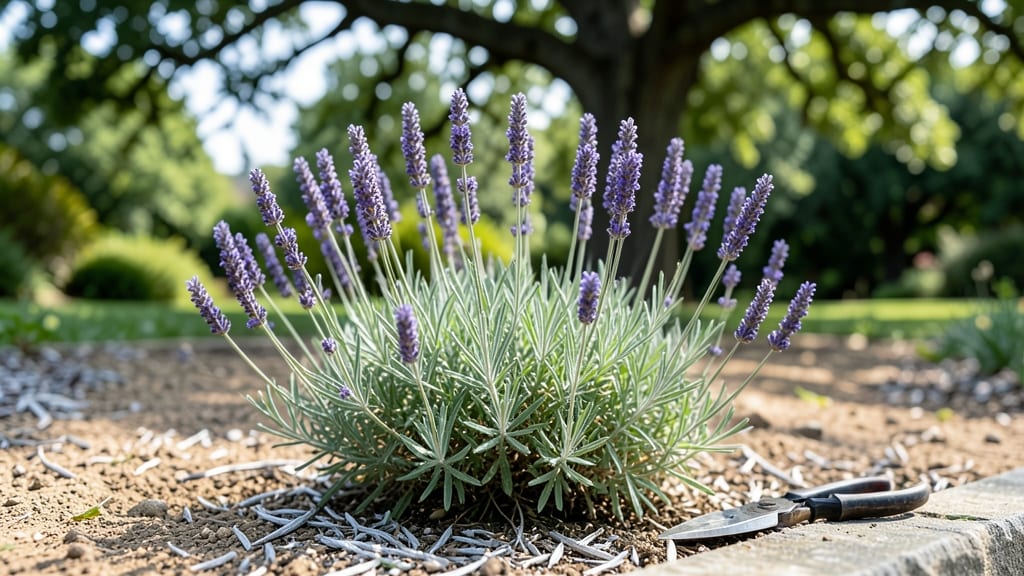
A lavender plant in shade may seem tricky—but with the right varieties and a few clever adjustments, even your shadiest corner can bloom with fragrant beauty. 🌿 I’ve turned my dimly lit patio into a fragrant retreat by choosing shade-tolerant types like ‘Munstead’ or ‘Hidcote,’ which handle partial shade better. than classic Mediterranean lavender.
The secret isn’t forcing full sun—it’s working with what you’ve got.
Start with well-draining soil (mix in sand or perlite) and water sparingly—lavender hates soggy roots, even in shade. A south-facing window or dappled tree shade works better than deep shade, and pruning lightly after blooming keeps plants compact.
My shade-grown lavender blooms smaller but stays lush and aromatic, proving light needs aren’t as strict as we think.
You’ll end up with plants that thrive without the classic "lavender needs full sun" stress. The fragrance lingers longer in cooler, shaded air, and you’ll avoid the wilting that hits sun-scorched lavender in summer. Just watch for powdery mildew—shade can trap moisture, so air circulation is key.
This works for balconies, north-facing yards, or even indoor windowsills with grow lights. No more skipping lavender just because your garden’s shady—here’s how to make it work.
📚 In This Guide
- What you need
- Instructions
- Tips and common mistakes
- Wrapping up and next steps
What you need
- ● Lavender plants: Choose English lavender (Lavandula angustifolia) or Spanish lavender (Lavandula stoechas)—both tolerate shade better than French varieties. Quantity: 3–5 plants (for a small garden) or more for larger spaces.
- ● Well-draining soil mix: Combine 50% potting soil, 30% perlite or coarse sand, and 20% compost (lavender hates soggy roots!). Volume: Enough to fill containers or amend garden beds (1–2 cubic feet per plant).
- ○ Containers (optional but recommended for shade): Terracotta pots (12–18 inches deep, with drainage holes)
- ● Fabric grow bags (for better airflow)
- ● Quantity: 1 pot per plant (or share a large raised bed).
- ● Drainage solutions: Crushed gravel or pebbles (1–2 inches at the bottom of pots)
- ● Drainage mat (for containers to prevent waterlogging)
- ● Slow-release fertilizer: Look for a balanced 10-10-10 or low-nitrogen formula (lavender dislikes rich soil!). Quantity: 1 tbsp per plant, mixed into soil.
- ● Garden trowel or small shovel (for transplanting or amending soil)
- ● Pruning shears (sharp, clean pair for trimming)
- ● Watering can with a rose attachment (for gentle, deep watering)
- ○ pH testing kit (optional): Aim for 6.5–7.5 pH (lavender prefers slightly alkaline soil).
- ○ Mulch (optional): Use gravel or pebbles (not organic mulch) to retain heat and deter weeds.
- ● ✨ Boost light: Place containers on a sunny windowsill or patio during peak sunlight hours.
- ● 🌡️ Heat hack: Use black pots to absorb sunlight and warm the roots.
- ● 🎯 Prune strategically: Trim lightly after flowering to encourage bushiness (avoid cutting into woody stems).
Step-by-Step guide to growing lavender in shady spots
Lavender thrives in sun—but with these adjustments, you can coax fragrant growth even in low-light spots.
🪴 Step 1: Pick the Right Variety and Pot
Not all lavender tolerates shade, so opt for English lavender (Lavandula angustifolia) or Munstead lavender, which handle partial shade better than French or Spanish types. Use a 5-6 inch pot with drainage holes—lavender roots need air, even in shade.
Fill the pot with well-draining potting mix (avoid garden soil—it compacts and suffocates roots). I mix in 20% perlite to boost drainage, since shade-loving lavender is extra sensitive to soggy soil. Tap the pot gently to settle the mix without compacting it.
☀️ Step 2: Position for Maximum Indirect Light
Place your lavender in bright, indirect light—think dappled sunlight from trees or a north-facing window. At least 4-6 hours of filtered light daily is critical. If your space is darker, supplement with a grow light for 12 hours/day to prevent leggy growth.
Rotate the pot quarter-turn weekly so the plant grows evenly. Leggy stems (long, pale growth) mean it’s stretching for light—move it closer to the window or increase grow light time. You’ll see strong, bushy growth when leaves stay deep green and compact.
💧 Step 3: Water Sparingly and Monitor Soil
Shade-loving lavender still hates wet feet. Water only when the top 1-2 inches of soil feel dry—stick your finger in to check. Overwatering in shade causes root rot, which kills plants fast. I use a spray bottle for gentle watering to avoid disturbing the soil surface.
After watering, let excess drain completely. Empty the saucer under the pot within 10 minutes to prevent salt buildup. In cooler shade, you might water every 7-10 days; in warmer spots, every 5-7 days. Watch for yellowing leaves—that’s your sign to cut back on water.
✂️ Step 4: Prune for Shape and Health
Prune once in early spring (after new growth appears) and again lightly in mid-summer to encourage bushiness. Cut back one-third of the previous year’s growth using clean, sharp shears. Avoid cutting into old wood—lavender blooms on new stems.
Remove any dead or leggy stems immediately. This keeps air circulating and prevents fungal issues common in shady spots. After pruning, fertilize lightly with a balanced, water-soluble fertilizer (half-strength) to support regrowth. No fertilizer? Skip it—lavender prefers lean soil.
🌿 Step 5: Encourage Blooms with Light Tricks
To trigger blooms, lavender needs a hint of sun—even in shade. Place the pot near a south-facing window for 2-3 hours of direct light daily in late spring. If blooms are sparse, try moving it outdoors to a shaded patio for a few hours on sunny days.
Deadhead spent flowers after blooming to redirect energy into next year’s growth. In shade, lavender may bloom less vigorously, but you’ll still get aromatic foliage—rub a leaf between your fingers to check! Harvest stems in late summer for drying or potpourri.
Tips & tricks for perfect lavender growth in low-light gardens
Here's what nobody tells you about keeping lavender thriving when sunlight is scarce—these tricks make all the difference.
Variety Selection: English lavender and Munstead are your best bets for shade, but if you're experimenting, try Lavandula stoechas (French lavender) in spots with at least 3 hours of morning sun—it handles shade slightly better than Spanish types. The key is avoiding anything labeled "Spanish" unless you're willing to compromise on fragrance intensity.
Light Boost Hack: For the critical 4-6 hours of indirect light, position your lavender near a window with sheer curtains that diffuse harsh rays. If using grow lights, LED bulbs with a 6500K color temperature mimic natural sunlight best. I've found that placing the light just 6 inches above the plant maximizes coverage without overheating the soil.
Soil Science: The 20% perlite mix isn't just about drainage—it creates tiny air pockets that prevent that dreaded "soggy bottom" look. Pro tip: Add a handful of coarse sand to your potting mix too. This combo mimics lavender's Mediterranean native soil, where water drains away almost instantly after rain. Always test your mix by squeezing a handful—it should crumble easily, not hold its shape.
Pruning Precision: When you're cutting back one-third of last year's growth in Step 4, focus on removing stems that are woody at the base. These won't produce new blooms. I use a small pair of bypass pruners (not scissors) to make clean cuts just above a leaf node. This encourages bushier growth and prevents those sad, bare stems that ruin the plant's shape.
Pro Tips for Lavender Plant In Shade
- Here's what nobody tells you about keeping lavender thriving when sunlight is scarce—these tricks make all the differ...
- Variety Selection: English lavender and Munstead are your best bets for shade, but if you're experimenting, try Lavan...
- Light Boost Hack: For the critical 4-6 hours of indirect light, position your lavender near a window with sheer curta...
Frequently asked questions
Got questions about growing lavender in shady spots?
You’re not alone! Here are some of the most common concerns—and their solutions—to help your fragrant plants thrive even in low-light conditions.
Can lavender grow well in full shade?
While lavender can survive in partial shade (3–6 hours of sunlight), it won’t flourish in full shade. Without adequate light, growth slows, stems become leggy, and blooms may be sparse. If your garden is shady, opt for Lavandula × intermedia varieties like ‘Grosso’—they tolerate shade slightly better than others.
How long does it take for lavender to adjust to shade?
Lavender is slow to adapt, so give it 2–3 weeks in its new shady spot before expecting major changes. If it’s struggling after a month (yellowing leaves, weak stems), supplement with a reflective surface (like a white wall) or a grow light for 4–6 hours daily to mimic sunlight.
Why is my shade-grown lavender turning yellow?
Yellowing leaves in shade are often a sign of nutrient deficiency or overwatering. Lavender hates soggy roots—ensure well-draining soil and water only when the top inch is dry. A balanced, low-nitrogen fertilizer (like 5-10-10) in early spring can also help revive growth.
What’s the best shade-tolerant alternative to lavender?
If lavender just won’t cooperate in your shady garden, try these fragrant, low-light-friendly swaps:
- Mint (thrives in shade, spreads quickly)
- Lemon balm (citrusy scent, drought-tolerant)
- Sweet woodruff (delicate white flowers, shade-loving)
- Heuchera (Coral Bells) (colorful foliage, minimal care)
Should I prune lavender differently in shade?
Pruning rules stay the same—never cut more than 1/3 of the plant—but shade-grown lavender may need less aggressive trimming. Focus on shaping in late spring after blooms fade. Avoid pruning in fall or winter, as new growth can’t harden off before cold snaps. Use sterilized shears to prevent disease!
Wrapping up and next steps
Growing lavender in shade is totally doable—you just need the right approach! 🌿 With well-draining soil, partial shade, and a little extra care, you can enjoy fragrant blooms even in low-light spots.
Whether you’re a seasoned gardener or just starting, these tips will help you create a thriving lavender patch that’s both beautiful and aromatic.
Ready to give it a try? Start by assessing your garden’s light conditions and pick the perfect lavender variety for your space. Then, grab your supplies and get planting—your future fragrant garden awaits! 🌸