
Plants
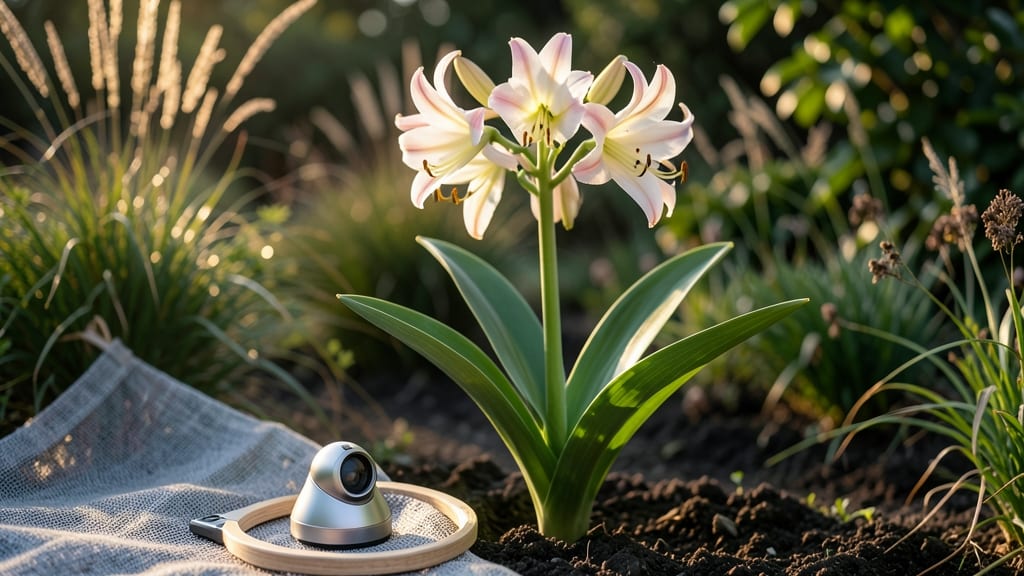
Lilies aren't one-size-fits-all when it comes to sunlight—think of them like sunbathers with different preferences. 🌞 True lilies (like the showy Asiatic types) act like sun worshippers in cooler climates but get sunburned in afternoon heat, while daylilies are the hardy beachgoers that can handle all-day exposure.
The key is morning light for energy without the midday intensity that causes those telltale yellow patches on leaves.
Here's the pro tip: if your lilies are wilting by noon, they're crying out for shade. I've seen gardeners use lattice screens or plant taller companions like sunflowers to create natural shade without sacrificing bloom time.
And don't forget—mulch helps regulate root temperature, which is just as important as the light above ground.
💡 In This Article
- Sunlight Requirements by Lily Variety
- Optimizing Lily Light for Longer Blooms
Sunlight requirements by lily variety
True lilies—like Asiatic, Oriental, and Trumpet varieties—are like divas when it comes to sunlight. They crave 4-6 hours of morning sun but need afternoon shade to prevent leaf scorch.
Their broad leaves act like solar panels, converting light into energy, but direct afternoon rays (especially in summer) can cause chlorophyll to break down, leading to those unsightly yellow patches. Asiatic lilies tolerate slightly more sun than Orientals, which have thicker petals that burn more easily.
The science behind this is fascinating: true lilies have a high stomatal density on their leaves, meaning they lose moisture quickly under intense sun. When temperatures exceed 85°F (29°C), their stomata (tiny pores) struggle to regulate water loss, causing wilting or even leaf drop.
Daylilies, on the other hand, are the tough cousins—they can handle full sun (6+ hours daily) because their leaves have a waxy coating that reduces water loss and their roots run deep to access moisture.
Here’s how to spot sunlight stress in your lilies: Sunburned leaves appear crispy with brown edges, while underwatered lilies (from too much sun) show yellowing between veins—a classic sign of nutrient uptake issues. Faded or small blooms often mean insufficient light, but drooping flowers by midday?
That’s your plant begging for shade. 🌿 The key is observing the time of day when symptoms appear—morning wilting suggests cold stress, while afternoon droop is pure heat exhaustion.
Humidity plays a sneaky role too. In dry climates, even true lilies might tolerate more sun because the air helps cool their leaves. But in humid regions (like the Southeast U.S.), afternoon shade becomes critical—excess moisture traps heat against leaves, accelerating burn.
I’ve seen lilies in Florida gardens thrive with just 3 hours of morning sun paired with afternoon dappled shade from nearby trees.
For true lilies, the ideal light scenario mimics their natural habitat: woodland edges where they get dappled sunlight. This is why gardeners often use 30-50% shade cloth in hot zones or plant them near structures that cast afternoon shadows.
Daylilies, meanwhile, mimic prairie conditions—open, sun-drenched spaces where they’ve evolved to handle full sun exposure year-round.
Pro tip: If you’re unsure about your lilies’ variety, watch their behavior. True lilies will show you their preferences through leaf color changes—healthier foliage stays a deep green, while stressed leaves turn pale or develop necrotic spots.
And remember, new plantings need gradual acclimation: introduce them to full sun over 2-3 weeks to avoid transplant shock from sudden light exposure. 🌱