
Light Requirements
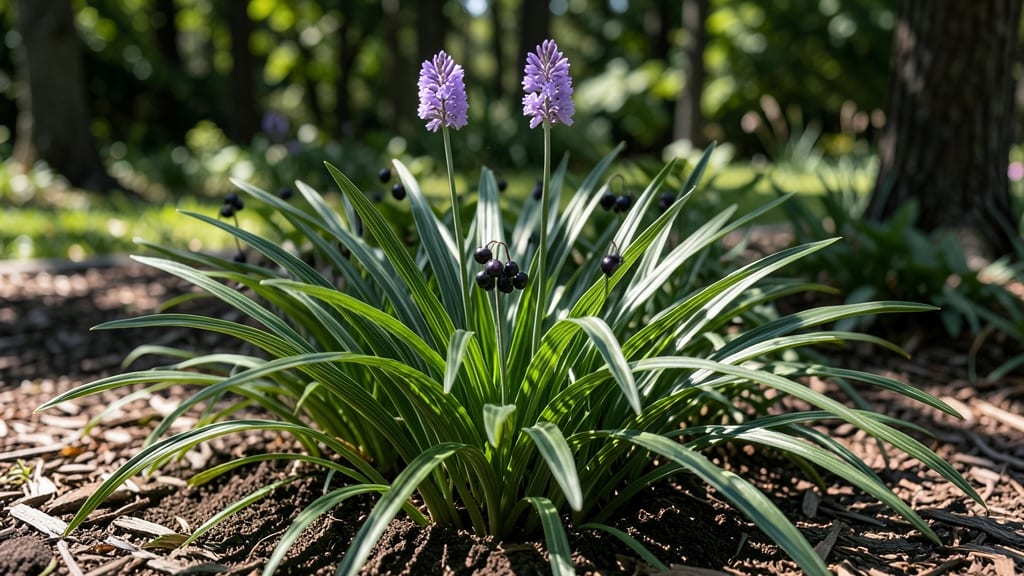
Creeping plants thrive where sunlight barely reaches—turning dark corners into lush, green carpets. 🌿 I’ve used shade-loving ground covers to rescue shady spots that nothing else would grow in, and the transformation is always shocking.
These plants don’t just survive in deep shadows; they spread effortlessly, smothering weeds and stabilizing soil without demanding a single extra hour of your time. The real magic happens when you pair them right.
Liriope’s grassy blades sway under trees, Pachysandra’s glossy leaves create a dense mat, and Creeping Jenny’s golden trails soften borders. They handle everything from dry shade to damp corners, and their roots outcompete weeds before they even sprout. My favorite?
The way they turn a dull, barren patch into a thriving understory that feels like a secret garden. You’ll end up with a garden that looks intentional, even in the trickiest spots. The best part? These plants stay green all season, their textures and colors shifting with the light.
Whether you’re covering a slope, framing a tree, or filling a shady border, they’ll do the work for you. Here’s how to choose the right one for your space—and the simple tricks to keep them looking their best year after year.
📚 In This Guide
- What you need
- Instructions
- Tips and common mistakes
- Wrapping up and next steps
What you need
- ● Shade-tolerant creeping plants: 10–20 plants (depending on coverage area; spacing varies by species—check plant tags for specifics). Popular picks: Liriope muscari (Lily Turf), Pachysandra terminalis (Allegheny Spurge), or Ajuga reptans (Bugleweed).
- ● Well-draining soil: 5–10 bags (1–2 cubic feet each) of peat moss, compost, or shade-specific potting mix (e.g., Miracle-Gro Shade Mix).
- ● Mulch: 2–3 bags of pine bark fines, shredded leaves, or wood chips (2–3 inches thick) to retain moisture and suppress weeds.
- ● Garden trowel or hand shovel (for digging small holes).
- ● Garden gloves (to protect hands from soil and sharp edges).
- ● Watering can or hose with a gentle spray nozzle (creeping plants hate soggy roots!).
- ● Measuring tape (to ensure proper spacing—typically 6–18 inches apart, depending on plant type).
- ● Pruners or shears (for trimming overgrowth or shaping edges).
- ● Slow-release fertilizer (e.g., Osmocote Smart-Release Plant Food) for a nutrient boost.
- ● Edging tools (to create clean borders if planting near sidewalks or paths).
- ● Drip irrigation system (for large areas to automate watering).
- ● Plant markers (to label varieties if mixing species).
Step-by-Step guide to planting shade-loving creeping ground cover
Here's how to create a lush, low-maintenance carpet of shade-loving plants that thrives where sunlight barely reaches.
🌱 Step 1: Prepare the Soil for Optimal Drainage
Shade-loving creepers need soil that drains well but holds moisture—think of it as a damp sponge, not a swamp. Work in 2-3 inches of compost into the top 6 inches of soil to improve texture and fertility. If your soil is heavy clay, mix in 1 part perlite or coarse sand per 3 parts soil to prevent compaction.
Loosen the soil to a depth of 8-10 inches with a garden fork or tiller. This breaks up any hardpan that could restrict root growth. Test the moisture by squeezing a handful—it should hold together but not drip water. If it's bone dry, water thoroughly before planting. Here's the thing: these plants won't tolerate soggy roots, but they also won't thrive in powdery soil.
🌿 Step 2: Choose and Plant the Right Creeping Varieties
For deep shade (less than 3 hours of sun daily), select plants like creeping phlox, ajuga (bugleweed), or wild ginger. For partial shade (3-6 hours of sun), consider creeping thyme or lamium. Space plants 12-18 inches apart—they'll spread quickly, but starting too close creates competition.
Dig holes just deep enough to accommodate the root ball without burying the crown (where stems meet roots). Gently tease out any circling roots to encourage outward growth. Water each plant immediately after setting it in the hole to eliminate air pockets. I like to firm the soil around the base with my fingers—just enough to hold the plant steady, not packed like concrete.
💧 Step 3: Establish a Consistent Watering Routine
Water deeply 2-3 times per week during the first growing season, aiming for 1 inch of water per week. Use a rain gauge or tuna can to measure—your eye can fool you. The goal is to moisten the soil down to 4-6 inches deep, encouraging roots to grow downward for stability.
Mulch with 2-3 inches of shredded bark or wood chips after watering to retain moisture and suppress weeds. Keep mulch 2 inches away from plant stems to prevent rot. You'll notice new growth within 3-4 weeks if moisture is right—the leaves will plump up and turn a vibrant green. If they stay dull or crisp at the edges, you're either overwatering or underwatering.
✂️ Step 4: Maintain and Encourage Spread
Once established, these plants need minimal care—just occasional trimming to control spread or tidy up. In early spring, cut back any dead or leggy growth to encourage fresh, vigorous shoots. For varieties like creeping phlox, a light pruning after flowering keeps the plant dense and prevents it from becoming woody.
Fertilize lightly in early spring with a balanced 10-10-10 fertilizer applied at half strength. Too much nitrogen leads to lush leaves but weak stems that flop in shade. Watch for gaps as the plants fill in—this is your cue to divide established clumps or propagate new plants by separating runners. The key is patience; a full, lush carpet takes 1-2 seasons to establish.
☀️ Step 5: Monitor Light Conditions Annually
Shade patterns change as trees grow or buildings cast new shadows. Check your ground cover in late winter or early spring to see if any areas are getting more light. If leaves look pale or stretched, the plants may need to be moved to deeper shade or supplemented with a shade cloth (30-50%) during peak sun hours.
Adjust mulch thickness in winter—add an extra inch in cold climates to protect roots from freezing. In mild winters, reduce mulch slightly to prevent excess moisture buildup. The healthiest shade-loving creepers have a mix of old and new growth, with no bare spots or yellowing leaves. If you see these signs, it's time to troubleshoot water, light, or soil pH.
Tips & tricks for perfect shade-loving creeping ground cover
Transforming shady spots into lush, green carpets takes more than just planting—here's how to ensure your creeping plants thrive where others fail.
Soil Preparation Secret: In Step 1, when amending your soil, test the drainage by filling a can with water and timing how long it takes to drain. If water sits longer than 15 minutes, you need more perlite or sand. I've seen heavy clay soil turn into a perfect growing medium just by adding 1 part perlite to 3 parts soil—it makes all the difference for root health. The goal is that "damp sponge" texture mentioned in the instructions, not a muddy mess.
Plant Selection Strategy: For Step 2, don't just grab any shade plant—match your variety to the exact light conditions. Creeping phlox handles deep shade beautifully, but if you're getting 4-5 hours of filtered light, try ajuga or lamium instead. I planted creeping thyme in partial shade once and it nearly died back—turns out it needed more sun than I realized. Always check the sunlight range before buying, and when in doubt, go with ajuga—it's the most adaptable.
Watering Wisdom: The 2-3 times per week watering in Step 3 is perfect, but there's a trick to make it even more effective. Water in the morning so the foliage dries by evening, preventing fungal issues. I use a soaker hose set on a timer for 20 minutes daily—it delivers consistent moisture without overwatering. And when you see those crispy leaf edges after 3-4 weeks, it's usually a sign you're watering too frequently rather than too little.
Make-Ahead Strategy: Plant your creeping ground cover in early spring or fall for the best establishment. The 1-2 season timeline in Step 4 can be accelerated slightly if you plant in spring—just be prepared for slower spread in the first year. For winter planting, choose cold-hardy varieties like ajuga or wild ginger, and add that extra inch of mulch to protect tender roots from freeze-thaw cycles.
Pro Tips for Shade Loving Creeping Plants
- Transforming shady spots into lush, green carpets takes more than just planting—here's how to ensure your creeping plants thrive where others fail.
- Soil Preparation Secret: In Step 1, when amending your soil, test the drainage by filling a can with water and timing how long it takes to drain.
- Plant Selection Strategy: For Step 2, don't just grab any shade plant—match your variety to the exact light conditions.
Frequently asked questions
Got questions about shade-loving creeping plants?
You’re not alone! Here are answers to the most common queries to help you choose, plant, and maintain these lush, low-light ground covers like a pro.
What are the best shade-loving creeping plants for full shade (no direct sunlight)?
For deep shade (less than 2 hours of sunlight), opt for hardy varieties like Hosta ‘Blue Angel’, Liriope muscari (Lily Turf), or Creeping Jenny (Lysimachia nummularia). These thrive where ferns and ivy might struggle. Pair them with Ajuga (Bugleweed) for vibrant purple foliage and drought tolerance.
How long does it take for shade-loving creeping plants to spread and cover the ground?
Most shade-tolerant creepers establish in 1–2 seasons, but faster spreaders like Creeping Phlox or Sweet Woodruff can fill gaps in 6–12 months with ideal care. Slower growers (e.g., Hosta) may take 2–3 years for full coverage. Pro tip: Divide mature plants every 3–4 years to boost density!
Do shade-loving creeping plants need extra watering, or are they drought-tolerant?
While many (like Liriope or Ajuga) are moderately drought-tolerant once established, they still need consistent moisture in dry shade. Mulch with 3–4 inches of organic matter (shredded bark or leaves) to retain humidity. Avoid soggy soil—improved drainage prevents root rot in heavy clay. Exception: Creeping Jenny loves moist soil and even thrives in boggy areas!
What pests or diseases should I watch for in shade-loving creeping plants?
Common issues include:
- Slugs/Snails: Devour Hosta and Liriope leaves. Use beer traps or diatomaceous earth.
- Fungal diseases (e.g., powdery mildew): Prune for airflow; avoid overhead watering.
- Vine weevils: Target Ajuga or Creeping Phlox. Handpick larvae or use neem oil.
Prevention tip: Space plants 12–18 inches apart to reduce humidity-related problems.
Can I use shade-loving creepers under trees with shallow roots (like maples or pines)?
Yes! Choose root-competition tolerant plants like Creeping Thyme or Wild Ginger (Asarum), which handle root crowding better than others. Avoid Hosta near aggressive roots—it’s more sensitive. Bonus: Moss (e.g., Irish Moss) is a zero-competition, self-spreading alternative for extreme shade under pines.
Wrapping up and next steps
Shade-loving creeping plants are a game-changer for transforming dark, tricky spots into lush, vibrant gardens with minimal effort! From hardy Pachysandra to delicate Liriope, these plants thrive where others struggle, offering beauty, texture, and practicality without the fuss.
Whether you're filling gaps under trees, lining shady pathways, or reviving a dull corner, these ground covers deliver year-round interest with almost zero maintenance.
Ready to elevate your shade garden? Start small—pick one or two plants that match your space’s light conditions and soil, then expand as you see what works best. Grab your gloves, get planting, and watch your shadowy spots bloom! 🌿✨