
Light Requirements
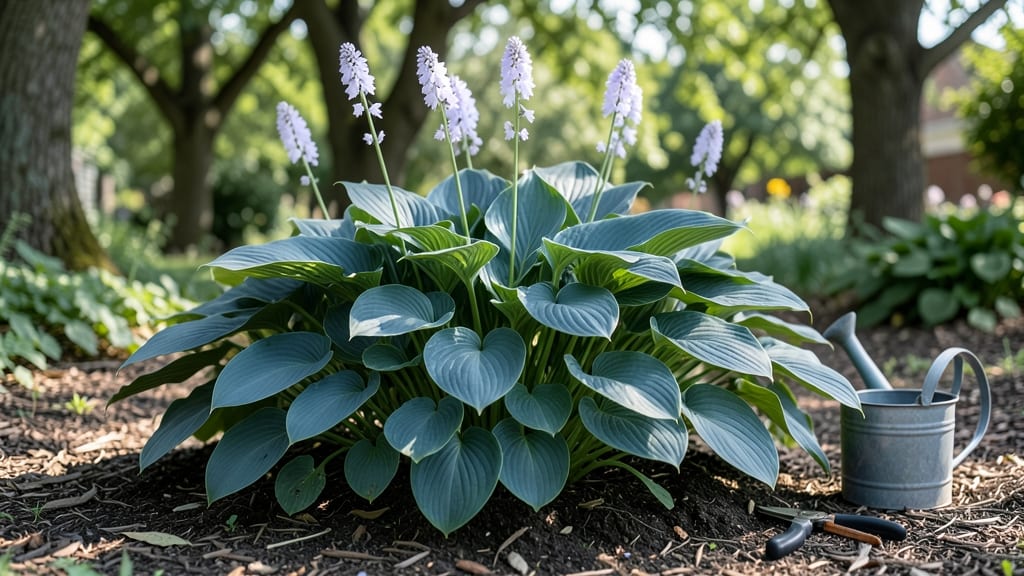
Zone 6 gardeners, rejoice—the best shade-loving plants for your area don’t just survive in deep shadows, they flourish there. 🌿 I’ve grown hostas, ferns, and astilbes in my own shaded corner, and they’ve outlasted sun-loving plants that struggled nearby.
The key is choosing the right species that handle Zone 6’s cold winters and damp summers without complaint.
These shade-loving stars need well-draining soil (even if it’s mostly organic matter) and consistent moisture—but they’ll reward you with vibrant foliage and blooms that last from spring through fall. Hostas, for example, multiply every year with almost no effort, while ferns add delicate texture to shady borders.
Even perennials like heuchera and bleeding heart bring bold colors without demanding full sun.
By late summer, your shade garden will be a cool, thriving oasis—perfect for escaping midday heat while still feeling connected to nature. The best part? These plants multiply naturally, so you’ll have extra to share (or trade for other shade lovers).
I’ve even spotted hummingbirds visiting my shade perennials for late-season nectar.
Whether you’re filling a woodland garden, lining a shady fence, or brightening a patio corner, these plants adapt to partial or full shade in Zone 6. Start with a few hardy varieties, and you’ll see how much life can flourish where others fail. Ready to transform your darkest spots?
📚 In This Guide
- What you need
- Instructions
- Tips and common mistakes
- Wrapping up and next steps
What you need
- ● Shade-tolerant plants: 5–10 varieties (e.g., Hosta, Ferns, Heuchera, Astilbe, or Lungwort). Choose Zone 6-hardy species (check USDA labels!).
- ● Well-draining potting mix: 2–3 bags (5–10 cubic feet total). Opt for a blend labeled for woods or shade gardens (e.g., Pro-Mix BX or FoxFarm Ocean Forest).
- ● Containers or garden beds: For containers: 1–2 per plant (12–18" diameter, with drainage holes). Terracotta or fabric pots work best.
- ● For in-ground planting: Loosen soil to 12–18" depth; amend with 3–4 inches of compost per square foot.
- ● Mulch: 1–2 bags (straw, shredded bark, or leaf mold). 3–4 inches helps retain moisture and suppress weeds.
- ● Watering can or hose with a gentle spray nozzle: Shade plants prefer consistent moisture—avoid overhead watering to prevent fungal issues.
- ● Gloves and knee pads: Protect your hands and joints during planting!
- ● Garden trowel or transplant spade: For precise digging (6–8" blade size).
- ● Pruners (sterilized): Trim dead foliage or shape plants as needed.
- ● Soil pH test kit: Shade plants often prefer slightly acidic to neutral soil (pH 6.0–7.0).
- ● Slow-release fertilizer (10-10-10 or organic options): 1–2 applications per season.
- ● Shade cloth (30–50% coverage): If your area gets dappled light, use this to mimic deeper shade.
- ● 🌡️ Timing: Plant perennials in early spring or fall (avoid Zone 6’s harsh winters or summer heatwaves).
- ● ✨ Soil prep: If your soil is clay-heavy, mix in peat moss or perlite to improve drainage.
- ● 💧 Watering schedule: Shade plants need 1–1.5 inches of water weekly (more in containers).
Step-by-Step guide to designing a thriving shade garden in Zone 6
Here’s how to create a lush, low-maintenance shade garden that blooms and flourishes even in Zone 6’s deepest shadows.
🌿 Step 1: Choose the Right Shade-Tolerant Plants for Your Space
Zone 6’s shade gardens thrive with plants like hostas, heucheras, astilbes, ferns, and bleeding hearts. These varieties handle 2-6 hours of dappled light or full shade without wilting. I always start with 3-5 focal plants—like a bold hosta ‘Blue Angel’—then fill gaps with trailing ajuga or liriope for texture.
Check your shade type: Dry shade (north-facing walls) needs moisture-retentive plants like heucheras, while wet shade (low spots) thrives with carex sedges or mosses. Plant labels often list light preferences—trust them! A mix of heights (12-36 inches) creates visual layers, so place taller astilbes at the back and ground-hugging sweet woodruff in front.
🪴 Step 2: Prepare Soil for Moisture and Nutrient Retention
Shade plants struggle in compacted or dry soil, so amend your garden bed with 3-4 inches of compost mixed into the top 12 inches of soil. I add 1 part peat moss or coconut coir to 2 parts native soil to improve drainage and water retention. For heavy clay, blend in sand or perlite to loosen the mix—shade plants reward you with vibrant foliage when roots aren’t suffocating.
Test your soil’s pH: Most shade-lovers prefer 6.0-7.0. If your soil is acidic (common in Zone 6), sprinkle lime lightly and retest in a few weeks. Mulch with 3 inches of shredded bark or leaf mold to lock in moisture and suppress weeds. Replenish mulch annually—it breaks down faster in shady, damp conditions.
☀️ Step 3: Plant With Strategic Spacing and Layering
Dig holes twice as wide as the root ball but only as deep as the container’s base. This prevents burying stems, which causes rot. Space plants 18-24 inches apart for medium-sized perennials like heucheras and 36 inches apart for larger hostas. I plant in clusters of 3-5 for a natural, woodland feel—it looks fuller faster than single specimens.
Place taller plants toward the back or center of the bed, then layer medium-height astilbes or foamflowers in front. Fill gaps with ajuga or lamium for trailing interest. Water deeply after planting to settle roots, then let the soil dry slightly before watering again—this encourages root growth downward instead of shallowly.
💧 Step 4: Water and Maintain for Long-Term Shade Success
Shade gardens stay moist longer, so water deeply 1-2 times per week (or daily in extreme heat) until plants establish roots (4-6 weeks). You’ll know they’re settled when new leaves emerge without wilting. I water in the early morning to reduce fungal risks—shade gardens are prone to powdery mildew if leaves stay damp overnight.
Fertilize lightly in early spring with a balanced 10-10-10 formula or a slow-release organic pellet. Over-fertilizing leads to leggy growth in shade plants. Deadhead spent blooms on astilbes and bleeding hearts to encourage more flowers, but leave seed heads on ferns and heucheras for winter interest.
✂️ Step 5: Prune and Divide for Healthy Growth
Most shade perennials need minimal pruning. Cut back dead or yellowed foliage in early spring before new growth appears. For heucheras, trim ragged leaves in late winter to make room for fresh shoots. Divide crowded hostas or astilbes every 3-4 years in early spring or fall—dig up clumps, split into sections with roots, and replant immediately.
Watch for pests like slugs (common in damp shade) and aphidscopper tape barriers. Spray aphids off with water or introduce ladybugs. With proper care, your shade garden will flourish for years—some hostas even outlive their original owners!
Tips & tricks for perfect shade garden design in Zone 6
Creating a thriving shade garden in Zone 6 takes a few strategic moves that make all the difference between a struggling patch and a lush, vibrant retreat.
Plant Selection Strategy: In Step 1, when choosing your 3-5 focal plants, prioritize varieties with foliage diversity—like the deep purple heuchera 'Palace Purple' or the chartreuse hosta 'Halcyon'. These stand out in shade where flowers often struggle. I also recommend adding one variegated plant (like lamium 'White Nancy') to create visual contrast and draw attention to darker corners. The key is balancing textures: combine the broad leaves of hostas with the delicate fronds of ferns and the feathery plumes of astilbes for that woodland magic.
Soil Prep Secret: For Step 2's soil preparation, don't just stop at the 3-4 inches of compost—work in a handful of worm castings if available. They release nutrients slowly and improve soil structure better than synthetic fertilizers. I've found that adding 1/4 cup of coffee grounds to each planting hole gives plants a nitrogen boost without overdoing it. This is especially helpful for heucheras and bleeding hearts, which appreciate the acidity. Just mix it right into the 12 inches of amended soil before planting.
Layering Like a Pro: When implementing Step 3's spacing, think vertically as much as horizontally. Use tall grasses like carex 'Ice Dance' (up to 36 inches) as natural dividers between plant clusters. This creates depth while using the same 18-24 inch spacing guidelines. I also recommend planting ground covers like sweet woodruff in a 3-inch deep trench along borders—they'll spread quickly and suppress weeds without competing with your focal plants.
Watering Wisdom: For Step 4's watering routine, consider installing a drip irrigation system on a timer for early morning watering. This delivers the deep, infrequent watering shade plants crave while preventing powdery mildew. I've seen gardens where ajuga and liriope stay perfectly green all summer because of this simple setup. If you must water by hand, use a soaker hose at the base of plants rather than overhead sprinklers—this mimics natural rainfall patterns and keeps foliage dry.
Pro Tips for Shade Loving Plants Zone 6
- Creating a thriving shade garden in Zone 6 takes a few strategic moves that make all the difference between a struggling patch and a lush, vibrant retreat.
- Plant Selection Strategy: In Step 1, when choosing your 3-5 focal plants, prioritize varieties with foliage diversity—like the deep purple heuchera 'Palace Purple' or the chartreuse hosta 'Halcyon'.
- Soil Prep Secret: For Step 2's soil preparation, don't just stop at the 3-4 inches of compost—work in a handful of worm castings if available.
Frequently asked questions
Got questions about growing shade-loving plants in Zone 6? You’re not alone—many gardeners wonder how to make the most of low-light spaces! Here are answers to the most common queries to help you create a lush, thriving shade garden with confidence.
What are the best shade-loving plants for Zone 6 that tolerate both dry and moist soil?
Zone 6’s shade gardens can range from dry (under trees) to damp (near foundations or low spots). Hostas and heucheras handle dry shade well, while ferns (like Ostrich Fern) and astilbes thrive in consistently moist conditions. For versatility, try Japanese painted ferns or foamflower—they adapt to moderate moisture levels.
When is the best time to plant shade-loving perennials in Zone 6?
The ideal times are early spring (March–April) or early fall (September–October). Spring planting gives roots time to establish before summer heat, while fall allows plants to settle in before winter dormancy. Avoid planting in mid-summer—the heat stresses tender roots.
Can I grow shade plants under large trees where roots compete for water?
Yes! Choose deep-rooted perennials like Hosta, Lungwort, or Solomon’s Seal to outcompete shallow tree roots. Mulch heavily (3–4 inches) with wood chips to retain moisture and suppress weeds. Avoid planting directly over tree roots—keep a 2–3 foot buffer for airflow and root space.
How do I protect shade plants from deer or rabbits in Zone 6?
Deer and rabbits love tender shade plants like Hostas and Lungwort. Use physical barriers (chicken wire or fencing) around young plants, or opt for deer-resistant varieties like Foxglove, Bleeding Heart, or Japanese Painted Fern. Repellent sprays (with ingredients like garlic or rotten eggs) can also help as a temporary deterrent.
Why are my shade plants yellowing or wilting despite getting enough water?
Yellowing leaves often signal overwatering (root rot) or nutrient deficiency. Check soil moisture—shade plants prefer consistently moist but well-draining soil. Amend heavy clay with compost or peat moss. If leaves wilt in heat, provide afternoon shade and mulch to retain coolness. Fungal issues (like powdery mildew) can also cause wilting—ensure good airflow and avoid overhead watering.
Wrapping up and next steps
Transforming your shady Zone 6 garden into a lush, vibrant oasis is totally doable—you just need the right plants! From heucheras and hostas to ferns and astilbes, these shade-loving stars bring color, texture, and life to even the darkest corners.
Don’t let limited sunlight hold you back—your green thumb can still shine bright! 🌿
Ready to dive in? Start small—pick 2-3 plants from this list, test your soil, and give them a try! Once you see how well they thrive, you’ll be inspired to expand your shade garden even further. Happy planting! 🌱