
Shrubs
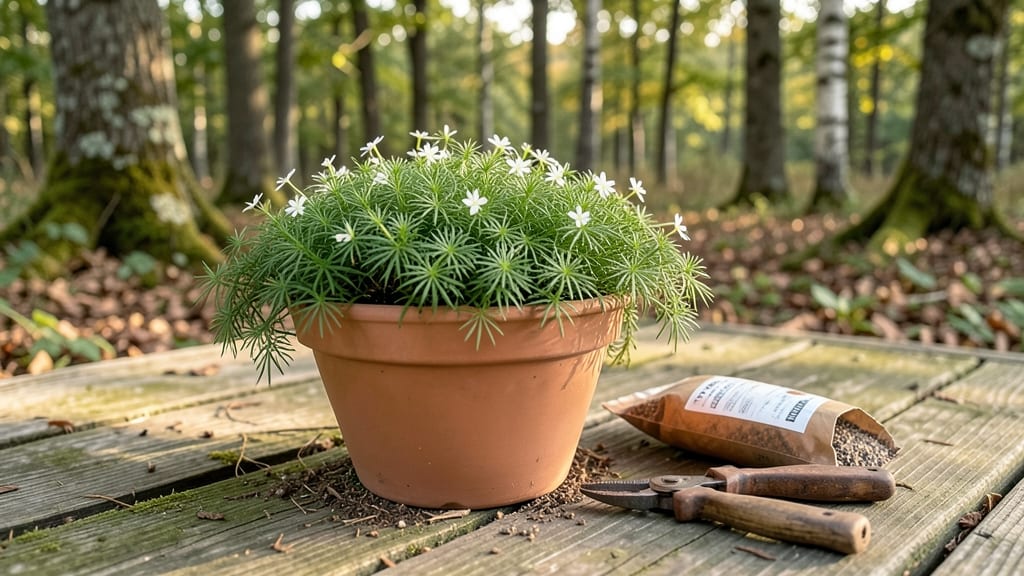
Irish moss thrives in deep shade where most plants give up. 🌿 I’ve used it to transform shady corners into velvety green carpets that stay lush even when nothing else grows. The secret? Understanding its love for cool, damp conditions—and how to mimic them in your garden.
This shade-loving ground cover needs partial to full shade, well-draining soil, and consistent moisture. Unlike sun-hungry plants, Irish moss tolerates 6+ hours of shade daily, making it perfect for under trees or north-facing beds. The key is keeping its roots cool and its leaves from drying out.
Once established, it spreads quickly into a dense mat that chokes out weeds and prevents erosion. Prune lightly in spring to maintain thickness, and pair it with ferns, hostas, or astilbes for a layered, low-maintenance woodland garden. The result? A soft, evergreen carpet that stays green year-round.
Common challenges include overwatering (it rots easily) and pests like slugs—but a little prevention goes a long way. With the right care, this shade specialist becomes the workhorse of your dimmest garden spots.
📚 In This Guide
- What you need
- Instructions
- Tips and common mistakes
- Wrapping up and next steps
What you need
- ● Irish moss (Sagina subulata) plants: 10–20 plants per 10 sq. ft. (ensure they’re healthy and well-rooted).
- ● Well-draining soil: Mix 60% topsoil with 40% organic compost or peat moss (Irish moss prefers slightly acidic to neutral soil, pH 6.0–7.0).
- ○ Mulch (optional but recommended): 2–3 inches of shredded bark, pine needles, or leaf mold to retain moisture and suppress weeds.
- ○ Slow-release fertilizer (optional): A balanced 10-10-10 or organic option like fish emulsion (apply lightly at planting).
- ● Watering can or hose with a gentle spray nozzle: Irish moss loves moisture but hates soggy roots!
- ● Garden trowel or small shovel: For planting and soil prep.
- ○ Gloves (optional): To protect hands from soil and sharp mulch.
- ● Measuring tape or string: To mark out planting areas (especially for slopes or large patches).
- ● Pruners (sterilized): For trimming leggy stems or shaping after planting.
- ● Shade tolerance check: Confirm your garden receives less than 4 hours of direct sunlight daily—Irish moss thrives in deep, dappled, or full shade!
- ● Epsom salt (magnesium sulfate): 1 tbsp per gallon of water (monthly spray for vibrant green growth).
- ● Ground cover fabric: Lay down in areas with aggressive weeds before planting.
- ● Garden stakes or edging: To define borders and keep Irish moss contained.
- ● Rain gauge or moisture meter: To monitor soil dampness (aim for consistently moist, not waterlogged).
Step-by-Step guide to establishing Irish moss in shaded areas
This hardy ground cover thrives where others fail—here's how to create a lush, low-maintenance carpet in deep shade.
🌱 Step 1: Prepare the Soil for Optimal Drainage and Moisture
Irish moss demands consistently moist soil but despises waterlogged conditions. Begin by testing your site's drainage—dig a 6-inch deep hole and fill it with water. If it drains completely within 1 hour, your soil is ideal. If water remains after 4 hours, amend with 1 inch of coarse sand or perlite mixed into the top 4 inches of soil.
This moss prefers slightly acidic soil with a pH between 5.0 and 6.5. If your soil tests higher, incorporate 1 pound of sulfur per 100 square feet and mix thoroughly. The goal is a soft, spongy texture that holds moisture like a damp sponge—never compacted or clay-heavy. I like to work in a 2-inch layer of peat moss across the planting area to improve moisture retention naturally.
🪴 Step 2: Plant in Spring or Early Fall for Best Establishment
Timing matters more than you'd think. Plant in early spring (after the last frost) or early fall (6 weeks before first frost) to avoid extreme heat or cold during root establishment. Divide existing moss mats into 2-inch squares using a sharp knife, ensuring each piece has a healthy root system attached.
Space your squares 3-4 inches apart in rows 6 inches apart. Press each piece gently into the soil so the top edges align with the ground surface—no burying, just firm contact. Water immediately after planting until moisture seeps 2 inches deep. You'll know it's right when the soil looks uniformly damp but not saturated.
☀️ Step 3: Maintain Consistent Moisture Without Overwatering
Irish moss thrives in shade but will brown and die if allowed to dry out. Water 2-3 times weekly during the first growing season, aiming for 1 inch of water per week. Use a rain gauge or tuna can to measure—your eye often overestimates. In deep shade, evaporation slows, so check soil moisture by pushing a finger 1 inch deep; water when it feels dry.
Mulch with 2 inches of shredded bark or pine needles after establishment to conserve moisture and suppress weeds. Avoid organic mulches like wood chips, which can compact over time and suffocate the moss. You'll notice the moss spreading naturally as it matures—healthy growth looks like a velvety green carpet with no bare soil visible.
✂️ Step 4: Divide and Refresh Every 2-3 Years
Even the hardiest ground covers need occasional rejuvenation. In early spring, carefully lift sections of the moss mat and divide them into 2-inch squares again. This prevents thinning and maintains vigor. Replant the divisions in bare spots or share with fellow gardeners—Irish moss spreads easily and makes a fantastic gift.
Watch for moss turning yellow or brown at the edges—this signals either too much sun or insufficient moisture. If your area gets more than 2 hours of direct sun daily, consider adding a 30% shade cloth during peak afternoon sun. With proper care, your Irish moss will create a lush, maintenance-free ground cover that outshines traditional lawns in shaded areas.
Tips & tricks for perfect Irish moss ground cover
Transforming your shady garden into a velvety green paradise takes more than just planting—here’s how to avoid common pitfalls and ensure your moss thrives.
Soil Texture Matters: The 6-inch drainage test in Step 1 isn’t just about water—it’s about creating the perfect sponge-like environment. If your soil drains too quickly, add a 2-inch layer of peat moss to retain moisture without suffocating roots. For clay-heavy soil, mix in 1 inch of perlite to break up compaction while maintaining that damp sponge consistency. Think of it like preparing a perfect cake batter: too dry and it crumbles, too wet and it’s a mess.
Planting Precision: When dividing those 2-inch squares in Step 2, resist the urge to bury them! The top edges should align with the soil surface—no deeper. Press gently so roots make contact, but don’t compact the soil around them. I’ve seen gardeners accidentally plant too deep, which causes rot. A quick trick: Use a ruler to check depth right after planting—this ensures consistency across your entire moss carpet.
Watering Wisdom: Those 2-3 weekly waterings in Step 3 sound simple, but timing is everything. Water in the morning so moisture evaporates slowly, and always check soil 1 inch deep with your finger. If it’s dry, water until the top 2 inches are moist. Overwatering is just as deadly as underwatering—your moss should look like a damp green sponge, not a swamp. A rain gauge or tuna can makes this easier than eyeballing.
Mulch Strategy: The 2 inches of shredded bark in Step 3 isn’t just decoration—it’s a moisture shield. Apply it after the moss is established (about 4-6 weeks in), keeping it 1 inch away from the moss edges to prevent rot. Pine needles work beautifully too, as they naturally acidify the soil slightly over time. Avoid wood chips—they compact and block sunlight, which your moss desperately needs.
Pro Tips for Irish Moss Shade
- Transforming your shady garden into a velvety green paradise takes more than just planting—here’s how to avoid common pitfalls and ensure your moss thrives.
- Soil Texture Matters: The 6-inch drainage test in Step 1 isn’t just about water—it’s about creating the perfect sponge-like environment.
- Planting Precision: When dividing those 2-inch squares in Step 2, resist the urge to bury them!
Frequently asked questions
Got questions about growing Irish moss shade? You’re not alone! Here are some of the most common queries—plus straightforward answers to help you cultivate lush, thriving ground cover even in deep shadows.
Can Irish moss shade survive in full shade with no direct sunlight?
Irish moss (Chondrus crispus) is one of the few plants that thrives in deep shade, making it perfect for under trees, north-facing walls, or shaded patios. While it prefers bright indirect light, it can tolerate full shade—though growth may be slower. Just ensure the soil stays consistently moist, and you’ll still get that signature velvety green coverage.
How long does it take for Irish moss shade to establish and spread?
Patience is key! Irish moss spreads slowly but steadily. In ideal conditions (moist, shaded soil), you’ll see noticeable growth in 3–6 months. Full coverage of a small area (like a 4’x4’ patch) typically takes 1–2 years. For faster results, consider layering it over an existing lawn or mixing it with faster-spreading ground covers like creeping thyme.
What’s the best way to keep Irish moss shade hydrated in dry shade?
Since shade can make soil dry out unevenly, mulch is your best friend! Apply a 2–3 inch layer of organic mulch (like shredded bark or leaf litter) to retain moisture. Water deeply 2–3 times per week during dry spells, aiming for the roots. Avoid overhead sprinklers, which can encourage fungal issues. A soaker hose works wonders for even hydration.
Are there alternatives to Irish moss if I need faster shade-tolerant ground cover?
If you’re eager for quicker results, try these shade-loving alternatives:
- Creeping Jenny (Lysimachia nummularia) – Spreads rapidly with bright yellow-green foliage.
- Sweet woodruff (Galium odoratum) – Fragrant, low-growing, and drought-tolerant once established.
- Hosta varieties (e.g., ‘Blue Angel’) – Classic shade plants with bold foliage (but less dense coverage).
- Liriope muscari (‘Big Blue’) – Grass-like, tough, and great for edges.
Why is my Irish moss turning brown or dying in patches?
Brown patches usually signal one of three issues:
- Too much dryness – Irish moss hates drought. Check soil moisture and increase watering.
- Poor drainage – If soil stays soggy, roots suffocate. Amend with compost or perlite.
- Fungal issues – Overhead watering or humidity can cause mold. Space plants for airflow and avoid wetting foliage.
Wrapping up and next steps
Irish moss shade thrives where others falter—turning dim corners of your garden into vibrant, lush retreats with minimal effort! 🌿 Its hardy nature and striking green hues make it a dream for ground cover, especially in low-light spots.
Whether you’re a seasoned gardener or just starting, this shade-loving plant offers beauty and resilience without the fuss.
Ready to transform your garden? Start small: grab a few Irish moss cuttings, prep your shady spot, and watch your space bloom with effortless elegance. Happy gardening! 🌱