
Flowers
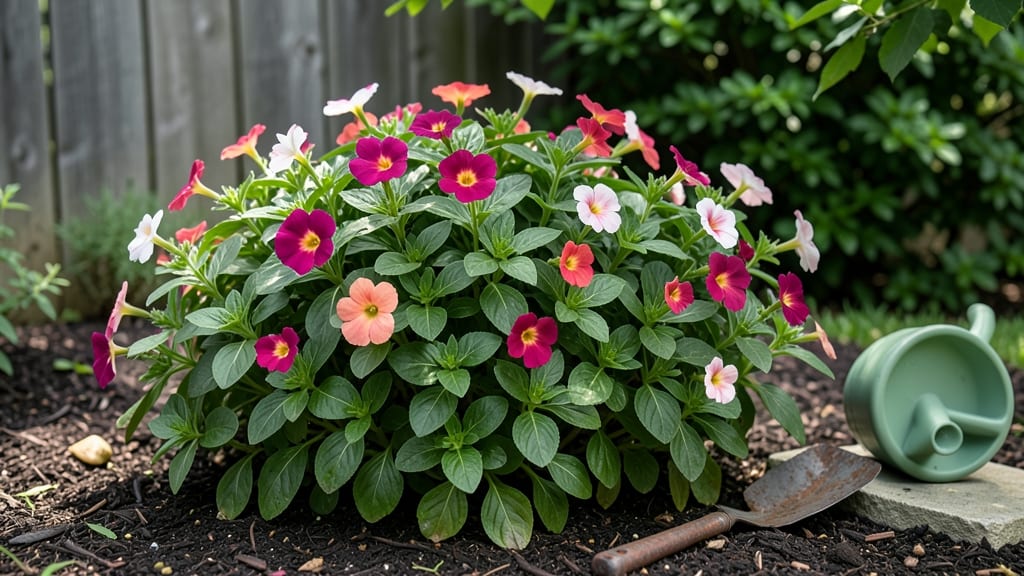
Zone 9 shade flowers don’t have to be dull—impatiens, fuchsias, and caladiums prove that vibrant blooms thrive where others fail, and I’ve filled my own shaded patio with these drought-tolerant stars. our brutal summer humidity.
The secret lies in matching plants to your specific shade type: dappled sunlight from trees or deep, dense shade under eaves. Most shade lovers need well-draining soil and consistent moisture—but once established, they'll handle our Zone 9 heat better than sun-loving annuals ever could.
My caladiums even push through the summer with barely a wilt. You'll end up with a garden that stays lush when others brown out, blooming from spring through fall. The foliage alone—velvety burgundy, glossy green, and striped leaves—makes these plants worth growing, even without flowers.
And the best part? They attract hummingbirds and butterflies that sun-loving plants often miss. Works for containers, understory plantings, or full shade beds. Here's how to pick the perfect palette for your space—no sun required!
📚 In This Guide
- What you need
- Instructions
- Tips and common mistakes
- Wrapping up and next steps
What you need
- ● Shade-tolerant flower seeds or nursery starts: Impatiens (10-20 plants)
- ● Fuchsia (5-10 plants)
- ● Bleeding heart (3-5 plants)
- ● Hosta (5-8 plants, for foliage contrast)
- ● Caladium (10-15 tubers, for bold leaves)
- ● Well-draining potting mix: 5-10 gallons (look for a blend labeled for shade gardens or woodland plants).
- ● Organic mulch: 2-3 bags (shredded bark or pine needles to retain moisture).
- ● Slow-release fertilizer: 1-2 lbs (10-10-10 or a shade-specific formula).
- ● Garden trowel or hand shovel
- ● Gloves (to protect from soil and thorns)
- ● Watering can or hose with a gentle spray nozzle
- ● Measuring tape or ruler (for spacing plants 12-24" apart)
- ○ Optional: Pruners (for trimming leggy growth) or a soil moisture meter (to check drought levels).
- ● Location: A spot with partial to full shade (dappled sunlight or <6 hours of direct sun daily).
- ● Soil prep: Amend heavy clay soil with compost (2-3 inches mixed in).
- ● Watering schedule: Keep soil consistently moist but not soggy (especially critical for new plants).
- ● Zone 9 timing: Plant in spring (March-April) or fall (September-October) to avoid extreme heat.
How to design a thriving shade garden in Zone 9
Here’s how to create a lush, low-maintenance shade garden that thrives in Zone 9’s humidity and partial shade.
🌱 Step 1: Choose the Right Shade-Tolerant Flowers
Select plants that naturally thrive in low to moderate light—avoid sun-lovers like marigolds or zinnias. For Zone 9, focus on impatiens, ferns, hellebores, and caladiums, which handle humidity and dappled shade beautifully. I always check the USDA Plant Hardiness Zone tag on seed packets to confirm shade tolerance.
Look for drought-tolerant varieties like African violets or begonias, which need less frequent watering once established. These plants also resist fungal issues common in humid climates. Group them by water needs—some prefer moist soil, while others thrive in well-draining conditions.
💧 Step 2: Prepare the Soil for Moisture Retention
Shade gardens need rich, organic soil that holds moisture without becoming waterlogged. Mix 2-3 inches of compost into the top 6 inches of soil to improve drainage and aeration. I like to add a slow-release fertilizer (like 10-10-10) at planting to give roots a nutrient boost without burning tender foliage.
Test your soil’s pH—most shade flowers prefer slightly acidic to neutral (6.0-7.0). If your soil is heavy clay, amend it with 1 part perlite or sand to every 3 parts soil to prevent compaction. Water the amended soil until it’s evenly moist but not soggy before planting.
☀️ Step 3: Plant in Layers for Visual Depth
Create a multi-tiered look by planting tall flowers (like cannas or hostas) at the back, medium-height blooms (such as impatiens or ferns) in the middle, and spreading ground covers (like sweet potato vine) in front. This mimics a natural woodland understory and maximizes space.
Dig holes twice as wide as the root ball but only as deep as the container’s base. Gently remove plants from pots and loosen tangled roots with your fingers—this encourages faster establishment. Space plants 12-18 inches apart for air circulation, which reduces fungal diseases in humid climates.
🌿 Step 4: Mulch to Retain Moisture and Suppress Weeds
Apply a 2-3 inch layer of organic mulch (like shredded bark or pine needles) around plants, keeping it 2 inches away from stems to prevent rot. Mulch keeps soil cool and moist, which is critical in Zone 9’s heat. I refresh mulch once a year in early spring to maintain its protective layer.
Water deeply after planting to settle the soil around roots, then reduce to 1 inch per week during dry spells. Shade gardens often dry out slower than sunny ones, so check soil moisture—stick your finger 1 inch deep. If it’s dry, water; if damp, wait. Overwatering is the fastest way to smother roots in humid climates.
✂️ Step 5: Prune and Maintain for Continuous Blooms
Deadhead spent blooms regularly to encourage new flowers—especially on impatiens and begonias, which reward consistent care with nonstop color. Trim leggy stems back by one-third in early summer to promote bushier growth. I always use clean, sharp pruners to avoid tearing leaves or spreading disease.
Fertilize lightly every 6-8 weeks with a balanced, water-soluble fertilizer (like 20-20-20) diluted to half strength. Too much fertilizer burns shade plants, which are slower to recover. Watch for yellowing leaves—this often signals overwatering or nutrient imbalance. Adjust care based on what you see.
Tips & tricks for perfect shade gardens in Zone 9
Creating a thriving shade garden in Zone 9's challenging climate takes a few key strategies that go beyond basic planting. Here's what I've learned from years of trial and error in my own garden.
Plant Selection Wisdom: When choosing shade-tolerant plants for Zone 9, prioritize those labeled as "drought-tolerant" on their tags. I've found that African violets and begonias handle our humidity better than many other options, but even they need proper placement. Group plants with similar water needs together—those that prefer moist soil (like impatiens) should go near your water source, while drought-tolerant varieties (like ferns) can be placed further away. This simple grouping prevents overwatering or underwatering issues that plague many shade gardens.
Soil Preparation Secret: The 2-3 inches of compost mixed into the top 6 inches of soil is non-negotiable for Zone 9 shade gardens, but here's the part nobody tells you: I always add a handful of worm castings to that mix. The beneficial microbes in worm castings help plants establish faster and resist the fungal diseases that thrive in our humid climate. For clay-heavy soils, I find that adding 1 part perlite to 3 parts soil makes a dramatic difference in drainage without sacrificing moisture retention.
Layering Technique: Creating visual depth through layering isn't just about aesthetics—it's about maximizing your garden's potential. When planting your tall flowers (cannas, hostas) at the back, make sure they're spaced 18 inches apart to allow for their mature size. The middle layer of impatiens or ferns should get 12-15 inches of space, while ground covers like sweet potato vine can spread freely. This spacing prevents overcrowding, which leads to poor air circulation and fungal problems in our climate.
Mulching Mastery: That 2-3 inch layer of organic mulch is essential, but timing matters. I've learned to apply mulch immediately after planting and watering deeply—this creates a moisture barrier that's crucial in Zone 9's heat. Refreshing the mulch once a year in early spring is key, but don't forget to pull back the mulch slightly from plant stems to prevent rot. For extra protection against our humidity, I sometimes add a thin layer of pine needles on top of the regular mulch—they naturally repel some fungal spores.
Pro Tips for Shade Flowers Zone 9
- Creating a thriving shade garden in Zone 9's challenging climate takes a few key strategies that go beyond basic planting.
- Plant Selection Wisdom: When choosing shade-tolerant plants for Zone 9, prioritize those labeled as "drought-tolerant" on their tags.
- The beneficial microbes in worm castings help plants establish faster and resist the fungal diseases that thrive in our humid climate.
Frequently asked questions
Got questions about growing shade-loving flowers in Zone 9? You’re not alone! Here are some of the most common concerns—and their solutions—to help you create a thriving, low-maintenance garden.
What are the best drought-tolerant shade flowers for Zone 9?
Look for native or adapted varieties like Caladiums, Hosta, Fuchsia, Impatiens, and African Violet. These handle humidity and infrequent watering well. Pro tip: Group plants with similar water needs to simplify care!
When is the best time to plant shade flowers in Zone 9?
Plant in early spring (March-April) or late summer (August-September) to avoid extreme heat. Avoid transplanting during peak summer (June-July) when roots struggle. Bulbs like Hosta can even be planted in fall for early blooms!
How often should I water shade flowers in Zone 9?
Water deeply 1-2 times per week (more in extreme heat). Mulch with 3 inches of organic material (like wood chips) to retain moisture. Drought-tolerant picks (e.g., Liriope) need even less—just monitor soil dryness!
Why are my shade flowers wilting or yellowing?
Check for overwatering (root rot), pests (slugs, aphids), or poor drainage. Yellow leaves often signal iron deficiency—amend soil with chelated iron or compost. Troubleshoot: Move plants to partial shade if leaves scorch.
Can I grow shade flowers in containers in Zone 9?
Use well-draining pots (12"+ diameter) with moisture-retentive mix (pearlite + coco coir). Top picks: Begonias, Ferns, or Coleus. Key: Water containers daily in heat—they dry out faster!
Wrapping up and next steps
Transforming your Zone 9 garden into a lush, vibrant retreat is easier than you think—even in the shade! 🌿 With drought-tolerant blooms like Impatiens, Hosta, and Fuchsia, you can create a thriving oasis that’s both beautiful and low-maintenance.
The key? Choosing the right plants, preparing the soil, and giving them the care they crave.
Ready to dive in? Start small—pick one or two of these shade stars, plant them with confidence, and watch your garden come alive! Your next step? Grab your gloves, sketch a simple layout, and let nature do the rest. Happy gardening! 🌸