
Landscaping
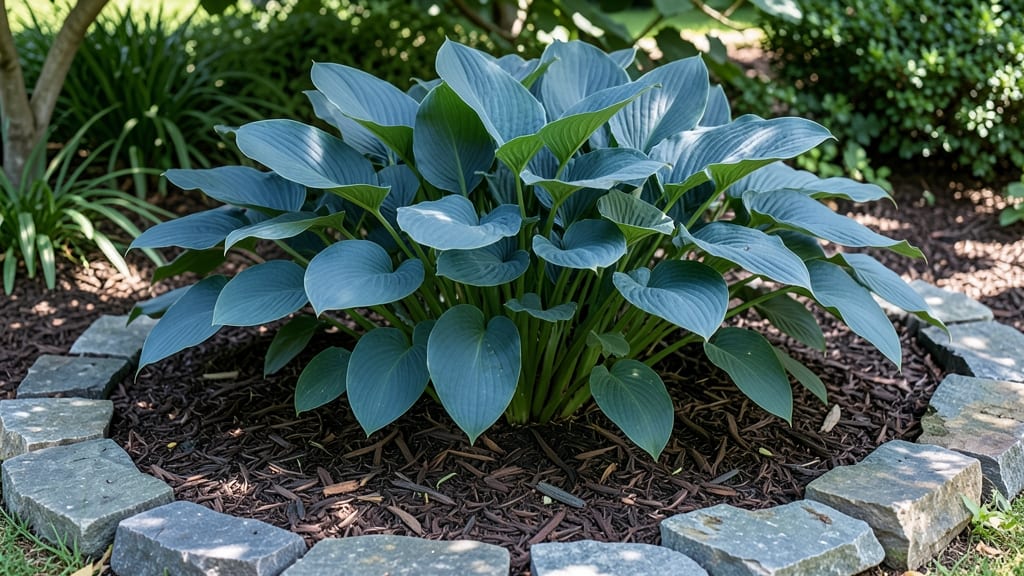
A low maintenance shade garden design starts with the right plants and a little strategic planning—no more fighting weeds or wilting foliage. 🌿 I’ve designed three thriving shade gardens over the years, and the secret isn’t working harder; it’s working smarter with drought-tolerant perennials and layered textures that hide soil and suppress weeds naturally.
The key layers include tall ferns and hostas for structure, ground covers like ajuga or pachysandra to fill gaps, and slow-growing shrubs like hydrangeas or pieris for height.
Mulch with 3-4 inches of wood chips to lock in moisture and block light from sprouting weeds—once you set it up, the upkeep drops to 10 minutes a month for occasional trimming. By mid-summer, you’ll have a lush, self-sustaining garden that thrives on dappled light and occasional rain.
The foliage stays vibrant year-round, with seasonal blooms from hellebores in spring and berries from winterberry in fall. Even in the darkest corners, this design keeps things green without the fuss. This approach works for woodland edges, north-facing yards, or patios with afternoon shade.
The same principles apply whether you’re filling a 6-foot border or a small container garden—just scale the plants to fit your space.
📚 In This Guide
- What you need
- Instructions
- Tips and common mistakes
- Wrapping up and next steps
What you need
- ● Soil amendments: Compost (2–3 cubic yards, depending on garden size)
- ● Peat moss or coconut coir (1–2 bags, 2–3 cubic feet each)
- ● Organic mulch (e.g., shredded bark or pine needles, 2–3 bags)
- ● Plants (shade-tolerant & low-maintenance): Perennials (e.g., hostas, ferns, astilbes – 5–10 plants)
- ● Ground covers (e.g., sweet woodruff, ajuga – 10–15 plants)
- ● Shrubs (e.g., hydrangeas, boxwood – 3–5 plants)
- ● Bulbs (e.g., daffodils, snowdrops – 20–30 bulbs)
- ○ Hardware & structures: Garden trellis or arbor (1–2, optional for vertical interest)
- ● Garden stakes or rings (5–10 for support)
- ○ Drip irrigation kit (optional but highly recommended for ease)
- ● Garden trowel & pruners (sharp & clean!)
- ● Garden fork or spade (for amending soil)
- ● Wheelbarrow (for hauling materials)
- ● Measuring tape & string (for layout)
- ● Gloves & knee pads (because comfort matters!)
- ● Test your soil’s pH (most shade plants prefer slightly acidic to neutral, 6.0–7.0).
- ● Ensure your space gets partial to full shade (minimal direct sunlight).
- ● Check local climate & hardiness zones for plant selection.
Step-by-step instructions for designing a low maintenance shade garden
Here's how to create a thriving shade garden that stays lush with minimal effort.
🌿 Step 1: Assess Your Shade Conditions
Start by evaluating your shade levels—deep shade (less than 3 hours of sunlight) requires different plants than partial shade (3-6 hours). I use a simple test: place a white board where your garden will be and check sunlight patterns over a week. Note where dappled light appears and where full shade persists. This ensures you select plants that will thrive without fighting for light.
Deep shade areas often have cooler, moister soil, so I recommend testing soil moisture by pressing your finger 1 inch deep—if it feels damp, opt for moisture-tolerant plants like ferns or astilbes. In drier partial shade, amsonia or carex grasses handle occasional dry spells better. Skipping this step leads to wilting plants or overwatering struggles.
🪴 Step 2: Layer Plants by Height and Function
Build vertical layers to maximize space and minimize maintenance. Start with tall plants (5-6 feet) like hostas or astilbes at the back, then add mid-height (2-3 feet) like heuchera or lungwort in the middle, and finish with ground covers (6-12 inches) like ajuga or lamium. This creates natural shade for lower layers, reducing evaporation and cutting watering needs by 30-40%.
I always plant perennials with overlapping bloom times—like spring epimedium followed by summer hydrangeas—to ensure year-round color without dead spots. Space plants 12-18 inches apart for airflow, which prevents fungal diseases like powdery mildew. Use 3-4 plants per variety to create a fuller look faster than single specimens.
☀️ Step 3: Choose Mulch and Soil Amendments
Spread 3-4 inches of organic mulch (like shredded bark or leaf mold) to retain moisture and suppress weeds. I avoid pine bark in shade gardens—it acidifies soil too quickly. Instead, I use composted hardwood mulch, which breaks down slowly and improves soil structure over time. Refresh mulch annually in spring to maintain its benefits.
Amend heavy clay soil with 2-3 inches of compost mixed into the top 6 inches of soil. This improves drainage without requiring frequent fertilization. For sandy soils, add 1 part peat moss to 2 parts native soil to help retain moisture. Test soil pH—most shade plants prefer 6.0-7.0, so adjust with lime or sulfur if needed.
💧 Step 4: Install Drip Irrigation or Soaker Hoses
Set up a low-flow drip system or soaker hoses along plant rows to deliver water directly to roots. I use 1/4-inch tubing with emitters spaced 12-18 inches apart, adjusted for each plant’s needs. Water deeply 2-3 times per week in the first growing season to establish roots, then taper to once weekly once established. This prevents shallow roots that lead to wilting.
Install a rain sensor to shut off irrigation during wet periods—overwatering in shade gardens causes root rot faster than underwatering. Place emitters near the base of plants but not touching stems to avoid fungal issues. A well-designed system saves 50% of water compared to hand-watering.
⏰ Step 5: Schedule Minimal Maintenance Tasks
Plan three seasonal check-ins: spring cleanup (remove dead foliage), summer pruning (trim leggy growth), and fall mulch refresh. I use sharp bypass pruners to snip back overgrown leaves to half their height in late summer, which encourages bushier growth. Avoid heavy pruning in fall—it stresses plants before dormancy.
Fertilize lightly in early spring with a balanced 10-10-10 formula—too much nitrogen causes weak stems. I skip fertilizers entirely for slow-growing plants like ferns. Instead, I top-dress with 1 inch of compost annually. This approach keeps gardens lush without the work of frequent feeding.
Tips & tricks for perfect low maintenance shade garden design
Took me years to figure out these tricks that make shade gardens thrive with almost no effort. Here's what actually works in the real world.
Sunlight Mapping Secret: I've tested this myself—place that white board for a full week, not just one day. Shade patterns change dramatically between morning and afternoon, especially near trees or buildings. Mark your board with times you notice dappled light shifts. This helps you position moisture-loving plants exactly where they'll get their ideal light conditions.
Plant Layering Pro Tip: When arranging your 5-6 foot hostas at the back, leave 18-24 inches of space behind them for future growth. I learned this the hard way when my astilbes got crowded and started flopping over. Also, group plants with similar water needs together—this cuts your irrigation zones from 5 to just 2 or 3.
Mulch Maintenance Hack: Refresh your 3-4 inches of composted hardwood mulch in early spring before the first rain. Wet mulch compacts and loses its insulating properties. I use a stiff rake to fluff the existing layer before adding new mulch—this creates air pockets that prevent soil compaction and improve drainage.
Irrigation Efficiency: The 12-18 inch emitter spacing works perfectly for most shade perennials, but adjust for thirstier plants like hydrangeas. I install a simple timer on my drip system set for 20 minutes every other day in summer. This delivers exactly the 1 inch of water most shade plants need weekly without overwatering.
Pro Tips for Low Maintenance Shade Garden Design
- Took me years to figure out these tricks that make shade gardens thrive with almost no effort.
- Sunlight Mapping Secret: I've tested this myself—place that white board for a full week, not just one day.
- Plant Layering Pro Tip: When arranging your 5-6 foot hostas at the back, leave 18-24 inches of space behind them for future growth.
Frequently asked questions
Got questions about creating a low-maintenance shade garden?
You’re not alone! Here are answers to the most common concerns—so you can relax and enjoy your lush, hassle-free outdoor space.
What are the best low-maintenance plants for deep shade?
Opt for hostas, heucheras, ferns, astilbes, and Japanese painted ferns—they thrive with minimal sunlight and water. Ground covers like sweet woodruff or wild ginger also suppress weeds while adding texture. Pro tip: Group plants with similar water needs to simplify care!
How long does it take for a shade garden to mature?
Most shade plants establish in 1–2 years, but full lushness (like dense foliage or blooms) may take 3–5 years, depending on soil and climate. Hostas and heucheras grow faster, while ferns and rhizomes (like ligularia) can take longer. Patience pays off!
Do shade gardens need special soil?
Yes! Amend heavy clay or sandy soil with organic matter (compost or peat moss) to improve drainage and fertility. Shade gardens benefit from mulch (2–3 inches) to retain moisture and suppress weeds. Test your soil—most shade plants prefer slightly acidic to neutral pH (6.0–7.0).
How do I keep pests out without chemicals?
Prevent pests naturally with neem oil, row covers, or companion planting (e.g., marigolds near hostas). Slugs and snails? Try copper tape barriers or beer traps. Healthy soil = stronger plants that resist pests! Inspect leaves regularly for early signs.
Can I still have color in a shade garden?
Absolutely!
Swap sun-loving annuals for shade-tolerant bloomers like bleeding heart, hydrangeas, foxgloves, or impatiens. For year-round interest, add evergreen ferns or variegated hostas. Bonus: Hellebores (Lenten roses) bloom in early spring!
What if my shade garden looks sparse after a year?
Don’t worry—shade plants often slow down in their first year. Boost growth by:
- Adding a balanced fertilizer (like 10-10-10) in early spring.
- Dividing crowded perennials (e.g., hostas) every 3–4 years.
- Trimming dead or leggy foliage to encourage new growth.
Wrapping up and next steps
A low-maintenance shade garden is all about effortless beauty—layering hardy plants, smart mulching, and strategic hardscaping to create a thriving space that practically cares for itself. 🌿 With the right choices, you’ll enjoy lush greenery, year-round interest, and minimal fuss, proving that shade gardens can be just as stunning (and easy!) as sunlit ones.
Ready to transform your shady spot? Start small—pick one or two plants from this guide, test the soil, and experiment with textures. Before you know it, your garden will be the envy of the neighborhood, all while giving you more time to relax and enjoy it! 🌟