
Shrubs
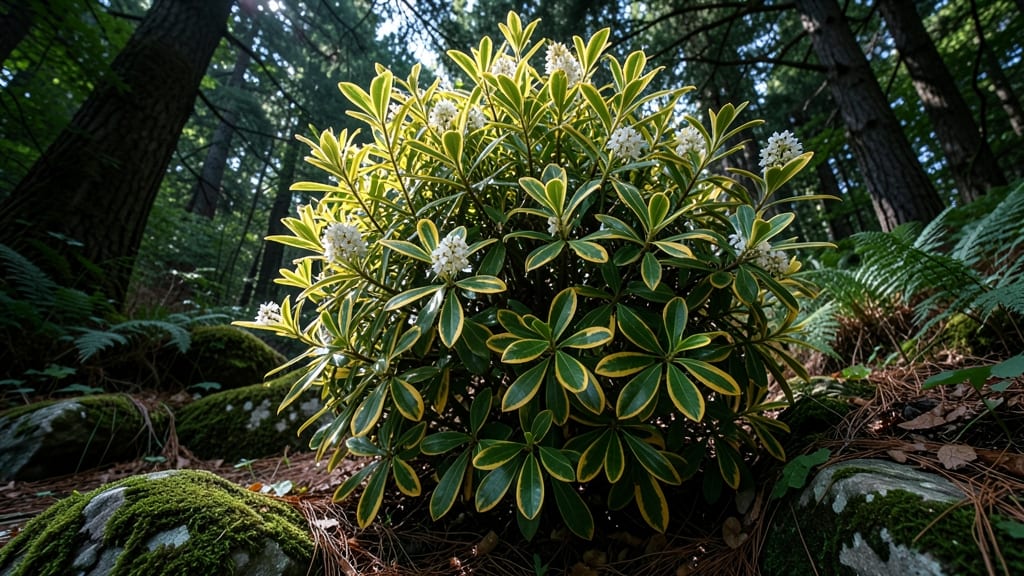
Zone 6 gardeners need shade bushes that thrive in low-light conditions while providing year-round visual interest. These 10 deer-resistant varieties offer lush foliage, unique textures, and minimal maintenance—perfect for transforming shady corners into lush, low-stress landscapes.
Dwarf Fothergilla Bushes For Fragrant Spring Blooms
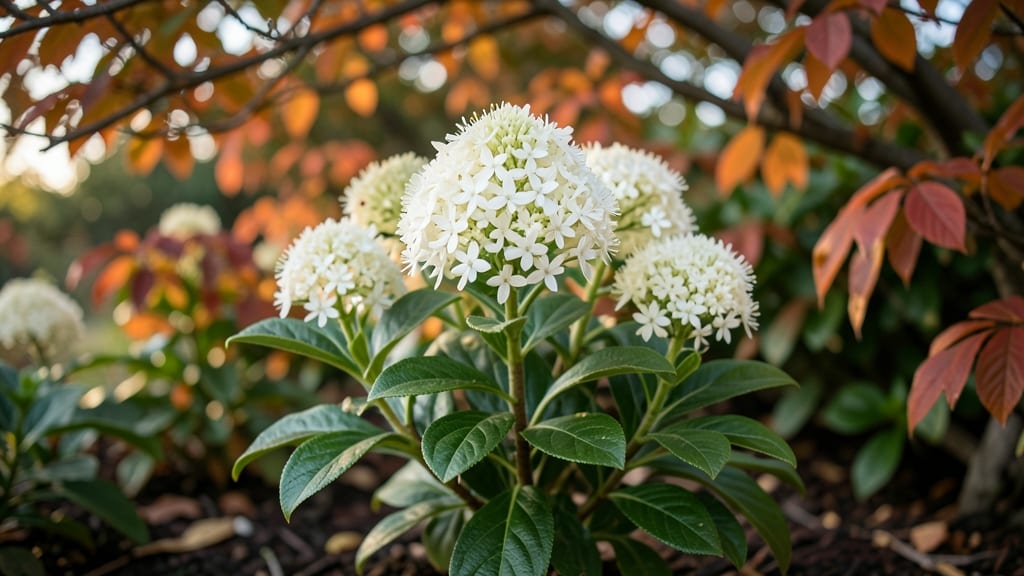
If you love fragrance in your garden but struggle with deer damage, dwarf fothergilla (Fothergilla gardenii) is your secret weapon. This compact shrub (reaching just 3-4 feet tall) bursts with vanilla-scented white flowers in spring, followed by fiery orange-red fall foliage—all while deer leave it alone thanks to its tough, leathery leaves.
Thriving in partial to full shade, it adapts to most soils but prefers moist, well-drained conditions. Prune lightly after flowering to maintain shape, and watch as it transforms shady spots with seasonal color. The fragrant blooms attract pollinators, while the textured foliage adds winter interest.
Perfect for small gardens, containers, or woodland edges, this low-maintenance shrub gives you year-round interest without the fuss. 🌷
Inkberry Holly Shrubs For Evergreen Year-Round Privacy
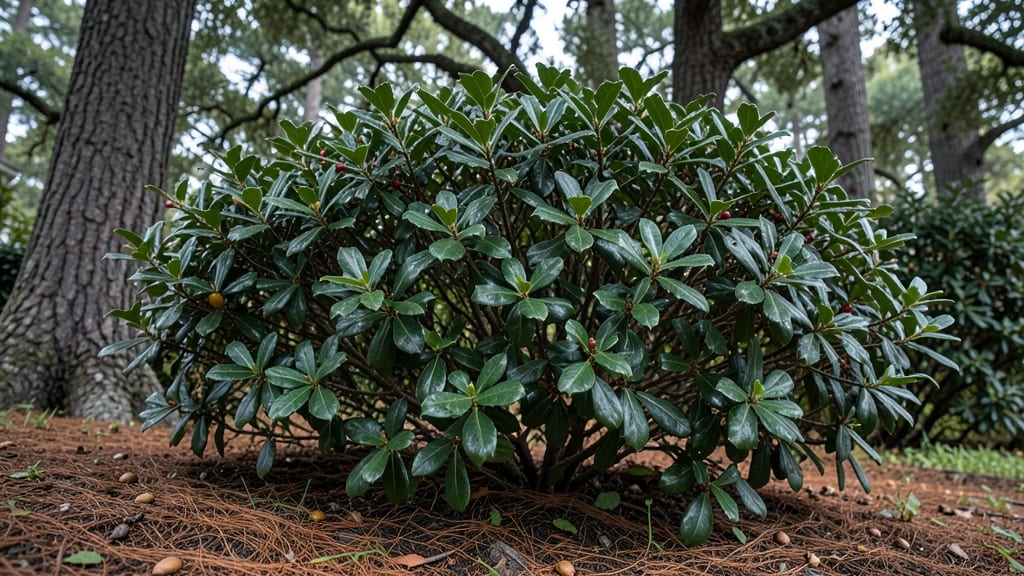
Tired of struggling with leggy, sparse hedges in your shady backyard? Inkberry Holly (Ilex glabra) delivers dense, evergreen privacy without the fuss of constant pruning—ideal for Zone 6 gardeners who want a low-maintenance solution.
This native holly thrives in deep shade (even under trees) and grows 6–12 feet tall, forming a tight, bushy hedge that blocks views naturally. The glossy, dark green leaves stay vibrant year-round, while small red berries appear in fall—adding wildlife value while deterring deer. Prune just once a year in late winter for shape, and enjoy decades of trouble-free screening.
Perfect for urban yards, woodland edges, or as a windbreak, Inkberry Holly is the ultimate "plant it and forget it" shrub for shade lovers. 💚
Japanese Pieris For Cascading Winter Interest
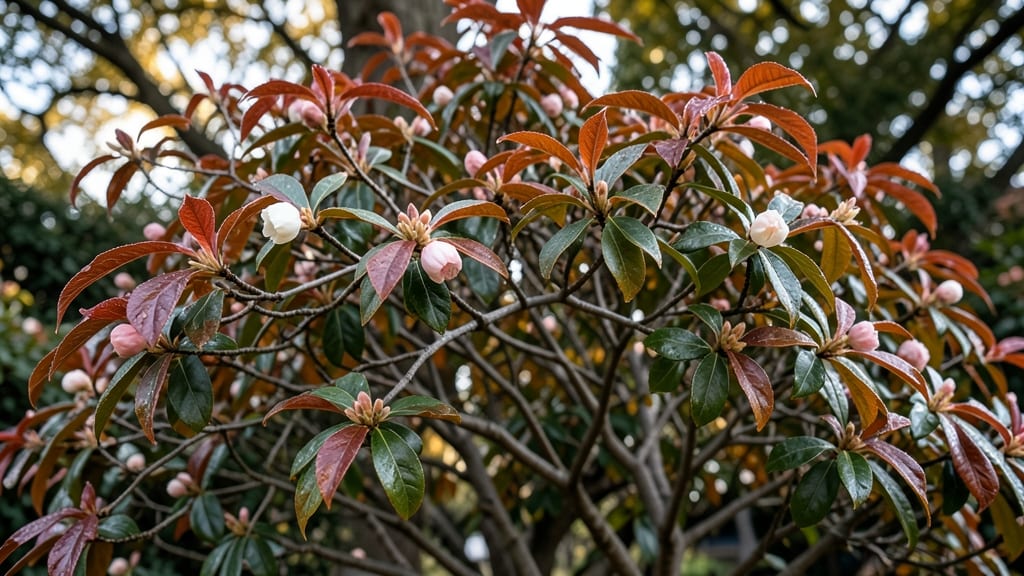
Looking for a shade-loving shrub that delivers drama in every season? Japanese pieris (Pieris japonica) is your secret weapon—its cascading branches create a textural masterpiece that shifts from delicate spring blooms to fiery winter foliage, all while thriving in partial to full shade.
In early spring, clusters of bell-shaped pinkish-white flowers dangle like nature’s chandeliers, followed by glossy green leaves that blush bright red in winter. This evergreen shrub handles Zone 6 winters with ease and prefers well-draining, acidic soil—ideal for woodland gardens or as a focal point under trees. Prune lightly after flowering to maintain its graceful, slightly weeping form.
Perfect for gardeners who love layered interest without high maintenance, Japanese pieris adds vertical movement and seasonal contrast that outshines many shade plants. 🌷
Oakleaf Hydrangea For Dramatic Seasonal Color
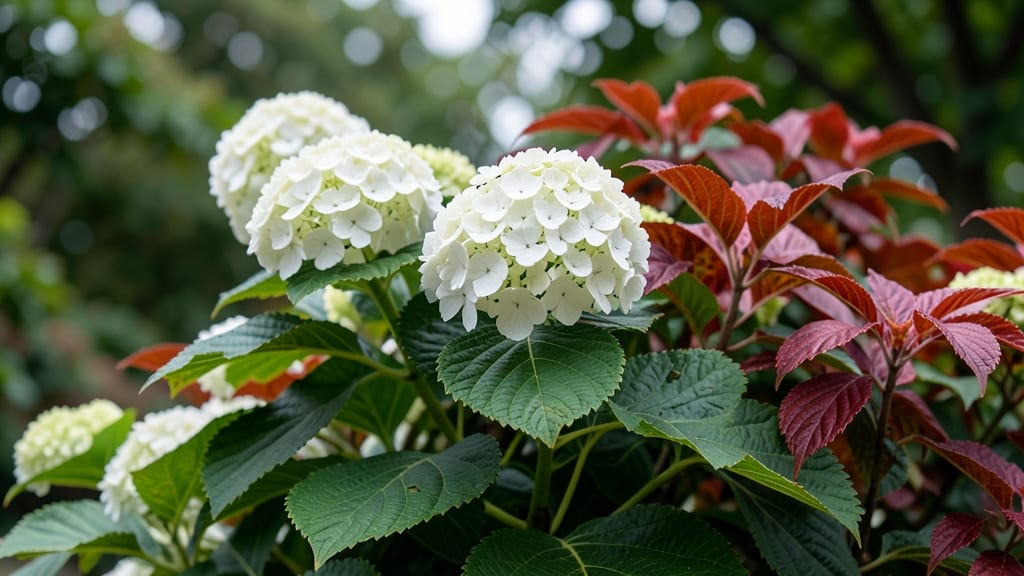
Tired of shade bushes that fade into the background? The oakleaf hydrangea delivers a three-season show—starting with lacy white blooms in summer that last for weeks, then transforming into fiery red foliage by fall. Unlike other hydrangeas, this variety thrives in partial to full shade, making it ideal for Zone 6's often-dappled light conditions.
Plant it in moist, well-draining soil with a sprinkle of organic mulch to retain moisture, and watch it grow 3–5 feet tall with a rounded shape perfect for borders or foundation plantings. The leathery leaves deter deer, so you won’t need fencing or repellents. Prune lightly in late winter to shape it, but avoid cutting back old wood—it’s where next year’s blooms form!
This hydrangea is a game-changer for gardeners who want low-maintenance drama without sacrificing beauty. Pair it with ferns or hostas for a lush, layered shade garden that keeps changing colors all season. 🌻
Boxwood Shrubs For Classic Formal Garden Structure
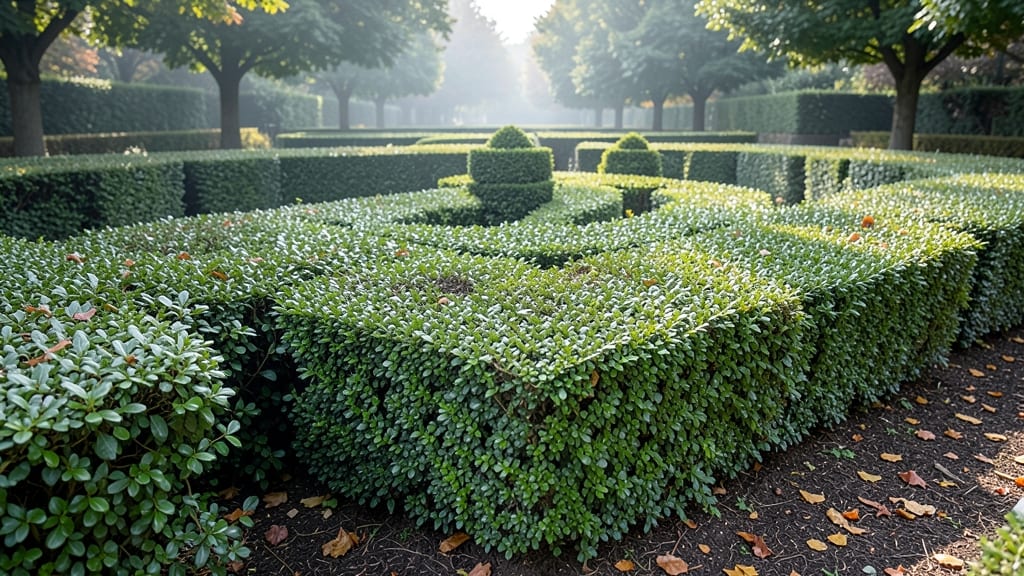
Craving a garden with crisp lines and timeless elegance? Boxwood shrubs deliver formal structure that never goes out of style, thriving even in Zone 6 shade gardens where other plants struggle. Their dense, waxy foliage naturally repels deer while creating perfect hedges or intricate topiary shapes that last for decades with minimal care.
These versatile shrubs tolerate heavy shade to partial sun and adapt to most soil types, though they prefer well-drained conditions. For hedges, plant 12-18 inches apart and trim twice yearly—once in late spring and again in early fall—to maintain sharp edges. In containers, dwarf varieties like 'Green Velvet' stay compact (just 2-3 feet tall), making them ideal for patios or foundation plantings.
Boxwoods are the ultimate low-maintenance foundation plant, perfect for gardeners who want structure without the upkeep. Their evergreen foliage provides year-round interest while blending seamlessly with both traditional and modern landscapes. 🌿
Ninebark Shrubs For Exfoliating Bark Texture
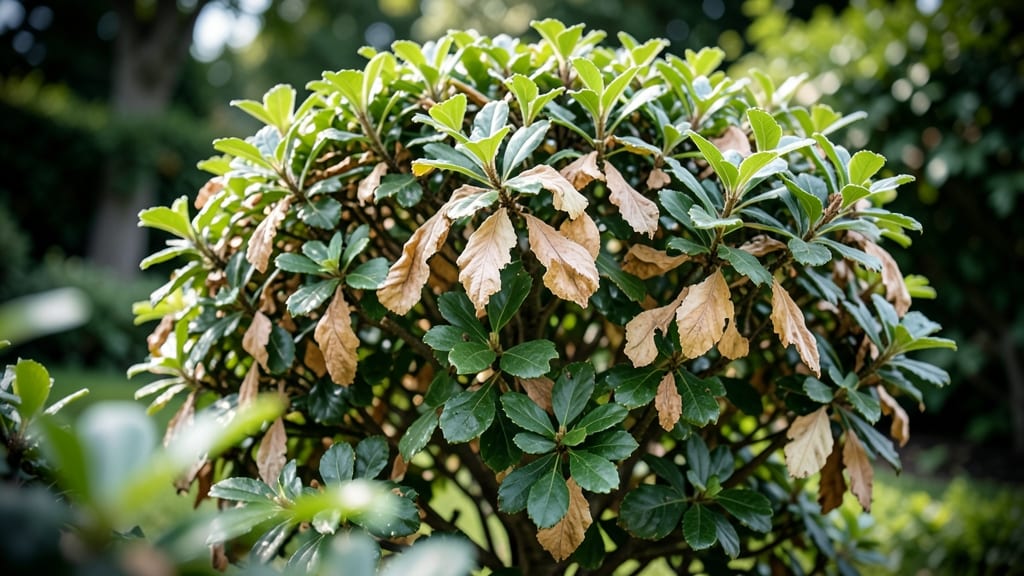
Want a shade bush that looks like it belongs in a botanical garden but won’t require constant attention? Ninebark (Physocarpus spp.) delivers with its signature exfoliating bark that peels away in papery layers, revealing fresh green underneath—a stunning winter feature. This rounded shrub thrives in partial to full shade and produces delicate pink or white flowers in late spring, attracting bees and butterflies while deer usually leave it alone.
Ninebark adapts to most soils and handles drought once established, making it perfect for Zone 6’s variable climate. Prune lightly in late winter to shape, and enjoy year-round interest from its textured bark, glossy foliage, and occasional berries. The rounded form works beautifully in mixed borders or as a focal point in shady spots.
Ideal for gardeners who love textural contrast without the upkeep, ninebark is the unsung hero of shade gardens—adding drama with minimal effort. 🌿
Dwarf Rhododendrons For Early Season Color
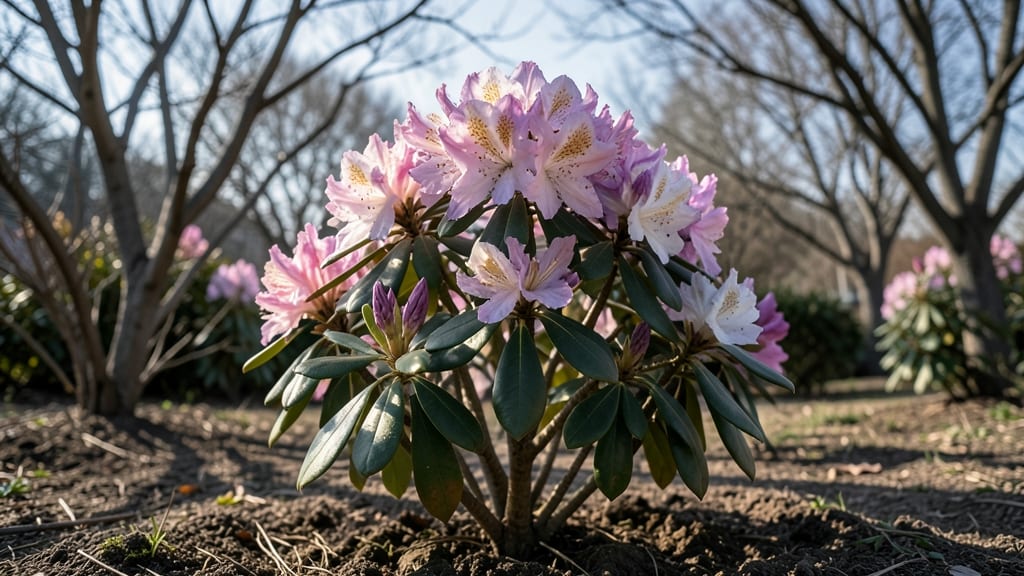
Want to brighten your shade garden before most plants even think about blooming? Dwarf rhododendrons are the early-season stars that deliver vibrant pink, purple, or white flowers as soon as late winter, often when everything else is still dormant. These compact shrubs (typically 2–4 feet tall) thrive in acidic, well-draining soils and partial shade, making them perfect for woodland gardens or under tree canopies in Zone 6.
Their glossy, leathery leaves not only deter deer but stay attractive year-round, while the fragrant blooms draw hummingbirds and butterflies. For best results, plant in early fall or spring with a layer of organic mulch to retain moisture, and avoid heavy pruning—focus on removing only dead or crossing branches. Varieties like 'PJM' or 'Nova Zembla' are especially cold-hardy and low-maintenance.
Ideal for gardeners who crave early color without high maintenance, dwarf rhododendrons are the perfect addition to foundation plantings, borders, or containers. Their timely blooms lift spirits when winter feels endless. ✨
Feather Reed Grass For Soft Shade Movement
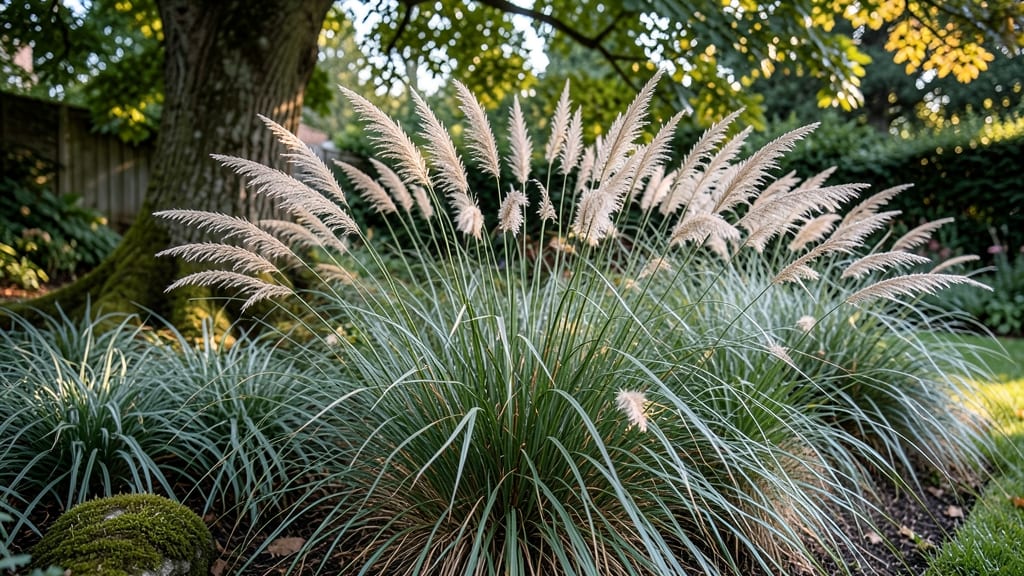
Want to bring life and motion to your shady garden without heavy maintenance? Feather reed grass (Calamagrostis acutiflora) is your answer—this ornamental grass thrives in partial to full shade while adding delicate, swaying plumes that dance in the breeze. Unlike traditional shade plants, it introduces vertical movement, making even still corners feel dynamic.
This deer-resistant plant grows 3-5 feet tall with airy, feathery seed heads that persist through winter, offering year-round texture. Plant it in well-drained soil with occasional watering—it handles drought once established. For containers, choose dwarf varieties like 'Karl Foerster' (2-3 feet tall) to create striking focal points on patios or mixed borders with hostas and ferns.
Perfect for gardeners who love low-maintenance plants with high visual impact, feather reed grass transforms dull shade areas into living sculptures. Its fibrous texture also naturally deters deer, making it a practical choice for problem areas. 🌿
Mountain Laurel For Fragrant Spring Display
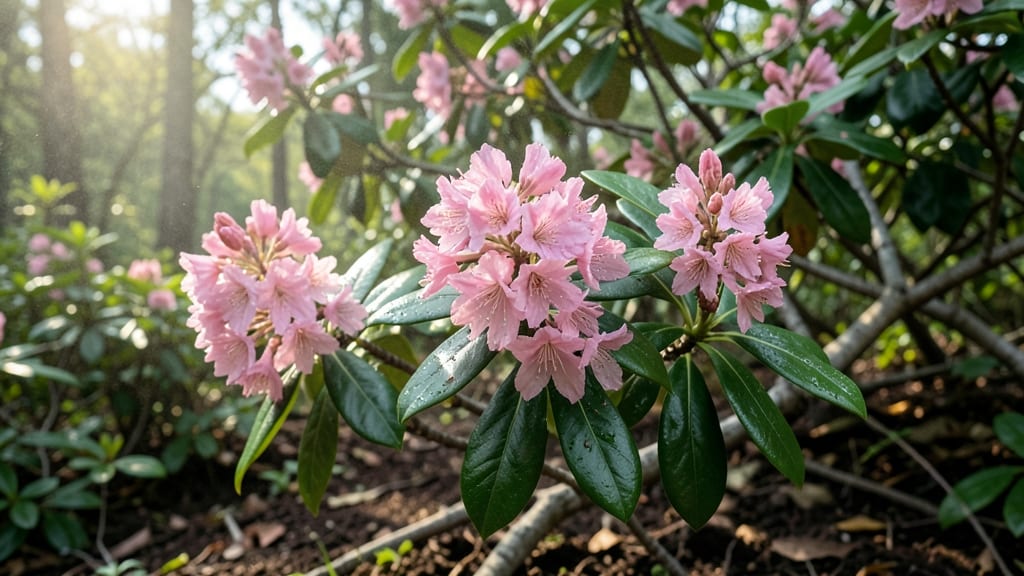
Want to fill your Zone 6 shade garden with a fragrant spring spectacle that deer ignore? Mountain laurel (Kalmia latifolia) brings show-stopping pink blooms in late spring, paired with glossy evergreen leaves that stay lush year-round. Native to Appalachian woodlands, this shrub thrives in partial to full shade and tolerates acidic, well-drained soils—ideal for understory plantings or woodland garden edges.
The highly fragrant flowers attract pollinators while their leathery foliage deters deer browsing, making it a low-stress choice. Prune lightly after flowering to maintain shape, and watch it grow 6–15 feet tall with a rounded form perfect for hedges or specimen plantings. For best results, plant in moist, humus-rich soil and mulch to retain moisture—this shrub rewards patience with decades of seasonal interest and minimal care.
Perfect for gardeners who love fragrance and texture, mountain laurel elevates shady spots with its timeless Appalachian charm. 🌷
Variegated Abelia For Golden Edge Contrast

Need a shade bush that adds a golden glow to your darkest corners while keeping deer at bay? Variegated abelia (Abelia x grandiflora) is your answer—a semi-evergreen shrub with striking golden-yellow edges that catch the light even in deep shade. Unlike most shade plants, it blooms prolifically in summer with fragrant, tubular white flowers that hummingbirds adore, and its leathery leaves are rarely bothered by deer or rabbits.
This versatile shrub thrives in partial to full shade and handles Zone 6’s temperature swings with ease, growing 3–6 feet tall with a mounding habit. Plant it in well-drained soil and prune lightly after flowering to encourage bushier growth. The golden variegation brightens shady borders, while its semi-evergreen foliage provides winter interest—making it a standout for year-round color.
Perfect for gardeners who want low-maintenance drama, variegated abelia pairs beautifully with hostas, ferns, and other shade-loving plants. Its fragrant blooms and deer-resistant leaves make it a top pick for problem areas where other shrubs struggle. 🌻