
Shrubs
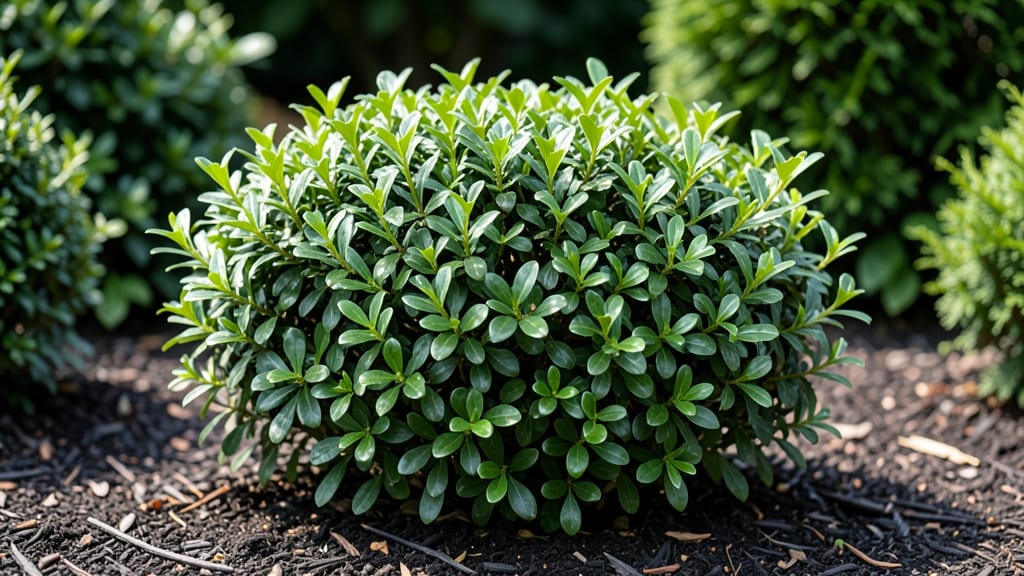
Boxwood shrubs for shade are the unsung heroes of low-light gardens. 🌿 I’ve watched mine transform dull corners into lush, year-round privacy screens—thriving where other plants struggle. The secret lies in choosing the right variety, like 'Green Velvet' or 'Winter Gem,' which handle shade better than most.
These evergreens need well-draining soil mixed with compost, planted where they’ll get at least 4 hours of filtered light daily. Water deeply after planting, then let the soil dry slightly between waterings—overwatering is their biggest enemy in shade.
Mulch helps retain moisture while keeping roots cool. Within a year, you’ll see dense, glossy foliage that stays vibrant even in winter. Prune lightly in late spring to shape them, and watch as they fill in gaps naturally.
The key is patience—boxwoods grow slowly but reward you with decades of reliable greenery. Works for foundation plantings, borders, or even container gardens in shady spots. Let’s get yours growing strong!
📚 In This Guide
- What you need
- Instructions
- Tips and common mistakes
- Wrapping up and next steps
What you need
- ● Boxwood shrubs: 3–5 plants (depending on desired coverage; choose Buxus sempervirens or Buxus microphylla for shade tolerance).
- ● High-quality potting soil: 1–2 bags (50 lbs each) of well-draining, organic soil mix (amend with compost for nutrients).
- ● Organic mulch: 2–3 cubic feet (pine bark, shredded leaves, or wood chips to retain moisture).
- ● Garden gloves: 1 pair (heavy-duty for handling soil and plants).
- ● Trowel or spade: 1 (for planting and soil prep).
- ● Watering can or hose with a gentle spray nozzle: 1 (for post-planting hydration).
- ● Pruning shears: 1 (sharp, bypass-style for shaping and maintenance).
- ● Fertilizer: 1 bag of slow-release, balanced fertilizer (10-10-10 or organic options like fish emulsion).
- ● Soil test kit: To check pH (boxwood prefers 6.0–7.0; amend with lime or sulfur if needed).
- ● Plant support stakes: 2–3 (for young shrubs in windy areas).
- ● Drip irrigation system: For automated watering (great for large plantings).
- ● Pest control (neem oil or insecticidal soap): Preemptive measure against boxwood mites or caterpillars.
- ● Decorative edging or rocks: To define planting beds and deter weeds.
Step-by-step guide to planting and caring for boxwood shrubs in shade
Boxwoods bring lush, evergreen privacy without needing sun—here’s how to plant and nurture them successfully.
🌱 Step 1: Choose the Right Location and Prepare the Soil
Boxwoods tolerate shade but thrive best in partial shade—think 3-6 hours of morning sun with afternoon shade. Avoid dense, dark shade where they’ll grow leggy and sparse. Test your spot: if you can barely read a book there, it’s too dark.
Dig holes twice as wide as the root ball but only as deep. Loosen the soil at the bottom with a fork to encourage root spread. Boxwoods prefer slightly acidic, well-draining soil (pH 6.0-7.0). If your soil is heavy clay, mix in 2-3 inches of compost or sand into the bottom of the hole to improve drainage.
🪴 Step 2: Plant Boxwoods at the Correct Depth and Spacing
Remove the plant from its container and gently loosen the roots if they’re circling. Place it in the hole so the top of the root ball sits level with the surrounding soil—burying too deep suffocates the plant, while planting too high exposes roots to dry air. For 4 boxwoods, space them 3-4 feet apart for a dense hedge.
Backfill with native soil mixed with compost (use the 2 cups of compost you set aside earlier). Press gently around the base to remove air pockets, but don’t compact the soil. Water deeply right after planting to settle the roots. You’ll know it’s right when water drains evenly without pooling.
☀️ Step 3: Water Consistently and Mulch for Retention
Keep the soil evenly moist but not soggy for the first 2-3 weeks—boxwoods are drought-tolerant once established, but young roots need consistency. Water deeply 2-3 times per week (until water reaches 6 inches deep), then taper to once a week once leaves show new growth. Overwatering causes root rot, so check soil moisture by sticking your finger 2 inches down—if it’s dry, water.
Spread 2-3 inches of mulch (like shredded bark) around the base, keeping it 3 inches away from the trunk to prevent rot. Mulch locks in moisture and regulates soil temperature, which is especially helpful in shade where soil stays cooler and drier. Refresh mulch annually in early spring.
✂️ Step 4: Prune for Shape and Health Twice a Year
Prune boxwoods lightly in early spring (just as new growth begins) and again after flowering in late summer. Use clean, sharp shears to make cuts at a 45-degree angle just above a leaf bud. Avoid heavy pruning—boxwoods respond poorly to drastic cuts, which can expose bare wood and invite pests.
Shape the shrub gradually over time. For a hedge, trim the top and sides evenly, leaving the bottom wider for stability. For a rounded look, follow the plant’s natural growth lines. After pruning, give the plants a light watering to reduce stress. You’ll see fuller growth within 4-6 weeks if pruned correctly.
🌿 Step 5: Fertilize and Monitor for Pests/Diseases
Fertilize once in early spring with a balanced, slow-release fertilizer (like 10-10-10) applied 4 inches away from the trunk. Avoid high-nitrogen fertilizers, which promote leafy growth at the expense of root strength. Water the area after applying to help nutrients reach the roots.
Watch for boxwood blight (a fungal disease causing brown spots) or boxwood leafminer (tiny white trails on leaves). Treat blight with neem oil and remove infected leaves immediately. For leafminers, spray with insecticidal soap in early summer. Healthy boxwoods in shade rarely need treatment, but early intervention prevents spread.
Tips & tricks for perfect boxwood shrub planting in shade
Here's what nobody tells you about getting boxwoods to thrive in low-light spaces—and how to avoid the most common mistakes.
Lighting Secret: That "partial shade" range of 3-6 hours of morning sun isn't just about quantity—it's about quality. East-facing windows or dappled sunlight through trees create ideal conditions. If your spot gets only 2-3 hours, supplement with a small grow light for 2-3 hours daily during the first growing season to help young plants establish stronger stems.
Soil Prep Game-Changer: Don't just dig holes—create a soil "cushion" by mixing the 2-3 inches of compost or sand directly into the bottom third of the hole before planting. This creates a root-friendly zone that encourages deeper growth. For heavy clay soil, add a handful of perlite to the mix to improve aeration without changing the soil's natural structure.
Watering Wisdom: The 2-3 week "evenly moist" window is critical, but what matters most is how you water. Use a rain gauge or tuna can to measure exactly 1 inch of water per week during this period. Water slowly at the base rather than overhead—this prevents fungal issues and ensures moisture reaches the roots where it's needed most.
Pruning Precision: When shaping your boxwoods, work in layers—trim about 1/3 of the new growth at each session. This gradual approach prevents shock and maintains the plant's natural shape. For formal hedges, use a string line to keep cuts perfectly straight, but for natural shapes, follow the plant's growth pattern to create organic curves that look effortless.
Pro Tips for Boxwood Shrub For Shade
- Here's what nobody tells you about getting boxwoods to thrive in low-light spaces—and how to avoid the most common mi...
- Lighting Secret: That "partial shade" range of 3-6 hours of morning sun isn't just about quantity—it's about quality....
- Soil Prep Game-Changer: Don't just dig holes—create a soil "cushion" by mixing the 2-3 inches of compost or sand dire...
Frequently asked questions
Got questions about growing boxwood shrubs in shady spots? You’re not alone!
Here are answers to the most common queries to help you cultivate lush, evergreen privacy with ease.
What’s the best boxwood variety for deep shade?
Look for Buxus sempervirens ‘Suffruticosa’ (common boxwood) or Buxus ‘Green Velvet’—both tolerate partial to full shade better than most. For darker corners, try Buxus ‘Winter Gem’, a cold-hardy hybrid that stays vibrant even with minimal light. Just expect slower growth in deep shade.
How long does it take for boxwood to grow in shade?
Boxwood grows slowly in shade—expect about 6–12 inches per year under ideal conditions. A 3-foot-tall hedge may take 3–5 years to fill out. Patience pays off! For faster results, plant 1-gallon containers (they establish quicker than bare-root) and fertilize lightly in spring.
Why is my boxwood turning yellow or brown in shade?
Yellowing (chlorosis) often signals iron deficiency or overwatering. Brown patches? Check for fungal issues (like box blight) or root rot from soggy soil. Improve drainage, avoid wetting foliage, and apply an iron chelate fertilizer in early spring. Prune affected branches 1/3 back to encourage new growth.
Can I use boxwood as a hedge for full shade?
Boxwood thrives as a formal hedge in shade, but it won’t grow as dense as in sun. Shear lightly 2–3 times per year (spring, summer, fall) to maintain shape. For a privacy screen, plant shrubs 3–4 feet apart and layer with Hellebores or Ferns for understory interest.
What’s a good alternative if boxwood struggles in my shade?
Try these shade-tolerant evergreens:
- Holly (Ilex spp.) – Glossy leaves, berries, and deer-resistant.
- Inkberry Holly (Ilex glabra) – Thrives in wet shade and stays compact.
- Dwarf Plum Yew (Cephalotaxus harringtonia ‘Prostrata’) – Slow-growing and drought-tolerant.
- Japanese Yew (Taxus cuspidata) – Tolerates heavy shade and holds shape well.
Pro Tip:
Mulch with 3 inches of organic mulch (like pine straw or shredded bark) to retain moisture and regulate soil temp—critical for boxwood in shade. Reapply annually and keep mulch 2 inches away from the stem to prevent rot.
Wrapping up and next steps
Boxwood shrubs are the perfect evergreen solution for adding year-round privacy and beauty to shady spots in your garden. Their adaptability, low-maintenance care, and stunning foliage make them a standout choice for any landscape—whether you're a seasoned gardener or just starting out. 🌿
Ready to transform your shady corners? Start by selecting the right variety for your climate and space, then plant with confidence using the tips above. Before you know it, you’ll have a lush, thriving boxwood hedge that brings life to your outdoor oasis!