
Light Requirements
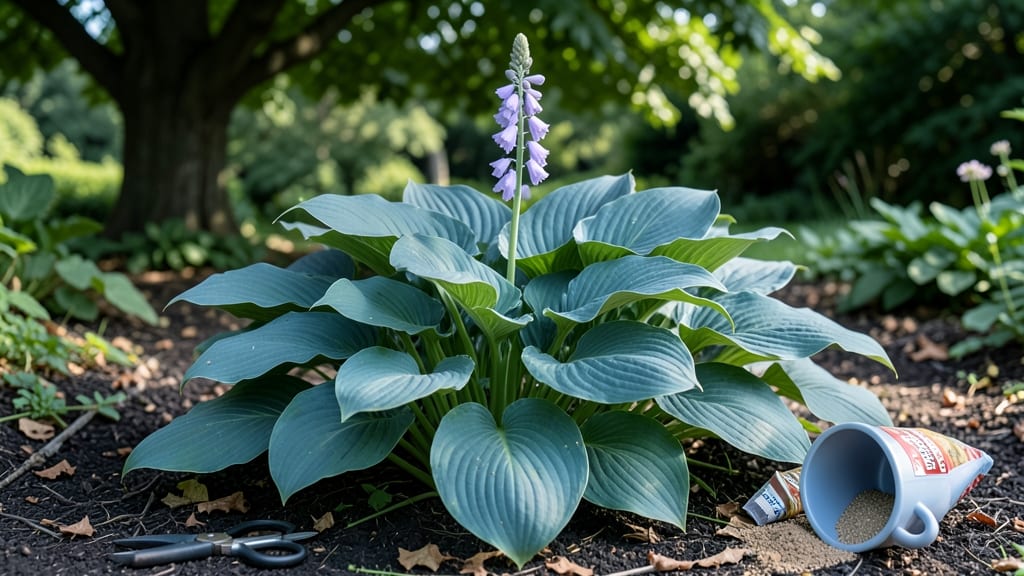
Partial shade plants and flowers bring lush, vibrant life to spots where sun barely touches—think dappled light under trees or north-facing borders. 🌿 I’ve designed my garden around these underrated stars, and the results are shockingly lush foliage and blooms that last from spring to frost.
The key is choosing plants that thrive with just 3-6 hours of filtered sunlight daily, while still delivering that wow factor. These aren’t just filler plants—they’re showstoppers with textures ranging from velvety hostas to delicate ferns, and colors spanning deep purples, creamy whites, and fiery reds.
My favorite combos include heucheras (for their painted leaves) paired with bleeding hearts (for romantic blooms), all layered with shrub astilbes for height and movement. The woodland garden vibe works just as well in modern containers or cottage-style borders.
You’ll end up with a garden that feels alive year-round—spring bulbs popping through, summer blooms like hydrangeas and impatiens, and autumn’s fiery Japanese anemones. The best part? These plants handle humidity, drought spells, and even urban pollution better than sun-lovers.
My shade garden stays vibrant even when the rest of the yard wilts in summer heat. Whether you’re working with a shady corner, a tree’s dappled canopy, or a north-facing patio, these plants adapt beautifully. Let’s bring that underused space to life—without sacrificing color or texture.
📚 In This Guide
- What you need
- Instructions
- Tips and common mistakes
- Wrapping up and next steps
What you need
- ● Partial shade plants/flowers: 5–10 varieties (e.g., Hostas, Astilbes, Impatiens, Ferns, Begonias). Choose based on your zone and soil type.
- ● Potting soil or garden soil: 1–2 bags (well-draining, organic-rich mix for containers or in-ground planting).
- ● Containers or garden beds: Containers: 3–5 pots (10–14" diameter) with drainage holes.
- ● Garden beds: Loosened soil (12" deep) in your shaded area.
- ● Mulch: 1 bag (shredded bark or compost for moisture retention).
- ● Watering can or hose with a gentle spray nozzle.
- ● Fertilizer: Slow-release granular (10–10–10) or liquid (balanced for shade plants).
- ● Gloves and knee pads (for comfort and hygiene).
- ● Soil pH test kit (to check acidity/alkalinity for picky plants like Hydrangeas).
- ● Drip irrigation system (for consistent moisture in larger beds).
- ● Plant labels (to track varieties and care needs).
- ● Pruning shears (for trimming leggy growth or dead foliage).
- ● Shade cloth (30–50%) (if your area gets too much indirect light).
How to design a thriving partial shade garden
Here’s how to create a lush, low-maintenance garden that thrives under dappled light.
🌿 Step 1: Choose the Right Plant Palette for Your Shade Level
Partial shade ranges from 3-6 hours of direct sun daily, so your plant selection depends on how much light your spot actually gets. I always start by testing the area for 2 weeks—mark where shadows fall at different times of day. For light partial shade (4-6 hours sun), go for bold foliage like heuchera (coral bells), hostas, or astilbes. These handle morning sun but appreciate afternoon shade.
For medium partial shade (3-4 hours sun), opt for flowers like bleeding heart (Dicentra spectabilis), foxglove (Digitalis), or impatiens. These bloom reliably without scorching. If your spot gets only 3 hours or less, focus on shade-tolerant perennials like ferns (Matteuccia struthiopteris), Japanese painted ferns (Athyrium), or toad lilies (Tricyrtis). They thrive where others fade.
🪴 Step 2: Prepare Soil for Moisture-Retentive Growth
Partial shade plants often struggle in dry or compacted soil, so I always amend the bed with 3-4 inches of organic matter—think compost, peat moss, or well-rotted leaf mold. Work it into the top 6-8 inches of soil to improve drainage while keeping moisture levels consistent. A soil test reveals if your spot is too sandy (add compost) or too clay-heavy (mix in perlite).
For containers, use a lightweight potting mix blended with 20% perlite or vermiculite to prevent root rot. I swear by a 50-50 mix of potting soil and coco coir for moisture retention without suffocating roots. Test moisture by sticking your finger 1 inch deep—if it feels dry, water until it’s damp but not soggy.
☀️ Step 3: Plant with Layered Height and Texture
Start with taller plants (3-4 feet) at the back or center—think foxglove, columbine (Aquilegia), or coral bells—then layer mid-height (18-24 inches) like hostas, astilbes, or lungwort (Pulmonaria). Fill gaps with ground covers (ajuga, sweet woodruff) or low-growing annuals (impatiens, begonia). This creates depth and prevents leggy growth from competing for light.
Space plants 12-18 inches apart for air circulation, which reduces fungal issues common in shady spots. I always plant in early spring or fall when roots establish before extreme heat or cold. Water deeply after planting to settle soil around roots—you’ll see leaves perk up within 3-5 days if moisture is right.
💧 Step 4: Water Strategically to Avoid Overhead Dampness
Partial shade gardens dry out slower than sunny beds, but root rot is the real enemy. Water deeply 1-2 times per week (more in extreme heat) until soil is moist 2-3 inches down. I use a soaker hose or drip irrigation to deliver water at the base—this prevents fungal spores from splashing onto leaves during overhead watering.
Watch for yellowing leaves or mushy stems—these are red flags for overwatering. Mulch with 2-3 inches of shredded bark or wood chips to lock in moisture and suppress weeds. Replenish mulch annually, as it breaks down and loses effectiveness.
✂️ Step 5: Prune and Maintain for Season-Long Interest
Deadhead spent blooms on annuals like impatiens or begonia to encourage more flowers, but avoid pruning perennials until late winter or early spring. I always leave seed heads on ornamental grasses (like Hakonechloa) for winter texture. For bleeding heart or foxglove, cut back 1/3 of the foliage in early spring to rejuvenate growth—you’ll see fresh shoots within 2-3 weeks.
Fertilize lightly in spring with a balanced 10-10-10 formula, then switch to slow-release organic granules in summer. Too much nitrogen leads to lush leaves but fewer blooms. Divide crowded perennials like hostas or astilbes every 3-4 years in early spring—they’ll reward you with vibrant new growth within weeks.
Tips & tricks for perfect partial shade plantings
These insights will help you create a garden that stays vibrant and healthy without direct sunlight.
Light Level Accuracy: The 2-week shadow test in Step 1 is non-negotiable—trust me, I've planted gardens based on guesswork, and it always ends in disappointment. Use a small stake and mark shadow patterns at different times of day. Morning shadows can be very different from afternoon ones, even in the same spot. For example, a spot with 4-6 hours of morning sun but only 2 hours of afternoon sun should be considered medium partial shade, not light.
Soil Science: When amending your soil in Step 2, don't just eyeball the 3-4 inches of organic matter. Use a ruler to measure—this ensures proper moisture retention. For clay-heavy soil, mix in perlite at a 1:3 ratio (perlite to soil) for the top 6-8 inches. This creates tiny air pockets that prevent waterlogging while maintaining moisture. I've seen gardens with perfect plant selection fail because of poor soil structure, so this step is just as important as choosing the right plants.
Layering Strategy: The height guidelines in Step 3 are your visual framework, but don't be afraid to get creative with textures. For example, pair the 3-4 foot foxglove with the 18-inch hostas, but add a ground cover like sweet woodruff with its delicate foliage. This creates visual interest while maintaining proper light competition. I always think of it as building a living tapestry—each layer should complement the others in both height and texture.
Watering Wisdom: The 1-2 times per week guideline in Step 4 is perfect for most climates, but adjust based on your local conditions. In humid areas, you might only need watering once a week, while drier climates may require daily watering until roots establish. Always check soil moisture by sticking your finger 1 inch deep—if it's dry, water until moisture reaches 2-3 inches down. This prevents both underwatering and the dreaded root rot that plagues many shade gardens.
Pro Tips for Partial Shade Plants And Flowers
- These insights will help you create a garden that stays vibrant and healthy without direct sunlight.
- Light Level Accuracy: The 2-week shadow test in Step 1 is non-negotiable—trust me, I've planted gardens based on guesswork, and it always ends in disappointment.
- Soil Science: When amending your soil in Step 2, don't just eyeball the 3-4 inches of organic matter.
Frequently asked questions
Got questions about thriving partial shade plants and flowers? You’re not alone! Here are answers to the most common queries to help you garden with confidence—no guesswork required.
What’s the difference between partial shade and partial sun?
Partial shade means 3–6 hours of filtered or dappled sunlight daily (think morning sun + afternoon shade), while partial sun is 3–6 hours of direct sun. Mismatch light needs, and you’ll see leggy growth or wilting. Check plant tags or our guide to avoid the oops!
When is the best time to plant partial shade flowers?
Spring and fall are ideal—soil is warm enough for roots but not scorching. For perennials, plant in early spring (after last frost) or late summer (6–8 weeks before frost). Annuals? Start seeds indoors 4–6 weeks before your last frost date for a summer-long show.
How do I know if my partial shade plants are getting too much sun?
Watch for these red flags: yellow leaves, crispy edges, or leggy stems (stretching toward light). Move plants to a shadier spot immediately—especially if leaves scorch or flowers fade fast. A simple test: If your hand feels warm in the spot after 1 hour, it’s likely too sunny.
Can I grow partial shade plants in containers?
Use well-draining pots (12+ inches deep) and a lightweight potting mix with perlite. Group plants with similar needs (e.g., hostas + ferns) and rotate containers occasionally for even light exposure. Just ensure pots aren’t too deep—shallow roots thrive in partial shade.
What if my garden has no partial shade spots?
Create your own! Use sheer curtains, lattice screens, or tall grasses (like bamboo) to filter harsh sun. For small spaces, try container gardens under decks or pergolas. Even a north-facing window or east-facing balcony can work for low-light lovers like peace lilies or calatheas.
Wrapping up and next steps
Partial shade gardens prove that beauty thrives even without full sun—whether you're a busy gardener or just love lush greenery! From hostas and ferns to bleeding hearts and impatiens, these plants bring year-round charm with minimal fuss. 🌿✨
Now that you’re armed with the perfect picks, planting tips, and care secrets, it’s time to roll up your sleeves! Start small—try a container garden or a shady corner—and watch your space transform. Happy gardening!
Next steps:
- 🌱 Sketch a layout of your partial shade area.
- 🛒 Grab a few plants from your list (or our recommendations!).
- 📅 Mark your calendar for seasonal maintenance.