
Shrubs
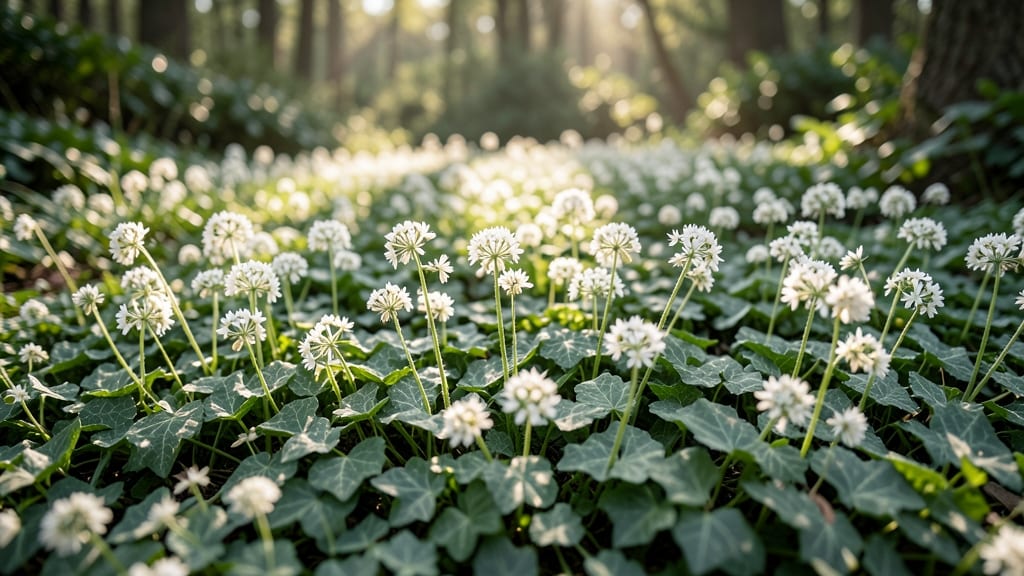
Tired of shade gardens that look dull year after year? These seven hardy perennials thrive in low-light conditions while delivering vibrant color, texture, and seasonal interest—with almost no maintenance once established.
Hostas for Lush Green Foliage Variety
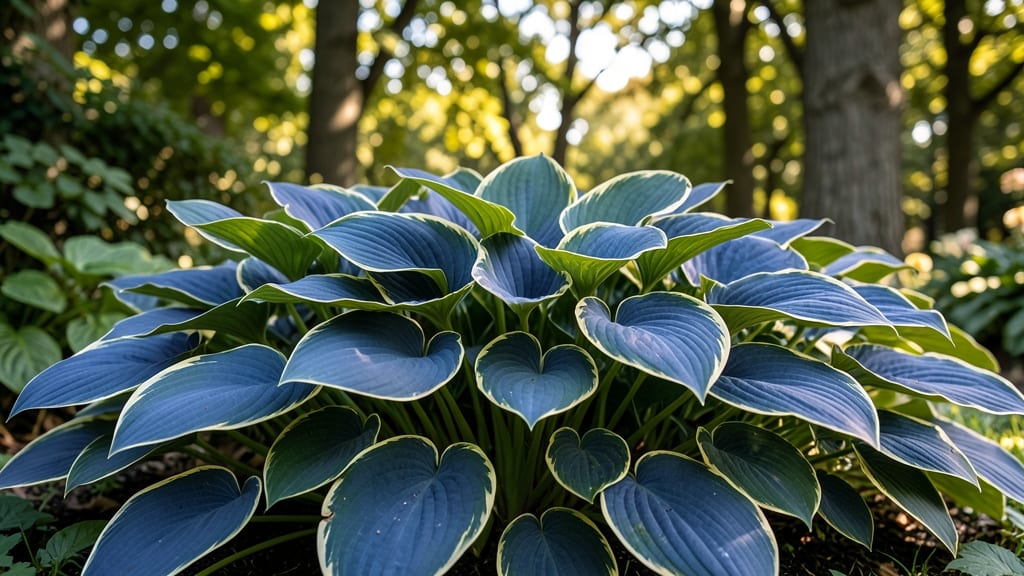
If you’ve ever struggled to find shade plants that actually pop without requiring constant attention, hostas are your secret weapon. These hardy perennials thrive in partial to full shade, offering a stunning array of foliage colors—from deep blues and velvety greens to eye-catching variegated patterns—that instantly elevate any garden bed.
Hostas are beginner-friendly because they’re nearly foolproof: water them weekly during dry spells, mulch to retain moisture, and divide clumps every 3-4 years to keep them vigorous. With over 3,000 varieties, you can mix textures (narrow leaves, broad leaves) and colors to create a lush, layered look. They’re also deer-resistant, making them ideal for problem areas.
Perfect for urban gardeners, woodland edges, or under trees, hostas deliver year-round interest with minimal effort. 🌿
Astilbe for Feathery Summer Blooms
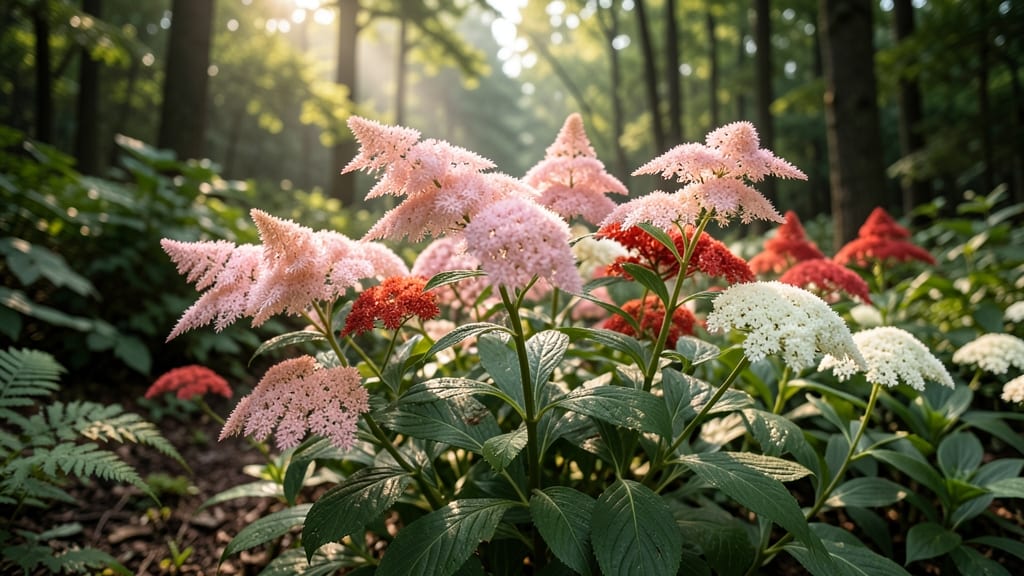
If your shade garden feels static, astilbe injects life with its feathery plumes that dance in the breeze. Unlike hostas that focus on foliage, astilbes deliver season-long drama—blooming from mid-summer to fall in soft pinks, fiery reds, or pure white, creating a cloud-like effect in shady corners where other plants struggle.
These moisture-loving perennials thrive in partial to full shade, making them perfect for woodland gardens, under trees, or alongside ferns. Deadhead spent blooms to encourage more flowers, and divide clumps every 3-4 years to keep them vigorous. Varieties like 'Fanal' (deep red) or 'Bridal Veil' (white) add height (18-36 inches) to borders while attracting butterflies.
Urban gardeners and woodland enthusiasts will love astilbes for their low-maintenance charm—they tolerate humidity, deer often avoid them, and their textural blooms soften harsh edges. Plant in groups for maximum impact! 🌻
Hellebores for Early Winter Color
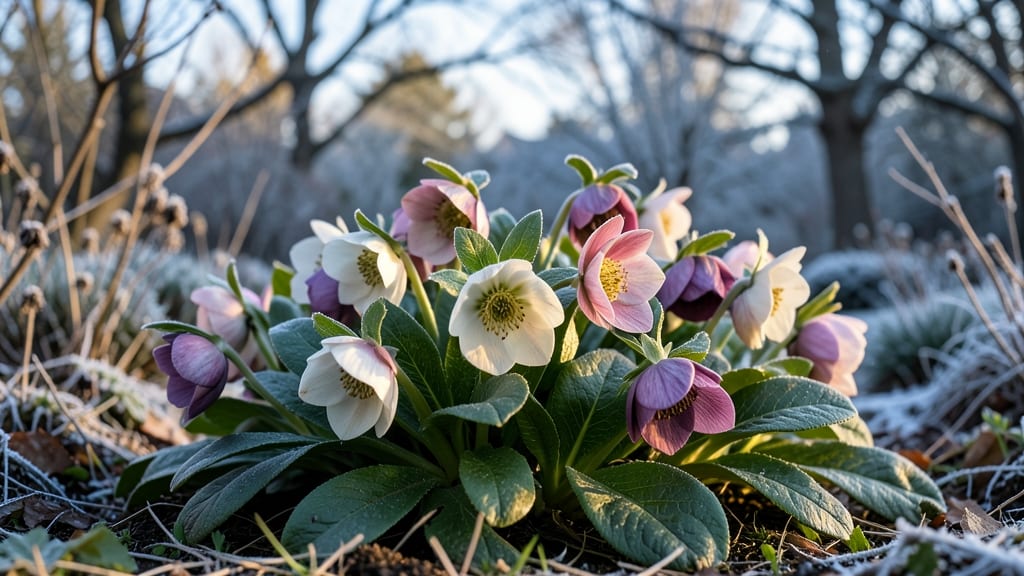
When your garden looks like a blank canvas in late winter, hellebores step in as the unsung heroes—blooming cheerfully from January through March with nodding flowers in white, blush pink, or deep purple. Known as the Lenten rose, these evergreen perennials defy seasonal norms by thriving in partial to full shade, making them perfect for woodland gardens, under trees, or north-facing beds where other plants struggle.
Unlike spring-blooming perennials that wait for warm weather, hellebores reward you with early color when most gardens are still dormant. Their secret? Cut back last year’s dead foliage in late summer (after blooming) to encourage fresh growth and prevent pests. They’re also deer-resistant and drought-tolerant once established, requiring only occasional watering and well-drained soil. Varieties like 'Black Beauty' (deep burgundy) or 'Annie’s Pink' add drama to shady borders.
For gardeners who crave year-round interest without the fuss, hellebores deliver low-maintenance elegance—their glossy leaves stay attractive even when not in bloom. Plant them in clusters for maximum impact, and enjoy their pollinator-friendly blooms that bees adore. 💚
Ferns for Elegant Texture Year-Round
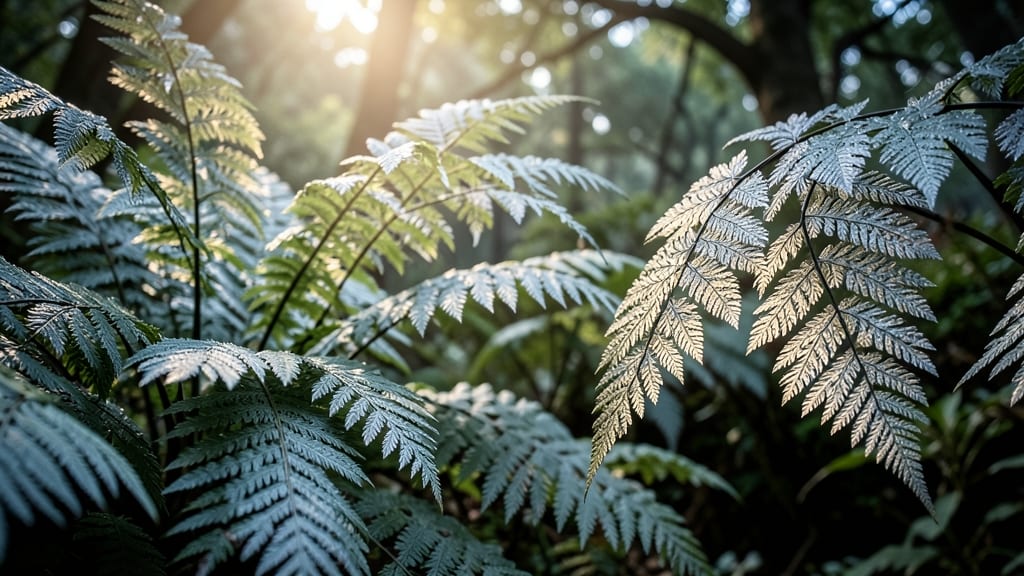
Skip the flowers—ferns are the unsung heroes of shade gardens, offering architectural elegance without a single bloom. Unlike hostas or astilbes that rely on foliage color or seasonal flowers, ferns like Japanese painted fern (Athyrium niponicum) or maidenhair (Adiantum) deliver lacy, sculptural fronds that stay lush and green even in deep, dry shade, where other plants struggle.
These perennials thrive in moist, well-drained soil and prefer dappled light, making them ideal for woodland gardens, under trees, or as a textural backbone in layered beds. Varieties like Ostrich fern add height (3-4 feet), while maidenhair stays compact (1-2 feet), perfect for edging or containers. Mulch with leaf litter or pine needles to mimic their natural forest floor habitat and keep roots cool.
Ferns are the low-maintenance dream for gardeners who want structure without fuss—no deadheading, no fertilizing, just year-round interest. Urban gardeners with shady patios or woodland enthusiasts will love how they soften hard edges while attracting pollinators like lacewings. 🌿
Coral Bells for Season-Long Color
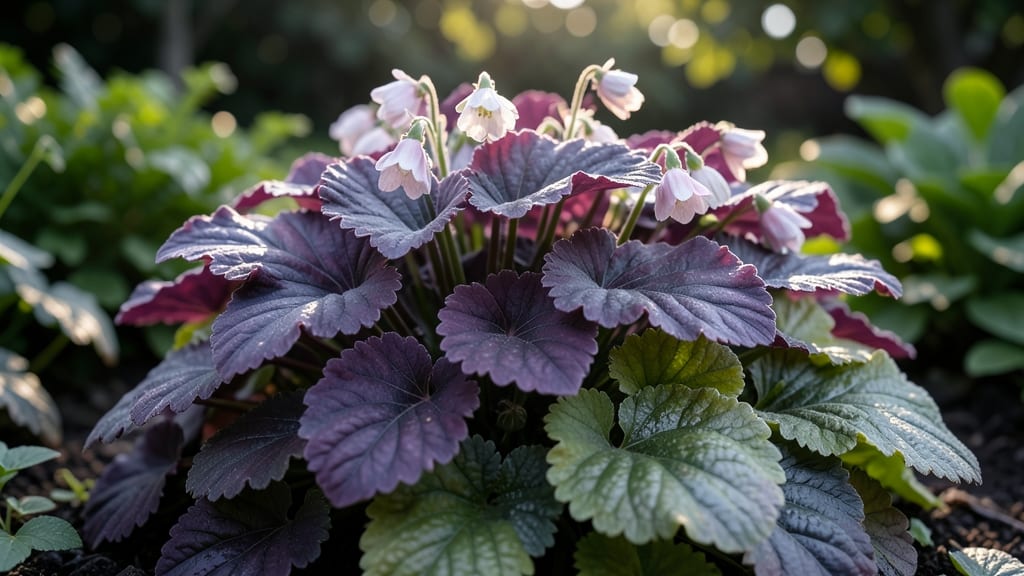
Tired of shade gardens that rely solely on foliage? Coral bells (Heuchera) bring bold, year-round color with their striking leaves in deep purple, silvery gray, or lime green—plus delicate spring blooms that add contrast. Unlike other shade plants that fade after flowering, Heuchera keeps its vibrant hues even in winter, making it a standout for borders or containers.
These low-maintenance perennials thrive in partial to full shade and prefer well-drained soil, though they tolerate drought once established. Varieties like 'Palace Purple' or 'Lime Rickey' create stunning visual contrasts, while their airy spring flowers attract pollinators. Prune leggy stems in early spring to encourage bushier growth and extend their lifespan.
Perfect for urban gardeners with limited space or those seeking color without flowers, coral bells add texture and drama to any shade garden. 💚
Lungwort for Pollinators and Healing Properties
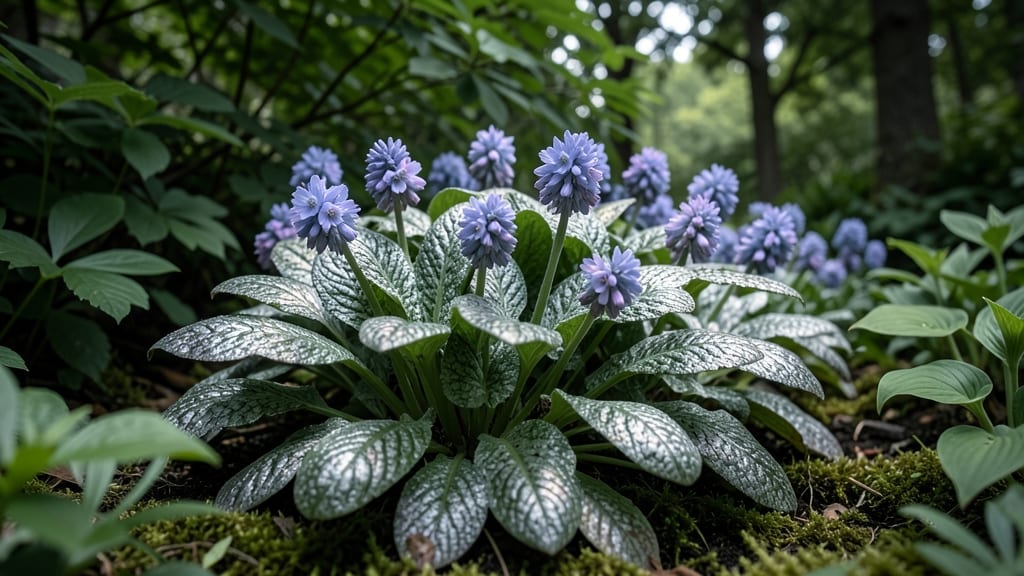
Looking for a shade-loving perennial that does double duty—beautifying your garden and supporting pollinators? Lungwort (Pulmonaria) delivers with its silver-spotted leaves and blue-purple spring blooms, creating a striking contrast that thrives in partial to full shade. This underappreciated plant isn’t just visually stunning; it’s also a bee magnet and has a fascinating history in herbal medicine for respiratory health.
Lungwort’s unique foliage (with silver or white spots) adds texture year-round, while its early spring flowers appear before many other perennials, making it a standout in shady borders. It’s drought-tolerant once established and prefers moist, well-drained soil, perfect for woodland gardens or under trees. For extra impact, pair it with ferns or hellebores to create a layered, low-maintenance shade bed.
Gardeners who love pollinator-friendly plants with a touch of history will adore lungwort—it’s a low-fuss perennial that rewards both the garden and the ecosystem. 💚
Foxglove for Dramatic Vertical Interest
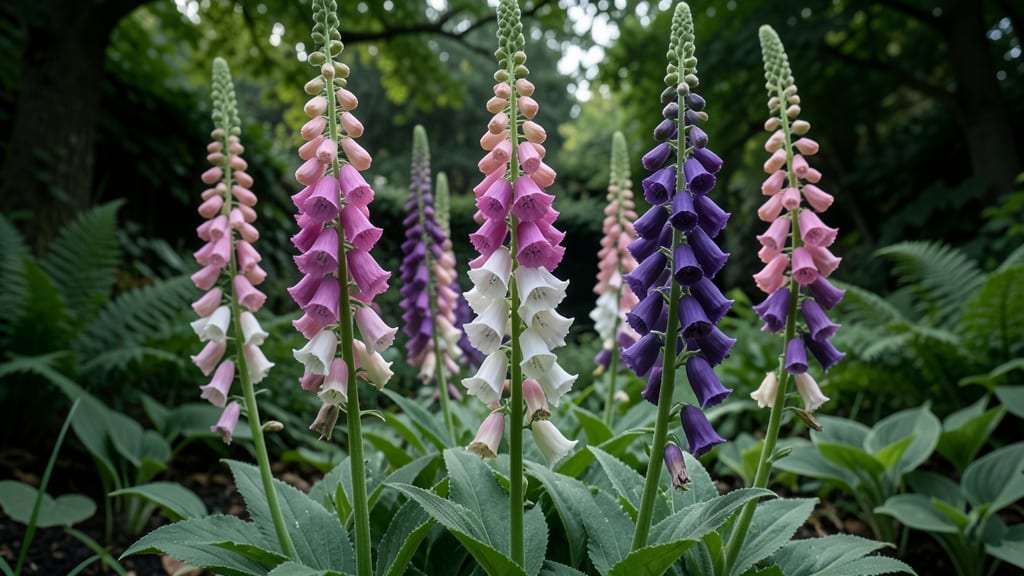
When your shade garden needs a dramatic vertical statement, foxglove delivers with its towering 3-5 foot spikes of bell-shaped blooms in pink, white, or purple. Unlike many perennials, foxglove is biennial but self-seeds reliably, creating natural drifts of color year after year without replanting—ideal for gardeners who want effortless vertical interest.
These moisture-loving plants thrive in partial to full shade, making them perfect for woodland edges or under trees where other plants struggle. Plant seeds or transplants in well-drained, humus-rich soil in early spring or fall, and watch for blooms the following year. Deadhead spent flowers to encourage more blooms, but leave some seed pods for self-seeding. Varieties like 'Giant Candelabra' or 'Excelsior' add height and drama to borders while attracting bees and hummingbirds.
Foxglove is the dream choice for gardeners who want bold height without the fuss of staking or pruning—just plant once and enjoy years of self-sustaining vertical beauty. 🌷