
Blooming
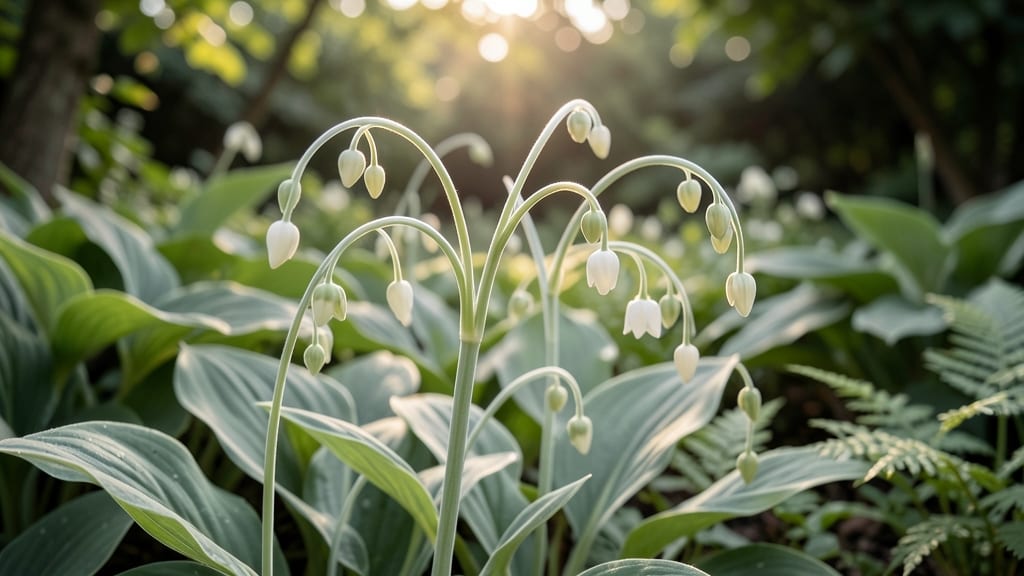
Struggling to keep your shady garden vibrant during summer? These 10 low-maintenance perennials not only survive but flourish in low-light conditions, offering stunning blooms that brighten even the darkest corners of your yard.
Hostas with Lavender Blooms
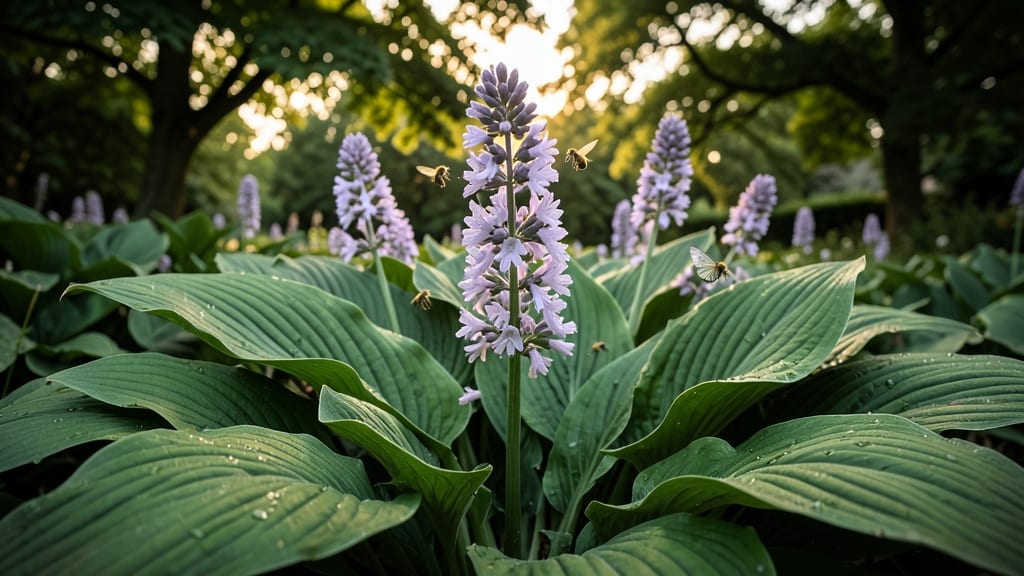
If you love the look of lush, green foliage but want summer blooms too, hostas with lavender flowers are your secret weapon. These aren't your grandma's hostas—they combine classic deep-green leaves with delicate lavender spikes that attract bees and butterflies while adding height to your shade garden.
Plant them in moist, well-draining soil under dappled shade (they tolerate full shade too). Most varieties bloom in mid-summer, and their foliage stays vibrant all season. For extra drama, pair them with ferns or astilbe. They're low-maintenance—just keep the soil consistently damp and remove spent flower stalks to encourage new growth.
Perfect for beginners or busy gardeners, these hostas bring color and texture without the fuss of high-maintenance perennials. 💚
Bleeding Heart Perennials
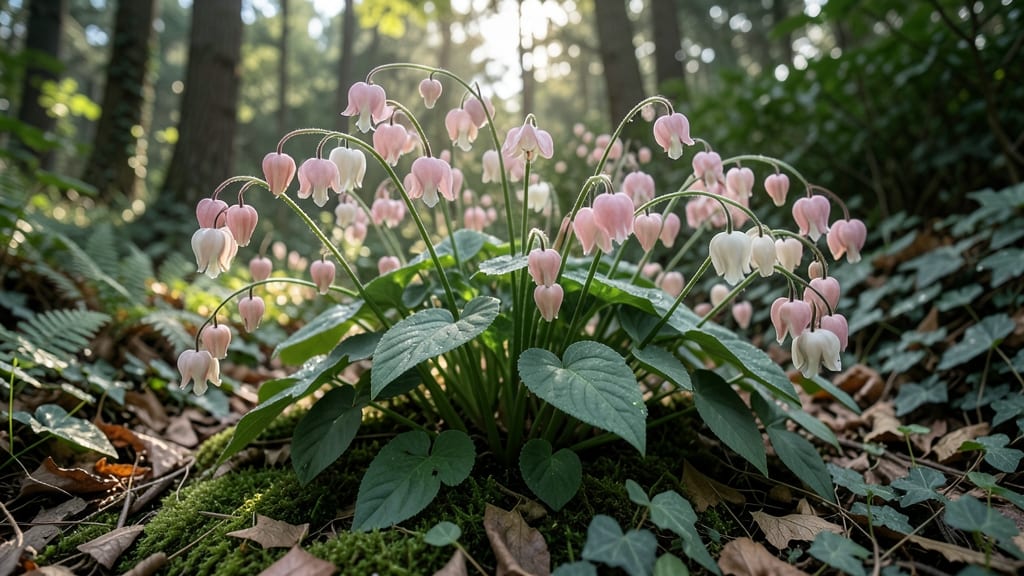
Want to add a touch of romance to your shady garden? Bleeding heart perennials bring dreamy, heart-shaped flowers in soft pink or white that thrive where others struggle—even in deep shade. Their arching stems create natural vertical interest, perfect for cottage gardens or woodland edges.
These perennials prefer moist, well-draining soil and partial to full shade, blooming from late spring through summer. Deadhead spent blooms to encourage more flowers, and divide clumps every 3-4 years to keep them vigorous. Varieties like 'Diocles' or 'Pink Heart' add height and drama without needing full sun.
Ideal for gardeners who love whimsical, low-maintenance plants, bleeding hearts pair beautifully with ferns and hostas for a fairytale-like shade garden. 🌷
Japanese Painted Fern
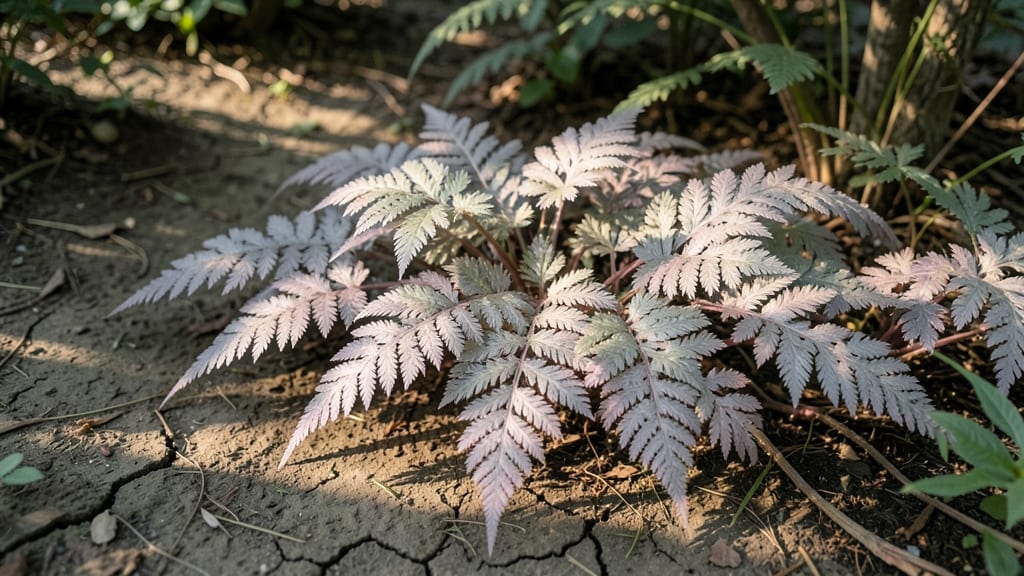
If your shade garden feels dull or struggles with dry conditions, the Japanese painted fern is your unsung hero. Unlike most shade plants that demand moisture, this fern thrives in dry shade areas where others wilt, offering silvery-pink foliage that adds texture and visual interest without a single flower.
Its delicate, lace-like fronds emerge in spring with soft pinkish hues that deepen to silvery-green as they mature. Plant it in well-draining soil under trees or along north-facing walls where light is minimal. This fern is deer-resistant and pairs beautifully with hostas or bleeding hearts for a layered woodland effect.
Perfect for gardeners with dry shade spots or those who love foliage over flowers, this plant brings effortless elegance to even the trickiest garden corners. 🌿
Astilbe with Feathery Plumes
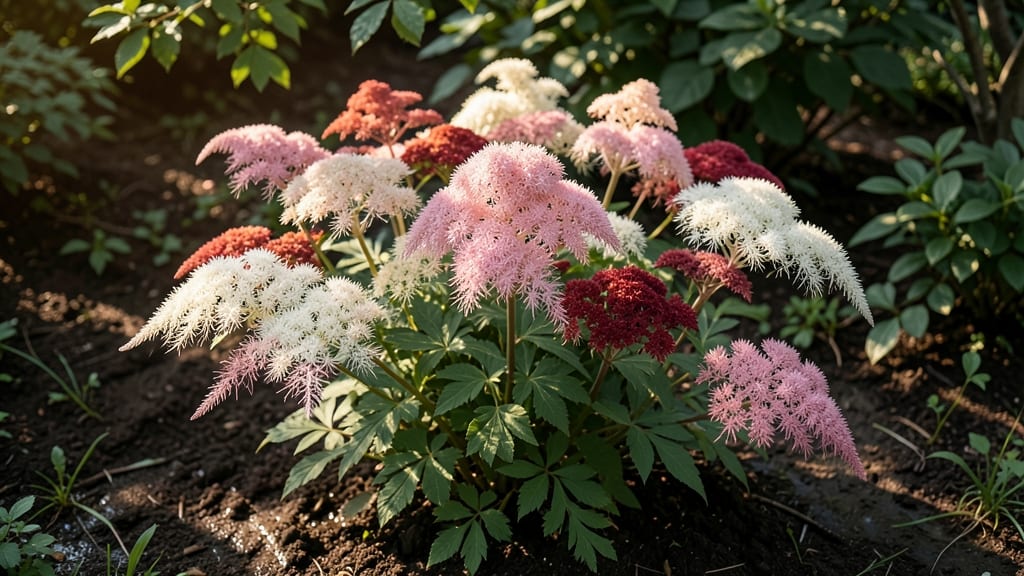
Looking for a summer shade star that delivers soft, romantic blooms without demanding full sun? Astilbe is your answer—its feathery plumes in pink, white, or red create a dreamy, cloud-like effect that brightens borders and containers alike.
This partial-shade lover thrives in consistently moist soil (think mulched beds or containers with good drainage) and blooms from early to mid-summer. Varieties like 'Fanal' (deep red) or 'Glut Game' (pale pink) add height and texture, while their fern-like foliage stays attractive even after blooms fade. For best results, plant in groups of 3-5 for maximum impact—urban gardeners will love how they soften hard edges in small spaces.
Perfect for gardeners who want low-maintenance drama, astilbe pairs beautifully with hostas or bleeding hearts. Just keep the soil damp (they hate drying out!) and snip spent plumes to encourage repeat blooming. 🌻
Coral Bells with Variegated Leaves
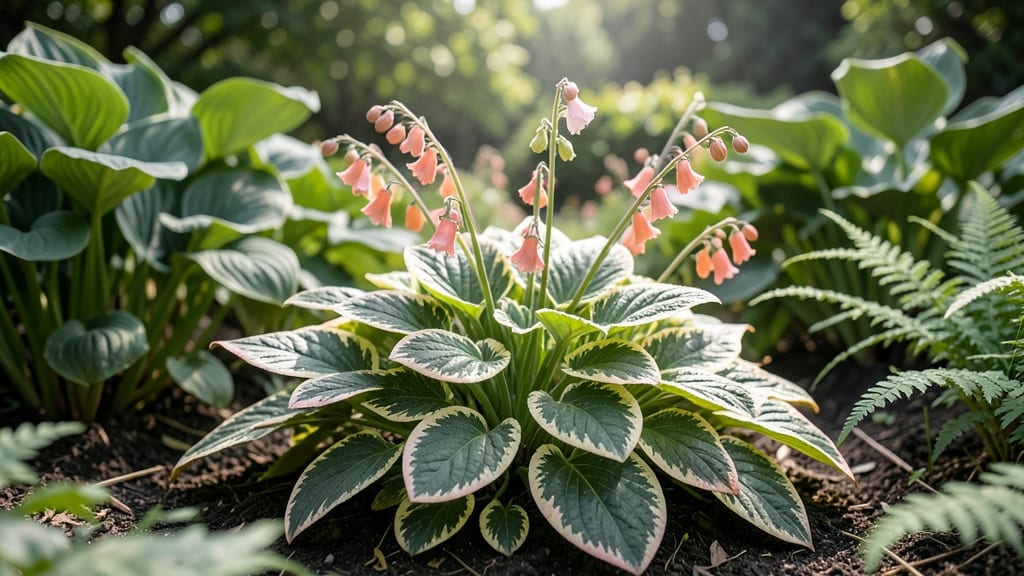
Tired of barren spots between your larger shade plants? Coral bells with variegated leaves are the unsung heroes of the shade garden—offering drought tolerance and year-round interest with their striking foliage and delicate flowers. Unlike moisture-dependent perennials, these thrive in dry conditions while filling gaps with a lush, spreading habit.
Look for varieties like 'Silver Falls' or 'White Surprise', which feature creamy-white and green variegated leaves that contrast beautifully with darker foliage. They produce clusters of bell-shaped pink flowers in late spring to summer, attracting hummingbirds. Plant them in well-draining soil with partial to full shade, and they'll spread 18-24 inches wide—ideal for underplanting shrubs or trees.
Perfect for urban gardeners with dry shade spots or those who want low-maintenance ground cover, coral bells bring color and texture without the fuss of high-water needs. 🌻
Hellebores with Winter-to-Spring Blooms
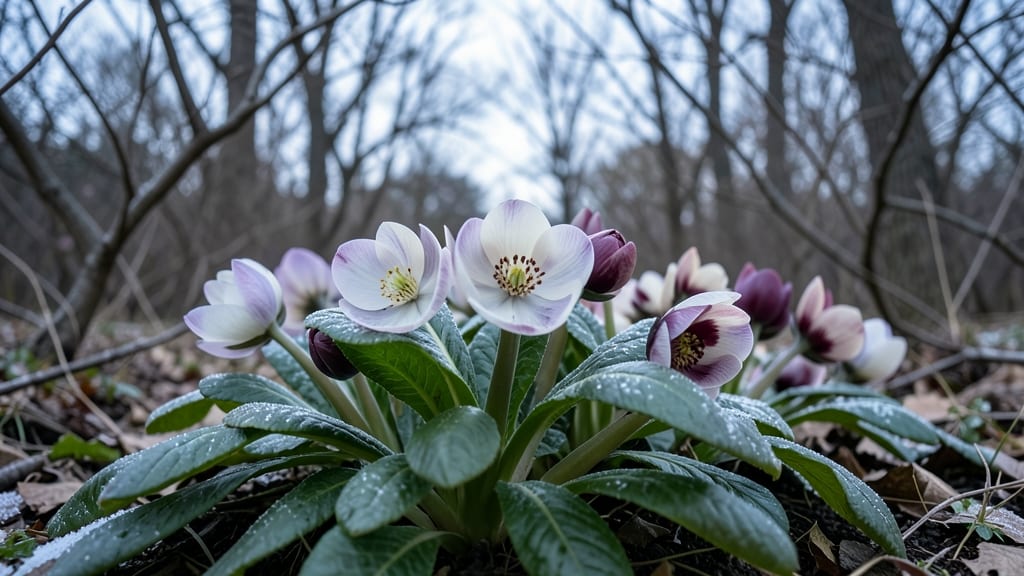
When most shade-loving perennials are still dormant, hellebores burst into color with their delicate blooms—often in late winter or early spring. These underrated plants offer a stunning contrast to bare branches and snow, then gracefully transition into glossy evergreen foliage that keeps your garden looking lush all summer long.
Hellebores thrive in partial to full shade and prefer well-draining, slightly alkaline soil. Their unique nodding flowers come in shades of white, pink, purple, and green, and they're surprisingly low-maintenance—just keep the soil consistently moist (but not soggy) and avoid disturbing their roots. Varieties like 'Annie's Skates' or 'Pink Frost' add height and texture while attracting early pollinators like bees.
Perfect for gardeners who want year-round interest with minimal effort, hellebores are especially valuable for early-season color and summer foliage. They're deer-resistant and thrive in containers or woodland gardens, making them a versatile choice for nearly any shade situation. 🌱
Lungwort with Spotted Leaves
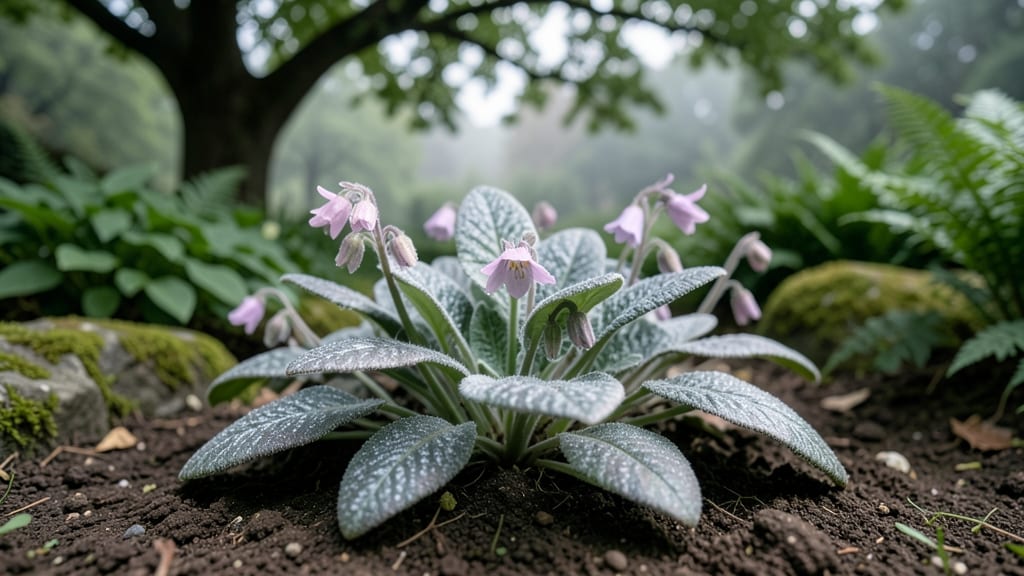
Looking for a shade perennial that’s as useful as it is beautiful? Lungwort (Pulmonaria) delivers with its healing properties and striking silver-spotted foliage, making it a standout for both gardens and herbalists. This versatile plant thrives in both dry and moist conditions, adapting to almost any shade garden challenge while attracting pollinators with its blue-purple spring blooms.
The spotted leaves (which fade to green as summer progresses) create a textured contrast with other shade plants like hostas or ferns. Lungwort’s historical use in herbal medicine—particularly for respiratory health—adds a layer of intrigue, while its low-maintenance nature makes it perfect for busy gardeners. Simply plant it in partial to full shade with well-draining soil, and it’ll reward you with year-round interest and early-season color.
Ideal for woodland gardens, cottage-style beds, or pollinator-friendly spaces, lungwort bridges beauty and utility. Whether you’re a medicinal gardener or just love unique foliage, this plant proves shade gardens can be both practical and stunning. 💚
Tiarella with Foamflower Clusters
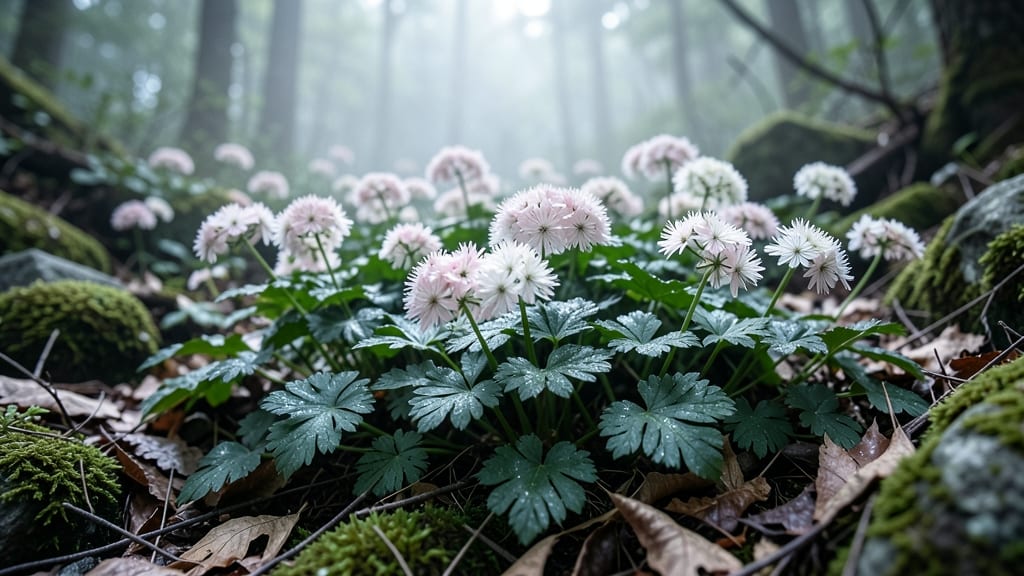
Transform your shady garden into a whimsical woodland retreat with tiarella, also known as foamflower. Its delicate, cloud-like clusters of white or pink blooms emerge in early spring, creating an ethereal effect that mimics floating mist—perfect for understory plantings where light barely reaches the forest floor.
This low-growing perennial thrives in partial to full shade and prefers well-draining, humus-rich soil. Varieties like 'Pink Skyrocket' or 'Silver Mist' add height (up to 18 inches) while their deep green, textured leaves provide year-round interest. Plant in groups of 3-5 for maximum impact, and pair with ferns or hellebores to enhance the woodland ambiance. Tiarella is deer-resistant and drought-tolerant once established, making it ideal for busy gardeners.
Woodland gardeners and cottage-style enthusiasts will love how tiarella softens garden edges while attracting early pollinators. Its early spring blooms provide color when few other shade plants are flowering, and its spreading habit helps fill gaps beautifully. 🌿
Lamium with Purple Spikes
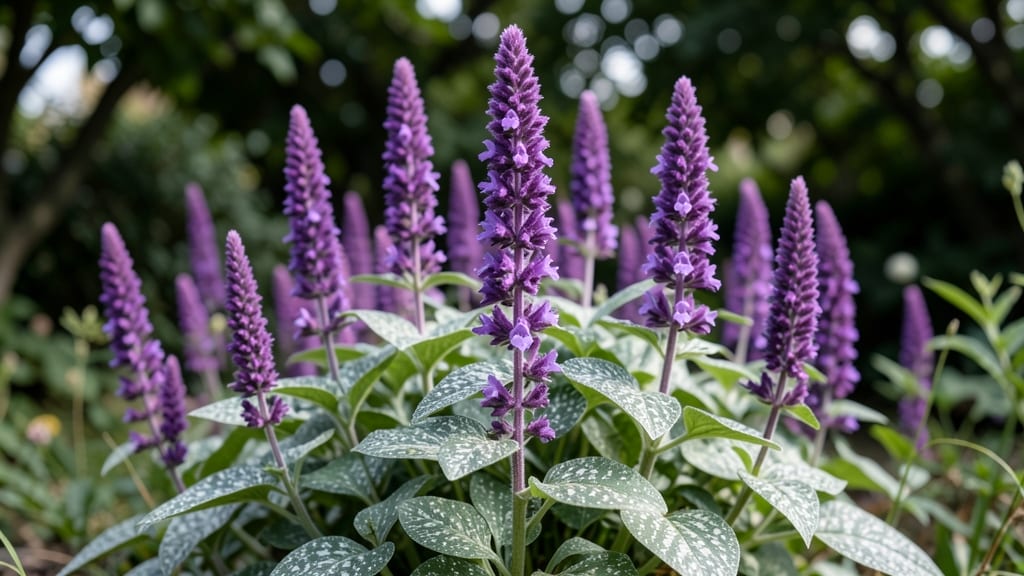
Ready to add a bold pop of color to your shade garden while supporting pollinators? Lamium with purple spikes (like 'Bee Balm' varieties) delivers dramatic vertical interest with its vibrant purple flower spikes that hover above striking silver-spotted leaves. Unlike its stinging nettle relative, this plant is completely safe to touch while still packing a visual punch—perfect for cutting garden beds or pollinator-friendly borders.
These shade-loving perennials thrive in partial to full shade and prefer well-draining soil, making them ideal for underplanting trees or shrubs. Their late spring to summer blooms attract bees and butterflies, while the silvery foliage adds texture year-round. Varieties like 'White Nancy' or 'Shell Pink' offer lighter color options, but the classic purple spikes create the most dramatic impact. Simply shear back spent blooms in fall to encourage fresh growth.
Urban gardeners and pollinator enthusiasts will love how lamium transforms dull corners into buzzing ecosystems. Its low-maintenance nature and deer resistance make it a winner for busy gardeners too. 🌟
Solomon's Seal with Arching Stems

Want to add movement and elegance to your shade garden without the fuss? Solomon's seal brings arching stems that sway gently in the breeze, creating a natural, flowing rhythm even in low-light areas. Unlike stiff upright perennials, its delicate white or greenish flowers emerge along the stems in late spring, adding subtle color without overwhelming the space.
This adaptable perennial thrives in both dry and moist conditions, making it perfect for underplanting trees or filling tricky spots where other shade plants struggle. Plant it in partial to full shade with well-draining soil, and watch as its 18-36 inch arching stems cascade gracefully over garden edges or through shrub borders. Varieties like 'Spindles' (with red stems) or 'Farewell to Autumn' (golden foliage) add extra visual interest. Just avoid overwatering—its roots appreciate consistency but hate soggy soil.
Ideal for woodland gardens, cottage-style beds, or modern minimalist designs, Solomon's seal brings effortless structure while supporting pollinators like bees. Its year-round interest (even when not in bloom) makes it a standout for gardeners who love plants that do more with less. 🌿