
Shrubs
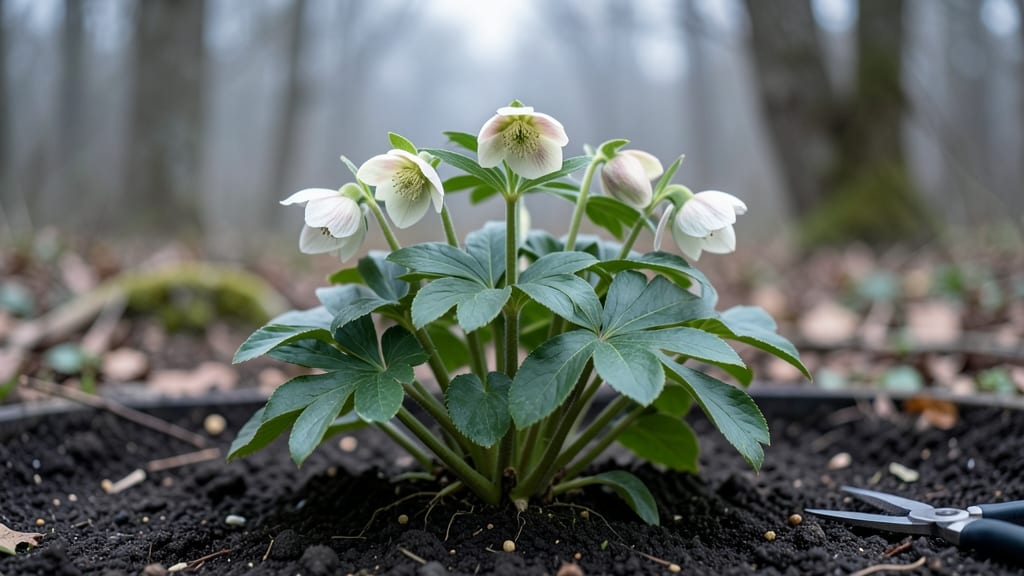
Lenten roses thrive where others fail—sun or shade, they’ll still bloom through winter’s chill. 🌿 I’ve watched mine push through snow with barely a care, their deep green leaves unfazed by the darkest corners of my yard.
The secret isn’t fancy soil or constant fussing; it’s their uncanny adaptability to light conditions most shrubs would reject. These hardy perennials prefer partial shade—think dappled sunlight under trees—but they’ll handle full shade or even a few hours of morning sun without complaint.
The key is avoiding harsh afternoon rays, which can scorch their delicate blooms. My understory plants get just enough light to stay lush, while those in brighter spots still reward me with year-round flowers that defy winter’s grip.
What you’ll love most is their minimal care routine: water only when the soil feels dry, trim spent blooms in early spring, and watch them reward you with bold, nodding flowers in white, pink, or deep purple. Even my black thumb can’t kill these—once established, they’re nearly indestructible.
Perfect for woodland gardens, shady patios, or even as understory plants near taller trees. Here’s how to set yours up for decades of effortless beauty—no green thumb required.
📚 In This Guide
- What you need
- Instructions
- Tips and common mistakes
- Wrapping up and next steps
What you need
- ● Lenten Rose Plants: 1–3 mature plants (choose varieties like Helleborus niger for shade or Helleborus orientalis for partial sun)
- ● Check root ball size—4–6 inches for small plants, 8+ inches for established shrubs
- ● Well-Draining Soil: 5–10 gallons of garden loam (mix with compost for fertility)
- ○ Optional: Perlite or sand (1 part per 3 parts soil) to improve drainage
- ● Organic Mulch: 2–3 inches of wood chips, shredded bark, or pine straw (preserves moisture)
- ● Garden Tools: Trowel or spade (for planting)
- ● Garden gloves (to protect hands)
- ● Watering can or hose with soaker nozzle (gentle watering is key!)
- ● Location Prep: Spot with 6+ hours of shade (for traditional Lenten Roses) or morning sun + afternoon shade (for hybrid varieties)
- ● Test soil pH (ideal: 6.0–7.0; amend with lime if needed)
- ● Fertilizer: Slow-release balanced 10-10-10 or bone meal (spring application)
- ● Plant Support: Small stakes (if planting in windy areas)
- ● Decorative Stones: For a polished garden bed look
How to plant and maintain lenten roses for stunning year-round color
These hardy shrubs thrive with almost no fuss—just a few key steps to keep them blooming beautifully.
🌱 Step 1: Choose the Perfect Planting Spot
Lenten roses tolerate both sun and shade, but for the most vibrant blooms, aim for at least 4-6 hours of morning sun and afternoon shade. If your climate is hot and dry, they’ll appreciate partial shade all day to prevent leaf scorch. I always check the spot by observing how much sun it gets—if nearby plants are thriving, the location is likely ideal.
Their roots spread moderately, so plant them 10-15 feet apart to allow airflow and prevent disease. Dig a hole twice as wide as the root ball but no deeper—this encourages roots to spread horizontally rather than settling too low. Amend the native soil with 2-3 inches of compost to improve drainage, especially if your soil is heavy clay.
🪴 Step 2: Plant with Care for Long-Term Health
Remove the shrub from its container and gently loosen the roots if they’re circling. Place it in the hole so the top of the root ball sits 1 inch above ground level—this prevents water from pooling around the stem and causing rot. Backfill with the amended soil, pressing lightly to remove air pockets but not compacting too tightly.
Water deeply right after planting to settle the soil and eliminate air gaps. You’ll know it’s done when the soil around the base feels firm to the touch. Mulch with 2-3 inches of organic mulch (like shredded bark) to retain moisture and suppress weeds. Keep the mulch 6 inches away from the stem to avoid rot.
☀️ Step 3: Water and Feed for Continuous Blooms
Lenten roses are drought-tolerant once established, but they’ll reward you with more blooms if you water consistently. Water once a week during the first growing season, providing 1-2 gallons per plant each time. After that, water every 2-3 weeks unless your area experiences prolonged dry spells. Check the soil—when the top 2 inches feel dry, it’s time to water.
Feed them once in early spring with a balanced, slow-release fertilizer (10-10-10 or similar). Avoid high-nitrogen fertilizers—they’ll produce lush foliage but fewer flowers. I also top-dress with a thin layer of compost in late fall to nourish roots for next year’s blooms.
✂️ Step 4: Prune for Shape and Health
Prune right after flowering (late spring) to shape the shrub and encourage new growth. Remove any dead, diseased, or crossing branches first—these can spread problems or block airflow. Then, trim back any leggy stems by one-third to maintain a compact shape. Use clean, sharp pruners to make cuts just above a leaf node or outward-facing bud.
If your lenten rose grows too large, you can rejuvenate it by cutting back older stems to the ground in early spring. New shoots will sprout from the base, giving you a fresh, youthful plant. Just be patient—it may take a season or two to recover its full bloom potential.
⏰ Step 5: Protect Through Seasons
Lenten roses are cold-hardy, but a thick layer of mulch (4-6 inches) in winter helps insulate roots in colder climates. In late winter, remove any dead or frost-damaged stems before new growth begins. If your area gets heavy snow, gently brush it off branches to prevent breakage.
Watch for aphids or spider mites—the most common pests. A strong spray of water usually knocks them off, but for stubborn infestations, use neem oil or insecticidal soap. Healthy plants rarely have issues, so focus on good airflow and proper watering to keep them thriving year after year.
Tips & tricks for perfect lenten rose planting and care
These simple strategies will help your lenten roses thrive with minimal effort and maximum beauty.
Sunlight Strategy: In Step 1, when choosing your planting spot, observe the sunlight patterns throughout the day. The 4-6 hours of morning sun is ideal for vibrant blooms, but if your afternoon sun is intense, consider dappled shade from nearby trees. I've seen lenten roses in full morning sun with afternoon shade produce the most abundant flowers—it's like they're hitting their own personal sweet spot!
Planting Depth Secret: During Step 2, pay close attention to that 1-inch elevation above ground level. This small detail prevents water from pooling around the stem, which can lead to rot. I learned this the hard way when my first lenten rose struggled—now I always use a small stake to mark the correct depth before planting.
Watering Wisdom: In Step 3, when you're establishing that once-a-week watering schedule, use the "finger test" method. Stick your finger about 2 inches deep into the soil—if it feels dry, that's your cue to water. This method prevents overwatering while ensuring roots get the moisture they need to establish properly.
Pruning Precision: For Step 4's pruning, make your cuts just above a leaf node or outward-facing bud. This simple technique encourages new growth in the right direction. I always sanitize my pruners with rubbing alcohol between cuts to prevent spreading any potential diseases that might be hiding in the plant.
Pro Tips for Lenten Rose Sun Or Shade
- These simple strategies will help your lenten roses thrive with minimal effort and maximum beauty.
- Sunlight Strategy: In Step 1, when choosing your planting spot, observe the sunlight patterns throughout the day.
- Planting Depth Secret: During Step 2, pay close attention to that 1-inch elevation above ground level.
Frequently asked questions
Got questions about growing Lenten roses (Helleborus) in sun or shade? You’re not alone! These stunning shrubs are low-maintenance, but a few key details can make all the difference. Here are answers to the most common queries—so you can enjoy their cheerful blooms with confidence.
Can Lenten roses grow in full sun?
While they can tolerate some sun, Lenten roses thrive best in partial to full shade, especially in hotter climates. Too much direct sun can scorch their leaves or cause blooms to fade faster. If you must plant them in sun, ensure they have well-draining soil and regular watering to prevent stress.
What’s the ideal sunlight balance for these shrubs?
Aim for morning sun + afternoon shade (3–6 hours of indirect light daily). In cooler regions, they can handle full shade (like under trees), but avoid dense, dark spots where airflow is poor. Observe their leaves—yellowing or browning signals too much sun or heat.
Are there shade-tolerant Lenten rose varieties?
Yes! Some varieties excel in low light:
- Helleborus niger (classic Christmas rose)
- Helleborus argutifolius (corsican hellebore)
- Helleborus foetidus (stinking hellebore—yes, it smells!
Do Lenten roses need winter protection?
Generally no—they’re hardy to USDA Zones 3–9! However, in Zone 3 or colder, mulch the base with 2–3 inches of organic matter (like shredded bark) to insulate roots. Avoid heavy mulch in wet climates to prevent rot. Pro tip: Dead leaves can act as natural insulation!
Why aren’t my Lenten roses blooming?
Common culprits:
- Too much shade (they need some light to flower)
- Over-fertilizing (focus on balanced, low-nitrogen fertilizer in early spring)
- Crowded roots (divide clumps every 3–4 years)
- Late planting (they establish slowly—give them time!)
Wrapping up and next steps
Transforming your garden with Lenten Rose shrubs is a rewarding journey that blends beauty with ease—whether you prefer basking in sunlight or thriving in shade. These hardy plants offer year-round interest with minimal fuss, making them perfect for both novice and seasoned gardeners. 🌿
Ready to elevate your outdoor space? Start by selecting the ideal location based on your climate and sunlight exposure, then give your Lenten Rose the love it deserves with simple care. Watch your garden bloom with confidence!
Next step: Grab your gloves and dive into planting—your future blooms will thank you! 🌸