
Light Requirements
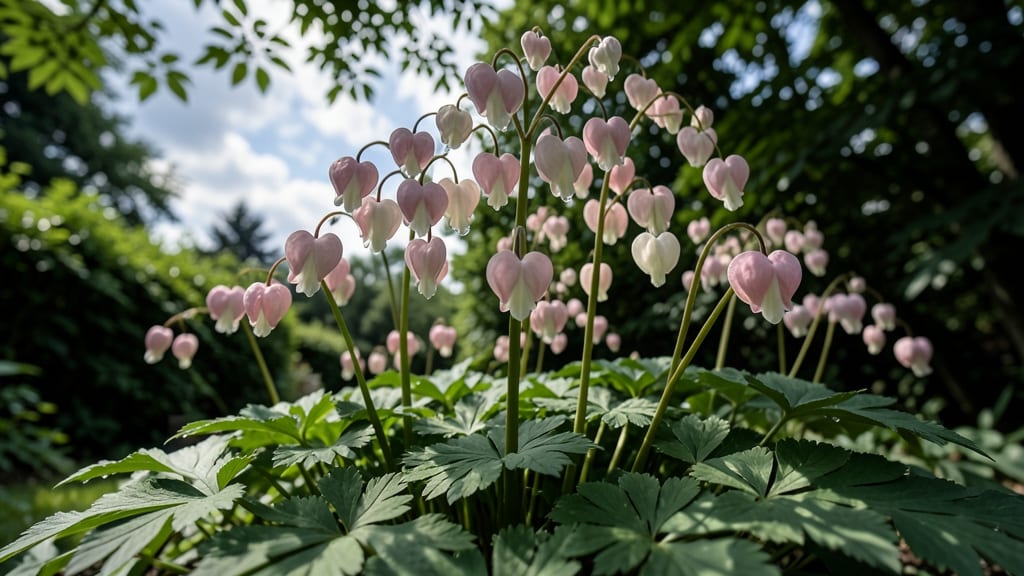
Dark corners of your garden don’t have to stay gloomy. These 10 shade-loving plants thrive in partial to full shade, offering vibrant foliage, striking textures, and low-maintenance beauty that transforms even the dimmest spaces into lush retreats.
Hostas: Classic Low-Light Perennial with Bold Patterns
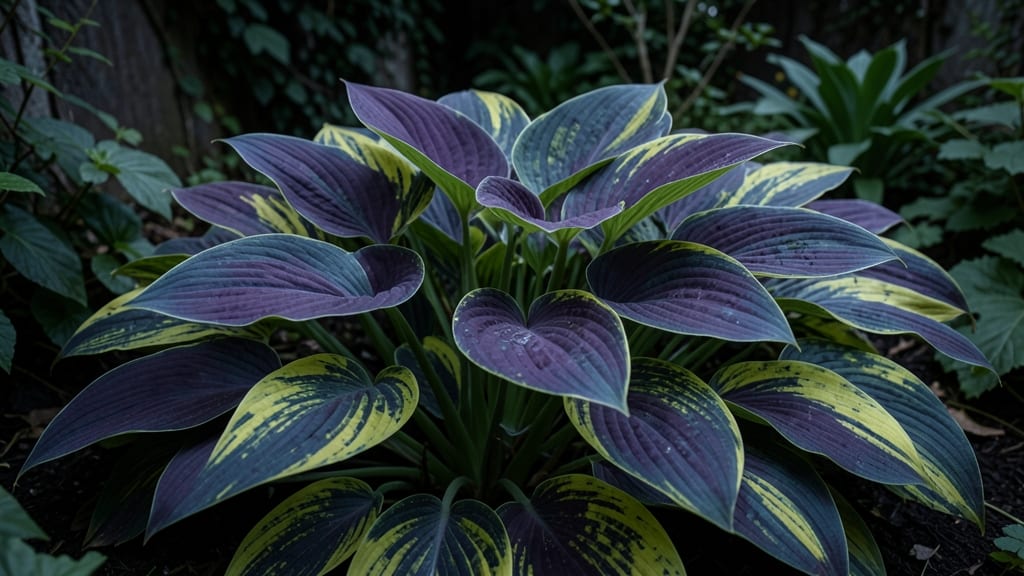
If you love plants but struggle with sun-starved spots in your garden, hostas are your secret weapon. These low-light perennials deliver bold foliage in every shade—from deep purple to chartreuse—while thriving where other plants wilt. Their diverse textures and patterns make them the backbone of any shady border or woodland garden.
Hostas grow in partial to full shade, making them perfect for under trees or north-facing beds. Choose from dwarf varieties (like 'Blue Mouse Ears') for containers or giant cultivars (such as 'Sum and Substance') for dramatic impact. They’re also deer-resistant and low-maintenance, requiring only consistent moisture and occasional division every few years.
Whether you're a beginner or a seasoned gardener, hostas offer endless design possibilities—plant them in massed drifts for drama or mix with ferns for a lush, layered look. Their versatility ensures they’ll elevate any shady corner. 🌿
Ferns: Delicate Fronds for Soft, Airy Shade Gardens
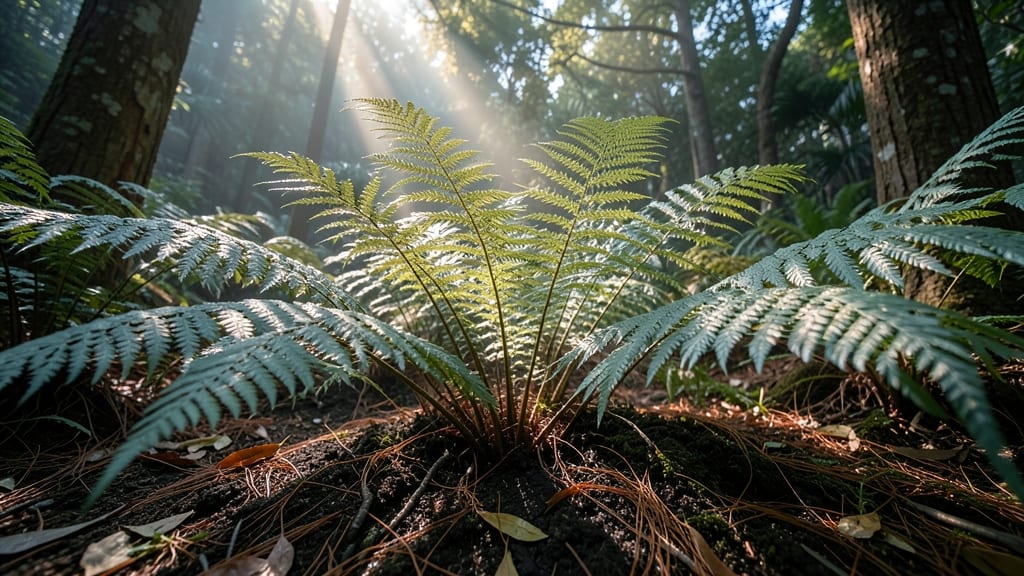
Transform your shady garden into a serene woodland retreat with ferns, nature’s most graceful shade specialists. Their lacy fronds create an almost tropical ambiance, perfect for under trees or along damp pathways where other plants struggle.
Ferns thrive in moist, well-drained soil with partial to full shade, making them ideal for woodland gardens or container arrangements. Varieties like maidenhair fern and Japanese painted fern add texture and movement, while requiring minimal care—just keep soil consistently moist and protect from harsh afternoon sun.
These versatile plants work beautifully as ground covers, border accents, or even as focal points in hanging baskets. Perfect for gardeners seeking low-maintenance elegance, ferns bring a touch of ancient forest magic to any shaded space. 💚
Hellebores: Winter-Blooming Jewels for Dark Corners
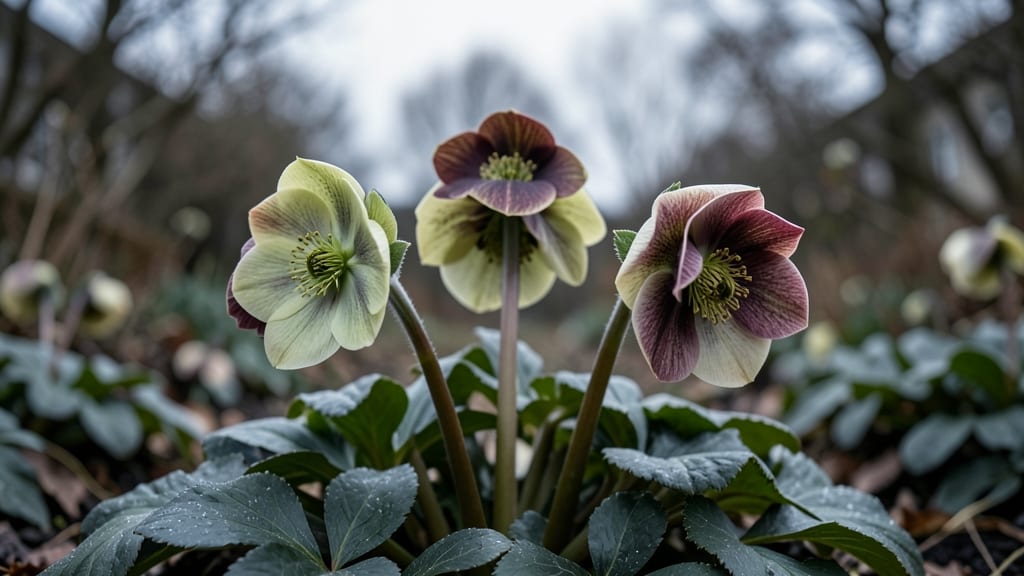
When late winter’s chill still lingers and most gardens look like blank canvases, hellebores burst onto the scene with their delicate, nodding blooms. These winter-blooming jewels thrive in partial to full shade, making them perfect for dark corners where other plants struggle.
Known as Lenten roses, hellebores offer early-season color in shades of white, pink, purple, and even deep green. They’re incredibly hardy, tolerating poor soil conditions and even flourishing in rocky or clay-heavy ground. Plant them in well-draining soil and water moderately—they’ll reward you with year-round interest, as their glossy foliage remains attractive even after blooms fade.
Ideal for urban gardeners with shady patios or woodland gardeners, hellebores bring life to forgotten spots without demanding much effort. Their low-maintenance nature and long bloom time make them a must-have for shade lovers. 🌷
Impatiens: Bright Annuals for Instant Shade Color
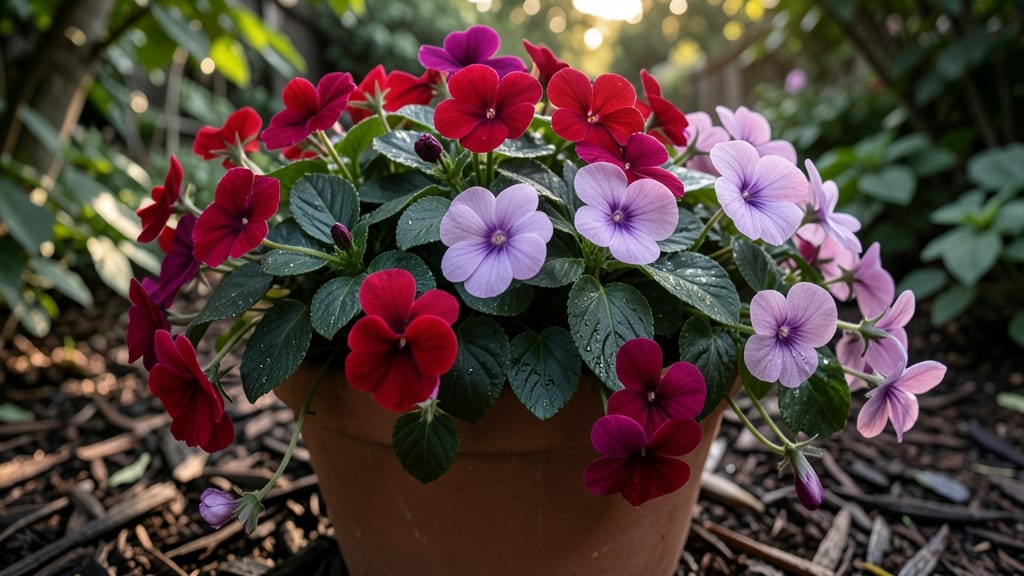
Craving instant color in your shady garden? Impatiens deliver a bold pop of red, pink, and purple blooms within weeks of planting—perfect for brightening dark corners where other plants struggle. These cheerful annuals thrive in moist, shady spots, making them ideal for containers, hanging baskets, or garden beds under trees.
Impatiens prefer consistent moisture and well-draining soil, so mulch around plants to retain humidity. Choose from classic New Guinea impatiens (tolerates more light) or traditional impatiens for full shade. Deadhead spent blooms to encourage nonstop flowering from spring until frost, and fertilize lightly every 4-6 weeks for maximum impact.
Urban gardeners with limited space or renters who can't commit to perennials will love impatiens—they’re the easiest way to add vibrant color to shady patios, balconies, or window boxes. Just remember, they’re not long-term plants, so treat them as seasonal stars. ✨
Caladiums: Striking Leaf Patterns for Tropical Flair
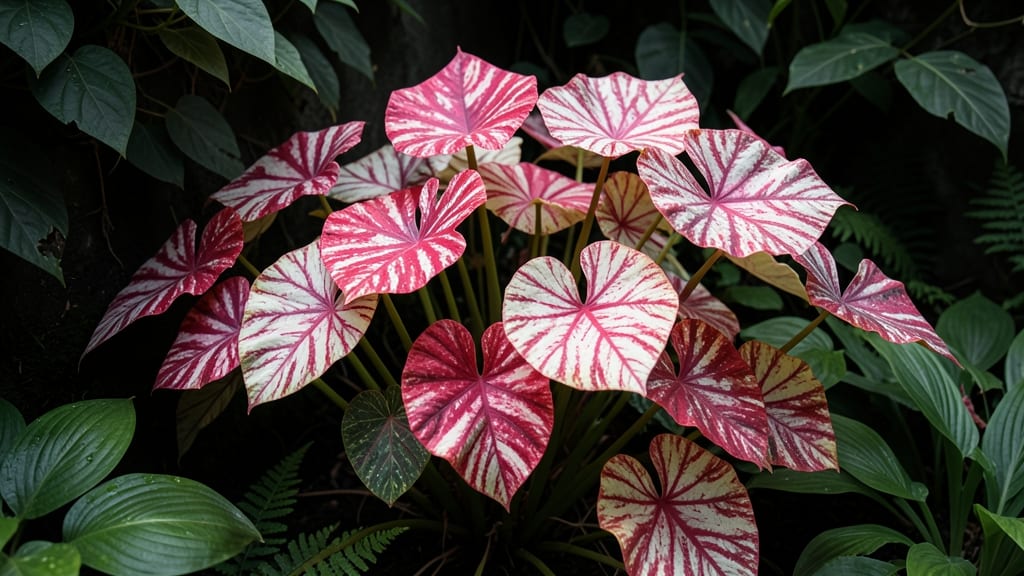
Bring instant tropical vibes to your shady garden with caladiums, nature’s own living art. These show-stopping plants feature heart-shaped leaves in dazzling pink, red, and white patterns that glow under dim light—perfect for transforming dull corners into vibrant focal points.
Caladiums thrive in partial to full shade, making them ideal for containers on patios or as ground cover under trees. Their glossy foliage stays lush with consistent moisture (but avoid soggy soil), and they’re perfect for warm-season color from late spring through fall. Varieties like 'White Queen' or 'Flamingo' add dramatic contrast to hostas or ferns.
Urban gardeners and container enthusiasts will love how caladiums bring bold color to small spaces, while their heat tolerance makes them ideal for southern climates. Just remember: they’re tender perennials, so treat them as annuals in cold zones. 🌻
Astilbes: Feathery Plumes for Long-Lasting Shade Blooms
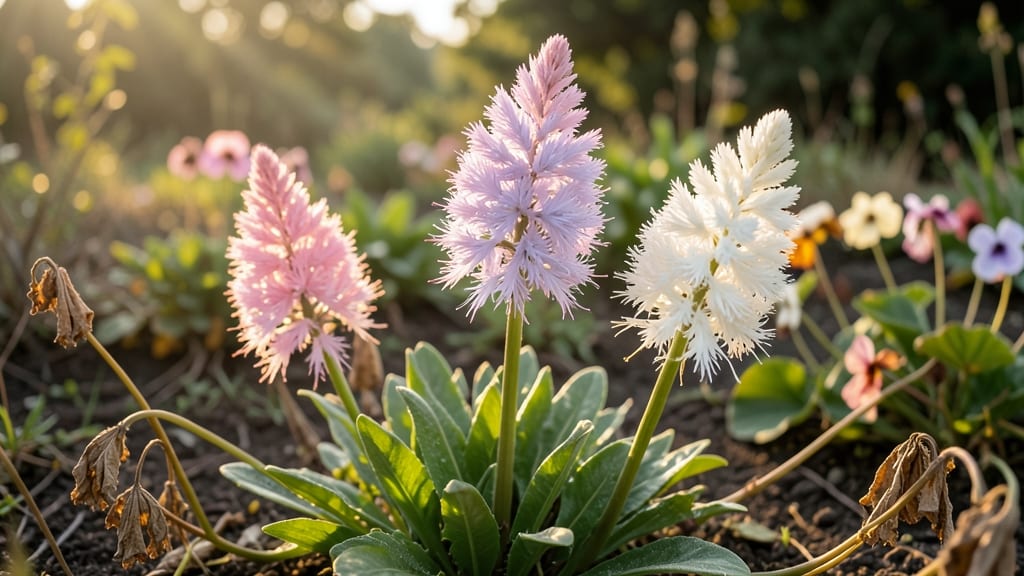
When summer’s peak heat arrives and many shade plants fade, astilbes step in as the unsung heroes of late-season color. Their feathery plumes in soft pink, white, and lavender create a dreamy, romantic look that lasts from midsummer through fall—long after impatiens and caladiums have finished blooming.
Thriving in moist, well-drained soil with partial to full shade, astilbes are perfect for woodland gardens, container arrangements, or as focal points near ponds. Varieties like 'Fanal' (deep pink) or 'Deutschland' (lavender) reach 2-3 feet tall, while 'Bridal Veil' stays compact for borders. For best results, mulch to retain moisture and fertilize lightly in spring—these plants reward patience with prolonged blooms that attract butterflies.
Urban gardeners with shady balconies or woodland gardeners seeking structure will love astilbes—they pair beautifully with hostas and ferns while adding vertical interest without demanding full sun. Plant them in groups of 3-5 for maximum impact and enjoy their ethereal beauty when other shade plants are winding down. 🌻
Japanese Painted Fern: Unique Silver-and-Green Foliage
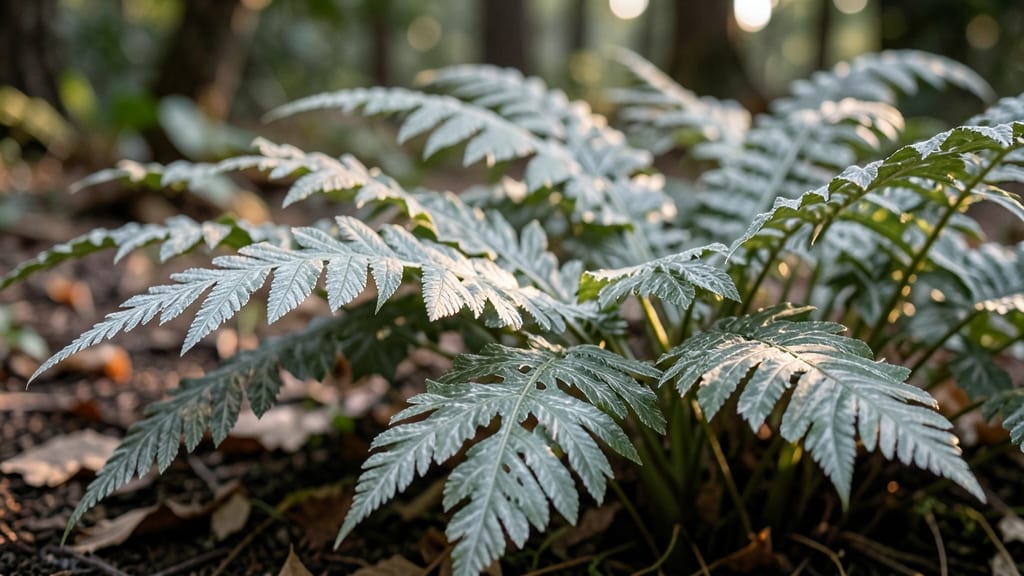
Looking to add architectural interest to your shade garden without relying on bold blooms? The Japanese painted fern (Athyrium niponicum var. pictum) delivers striking silver-and-green fronds that catch the light like a living sculpture. Unlike its green counterparts, this fern’s variegated foliage creates visual depth, making it a standout in woodland gardens or as a focal point under trees.
This low-maintenance perennial thrives in partial to full shade and tolerates a range of soil types, though it prefers moist, well-draining conditions. Its clumping habit (unlike invasive ferns) keeps it tidy, and it pairs beautifully with hostas (for texture contrast) or hellebores (for early-season color). For best results, mulch around the base to retain moisture and protect roots from temperature swings.
Perfect for urban gardeners with shady patios or woodland enthusiasts, this fern adds year-round structure—its fronds turn coppery in fall, extending seasonal interest. Plant it in groups of 3–5 for maximum impact, and watch it become the quiet star of your shade garden. 🌿
Lungwort: Medicinal Beauty with Unique Spotted Leaves
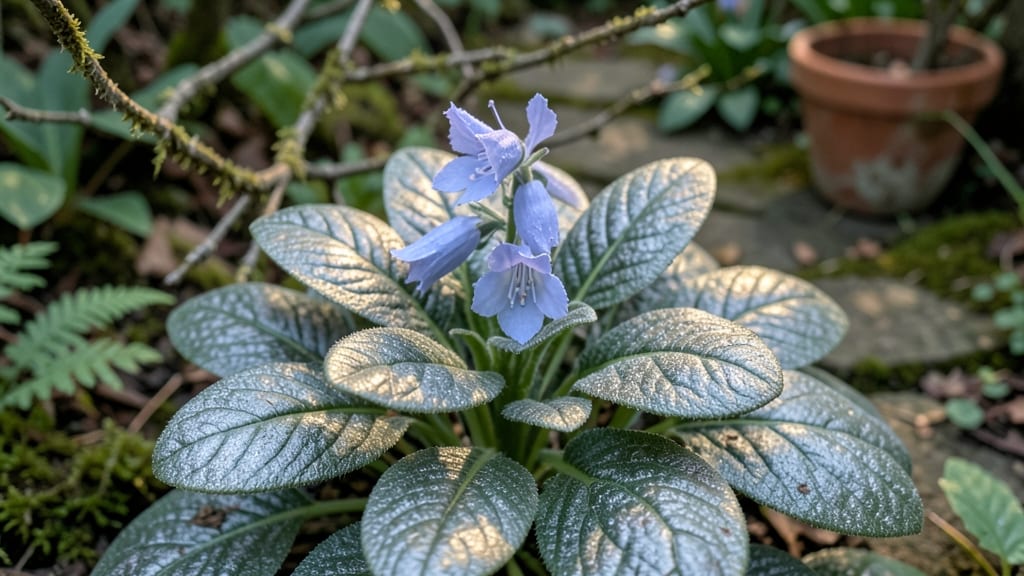
Looking for a plant that combines medicinal benefits with striking beauty? Lungwort (Pulmonaria) delivers both, with its silvery-spotted leaves and delicate blue flowers that thrive in partial shade. This versatile perennial is a hidden gem for cottage gardens, medicinal herb collections, and pollinator-friendly spaces.
Lungwort flourishes in partial to full shade, making it ideal for understory planting or woodland gardens. Its unique foliage—marked with silver or white spots—adds visual interest year-round, while its early spring blooms attract bees and butterflies. A hardy perennial, it tolerates average to moist soil and spreads slowly, making it low-maintenance once established.
Perfect for herbalists, cottage gardeners, or urban gardeners with shady spots, lungwort brings both beauty and utility to your garden. Its medicinal history (traditionally used for respiratory health) adds an extra layer of intrigue for those who love plants with purpose. 🌿
Sweet Woodruff: Fragrant Ground Cover for Shady Paths
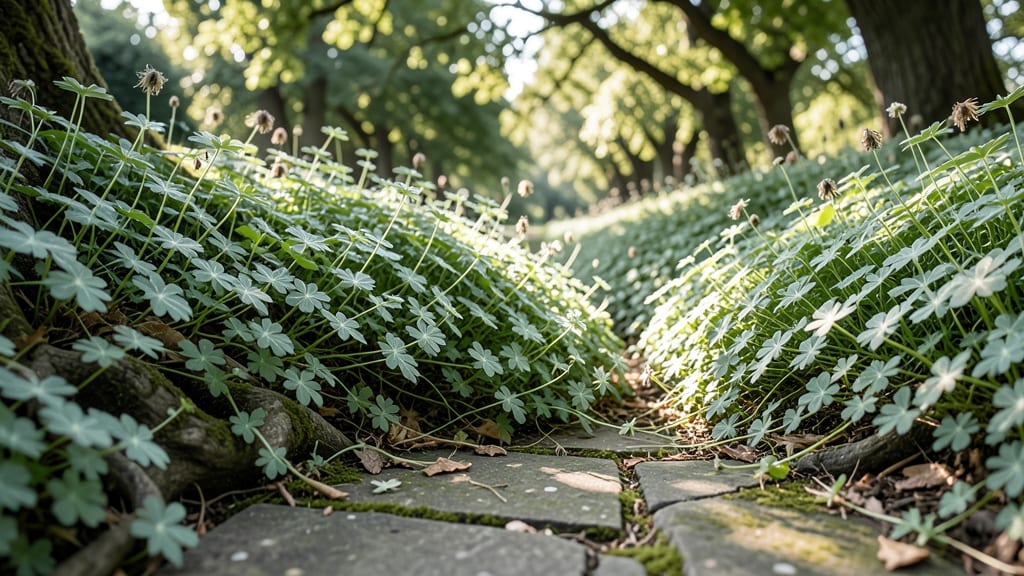
Tired of shady walkways that look bare and forgotten? Sweet woodruff transforms dull corners into fragrant, lush carpets with its delicate charm. This low-growing perennial spreads effortlessly, filling gaps under trees or along pathways with a vanilla-like scent that releases when leaves are brushed—like nature’s own air freshener.
Thriving in partial to full shade, sweet woodruff adapts to most soil types but prefers moist, well-draining conditions. Its white star-shaped flowers bloom in late spring, adding subtle beauty to its glossy green foliage. To encourage spreading, divide clumps every 3–4 years, and mulch lightly to retain moisture. Deer and rabbits typically avoid it, making it a hassle-free choice for problem areas.
Perfect for urban gardeners with shady patios or woodland enthusiasts, sweet woodruff adds sensory delight without demanding attention. Pair it with hostas or ferns for a cohesive, fragrant ground cover that brightens even the darkest spots. 💚
Bleeding Heart: Romantic Arching Flowers for Vertical Interest

Craving a touch of romance in your shady garden? Bleeding heart (Dicentra spectabilis) delivers dreamy, heart-shaped flowers that dangle like delicate chandeliers from arching stems, creating a vertical waterfall of color. This spring-blooming perennial thrives where others struggle, making it perfect for borders, woodland edges, or as a focal point under trees.
Plant bleeding heart in moist, well-drained soil with partial to full shade, and it will reward you with cascading blooms in shades of pink, white, or red from late spring through early summer. Its fern-like foliage provides year-round interest, while its graceful habit adds movement to still garden corners. For best results, mulch to retain moisture and divide clumps every 3–4 years to maintain vigor.
Ideal for romantic gardeners, cottage-style beds, or woodland gardeners, bleeding heart brings whimsical charm without demanding full sun. Pair it with hostas or ferns for a lush, layered look that feels like a secret garden. 💚