
Light Requirements
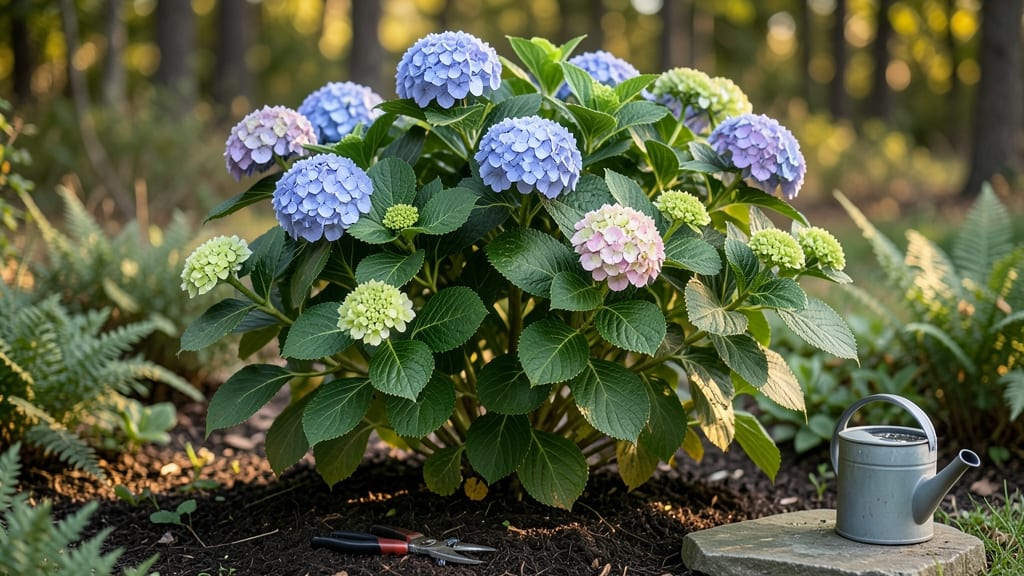
Partial shade bushes transform dull corners into lush, private retreats—without demanding full sun. 🌿 I’ve designed my backyard with these tough, elegant plants that thrive under tree canopies or along north-facing walls, creating living screens that stay vibrant all year.
The right bushes add texture, color, and structure to any garden style. Cottage gardens love hydrangeas and azaleas for their romantic blooms, while modern designs often feature boxwoods or pieris for clean lines and evergreen reliability. Even woodland gardens benefit from these low-light champions like fothergilla or inkberry.
You’ll get year-round interest: spring blooms, summer foliage, and autumn berries or fiery fall colors. These plants also reduce maintenance—no need for constant pruning or watering once established. The payoff? A garden that feels lush, private, and effortlessly beautiful without fighting for sunlight.
Mix them with shade-tolerant perennials like hostas or ferns for layered depth. For example, pair hydrangeas with astilbe for a soft, romantic border, or use boxwoods as a structured hedge with hellebores at the base. The possibilities are endless for creating a serene, well-designed space.
📚 In This Guide
- What you need
- Instructions
- Tips and common mistakes
- Wrapping up and next steps
What you need
- ● Partial shade bushes: 3–5 mature plants (e.g., Hydrangea, Azalea, or Pieris japonica) – Choose based on your climate zone and desired height (3–6 ft tall).
- ○ Optional: Dwarf varieties (1–3 ft) for smaller spaces or containers.
- ● Soil amendments: 5–10 lbs of peat moss or compost (improves drainage and fertility).
- ● 1–2 lbs of slow-release fertilizer (10-10-10 NPK ratio).
- ● Planting tools: 1 garden trowel (for small bushes).
- ● 1 shovel (for larger plants or heavy soil).
- ● 1 pruning shears (to trim roots or shape plants post-planting).
- ● 1 measuring tape (to space plants 3–5 ft apart, depending on variety).
- ● Mulch: 2–3 bags of organic mulch (e.g., pine bark or shredded leaves, 2–3 inches deep).
- ● Watering supplies: 1 hose with adjustable nozzle or watering can (for gentle, deep watering).
- ○ Optional: Drip irrigation kit (for consistent moisture in dry climates).
- ● Soil test kit – Check pH (most partial shade bushes prefer acidic to neutral soil, pH 5.0–6.5).
- ● Plant supports – Stakes or cages for tall/heavy bushes (e.g., Hydrangea).
- ● Slow-release plant food tablets – For nutrient boosts without over-fertilizing.
- ● Garden gloves – Protect your hands from thorns or rough bark.
How to select and plant partial shade bushes for year-round privacy
Here’s my go-to method for choosing and planting shade-tolerant shrubs that thrive with minimal sunlight while delivering lush, evergreen privacy.
🌿 Step 1: Choose the Right Bushes for Your Shade Conditions
Start by assessing your light levels—partial shade typically means 3-6 hours of direct sun daily. For deeper shade (<3 hours), opt for hostas, ferns, or pieris, while 6-6 hours of light suits hydrangeas, azaleas, or rhododendrons. I always check the plant tag for specific light needs, as even shade-loving bushes vary.
For year-round privacy, prioritize evergreens like inkberry holly, boxwood, or gardenia, which retain foliage in winter. If deciduous options are preferred, ornamental cherries or serviceberry provide seasonal interest. Group plants with similar light needs together to avoid stress from mismatched conditions.
🪴 Step 2: Prepare the Planting Site for Optimal Drainage
Test your soil’s drainage by digging a 6-inch deep hole—if water pools after 15 minutes, amend with 2-3 inches of compost or sand to improve aeration. Partial shade bushes hate soggy roots, so never plant in low-lying areas where water collects. I always slope the planting area slightly to encourage runoff.
Loosen the root ball before planting to encourage root spread. If transplanting bare-root bushes, soak roots in lukewarm water for 30 minutes to revive them. The hole should be twice as wide as the root ball but only as deep—planting too deep suffocates roots and causes stress.
☀️ Step 3: Plant and Stake for Stability
Place the bush in the hole, ensuring the top of the root ball sits level with the ground—never bury the stem. Fill the hole with native soil, pressing gently to remove air pockets, then water deeply to settle everything. For tall or top-heavy bushes (like ornamental cherries), insert 2-3 stakes at a 45-degree angle and secure with soft ties to prevent wind damage.
Mulch with 2-3 inches of shredded bark or pine needles, keeping it 6 inches away from the stem to prevent rot. Water 1-2 times weekly for the first month, ensuring the soil stays evenly moist but not soggy. You’ll know it’s right when the top inch feels damp but not dripping.
✂️ Step 4: Prune and Maintain for Healthy Growth
Prune late winter or early spring (before new growth starts) to shape bushes and remove dead branches. For evergreens, I trim back overgrowth by one-third to encourage bushier growth. Avoid heavy pruning in fall—it stresses plants before winter dormancy. Use clean, sharp shears to make cuts at a 45-degree angle just above a leaf node.
Fertilize once in early spring with a balanced 10-10-10 formula, following label instructions. Over-fertilizing leads to weak, leggy growth. Watch for yellowing leaves—this usually signals overwatering or nutrient deficiency. Adjust care based on the plant’s response: drought-tolerant bushes need less water, while tropical varieties (like gardenia) prefer consistent moisture.
🌱 Step 5: Monitor and Adjust for Seasonal Changes
In summer, increase watering if rainfall is scarce—deep watering once weekly is better than frequent shallow drinks. For winter care, protect tender evergreens (like camellia) with a light burlap wrap if temperatures drop below 20°F. I also remove mulch in late winter to prevent overheating as spring approaches.
Rotate bushes every 2-3 years if growth becomes uneven, and divide clumping varieties (like ornamental grasses) to prevent overcrowding. With proper care, your partial shade bushes will fill out beautifully, delivering year-round privacy with minimal sunlight demands.
Tips & tricks for perfect partial shade bush plantings
These pro strategies will help your shade-tolerant bushes thrive and deliver that lush privacy screen you're after.
Light Assessment: Use a simple trick to gauge your shade conditions: place a white plate in the spot where you're planting during the sunniest part of the day. After 3-6 hours, check for shadows—if the plate has partial shading, you're in the ideal range for most evergreens. For deeper shade areas, consider hostas or ferns which tolerate less than 3 hours of direct light. This quick test prevents costly mistakes with light-sensitive varieties.
Root Revival Technique: When transplanting bare-root bushes, that 30-minute lukewarm water soak is your secret weapon. I've found adding a splash of unflavored gelatin powder (1 teaspoon per gallon of water) helps protect roots during this process. After soaking, gently massage the roots to encourage spreading before planting. This simple step can double your transplant success rate.
Mulching Mastery: The 2-3 inches of mulch we recommend isn't just about moisture retention—it's also about temperature regulation. Darker mulches like shredded bark absorb heat, while lighter pine needles reflect it. For tropical varieties like gardenia, I often use a 3-inch layer to maintain consistent soil temperatures. Always keep that mulch 6 inches away from stems to prevent rot, which is a common mistake I see in new gardeners.
Seasonal Pruning Calendar: Mark your calendar for late winter or early spring pruning—this timing aligns with the plant's natural growth cycle. I've learned to avoid pruning evergreens in fall as it stresses them before winter dormancy. For ornamental cherries, I make my cuts at a 45-degree angle just above a leaf node, which promotes faster healing and bushier growth. This precise technique makes all the difference in maintaining that dense privacy screen.
Pro Tips for Partial Shade Bushes
- These pro strategies will help your shade-tolerant bushes thrive and deliver that lush privacy screen you're after.
- Light Assessment: Use a simple trick to gauge your shade conditions: place a white plate in the spot where you're planting during the sunniest part of the day.
- Root Revival Technique: When transplanting bare-root bushes, that 30-minute lukewarm water soak is your secret weapon.
Frequently asked questions
Got questions about partial shade bushes?
You’re not alone! Here are answers to the most common concerns—from planting tips to troubleshooting—so you can create a lush, low-maintenance privacy screen with confidence.
What’s the difference between partial shade and full shade?
Partial shade means 3–6 hours of sunlight daily, while full shade gets less than 3 hours. Bushes like hydrangeas or azaleas thrive in partial shade but may struggle in deep shade. Check your space’s light patterns before choosing plants—morning sun with afternoon shade is ideal for most!
When is the best time to plant partial shade bushes?
Plant in early spring or fall when temps are mild (50–75°F). Avoid extreme heat or frost—roots need time to establish before stress. Pro tip: Water deeply after planting and mulch to retain moisture. Container-grown bushes can go in year-round (except winter in cold climates).
Can I use partial shade bushes for fast privacy?
Yes! Fast-growing options like privet hedges or ornamental grasses (e.g., Miscanthus) fill in quickly. For slower but stunning choices, hydrangeas or camellias add texture and color. Plan for 2–3 years for a dense screen—layering shrubs of different heights speeds up coverage.
Why are my partial shade bushes turning yellow or leggy?
Yellow leaves often signal overwatering, poor drainage, or too much shade. Leggy growth? Your bush craves more light. Fix it: Adjust watering, ensure soil drains well, and trim back leggy stems to encourage bushier growth. Move plants to a slightly sunnier spot if possible.
Are there drought-tolerant partial shade bushes?
Try dwarf fountain grass, inkberry holly, or Japanese pieris. These handle dry spells better than thirsty hydrangeas. Pro tip: Mulch heavily (2–3 inches) to lock in moisture. Once established, most partial shade bushes need 1 inch of water weekly—less in rainy seasons.
What if my yard has uneven shade?
Mix sun-tolerant and shade-loving bushes! For example, pair sun-loving boxwoods (for brighter spots) with shade-friendly ferns (for darker corners). Use container gardening to move plants as light conditions change with seasons.
Wrapping up and next steps
Partial shade bushes are the perfect solution for creating lush, year-round privacy without demanding full sunlight. From evergreens like Holly and Boxwood to flowering varieties such as Hydrangea, these plants thrive in dappled light while offering beauty and structure.
Whether you're a beginner or a seasoned gardener, these hardy options make it easy to transform your space with minimal effort.
Ready to elevate your garden? Start by sketching your layout, selecting your favorite bushes, and planning their placement—then watch your private oasis flourish! 🌿✨