
Light Requirements
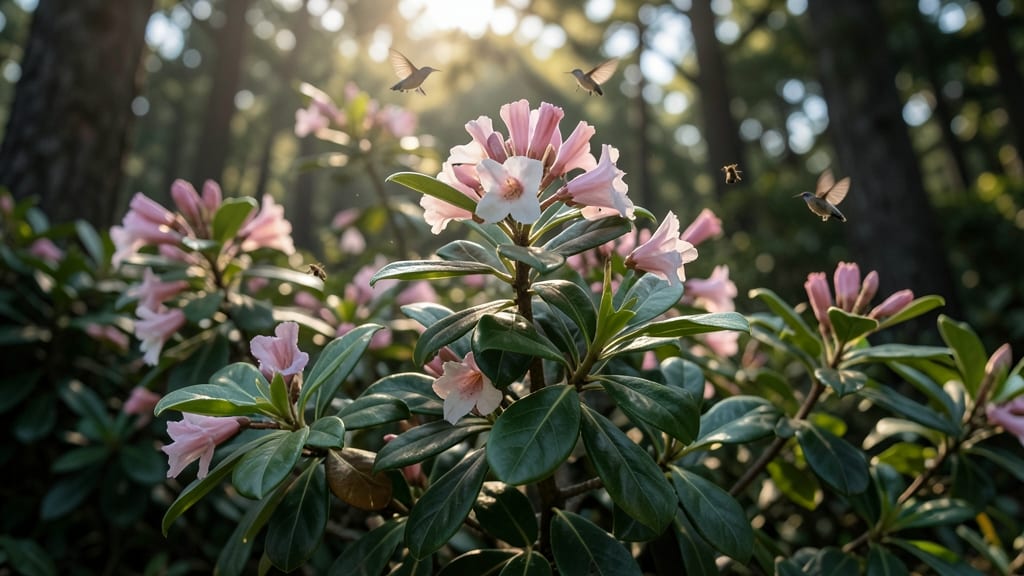
Tired of bare patches in your shady garden? These 10 shade-loving bushes thrive in low light while keeping your landscape lush and green—even when winter arrives. Perfect for under trees, north-facing walls, or dense foliage areas.
Dwarf English Boxwood for Structured Privacy
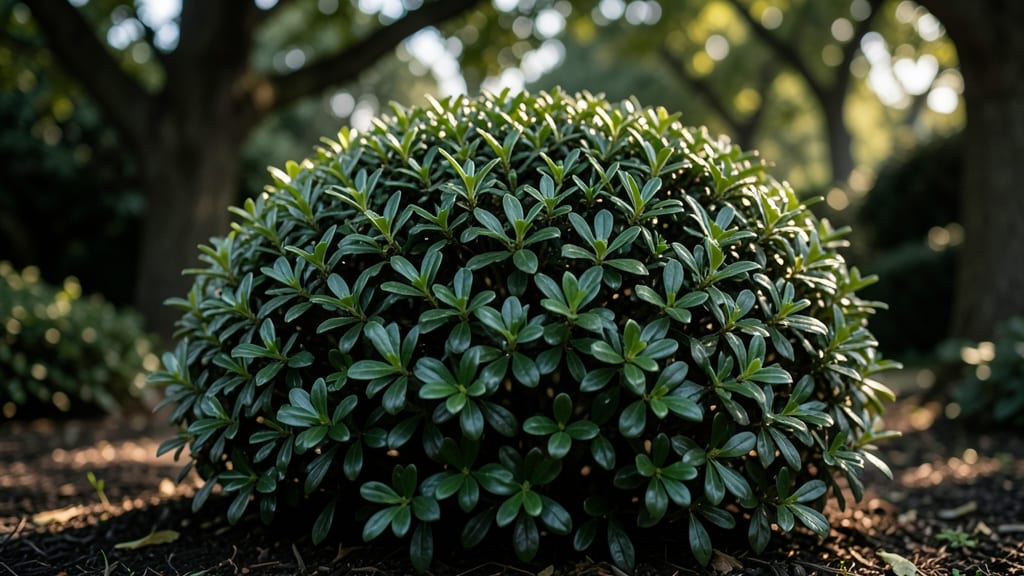
Looking for a low-maintenance evergreen that thrives in deep shade while adding structure to your garden? Dwarf English boxwood (Buxus sempervirens 'Suffruticosa') is your answer—its slow growth and glossy leaves create polished hedges or topiary shapes without demanding constant attention.
This disease-resistant shrub handles full to partial shade beautifully, making it ideal for north-facing borders or under tall trees. Prune lightly in late spring to maintain shape, and enjoy its year-round greenery that stays vibrant even in winter. With a mature height of just 2-3 feet, it’s perfect for formal gardens, foundation plantings, or even as a container specimen.
Gardeners who love clean lines and minimal fuss will appreciate how boxwood’s structured form requires less frequent pruning than other shade bushes. It’s also deer-resistant, making it a practical choice for rural or suburban landscapes. 💚
Inkberry Holly for Native Landscaping
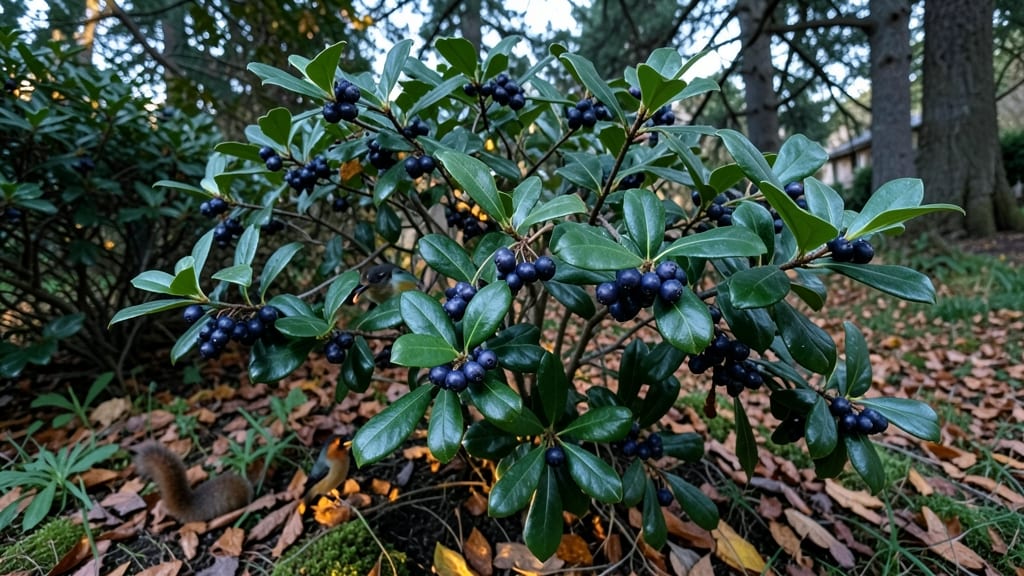
Looking for a native North American shrub that thrives in full shade while supporting local wildlife? Inkberry Holly (Ilex glabra) delivers glossy, evergreen foliage and clusters of dark purple-black berries that birds adore—all while requiring minimal care once established.
This versatile holly handles full shade to partial sun and tolerates moist or dry soils, making it ideal for rain gardens or drought-prone areas. Its leathery, year-round leaves stay vibrant even in winter, and mature plants become drought-tolerant after their first growing season. Prune lightly in late winter to maintain shape, but avoid heavy cuts that could stress the plant.
Perfect for eco-conscious gardeners or those seeking low-maintenance native plants, Inkberry Holly adds texture and wildlife value without demanding attention. 🌿
Japanese Pieris for Early Spring Color
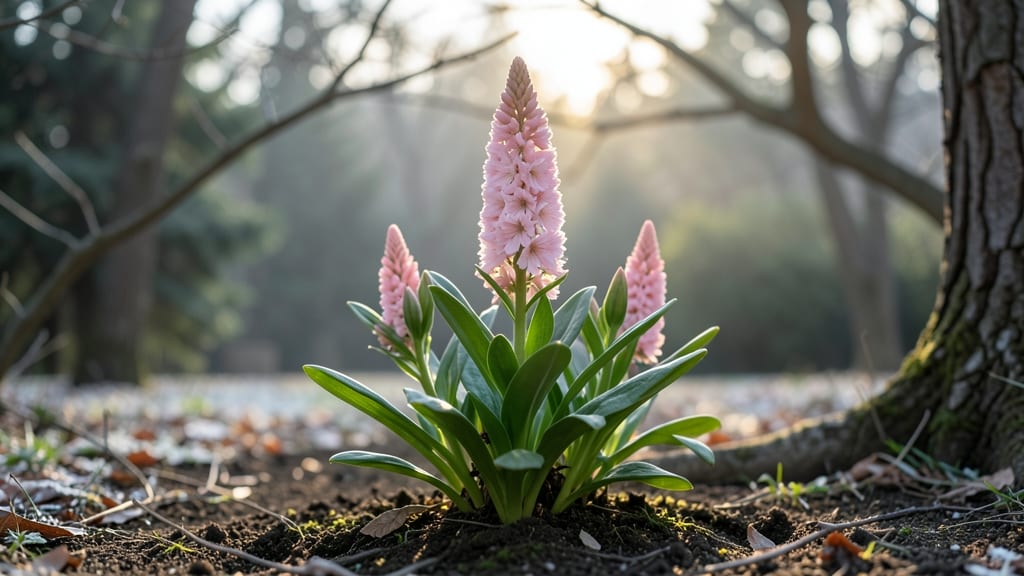
Want to beat winter blues with a burst of color before your garden even wakes up? Japanese Pieris (Pieris japonica) delivers pink flower spikes in late winter or early spring, often before its glossy foliage emerges—creating a magical woodland effect that’s hard to resist.
This acid-loving shrub thrives in partial shade to full shade and tolerates moist, well-draining soil, making it perfect for understory planting or woodland gardens. Its evergreen leaves stay vibrant year-round, and mature plants develop a graceful, multi-stemmed habit that adds texture to shady borders.
Ideal for gardeners who love early-season interest and low-maintenance shrubs, Japanese Pieris also attracts pollinators when in bloom. Just avoid heavy pruning—focus on removing spent flowers in late spring to maintain its natural shape. ✨
Oakleaf Hydrangea for Seasonal Transitions
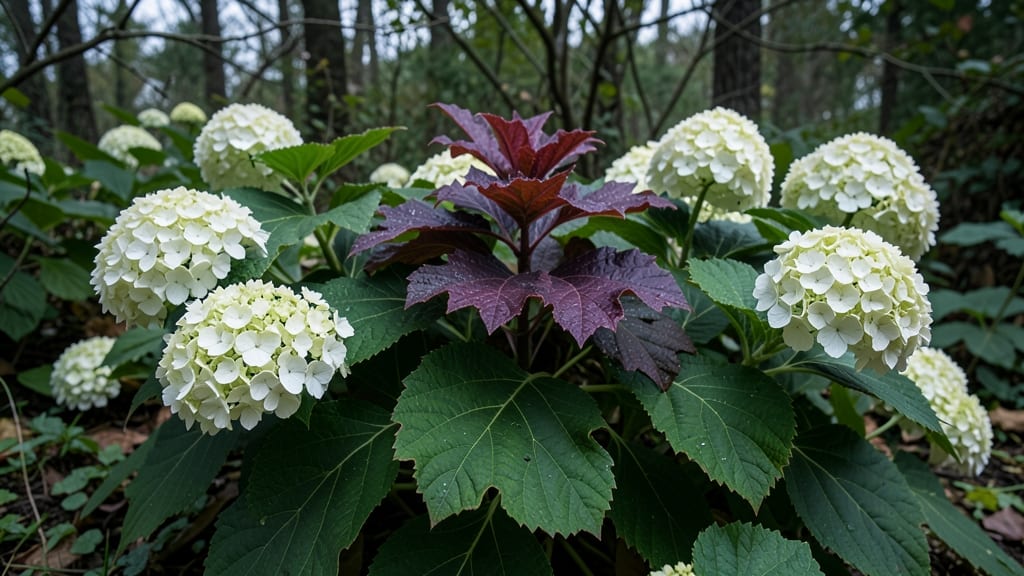
Want a shade-loving bush that delivers year-round drama without needing sunlight? Oakleaf hydrangea (Hydrangea quercifolia) is your secret weapon—its large, oak-shaped leaves turn from green to fiery purple in fall, while its showy white blooms attract pollinators all summer.
This deep-shade specialist thrives in 4+ hours of filtered light and tolerates moist, well-drained soil, making it ideal for understory plantings. Prune lightly in late winter to shape, but avoid cutting back old wood—it’s where next year’s blooms form. With a mature height of 6-8 feet, it adds textural contrast to gardens with ferns, hostas, or azaleas.
Perfect for gardeners who love seasonal color shifts with minimal effort, Oakleaf hydrangea brings winter interest too—its exfoliating bark adds texture even when leaves fall. 🌿
Dwarf Fothergilla for Fragrant Fall Foliage
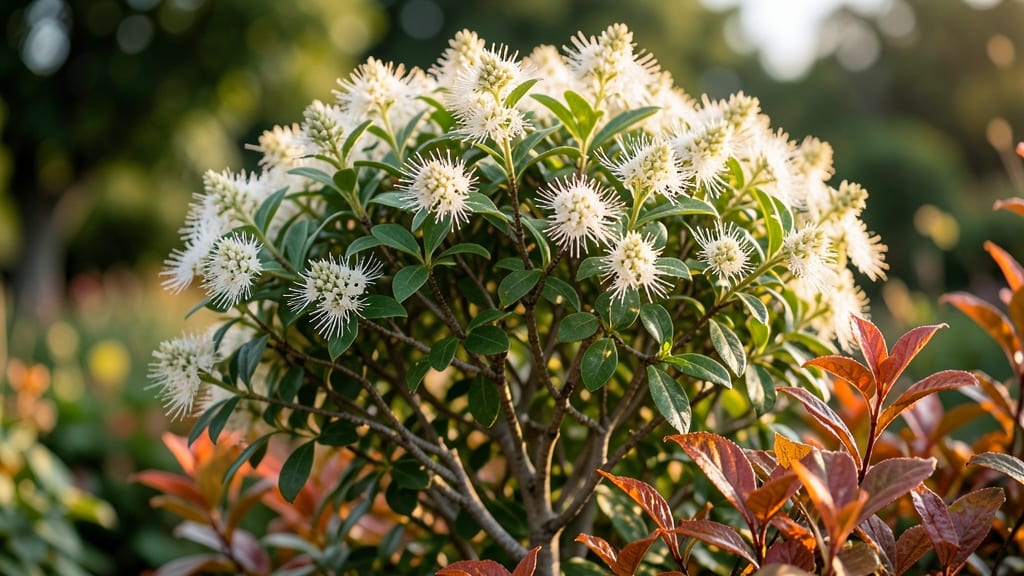
Looking for a compact shrub that delivers two seasons of showstopping color without taking up much space? Dwarf Fothergilla (Fothergilla gardenii) is your secret weapon—its bottlebrush-like white flowers bloom in spring, while its foliage erupts in fiery orange-red hues by fall, creating a dramatic seasonal transition.
This acid-loving shrub thrives in partial shade (3–6 hours of sun) and even tolerates full shade in cooler climates, making it ideal for understory planting or containers. Its fragrant spring blooms attract pollinators, and its glossy green leaves stay attractive until their stunning fall transformation. Prune lightly after flowering to maintain shape, and enjoy its low-maintenance nature—it’s drought-tolerant once established.
Perfect for small gardens, urban courtyards, or container plantings, Dwarf Fothergilla brings year-round interest with minimal effort. Gardeners with acidic soil or limited space will love how it packs big impact into tiny footprints. 🌻
Rhodoodendron for Year-Round Evergreen Beauty
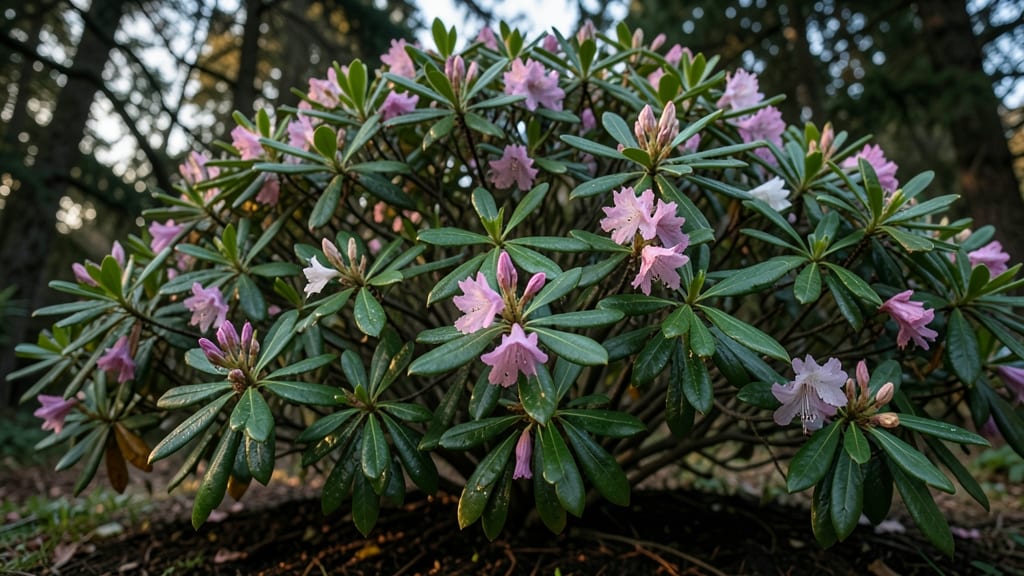
Want a timeless shade plant that delivers both stunning spring blooms and lush evergreen foliage year-round? Rhododendrons—especially the 'Catawbiense' variety—are the classic solution for shady gardens, offering glossy leaves and clusters of vibrant flowers that brighten up dim corners.
These acid-loving shrubs thrive in partial to full shade and prefer well-draining, moist but not soggy soil. Plant them in spring or early fall, ensuring the soil pH stays between 4.5 and 6.0 for optimal growth. Mulch around the base to retain moisture and protect roots, and avoid heavy pruning—focus on removing spent blooms after flowering to encourage next year’s display.
Perfect for gardeners who love low-maintenance evergreens with seasonal interest, rhododendrons also attract pollinators when in bloom. Their upright, rounded shape makes them ideal for foundation plantings or as focal points in woodland gardens. 🌱
Creeping Phlox for Ground Cover and Color
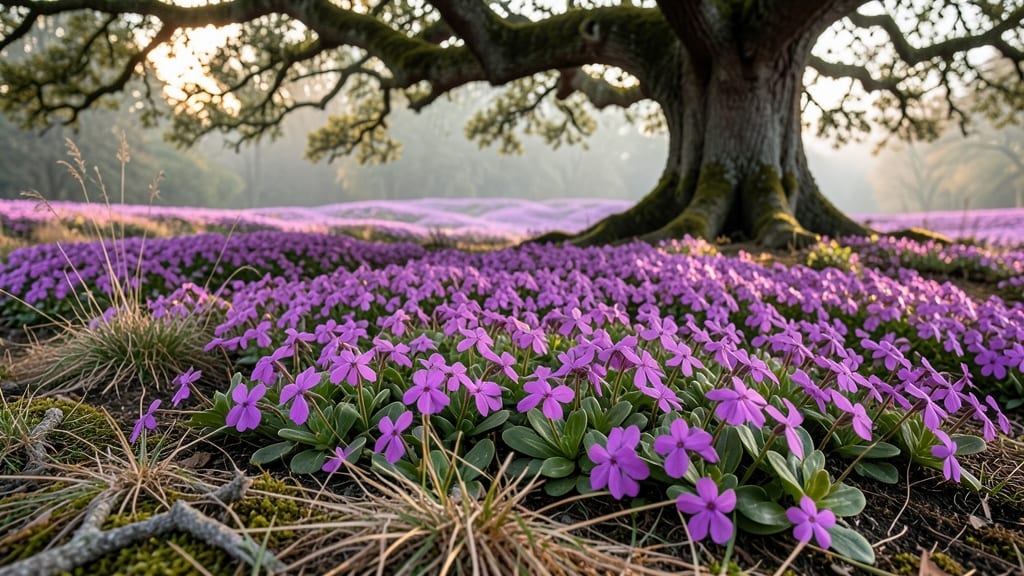
Tired of weedy, bare spots under trees or on slopes? Creeping phlox transforms those tricky areas into a vibrant purple carpet that blooms reliably every spring—without stealing sunlight from your shade-loving bushes.
This drought-tolerant perennial thrives in dry shade and spreads aggressively to smother weeds naturally. Plant it in well-draining soil and give it 3–6 hours of morning sun for best results. Shear back faded blooms after flowering to encourage a denser mat, and watch it fill gaps effortlessly over time.
Perfect for low-maintenance gardeners or those with challenging slopes, creeping phlox adds early-season color while requiring zero fuss. Pair it with hostas or ferns for a layered, lush effect that lasts all season. 🌷
Leucothoe for Graceful Arching Branches
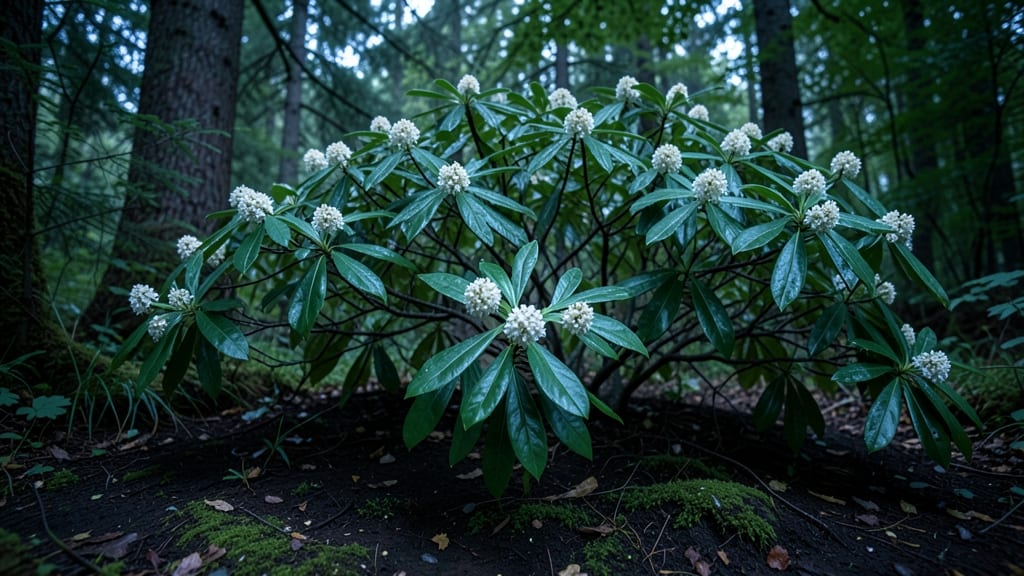
Struggling with soggy soil or a shady spot that feels too wet for most plants? Leucothoe is your solution—this elegant shrub thrives in boggy conditions and deep shade while delivering cascading white flowers in spring and glossy foliage year-round.
Its arching branches create a graceful, layered look, perfect for rain gardens or woodland edges. Plant in moist, acidic soil and provide full to partial shade for best results. Prune lightly after flowering to maintain shape, and watch as its leathery leaves add texture to shady borders.
Ideal for gardeners with wet soil challenges or those seeking a refined, low-maintenance shrub, Leucothoe brings effortless beauty to the trickiest spots. 🌿
Dwarf Korean Lilac for Fragrant Shade Gardens
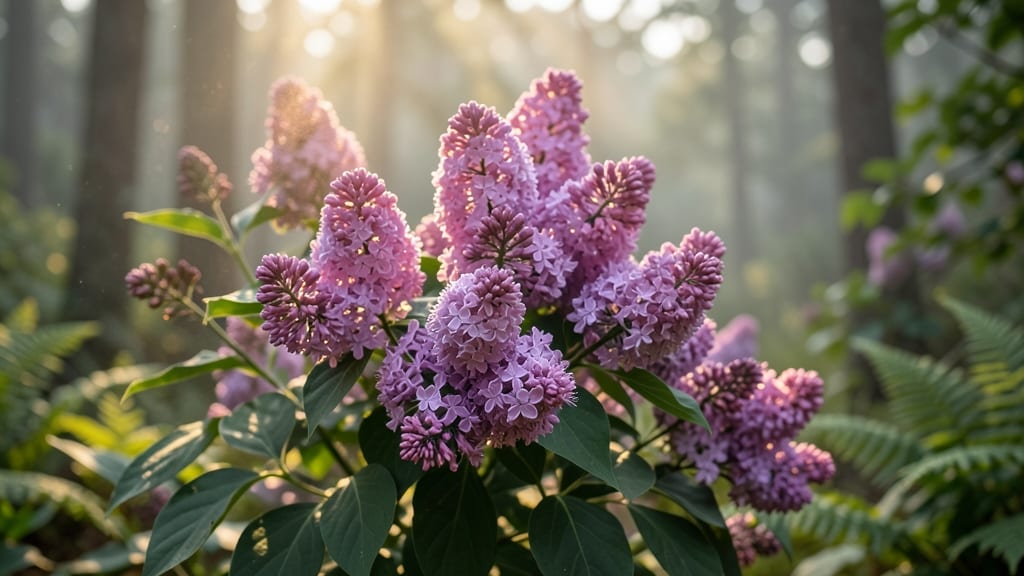
Craving a fragrant pop of color in your shady garden without the bulk? Dwarf Korean Lilac (Syringa meyeri) is the answer—this compact shrub packs intensely sweet purple blooms in late spring, filling the air with a scent that rivals its full-sized relatives but stays neatly contained.
Unlike many shade bushes, this pollution-tolerant shrub thrives in partial shade (3–6 hours of sun) and even handles urban conditions, making it perfect for city balconies or tight spaces. Its 3–5 foot height fits containers beautifully, and its low-maintenance nature means you’ll only need to prune lightly after flowering. The fragrance alone makes it worth growing, but its glossy foliage adds year-round interest.
Ideal for gardeners with small yards, containers, or urban gardens, Dwarf Korean Lilac delivers high-impact fragrance with minimal space requirements. Pair it with hostas or ferns for a lush, layered shade garden that smells as good as it looks. 💚
Mountain Laurel for Wildflower-Like Blooms

Want a shade-loving shrub that feels like a wildflower meadow in late spring? Mountain Laurel (Kalmia latifolia) delivers showy clusters of pink or white flowers that bloom for weeks, attracting hummingbirds and bees to your garden while staying evergreen year-round.
This acid-loving evergreen thrives in deep shade and acidic soil (pH 4.5-6.0), making it perfect for understory plantings or woodland gardens. Its leathery, glossy leaves provide structure even when not in bloom, and mature plants develop a rounded, multi-stemmed habit that adds texture to shady borders. Water regularly during the first year, then reduce to once a week in summer once established.
Ideal for gardeners with acidic soil or deep shade challenges, Mountain Laurel brings wildflower-like drama without the seasonal fade. Its late-spring blooms (May-June) create a stunning contrast against ferns or hostas, making it a standout in naturalistic gardens. 🌟