
Shrubs
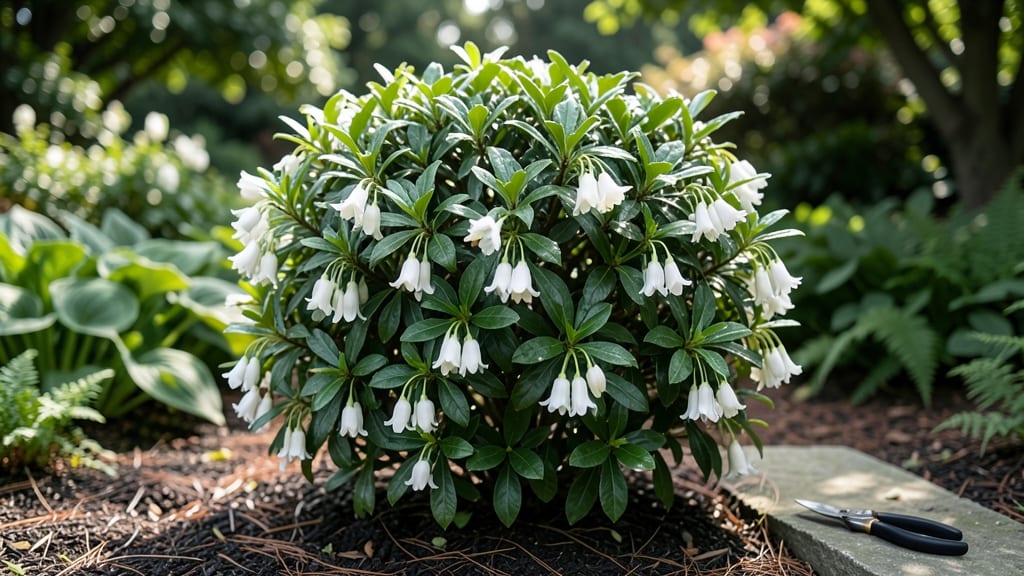
Finding shade bushes that thrive in Zone 8 without wilting in the heat is the secret to a lush, low-maintenance landscape. 🌿 I’ve tested dozens of varieties, and these shade-tolerant shrubs deliver year-round privacy, wildlife support, and stunning foliage—even in spots where sun-loving plants struggle.
The key is matching the right species to your specific shade conditions, from dappled light to deep shade.
Most of these bushes handle Zone 8’s humidity and occasional drought once established, but they need well-draining soil to prevent root rot. Native options like inkberry holly and eastern redbud are foolproof choices that attract birds and butterflies, while non-native dwarf gardenia brings fragrant blooms to shady corners.
For privacy, Japanese privet or leucothoe grows tall enough to block views without requiring constant pruning.
By late spring, you’ll see vibrant new growth, and with minimal pruning, these bushes stay healthy for decades. They handle Zone 8’s summer heat better than sun-loving shrubs because their leaves naturally protect roots from drying out. The trade-off? Slower growth in deep shade—so plan ahead for spacing and patience.
Whether you’re lining a fence, filling a shady border, or creating a wildlife-friendly hedge, these bushes deliver year-round structure with almost no effort. The best part? Once planted, they thrive with just occasional watering and an annual trim. Let’s pick the perfect ones for your space!
📚 In This Guide
- What you need
- Instructions
- Tips and common mistakes
- Wrapping up and next steps
What you need
- ● Shade-tolerant shrubs: Choose 3–5 mature plants (3–5 ft tall) like Hydrangea macrophylla, Pieris japonica, or Ilex glabra (based on your design needs).
- ● High-quality potting soil: 1–2 bags (2–3 cu. ft. each) of organic, well-draining soil amended with compost.
- ● Mulch: 2–3 bags (2–3 cu. ft. each) of shredded bark or pine straw to retain moisture and suppress weeds.
- ● Organic fertilizer: 1 bag of slow-release, balanced fertilizer (10-10-10 or similar) for nutrient boost.
- ● Watering can or hose with nozzle: For gentle, deep watering (aim for 1–1.5 gallons per plant initially).
- ● Garden trowel or shovel: For digging holes (6" wider and deeper than the root ball).
- ● Pruning shears: Sharp, sterilized shears to trim dead or overgrown branches.
- ● Gloves: A pair of durable gardening gloves to protect your hands.
- ● Measuring tape or ruler: To ensure proper spacing (3–6 ft apart, depending on shrub type).
- ● Wheelbarrow or bucket: For mixing soil amendments or transporting materials.
- ● Soil tester kit: To check pH (ideal range: 5.0–6.5 for most shade bushes).
- ● Epsom salt: 1–2 lbs for magnesium boost if soil tests deficient.
- ● Plant stakes or labels: To mark varieties and track growth.
- ● Drip irrigation system: For automated watering (especially useful in hot Zone 8 summers).
How to select and plant shade-tolerant bushes for Zone 8 privacy
Here’s the straightforward approach I use to create lush, evergreen privacy screens that thrive in low-light conditions.
🌿 Step 1: Choose the Right Shade-Tolerant Species
Zone 8’s partial to full shade offers excellent options like inkberry holly (Ilex glabra), dwarf fountain boxwood (Buxus sempervirens), or Japanese pieris (Pieris japonica), all of which tolerate 4-6 hours of filtered light daily. Avoid sun-loving shrubs like hydrangeas or abutilon—they’ll yellow and decline within months. I always prioritize evergreens for year-round coverage, though deciduous options like fothergilla offer seasonal interest.
Check your site’s light intensity—deep shade under trees may need variegated varieties (like ‘Golden Ti’ boxwood) to maintain vigor. Plant tags often specify shade tolerance, but I verify by observing mature shrubs in nearby landscapes. If your yard has dappled light, leucothoe or mountain laurel thrive beautifully.
🪴 Step 2: Prepare Planting Sites with Amended Soil
Dig holes twice as wide as the root ball but no deeper—this prevents root suffocation. In Zone 8’s clay-heavy or compacted soils, I mix the excavated soil with 20% compost and a handful of slow-release fertilizer (like 10-10-10) to boost establishment. For acid-loving plants (like pieris or azaleas), add sulfur to lower pH if your soil tests above 6.0.
Water the hole thoroughly before planting—this settles the soil and eliminates air pockets. I always pre-soak root balls for 10-15 minutes to reduce transplant shock. Place the shrub so the top of the root ball sits 1 inch above ground level—this prevents crown rot in heavy rains.
☀️ Step 3: Space and Plant for Long-Term Growth
Follow mature width spacing—inkberry holly needs 6-8 feet apart, while dwarf boxwood can be planted 3-4 feet apart for dense hedges. Overcrowding leads to stunted growth and pest vulnerabilities. I mark planting spots with stakes to ensure even spacing before digging. For wind protection, plant taller shrubs (like leucothoe) on the north or west sides of the row.
Backfill with the amended soil, tamping gently in 2-inch layers to eliminate air gaps. Water deeply immediately after planting to settle the soil and encourage root contact. Mulch with 3 inches of shredded bark (keep mulch 6 inches from stems) to retain moisture and suppress weeds. Avoid fresh wood chips—they rob nitrogen as they decompose.
💧 Step 4: Water and Fertilize for the First Critical Season
Keep soil evenly moist (not soggy) for the first 6-8 weeks—this is when roots establish. In Zone 8’s hot summers, I water deeply 2-3 times per week unless rain provides 1 inch of moisture. Use a soaker hose to deliver water at the base, avoiding wetting foliage (which promotes fungal diseases).
Apply balanced fertilizer (like 20-20-20) 4-6 weeks after planting, then switch to slow-release granules in early spring and fall. Over-fertilizing shade plants causes salt buildup and leaf burn. I monitor for yellowing leaves—a sign of overwatering or nutrient imbalance—and adjust accordingly.
✂️ Step 5: Prune Strategically for Shape and Health
Wait 12 months before pruning to let shrubs establish. For formal hedges, use hand pruners to trim 1/3 of new growth in early spring (before buds swell). For natural shapes, remove dead or crossing branches in late winter when the plant is dormant. I never prune inkberry holly after mid-summer—new growth won’t harden off before winter.
Shape boxwoods with sharp pruners at a 45-degree angle to encourage bushier growth. For pieris or fothergilla, prune after flowering to preserve next year’s blooms. Always sterilize tools with rubbing alcohol between cuts to prevent bacterial spread. A light pruning every 2-3 years keeps shrubs dense and healthy.
Tips & tricks for perfect shade-loving privacy screens
Creating a thriving shade garden doesn't have to be guesswork—these insights will help you avoid common pitfalls and create a lush, evergreen privacy screen that lasts for years.
Species Selection: When choosing between evergreens and deciduous options, consider your specific shade conditions. For deep shade (less than 4 hours of light), opt for variegated varieties like 'Golden Ti' boxwood—their lighter foliage helps them photosynthesize efficiently. I've learned this the hard way after watching regular boxwoods struggle and yellow in overly shaded spots. Observe mature shrubs in your area during different seasons to gauge their performance.
Soil Preparation: The 20% compost amendment in Step 2 is non-negotiable for Zone 8's clay-heavy soils. I recommend using well-aged compost rather than fresh manure, which can burn tender roots. For acid-loving plants like pieris, test your soil pH before planting—if it's above 6.0, mix in elemental sulfur at planting time. This adjustment prevents the yellowing leaves that signal nutrient imbalance during the critical 6-8 week establishment period.
Planting Technique: That 10-15 minute pre-soak for root balls is more important than it seems. I've seen shrubs fail within weeks because their roots dried out during transport. After planting, the immediate deep watering settles the soil and eliminates air pockets—don't skip this step! For larger shrubs, consider using a root stimulator gel applied to the root ball before planting to give them an extra boost during establishment.
Long-Term Care: The 3-inch mulch layer in Step 3 serves two purposes: moisture retention and weed suppression. I've found that cedar mulch works particularly well for acid-loving plants as it naturally lowers soil pH over time. When pruning, always use sterilized tools—I keep a small bottle of rubbing alcohol in my gardening toolbox to prevent bacterial spread between cuts. This simple habit has saved me from multiple outbreaks of fungal diseases in my privacy screens.
Pro Tips for Shade Bushes Zone 8
- Creating a thriving shade garden doesn't have to be guesswork—these insights will help you avoid common pitfalls and create a lush, evergreen privacy screen that lasts for years.
- Species Selection: When choosing between evergreens and deciduous options, consider your specific shade conditions.
- Soil Preparation: The 20% compost amendment in Step 2 is non-negotiable for Zone 8's clay-heavy soils.
Frequently asked questions
Got questions about picking the perfect shade bushes for Zone 8? You’re not alone! Here are some of the most common concerns—and straightforward answers to help you grow with confidence.
What are the best shade-tolerant bushes for full shade in Zone 8?
Top picks include Oakleaf Hydrangea (for vibrant blooms), Japanese Holly (evergreen privacy), and Dwarf Fothergilla (fragrant spring flowers). For dense screening, Boxwood or Pieris Japonica thrive in low light.
When is the best time to plant shade bushes in Zone 8?
Plant in early spring or early fall when soil is moist but not frozen. Avoid summer heat or winter cold, which can stress roots. Container-grown bushes can be planted year-round if soil conditions are ideal.
Will shade bushes grow in deep shade (e.g., under large trees)?
Some bushes, like Hosta or Astilbe, handle deep shade but grow slowly. For faster results, choose Oakleaf Hydrangea or Pieris, which tolerate moderate shade. Mulch helps retain moisture in dry root zones.
Can I prune shade bushes in Zone 8, and when?
Prune after flowering (late spring/summer) for most bushes like hydrangeas. Evergreens (e.g., Boxwood) can be lightly shaped in late winter. Avoid heavy pruning in fall—it may stress plants before winter.
Why are my shade bushes turning yellow or dropping leaves?
Yellow leaves often signal overwatering, poor drainage, or nutrient deficiency. Check soil moisture and amend with compost. Dropping leaves may mean root stress—ensure bushes aren’t planted too deep or crowded.
Wrapping up and next steps
Transforming your Zone 8 space into a lush, private oasis is easier than you think! With the right shade bushes, you’ll enjoy year-round beauty and natural privacy—no sun struggles in sight.
From evergreen favorites like Holly and Boxwood to vibrant Hydrangeas and Azaleas, these plants thrive in partial shade while adding texture, color, and charm.
Ready to get started? Sketch a rough layout of your space, pick 2-3 bushes that match your style, and grab your gardening tools—your serene retreat is just a few plants away! 🌿✨