
How To
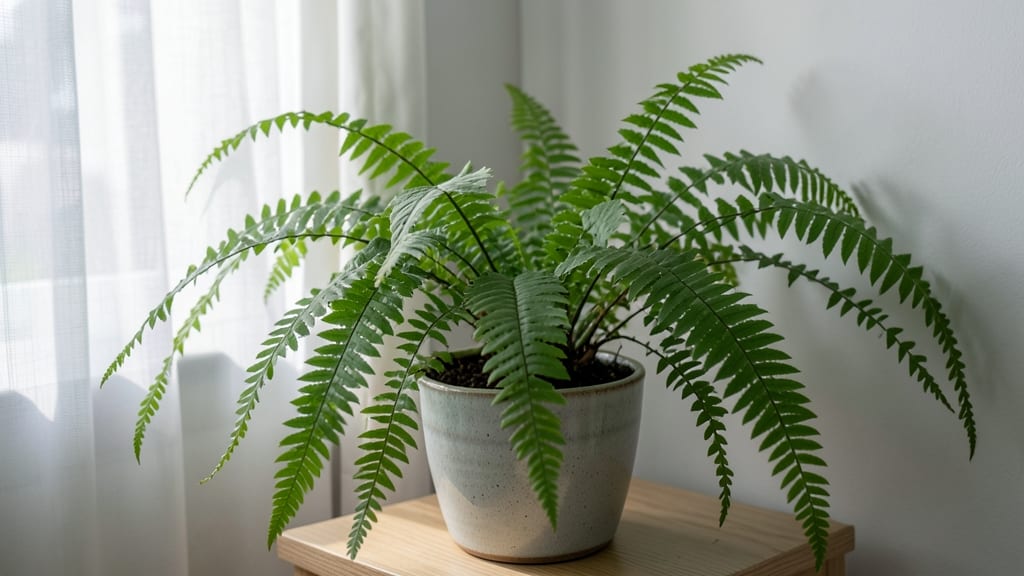
Wondering do Boston ferns like sun or shade, you’ll love knowing they flourish in shade, thriving where others falter in dim corners. 🌿
Struggling to keep your Boston ferns thriving? The battle between sun and shade is the #1 reason these elegant plants wilt or struggle—yet most gardeners get it wrong. These ferns crave indirect light, like the dappled shade of a forest floor, not the harsh rays that crisp their fronds.
Too much sun causes brown, crispy tips, while too little light leads to sparse, leggy growth. The key is finding that sweet spot—bright but filtered light—whether indoors near a north-facing window or outdoors under a tree canopy.
In this guide, I’ll show you exactly how to spot the signs of improper light, where to place your Boston ferns for lush growth, and how to fix common light-related problems—so you can enjoy vibrant, healthy foliage year-round.
 Best Window Placement
Boston ferns and sunlight: the ideal light spectrum for healthy growth
If you're wondering do Boston ferns like sun or shade, the answer is clear: these lush, feathery plants thrive in bright, indirect light with a touch of shade.
Native to the forest floors of the eastern U.S., Boston ferns evolved to bask in dappled sunlight—the kind filtered through tree canopies. Too much direct sun will scorch their delicate fronds, while too little light causes them to stretch and lose their vibrant green color.
Let's break down the perfect light balance to keep your ferns looking their best year-round.
Boston ferns are often called shade-loving plants, but that doesn't mean they can survive in dark corners. They need at least 2-4 hours of filtered light daily to maintain their signature lushness.
Think of their ideal environment as a sunny forest floor—bright enough to encourage growth but protected from harsh midday rays. Without this balance, you'll notice brown frond tips or weak, sparse foliage, both clear signs your fern isn't getting the right light conditions.
🌿 Key Insight: Boston ferns hate direct afternoon sun (12 PM–4 PM), which is when UV rays are strongest. This is why they struggle in south-facing windows or open garden spaces without natural shade. The goal is to mimic their native understory habitat, where sunlight is gentle and diffused.
🌱 Boston Fern Light Requirements Summary
| Condition | Ideal Specification | Signs of Stress |
|---|---|---|
| Sunlight Type | Bright, indirect (dappled) | Brown crispy fronds (too much sun) |
| Daily Light Hours | 2–4 hours (filtered) | Leggy, sparse growth (too little light) |
| Best Window Placement | North or east-facing | Yellowing fronds (low light) |
| Outdoor Shade Level | Partial shade (30–50%) | Burnt patches (direct sun) |
| Seasonal Adjustments | Move indoors in winter; use sheer curtains | Dormant appearance (extreme light changes) |
For indoor Boston ferns, the best window placement is a north-facing window or an east-facing spot where morning sun is gentle. Avoid south- or west-facing windows unless you use sheer white curtains to diffuse the light.
If your home lacks natural light, position your fern 3–5 feet from a window to ensure it gets enough indirect light without direct exposure. Pro tip: Rotate your plant quarter-turns weekly to encourage even growth and prevent it from leaning toward the light source.
Outdoor gardeners should plant Boston ferns in partial shade spots, such as under deciduous trees or along north-facing walls. These locations provide the dappled light ferns crave while shielding them from intense afternoon heat.
In hot climates (Zones 8–10), provide afternoon shade to prevent frond scorch. Conversely, in cooler climates (Zones 3–6), you can give them more morning sun to boost growth during shorter days.
Seasonal adjustments are key to maintaining your Boston fern's health. In summer, watch for signs of heat stress like brown frond tips—this is your cue to move the plant to a shadier spot or increase humidity with a pebble tray.
During winter, if your fern is indoors near a drafty window, consider moving it to a warmer room with consistent light, as cold drafts can stress the plant even more than poor lighting.
One common mistake is assuming all shade is equal. Deep shade (like a north-facing basement or a densely wooded area with no light penetration) will cause your Boston fern to stretch and weaken.
Look for signs like pale, sparse fronds or long, thin stems—these indicate your fern needs more light, not less. The solution? Gradually introduce bright indirect light over 1–2 weeks to avoid shocking the plant.
To test if your current light conditions are ideal, observe your fern's frond color and texture. Healthy Boston ferns have vibrant green, lush fronds with a velvety texture. If you notice yellowing fronds, it’s likely under-light; if fronds are crispy and brown, it’s over-light.
Adjust placement accordingly, and you’ll see improvement within 2–4 weeks of optimal light exposure.
For gardeners with limited natural light, supplement with a grow light placed 12–18 inches above the plant for 6–8 hours daily. Use a cool white LED bulb (5000–6500K) to mimic natural daylight. Avoid incandescent bulbs, which emit too much heat and can damage delicate fronds.
With the right light balance, your Boston fern will reward you with year-round lushness and that coveted tropical vibe in any space. 🌿
How to fix over-sunlight or under-light damage in Boston ferns
If your Boston ferns are sporting crispy, brown fronds or stretching out like they're reaching for the light, your light balance is off. Too much direct sunlight causes fronds to scorch, while too little leaves them leggy and sparse.
The good news? With the right adjustments, you can revive your fern and restore its lush, vibrant appearance in just a few weeks.
First, identify the issue by examining your fern's fronds. Sunburned fronds appear crispy and brown at the tips, while underlit ferns stretch upward with sparse, pale fronds. Both problems require different fixes, but the key is acting quickly to prevent permanent damage. Let's tackle each scenario step by step.
Too Much Sun vs. Too Little Light for Boston Ferns
Too Much Sun
- Signs: Crispy brown tips
- Fix: Move to indirect light
- Recovery: 2-4 weeks
Too Little Light
- Signs: Leggy, sparse fronds
- Fix: Increase bright indirect light
- Recovery: 3-6 weeks
For sun-damaged Boston ferns, your first step is to move them immediately to a location with bright indirect light. Avoid south-facing windows or direct afternoon sun, which can intensify the damage. If you're outdoors, relocate your fern to a spot under a dappled shade tree or a shaded patio.
Pair this with increased humidity—mist your fern daily or place it on a pebble tray filled with water to mimic its natural tropical habitat.
If your fern is suffering from under-light conditions, gradually introduce more light over 5-7 days to avoid shocking the plant. Place it near a north-facing window or under a grow light for 12-14 hours daily.
Supplement with a reflective surface, like a mirror or white wall, to bounce extra light onto the fronds. Rotate your fern quarter-turns weekly to ensure even growth and prevent it from leaning toward the light source.
Pruning plays a critical role in recovery. For sunburned fronds, use clean, sharp scissors to trim away the brown, crispy tips down to the green tissue. For leggy ferns, cut back the top one-third of the fronds to encourage new, bushier growth from the base.
Always sterilize your tools with rubbing alcohol to prevent bacterial infections. After pruning, fertilize lightly with a balanced liquid fertilizer (10-10-10) to support regrowth.
Monitor your fern’s progress closely. A sunburned Boston fern should show signs of recovery—new green fronds emerging from the center—in 2-4 weeks. If the damage is severe, expect slower recovery, but with consistent care, your fern will bounce back.
For underlit ferns, new growth should appear in 3-6 weeks, with fronds becoming denser and darker green as they acclimate to the increased light.
Remember, Boston ferns thrive in consistency. Avoid frequent moves or drastic light changes, as this can stress the plant further. With patience and the right adjustments, your fern will regain its lush, vibrant appearance and become the stunning centerpiece it’s meant to be. 🌿