
Orchid Care
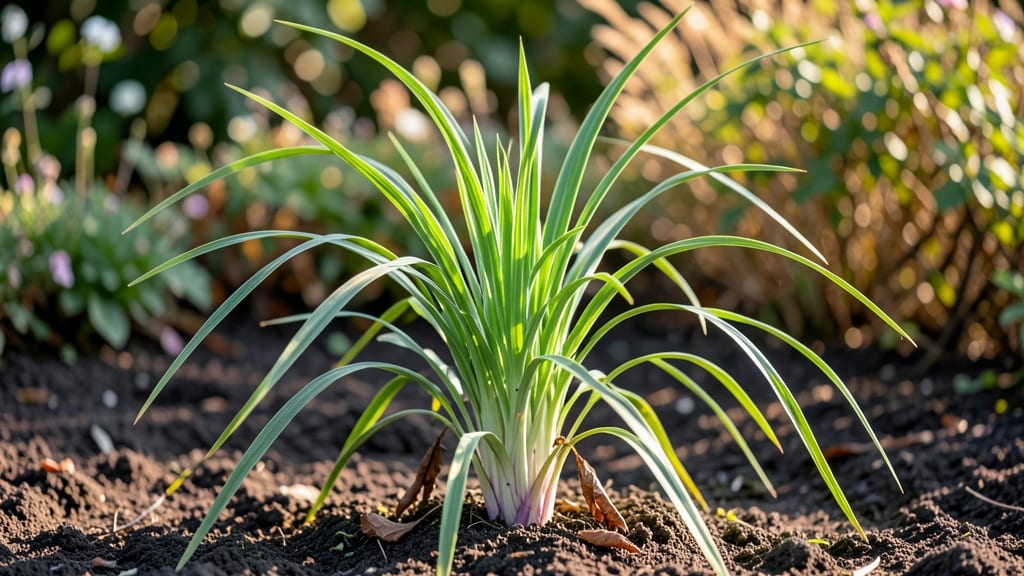
Growing strong, oil-rich lemongrass in sun or shade depends on one critical factor: light balance.
Struggling to grow high-yield lemongrass? The battle between sun and shade could be the missing link—getting the light balance right directly impacts your plant’s essential oil production. Too much shade means weak stalks, while scorching sun can burn the leaves, leaving you with bitter, low-quality harvests.
In USDA Zone 6a, where I grow mine, the ideal spot is bright but filtered light—think dappled sun through trees or a south-facing window with sheer curtains. Without this balance, your 🌿 lemongrass might stretch too tall or turn pale, both signs it’s not getting what it needs.
Below, I’ll show you how to read your plant’s light needs, adjust for your climate, and keep those stalks sturdy and packed with flavor—no guesswork required.
 Best Window Placement
Optimal sunlight requirements for lemongrass growth and oil production
If you're growing lemongrass for its signature citrusy aroma and essential oil, sunlight isn't just important—it's the game-changer. This tropical herb thrives in full sun, but even partial shade can work if you understand the trade-offs.
The right light exposure directly impacts your plant's growth rate, stem thickness, and—most importantly—its oil content. Without enough light, you might end up with leggy, low-yield plants that produce weak essential oils.
Lemongrass is a sun-worshipper that needs at least 6-8 hours of direct sunlight daily to reach its full potential.
In warmer climates like USDA zones 9-11, it can handle full sun exposure all day, while cooler regions (zones 6-8) may need to balance sun with afternoon shade to prevent heat stress.
The key is finding that sweet spot where your lemongrass gets enough light to grow vigorously but isn’t scorched or stunted.
Here’s the catch: oil production in lemongrass is directly tied to sunlight. Plants grown in full sun can produce up to 30% more essential oil per stalk compared to those in shade.
That means if you're cultivating lemongrass for commercial oil extraction, every extra hour of sunlight translates to higher yields and better-quality oil. But don’t assume more sun is always better—intense afternoon heat can actually reduce oil quality in some varieties.
The growth stages of lemongrass are heavily influenced by sunlight. Young plants (first 3 months) need gentle morning sun to avoid scorching, while mature plants (6+ months) can handle full sun exposure.
During the active growing season (spring to fall), lemongrass in full sun will develop thicker stalks and more aromatic leaves, which are critical for high-quality oil extraction. If you’re growing in containers, rotate them weekly to ensure even light exposure on all sides.
Regional adaptations matter too. In tropical climates, lemongrass can thrive in full sun year-round, but in temperate zones, afternoon shade becomes essential during summer to prevent leaf burn. A simple trick?
Plant lemongrass near tall plants like corn or sunflowers to provide natural shade in the hottest part of the day. This setup mimics the dappled sunlight lemongrass would experience in its native Asian rainforests.
One common mistake is assuming that more sun always means better oil. While sunlight boosts oil production, excessive heat (above 90°F) can actually reduce oil quality by increasing volatile compound degradation.
That’s why I recommend monitoring your plants during peak summer months. If leaves start curling or turning yellow, it’s a sign your lemongrass is heat-stressed, not just sun-hungry.
For indoor growers, a south-facing window is ideal, but you’ll need to supplement with grow lights (12-14 hours/day) to mimic full sun. LED grow lights with a full-spectrum output work best for maximizing citral and geraniol—the two key compounds in lemongrass oil.
If you’re using artificial light, place your plants 6-12 inches away from the bulb to avoid light burn while still promoting robust growth.
Pro tip: If you’re growing lemongrass for culinary use (like in Thai soups or Vietnamese tea), partial shade can actually enhance flavor by slowing growth and concentrating essential oils. But if your goal is commercial oil production, full sun is non-negotiable.
The trade-off? More sun means faster growth but slightly milder flavor—so choose your priority before planting.
Remember, lemongrass is a perennial in warm climates but often treated as an annual in cooler zones. In regions with frost
How to adapt lemongrass to shade conditions without sacrificing oil quality
If your garden only offers partial shade or low-light spots, don’t assume your lemongrass is doomed. While this tropical herb prefers 6+ hours of sunlight for peak oil production, strategic adaptations can help it thrive even in shadier conditions.
The key lies in optimizing light exposure, soil health, and companion pairings to maintain essential oil potency.
First, understand that lemongrass grown in shade will produce less oil—but with the right techniques, you can still harvest usable yields. Start by choosing the right container size (12+ inches deep) and placing it where it captures reflected sunlight from nearby walls or fences.
Even a few extra hours of bright indirect light can make a difference in stalk thickness and oil content.
For container gardening in shade, opt for well-draining potting mix with added perlite or coconut coir to prevent root rot—a common issue in low-light setups. Water consistently but lightly (every 2-3 days) since shaded plants dry out slower.
A mulch layer (like straw) will also help retain moisture while keeping roots cool.
Companion planting can boost shade-grown lemongrass by improving light penetration. Try pairing it with low-growing herbs like mint or thyme, which won’t compete for light but deter pests.
Avoid tall companions like sunflowers or corn, which will cast additional shade. If space allows, rotate containers every 2 weeks to ensure even light exposure on all sides.
Monitor your plant’s growth rate and leaf color—healthy lemongrass in shade should have deep green, upright stalks. If leaves turn yellow or pale, it’s a sign of light deprivation.
At this stage, consider supplementing with a grow light (LED or fluorescent) for 4-6 hours daily to stimulate oil production. Even a 10-watt LED bulb placed 12 inches above the plant can help.
Finally, harvest strategically to maximize oil yield. In shade, focus on younger stalks (10-12 inches tall), as they’ll have higher oil concentrations than older, leggy growth. Use a sharp knife to cut just above a leaf node, then dry the stalks in a well-ventilated area before processing.
With these adjustments, your shade-grown lemongrass can still deliver 30-50% of its full-sun oil potential.