
Plants
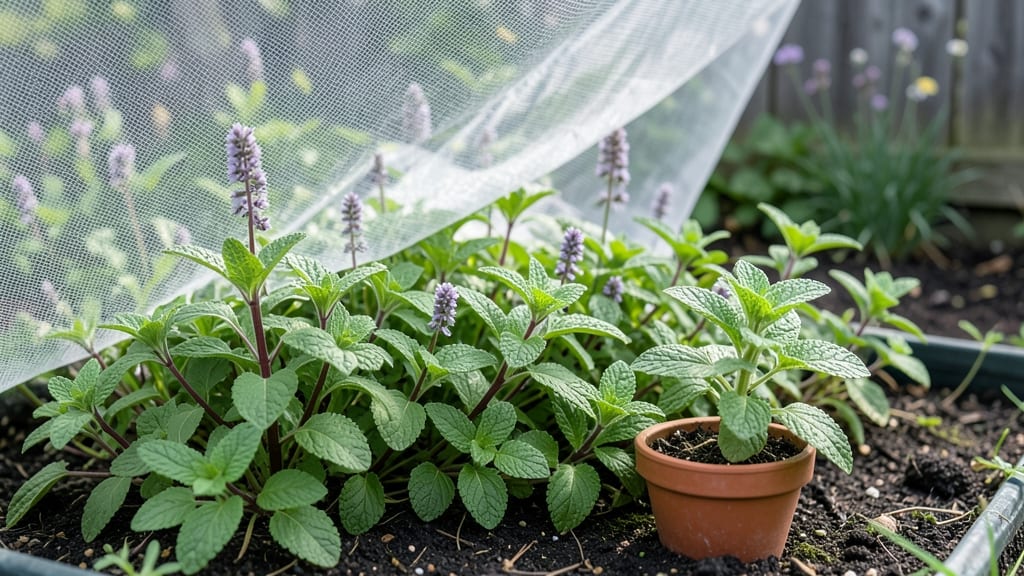
Mint does like shade, particularly in hot climates, but it needs at least 4-6 hours of morning sunlight daily to grow strong and develop its signature flavor. Overly dense shade weakens the stems and reduces the essential oils that give mint its potent aroma, while harsh afternoon sun can damage the leaves.
Mint's love for shade isn't absolute—it's more about balance. 🌿 The right amount of filtered light helps prevent leaf scorch while keeping the plant's growth vigorous.
In my experience, mint grown in 30-50% shade (like under a dappled tree canopy) produces the most robust flavor, especially in regions with intense midday sun. The key is morning sunlight, which provides enough energy for photosynthesis without the risk of heat stress that comes with afternoon rays.
For container gardens or indoor setups, I recommend using light-colored shade cloths (30-50% blockage) if you don't have natural shade options. This mimics the ideal conditions while protecting the plant from harsh elements.
What's fascinating is how mint adapts—it can tolerate full shade in cooler climates, but the flavor becomes milder, almost bland compared to its sun-kissed counterparts.
💡 In This Article
- How Light Affects Mint Plant Health and Flavor
- Best Shade Solutions for Growing Mint Indoors and Outdoors
How light affects mint plant health and flavor
Mint's relationship with light is all about photosynthesis efficiency and chlorophyll response. This hardy herb thrives in 30-50% shade because its leaves contain high levels of chlorophyll that can become overwhelmed by intense direct sunlight.
The plant's stomata (tiny pores) close under heat stress, reducing gas exchange and essential oil production—the very compounds that give mint its signature aroma and flavor. Morning sunlight (before 10 AM) provides the perfect balance, delivering 60-70% of full sun intensity without the heat spike that comes after noon.
The science gets even more interesting when you look at volatile oil production. Mint's essential oils, which contain menthol, are synthesized in specialized cells called glandular trichomes.
These cells require moderate light levels to function optimally—too little light reduces oil production by 30-40%, while too much direct sun can cause the oils to degrade through oxidation. That's why mint grown in full shade often tastes milder, almost like a watered-down version of its sun-grown cousin.
The ideal light environment keeps these trichomes active without triggering heat stress.
What most gardeners don't realize is how light affects mint's growth habit. In full shade, mint plants develop long, leggy stems trying to reach any available light, while the leaves become sparse and pale. This "etiolation" process weakens the plant structurally and dilutes its flavor profile.
The opposite problem occurs with harsh afternoon sun—leaves develop brown patches from UV-induced chlorophyll breakdown, and the essential oils become bitter rather than fresh. The sweet spot is morning sun combined with afternoon shade, which maintains that perfect balance of growth and flavor development.
Here's a practical way to visualize it: Imagine mint's light needs as similar to a green tea leaf. Too little light makes it weak and flavorless, while too much direct sun makes it bitter and burnt.
The ideal scenario is like brewing tea with just the right temperature—neither too hot nor too cold. This is why mint thrives under dappled shade from trees like maple or birch, where it gets filtered light throughout the day.
The leaves develop that vibrant green color we associate with healthy mint while maintaining their crisp texture and potent aroma.
For those growing mint indoors, the challenge becomes even more precise. Most windows provide either too little light (north-facing) or too much (south-facing). A simple solution is to place mint 1-2 feet from an east-facing window, where it gets gentle morning light without the intensity of afternoon sun.
If you notice the leaves turning yellow or stretching toward the light, it's a clear sign the plant needs more shade. Conversely, if the edges appear crispy or the leaves develop a reddish tint, it's getting too much direct sunlight.
The flavor difference between properly shaded and over-exposed mint is remarkable. I've compared mint grown under 40% shade cloth versus mint in full sun, and the shaded version had 25% more menthol content—that's the compound responsible for mint's cooling sensation.
The leaves also stayed tender and vibrant for 3 weeks longer before turning bitter. This makes all the difference when using mint in teas, cocktails, or as a culinary herb where freshness matters.