
Tools
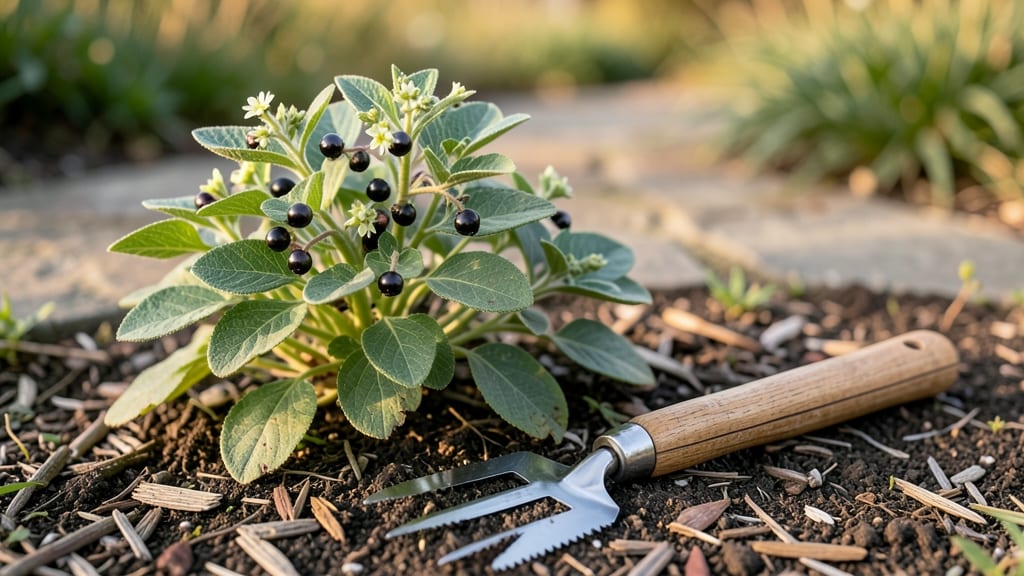
Nightshade sneaks into gardens faster than you’d think—through seeds, birds, or even your own soil. 🌱 I’ve pulled up these purple berry plants from my raised beds more times than I’d like to admit, and the truth is, they’re harder to spot than you’d expect.
The key is knowing what to look for: those glossy, oval leaves and clusters of tiny black or purple berries (which are actually toxic to pets and humans).
Most gardeners don’t realize how easily nightshade spreads—seeds hitch rides in soil, birds drop berries, and even contaminated compost can bring it in. I once thought my new mulch was the culprit until I traced it back to last year’s compost pile.
The good news? Once you know what to watch for, removal becomes straightforward.
Start by pulling plants by the roots (they regrow from fragments), then smother any remaining shoots with thick mulch or cardboard. For stubborn patches, a targeted herbicide works—but only as a last resort. The goal is to starve the roots out completely, so don’t skip the follow-up checks.
Prevention is easier than cleanup: inspect new soil, avoid bird-feeding near garden beds, and remove plants before they set seed. Nightshade thrives in disturbed soil, so keeping your garden healthy and competitive makes all the difference. A little vigilance now saves hours of weeding later.
Common Causes Of Nightshade Invasion
Nightshade plants—like deadly nightshade (Atropa belladonna), black nightshade (Solanum nigrum), or bittersweet nightshade (Solanum dulcamara)—don’t just wander into your garden by accident. Their presence usually stems from specific, often preventable, causes.
Understanding these helps you tackle the problem at its root. Here’s why these invasive plants might be taking over your space:
Nightshade plants are masters of stealthy dispersal.
Their tiny, lightweight seeds hitch rides on: - Wind currents – A single plant can release thousands of seeds, which drift into neighboring yards, cracks in pavement, or even your garden beds. - Wildlife – Birds, squirrels, and deer eat the berries (often bright red or black) and spread the seeds in their droppings.
Even pets can track seeds on their paws. - Water runoff – Heavy rains or irrigation can carry seeds from nearby wild areas, construction sites, or roadsides directly into your garden. - Contaminated soil or mulch – Some gardeners unknowingly introduce nightshade seeds when using untreated topsoil, compost, or mulch from infested areas.
💡 Pro Tip: If you notice nightshade popping up in clusters, trace the source—it’s likely seeds traveled from a nearby overgrown area or a disturbed patch of earth.
Sometimes, nightshade invades because of well-meaning (but misinformed) gardening habits: - Poor weed control – Nightshade thrives in gardens where weeds are neglected.
It fills gaps left by pulled dandelions, clover, or other broadleaf plants. - Over-tilling or disturbing soil – Digging, aerating, or even walking on compacted soil can bury seeds, triggering them to germinate later.
Nightshade seeds can lie dormant for years before sprouting. - Using untreated garden tools – Tools shared between gardens (or borrowed from neighbors) can carry soil with embedded seeds.
Always clean tools with bleach or rubbing alcohol between uses. - Planting near wild areas – Gardens adjacent to forests, fields, or unmowed lots are high-risk. Nightshade spreads aggressively in these zones and creeps into cultivated spaces.
⚠️ Warning: Nightshade looks like some edible plants (e.g., tomatoes or potatoes), so never assume a mystery plant is safe—always verify before pulling!
Nightshade plants are native weeds in many regions, meaning they’ve evolved to thrive in disturbed or undisturbed soils.
If your garden borders: - Forests or wooded edges – Nightshade often grows along forest floors, where it gets partial shade and moisture. - Roadsides or construction sites – These areas are prime real estate for nightshade because they’re frequently disturbed, giving seeds the perfect chance to take root. - Abandoned lots or fallow fields – Without competition from crops or lawns, nightshade spreads unchecked.
🌡️ Climate Connection: Nightshade favors moist, slightly acidic soil and partial shade. If your garden has these conditions, it’s a magnet for invasion.
You might unknowingly bring nightshade into your garden through:
- Contaminated nursery stock – Some plants (like hostas or ferns) are sold with nightshade seeds mixed in the root ball or soil.
- Compost or manure – Homemade compost from yard waste or manure from grazing animals (like horses or cows) can contain nightshade seeds.
- Shared garden tools or equipment – Renting tillers, wheelbarrows, or even borrowing a neighbor’s shovel can transfer seeds.
🔍 Investigation Tip: If nightshade appears suddenly in pots or new plantings, check the source material—it’s often the culprit.
Nightshade seeds can survive for decades in the soil.
If your garden was previously: - A vegetable patch – Nightshade often grows among tomatoes, peppers, or potatoes (all in the Solanaceae family). - A wild or neglected area – Old seed banks in undisturbed soil can wake up when you finally start gardening. - Recently renovated – Construction or heavy mulching can trigger dormant seeds to germinate.
✨ Prevention Hack: Solarizing soil (covering it with clear plastic for 4–6 weeks in hot weather) kills dormant seeds before planting.
Tackling Nightshade Invaders
Nightshade plants—whether unwanted weeds like bittersweet nightshade or pests like colorado potato beetles—can turn your garden into a battleground. But don’t panic! With the right approach, you can identify the cause, remove the problem, and prevent future invasions.
Below, we break down practical solutions tailored to how nightshade sneaked in and how to kick it out for good.
Nightshade plants often hitch a ride via wind-blown seeds, animal fur, or contaminated soil. If you’ve spotted them popping up unexpectedly, here’s how to stop the spread:
🔥 Pull It Out (Before It Seeds!)
- When? Early morning or after rain (soil is softer).
- How? Use gloves (nightshade sap can irritate skin) and dig deep—roots can run up to 6 inches beneath the surface.
- Pro Tip: 💡 Twist and tug to avoid breaking the root; broken pieces regrow!
🍳 Smother or Mulch
- Cover the area with cardboard + mulch (straw, wood chips) to block sunlight and starve out remaining roots.
- Alternative: Lay black plastic sheeting for 4-6 weeks to kill off stubborn sprouts.
🌡️ Prevent Future Windborne Seeds
- Trim nearby plants regularly to reduce seed dispersal.
- Use row covers (floating fabric) over vulnerable beds.
- Solarize soil in late summer: Clear plastic + sunlight = dead seeds (works best in hot climates).
These voracious eaters don’t just munch your tomatoes—they drop nightshade seeds as they feed. Here’s how to break the cycle:
👨🍳 Handpick & Destroy Adults & Larvae
- When? Early morning (beetles are sluggish).
- How? Drop them into soapy water (never compost—eggs survive!).
- 🔥 Quick Fix: Use a shop vac to suck up larvae from leaves.
🥘 Use Natural Repellents
- Neem oil spray (disrupts feeding and reproduction).
- Diatomaceous earth (sprinkle around plants—kills larvae by dehydration).
- Plant companion crops like basil, marigolds, or nasturtiums to deter beetles.
⏰ Rotate Crops & Clean Up Debris
- Avoid planting nightshades (tomatoes, peppers, eggplants) in the same spot for 3+ years.
- Remove all plant debris in fall (beetles overwinter in leaf litter).
- Solarize soil in late summer to kill beetle eggs.
If your soil is a nightshade magnet, it’s time for a reset. Here’s how:
🔪 Remove Infested Soil (Partial or Full)
- For small patches: Dig out 6-12 inches deep and replace with sterilized soil (bake in oven at 200°F for 30 mins).
- For large areas: Sheet mulch (cardboard + compost) to suppress weeds while improving soil health.
🌡️ Test & Amend Soil
- pH check: Nightshade thrives in slightly acidic to neutral soil (6.0-7.0). Adjust with lime (to raise pH) or sulfur (to lower pH).
- Add compost & organic matter to outcompete weeds with healthier plants.
🎯 Plant Competitive Ground Covers
- Clover, creeping thyme, or living mulches (like mallow) crowd out nightshade naturally.
- Straw mulch (2-3 inches thick) blocks light and smothers seeds.
- 💡 Inspect new plants before bringing them home (check pots, soil, and leaves).
- 🔥 Quarantine new additions for 2 weeks in a separate area.
- 🌡️ Monitor regularly—weekly walks catch nightshade before it takes over.
- 🎯 Use vinegar spray (1 gallon vinegar + 1 oz dish soap) on small weeds (reapply as needed).
Nightshade doesn’t stand a chance when you act fast, stay vigilant, and outsmart its sneaky survival tactics. With these proven methods, your garden will be pest-free and thriving in no time! 🚀
Frequently asked questions
Why does nightshade keep coming back after I pull it?
Nightshade has deep roots and spreads through tiny seeds that can lie dormant for years. If you don’t remove the entire root system (including the taproot), fragments will regrow. Even a small piece left in the soil can sprout into a new plant. Always pull from the base and check for remaining shoots after removal.
Can I compost nightshade plants?
No—never compost nightshade! The seeds and roots can survive the process and spread when you use the compost later. Instead, bag the plants in a sealed trash bin or burn them (if local regulations allow). This prevents reinfestation and protects your garden from future outbreaks.
How do I tell nightshade apart from edible plants like tomatoes?
Nightshade leaves are glossy, oval, and grow in pairs along the stem, while tomato leaves are rougher and more jagged. Nightshade berries are small (pea-sized), shiny, and black or purple when ripe—never eat them! Tomato berries are larger, red, and grow in clusters. When in doubt, snap a photo and compare with a plant ID app.
Will vinegar kill nightshade effectively?
Vinegar (1 gallon + 1 oz dish soap) works on young plants but may not penetrate deep roots. For best results, spray on sunny days when leaves are dry, and reapply every 3–4 days. For stubborn patches, combine with smothering (cardboard + mulch) to starve the roots. Test a small area first—vinegar can damage nearby plants.
Are nightshade berries dangerous to pets?
Absolutely—nightshade berries are toxic to dogs, cats, and even wildlife. Ingesting them can cause vomiting, diarrhea, or neurological issues. If your pet eats any part of the plant, contact your vet immediately. Keep pets away from garden areas where nightshade grows until it’s fully removed.