
Vegetables
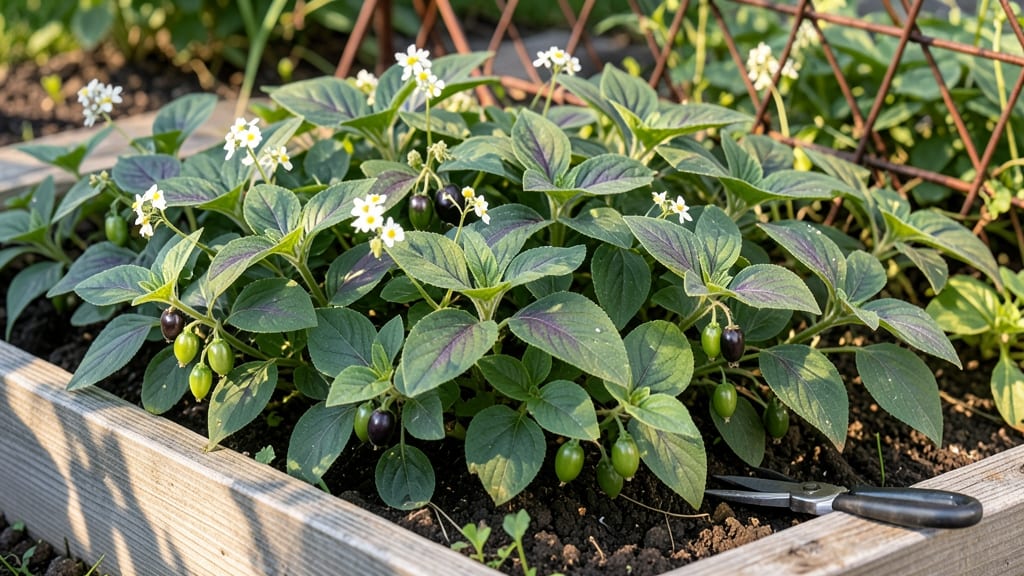
Those deep purple nightshade leaves you're spotting might be edible greens with a nutty, earthy flavor—but they could also be deadly lookalikes like deadly nightshade. The confusion starts with how easily their leaves turn purple under stress, and the stakes couldn't be higher if you accidentally harvest the wrong plant.
First, check the stems: edible nightshade (Solanum nigrum) has smooth, green stems, while deadly nightshade (Atropa belladonna) has hairy stems and glossy leaves. The berries are another giveaway—black and pea-sized for the edible variety, shiny red and deadly for the toxic one.
I've seen gardeners mistake them both, so always double-check before harvesting.
If you're growing edible nightshade intentionally, keep soil moist and rich to prevent purple stress leaves. Harvest young leaves for the best flavor, and avoid the berries entirely—they're only safe when fully ripe and black.
The greens cook like spinach and add a unique depth to dishes, but never eat them raw.
For invasive purple nightshade, pull young plants by hand or smother mature ones with cardboard and mulch. Wear gloves—those berries stain, and the seeds spread easily. When in doubt, consult a local extension office or plant ID app to avoid costly mistakes in your garden.
The Science Behind Leaf Color Shifts
If your Solanum dulcamara (purple nightshade) leaves are turning a deep, rich purple—or even streaked with unusual hues—it’s not just a visual quirk. These color changes are your plant’s way of communicating its internal state.
Understanding the root causes helps you address the issue before it affects flavor, yield, or even safety. Let’s break down the science behind why these leaves shift colors.
Purple nightshade leaves often darken or develop purplish tinges when the plant struggles to access essential nutrients, particularly in cooler or nutrient-poor soils. Here’s what’s happening:
- Phosphorus Shortage:
Purple hues (especially on leaf undersides or veins) signal a phosphorus deficiency. This nutrient is critical for energy transfer and root development. In nightshade plants, phosphorus deficiency can stunt growth and weaken stems, making the plant more susceptible to disease.
- Actionable Fix: Apply a balanced, phosphorus-rich fertilizer (look for a "5-10-10" or similar ratio on the label) or amend soil with bone meal or compost.
- Pro Tip:💡 Test your soil’s pH first—phosphorus is less available in highly acidic or alkaline soils (ideal pH for nightshades: 6.0–7.0).
- Nitrogen Stress:
While nitrogen deficiency typically causes yellowing, severe stress (like root damage or overwatering) can trigger a purple cast as the plant prioritizes survival over leaf expansion. This is common in young plants or those recovering from transplant shock.
- Actionable Fix: Feed with a mild nitrogen boost (e.g., fish emulsion or compost tea) and ensure well-draining soil to prevent root suffocation.
Nightshade plants are adaptable, but extreme temperatures or light fluctuations can trigger pigment changes as a protective response. Here’s how:
- Cold Stress:
Purple nightshade leaves may develop anthocyanins (the pigments responsible for red/purple hues) when exposed to chilly nights or early frosts. These pigments act as antioxidants, shielding cells from cold-induced damage.
- Actionable Fix: Use row covers or mulch (straw or shredded leaves) to insulate roots. Avoid planting in low-lying areas where cold air pools.
- Excessive Heat or Sunburn:
While nightshades thrive in full sun, intense heat (especially in dry climates) can cause leaves to scorch or darken as a stress response. This is more common in varieties not fully acclimated to your zone.
- Actionable Fix: Provide afternoon shade with shade cloth (30–50% coverage) or plant in partial shade during peak summer months.
- Light Deprivation:
Overcrowded plants or those grown under weak light (e.g., indoor setups) may develop elongated, purple-tinged leaves as they stretch toward light. This is a classic case of etiolation.
- Actionable Fix: Thin plants to 12–18 inches apart and supplement with grow lights (LED or fluorescent) if indoors.
Watering issues are a top culprit for purple nightshade leaves, as the plant’s hydration status directly impacts pigment production. Here’s how to spot and solve it:
| Symptom | Cause | Solution |
|---|---|---|
| Deep purple veins with crispy edges | Underwatering or drought stress | Water deeply 1–2 times per week (check soil moisture 2 inches down—it should be damp but not soggy). Mulch to retain moisture. |
| Uniform purple blush on younger leaves | Overwatering or poor drainage (root oxygen deprivation) | Let soil dry slightly between waterings. Amend clay soil with perlite or sand to improve aeration. |
| Purple streaks with yellow patches | Fluctuating moisture (e.g., irregular watering) | Stick to a consistent watering schedule and use drip irrigation to avoid surface evaporation. |
Pro Tip:🌡️ Use a moisture meter for accuracy—nightshades prefer consistently moist (not waterlogged) soil.
Not all purple hues are a red flag! Some nightshade varieties (like Solanum nigrum) naturally develop anthocyanins as they mature, especially in response to:
- Sun Exposure: Leaves may darken when grown in bright light, a trait bred into some ornamental or heirloom varieties.
- Genetic Traits: Some nightshades are bred for purple foliage (e.g., 'Black Beauty' eggplant relatives). Check your seed packet or plant tag.
- Harvest Readiness: In edible nightshades, deep purple stems or leaves can indicate peak flavor and nutrient density (e.g., young leaves are milder; older ones are earthier).
How to Tell the Difference: If the plant is otherwise healthy (vigorous growth, no wilting, green stems), the purple is likely natural. If paired with stunted growth or yellowing, investigate other causes.
By identifying the root cause—whether it’s a nutrient gap, environmental stress, or simply a quirk of the plant—you can restore your purple nightshade to its vibrant, flavorful best. 🌿
Fixing Unwanted Leaf Changes
Now that you understand why your nightshade leaves might be turning purple, let’s tackle the solutions—practical, step-by-step fixes to restore their vibrant green and keep them thriving. Whether it’s nutrient deficiencies, environmental stress, or pests, these fixes will help you get back on track.
If purple leaves signal a lack of essential nutrients, addressing the root cause is key.
🔥 Low Nitrogen (Purple Edges or Veins)
- Solution: Feed your plants a balanced nitrogen-rich fertilizer (like a 10-10-10 or 20-20-20 formula).
For organic options, try compost tea or fish emulsion. - How to Apply: - Mix 1 tablespoon of fertilizer per gallon of water. - Water the soil at the base of the plant (avoid leaves to prevent burns). - Reapply every 2–4 weeks during the growing season. - Prevention Tip: 💡 Mulch heavily with compost or aged manure to slowly release nitrogen into the soil.
🍳 Calcium or Magnesium Deficiency (Purple Spots or Blotches)
- Solution: Amend the soil with calcium (lime or crushed eggshells) or magnesium (Epsom salt).
- How to Apply:
- For Calcium: Sprinkle 1–2 tablespoons of garden lime per square foot of soil and water thoroughly.
Repeat every 3–4 months. - For Magnesium: Dissolve 1 tablespoon of Epsom salt in a gallon of water and water the soil. Do this monthly. - Prevention Tip: 🌡️ Test your soil pH annually—nightshades prefer slightly acidic to neutral soil (6.0–7.0).
Adjust with sulfur (to lower pH) or lime (to raise it).
Purple leaves can also stem from environmental factors like temperature or sunlight.
❄️ Cold Stress (Purple Discoloration in Cool Weather)
- Solution: Protect your plants from late-season chills or early frosts.
- How to Apply:
- Use row covers or frost cloths to shield plants when temps dip below 50°F (10°C).
- Plant in a sheltered location or use black plastic mulch to absorb heat.
- For container-grown nightshades, move pots to a warmer spot or wrap them in bubble wrap.
- Prevention Tip: 🎯 Choose cold-tolerant varieties like ‘Black Krim’ tomatoes or ‘Purple Majesty’ eggplants if you live in a cooler climate.
☀️ Sun or Water Stress (Wilting + Purple Leaves)
- Solution: Ensure consistent moisture and proper shading if needed.
- How to Apply:
- Water deeply 1–2 inches per week, especially during dry spells.
Drip irrigation or soaker hoses work best to avoid leaf burn. - If leaves scorch in intense heat, provide afternoon shade with a shade cloth (30–50% coverage). - Mulch with straw or grass clippings to retain soil moisture. - Prevention Tip: ✨ Avoid overhead watering—wet leaves can lead to fungal issues.
Water at the base early in the day.
If pests or pathogens are the culprit, act fast to prevent spread.
🐜 Aphids or Spider Mites (Purple-Damaged Leaves)
- Solution: Knock off pests with a strong spray of water, then treat with insecticidal soap or neem oil.
- How to Apply:
- Step 1: Spray plants with water to dislodge pests.
- Step 2: Mix 1 tablespoon of insecticidal soap or neem oil per quart of water.
Spray undersides of leaves where pests hide. - Step 3: Repeat every 5–7 days until pests are gone. - Prevention Tip: 💡 Introduce beneficial insects like ladybugs or lacewings to your garden for natural pest control.
🍄 Fungal Issues (Purple Spots or Mold)
- Solution: Improve airflow and treat with a fungicide.
- How to Apply:
- Prune affected leaves and dispose of them (don’t compost).
- Space plants farther apart to enhance airflow.
- Spray with a copper fungicide or baking soda solution (1 teaspoon baking soda + 1 quart water + a few drops of soap).
- Prevention Tip: 🌡️ Avoid watering leaves—aim for the soil instead to keep foliage dry.
For lasting results, focus on building healthy soil.
- 🔥 Boost Organic Matter: Add compost or well-rotted manure to the soil before planting.
- 🌱 Rotate Crops: Avoid planting nightshades (tomatoes, peppers, eggplants) in the same spot yearly to prevent nutrient depletion and disease buildup.
- 💪 Test Soil Regularly: Use a home soil test kit to monitor pH and nutrient levels, adjusting as needed.
By addressing the specific cause behind your purple nightshade leaves, you’ll not only revive your plants but also set them up for a bountiful, healthy harvest. Happy gardening!
Frequently asked questions
Are purple nightshade leaves safe to eat?
Yes, but only if they're from Solanum nigrum (black nightshade) and properly identified! The leaves are edible when young and cooked, offering a nutty, earthy flavor similar to spinach. Never eat raw leaves or berries unless fully ripe and black—green or red berries are toxic. Always verify the plant by checking for smooth green stems and pea-sized black berries.
How do I tell purple nightshade apart from deadly nightshade?
This is critical—deadly nightshade (Atropa belladonna) is poisonous! Check these key differences: purple nightshade has smooth green stems and pea-sized black berries, while deadly nightshade has hairy stems, glossy leaves, and shiny red berries. If in doubt, use a plant ID app or consult a local extension office before harvesting.
Why do my nightshade leaves turn purple?
Purple hues often signal stress—common causes include phosphorus deficiency, cold temperatures, or inconsistent watering. For example, phosphorus deficiency causes purple veins, while cold stress triggers anthocyanin production (protective pigments). Test your soil and adjust care based on the specific purple pattern you're seeing.
Can I grow purple nightshade in containers?
Use pots at least 12 inches deep with well-draining soil. Place containers in full sun and water consistently, keeping soil moist but not soggy. Container-grown plants may need more frequent fertilizing (every 3-4 weeks) since nutrients deplete faster in limited soil volumes. Harvest leaves regularly to encourage bushier growth.
What's the best way to cook purple nightshade leaves?
Treat them like spinach—light cooking brings out their best flavor! Blanch young leaves for 2-3 minutes in boiling water, then sauté with garlic and olive oil. For a heartier texture, wilt them in a pan with onions before adding to soups or stews. Avoid overcooking—they become bitter when mushy. Never eat raw leaves.