
Diseases
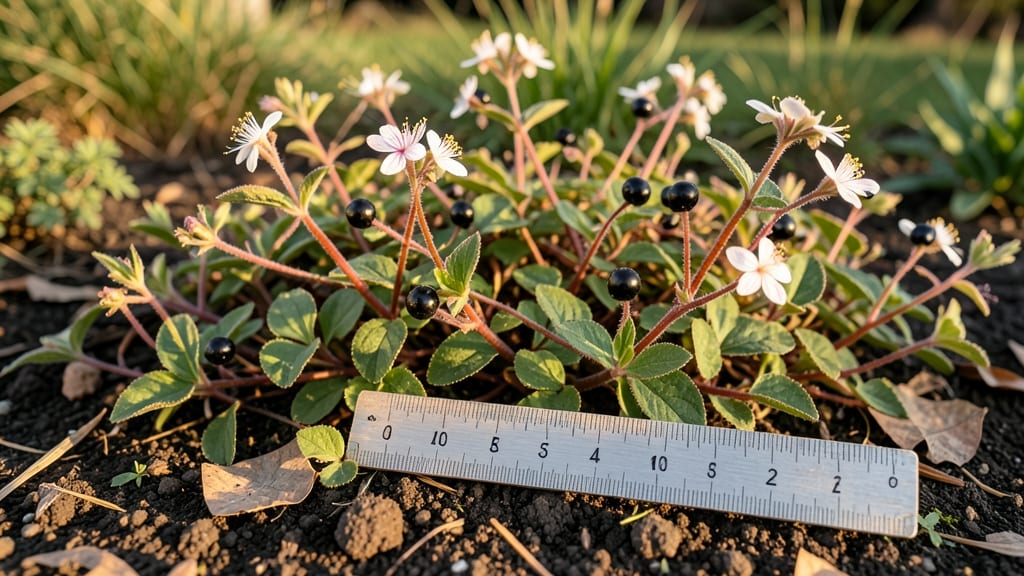
Even if you know the difference between the black nightshade vs deadly nightshade, this one simple mistake could still poison your family—or your pets. Black nightshade (Solanum nigrum) is edible when cooked, but its toxic lookalike, deadly nightshade (Atropa belladonna), contains deadly alkaloids.
Knowing the difference means the difference between dinner and disaster.
Black nightshade has egg-shaped leaves with sawtooth edges and clusters of black berries that ripen slowly. Deadly nightshade, meanwhile, boasts glossy, oval leaves and shiny red berries that grow in pairs.
One is harmless (when prepared properly); the other is fatal in small doses—and both smell similar, so never rely on scent alone.
If you’re gardening in zones where both grow wild (especially 5-9), never eat any nightshade berries raw. Cooking black nightshade destroys toxins, but deadly nightshade’s poison persists. Keep kids and pets away from both—no exceptions—and consult a toxicologist if ingestion occurs, even if symptoms seem mild.
When in doubt, pull and discard—never risk it. Black nightshade is a useful weed suppressor, but deadly nightshade has no place in a responsible garden. Learn these distinctions now, and you’ll protect your home for good.
The first product explained
Meet Black Nightshade (Solanum nigrum), the edible yet often misunderstood plant that’s been a staple in traditional medicine and cuisine for centuries. 🌱 While it shares a family tree with its deadly cousin, Deadly Nightshade, Black Nightshade is safe when prepared correctly—and packed with surprising benefits!
📊 Key Specs & Features
- Botanical Name: Solanum nigrum (also called "Hound’s Bane" or "Little Apple")
- Appearance: Small, glossy black berries (when ripe) or green fruits (unripe), with jagged leaves and slender stems. Pro tip: 💡 Never eat raw berries—always cook them first!
- Growing Conditions: Thrives in warm climates, often found in gardens, fields, or as a weed. Prefers well-drained soil and full sun.
- Nutritional Highlights (per 100g cooked):
- 💪 Rich in antioxidants (flavonoids, phenolic acids)
- 🥗 Good source of vitamins C & K
- 🍎 Contains small amounts of iron and calcium
🎯 Target Users
Black Nightshade is ideal for:
- 👩🍳 Home gardeners looking to grow a low-maintenance, nutrient-rich plant.
- 🌿 Herbalists and traditional medicine practitioners who use it for anti-inflammatory or digestive support (in moderation!).
- 🍽️ Foodies and foragers who enjoy unique, historical ingredients (think: black nightshade jam, soups, or stir-fries!).
- 🚨 Pet owners—but with caution! While non-toxic to humans, it can be harmful to dogs/cats in large quantities.
💰 Price Point & Availability
Black Nightshade is budget-friendly and widely accessible:
- Seeds: $2–$5 per packet (available at nurseries or online).
- Fresh berries: Often "free for the foraging" (if grown organically and identified correctly!). Local markets or specialty stores may sell them for $5–$10 per pound.
- Dried/powdered: Rare but found in herbal shops for $10–$20 per ounce.
✨ Pro Tip: 🌡️ Always double-check identification with a plant guide or expert before consuming—misidentification can be dangerous!
The second product explained
Meet Deadly Nightshade—the infamous Atropa belladonna, a plant that’s equal parts fascinating and terrifying. 🌙⚠️ While it shares a name with its edible cousin, this beauty is highly toxic and can be lethal if ingested. Let’s break down what makes it so dangerous and who should be extra cautious.
📏 Specs & Features
Deadly Nightshade is a perennial herb native to Europe, North Africa, and Western Asia. Here’s what you need to know:
- Appearance: Glossy, dark purple-black berries (resembling blackberries), bell-shaped purple flowers, and oval leaves with a slightly fuzzy texture.
- Height: Typically grows 3–5 feet tall.
- Growth Habitat: Thrives in woodlands, hedgerows, and even disturbed soils. It’s not picky about where it grows!
- Toxic Parts: Every part—leaves, stems, roots, and berries—contains atropine, scopolamine, and hyoscyamine, which can cause severe poisoning.
🎯 Target Users: Who Should Be Extra Cautious?
While Deadly Nightshade isn’t a "product" you’d intentionally use, these groups should be highly aware of its dangers:
- 🌿 Foragers & Herbalists: Mistaking it for edible nightshades (like black nightshade) can be fatal. Never consume any wild plant without 100% identification!
- 👨👩👧👦 Parents & Kids: The berries are temptingly similar to blackberries or blueberries—keep children away from unknown plants.
- 🐕 Pet Owners: Curious pets (especially dogs) may nibble on toxic plants. If you suspect ingestion, seek vet help immediately.
- 🏡 Gardeners: If you spot Deadly Nightshade in your yard, remove it carefully (wear gloves!) and dispose of it properly.
💰 Price Point: The Cost of Ignorance
Deadly Nightshade isn’t sold in stores—it’s a wild plant that grows for free. But the "price" of encountering it? Potentially deadly. Here’s what poisoning can cost:
- Medical Bills: Emergency treatment for poisoning can range from $1,000–$10,000+, depending on severity.
- Long-Term Damage: Neurological issues, organ damage, or even death.
- Legal Liability: If Deadly Nightshade is on your property and someone (or a pet) gets sick, you could face legal consequences.
Pro Tip: 💡 If you’re unsure whether a plant is Deadly Nightshade, don’t touch it. Take a photo from a distance and consult a local botanist or poison control center (1-800-222-1222 in the U.S.).
Head-to-head comparison
🌿🔍 Ready to tell these toxic twins apart? Below is a detailed side-by-side comparison of black nightshade (Solanum nigrum) and deadly nightshade (Atropa belladonna)—two plants that look eerily similar but pack wildly different dangers. Whether you're a forager, gardener, or just curious, this breakdown will help you spot the critical differences before it's too late.
🌱 Botanical Appearance: The Deceptive Resemblance
At first glance, these plants can fool even the most seasoned botanists. Here’s how they stack up visually:
| Feature | Black Nightshade (Solanum nigrum) | Deadly Nightshade (Atropa belladonna) |
|---|---|---|
| Leaves | Oval-shaped, slightly hairy, arranged alternately. Edges are slightly wavy or jagged. Fun fact: They often have a faintly bitter taste. | Dark green, glossy, and oval-shaped, but smooth and leathery. Arranged in pairs (opposite each other) along the stem. |
| Stems | Green, hairy or slightly rough, and often branched. Can be hollow or pithy when cut. | Green or reddish, smooth and shiny, with a slight waxy coating. Often purple-tinged near the base. |
| Flowers | Small, white or pale green, star-shaped, and arranged in clusters. Blooms in summer. | Bell-shaped, purple or greenish-purple, and hang singly from the stem. Blooms in late spring to summer. |
| Fruits | Small, black berries (when ripe) that are clustered together. Caution: They’re not edible but far less toxic than deadly nightshade. | Shiny, black or dark purple berries (resembling blueberries) that grow singly on the stem. Extremely toxic—even a few berries can be fatal. |
| Height | Typically 1–3 feet tall, sprawling or upright. | Usually 2–5 feet tall, with a more woody, bushy appearance. |
💡 Pro Tip: If you’re unsure, don’t touch or taste the berries! Deadly nightshade’s berries are glossy and solitary, while black nightshade’s are matte and clustered. When in doubt, avoid.
🚨 Toxicity & Health Risks: The Deadly Difference
This is where the two plants diverge drastically. While both contain toxic compounds, deadly nightshade is in a league of its own.
| Toxin | Black Nightshade | Deadly Nightshade |
|---|---|---|
| Primary Toxins | Contains solanine and chaconine (glycoalkaloids) in leaves and berries. Mildly toxic—ingestion may cause nausea, vomiting, or diarrhea. | Packed with atropine, scopolamine, and hyoscyamine (tropane alkaloids). Extremely dangerous—can cause hallucinations, seizures, coma, or death. |
| LD50 (Lethal Dose) | ~2–5 berries may cause severe symptoms in children; adults may tolerate slightly more but still risk poisoning. | Just 2–5 berries can be fatal to an adult. Children are at even higher risk. |
| Symptoms of Poisoning |
|
|
| First Aid | Induce vomiting (if recent ingestion), seek medical help. Activated charcoal may help. | EMERGENCY MEDICAL ATTENTION REQUIRED. Do not induce vomiting—call poison control or emergency services immediately. |
⚠️ Critical Warning: Deadly nightshade poisoning is a medical emergency. If you suspect ingestion, do not wait—seek help immediately. Symptoms can escalate rapidly.
🌍 Growth Habits & Habitat: Where to Find Them
Knowing where these plants thrive can help you avoid accidental encounters.
| Factor | Black Nightshade | Deadly Nightshade |
|---|---|---|
| Native Regions | Found worldwide, especially in temperate and tropical regions. Common in North America, Europe, and Asia. | Native to Europe, North Africa, and Western Asia. Naturalized in North America and parts of South America. |
| Preferred Environment |
|
|
| Seasonal Growth | Fast-growing annual or perennial. Peak growth in summer; berries ripen in late summer to fall. | Perennial with
Which one should you choose?So, which one should you be worried about—and which one can you actually use? The verdict is clear: deadly nightshade (Atropa belladonna) is a poisonous plant with no safe use, while black nightshade (Solanum nigrum) has culinary and medicinal benefits when prepared correctly. Here’s how to decide based on your needs: ⚠️ If You’re Dealing with Plants in the Wild:
🌿 If You’re a Forager or Home Gardener:
🏥 If You’re Seeking Medicinal Uses:
💡 Pro Tip for Safety:When in doubt, use a field guide or app to identify plants—never rely on appearance alone. If you’re unsure, skip it. Your safety (and your family’s) isn’t worth the risk! |