
Shrubs
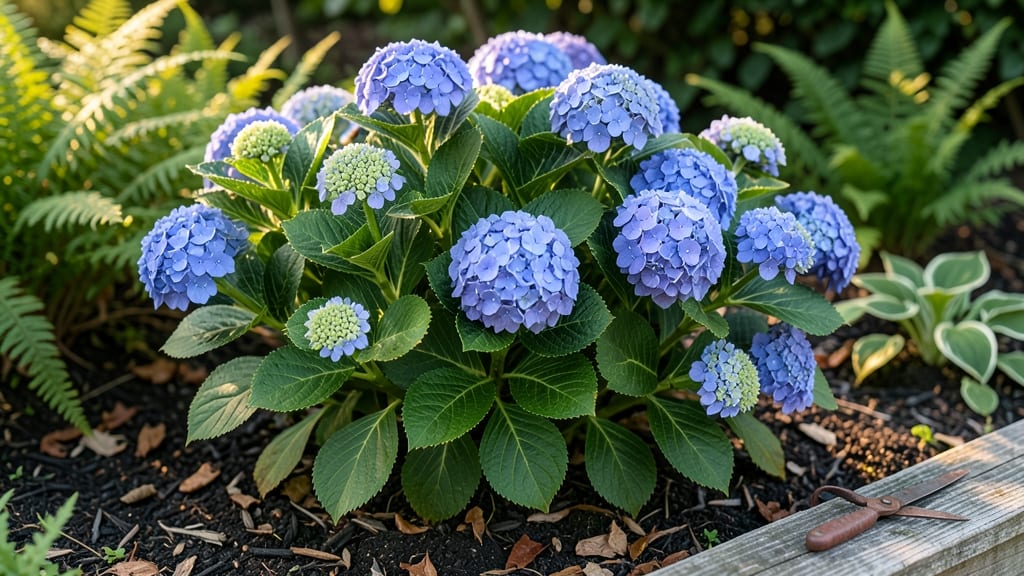
Shade-loving hedge bushes transform dark corners into lush, private retreats. 🌿 I’ve planted holly, boxwood, and privet in my own shady yard—each thrives where sun-starved plants fail, offering year-round greenery and natural privacy without harsh sunlight demands.
The key is choosing varieties that tolerate low light while still packing density for that solid hedge look.
Holly’s glossy leaves and red berries add winter color, while boxwood stays compact and evergreen with minimal fuss. Privet grows fast and dense, perfect for quick privacy screens. All three handle shade better than most, though holly prefers partial shade—too deep, and it gets leggy.
Maintenance is simple: occasional trimming to shape and keep them bushy, plus watering only when the top inch of soil feels dry.
You’ll end up with a living wall that blocks noise, filters wind, and looks stunning year-round—no summer browning or sparse growth. Birds and butterflies adore holly berries, while boxwood’s fragrant foliage adds a subtle scent to your outdoor space.
These hedges work equally well as borders, privacy screens, or even container plants on patios.
For best results, plant in early spring or fall when soil is workable but not frozen. Amend heavy clay soil with compost to help roots establish faster. Within a few seasons, you’ll have a thriving, low-maintenance hedge that turns your shady spots into the envy of the neighborhood.
Why Shade Struggles Occur
Shade-loving hedge bushes may seem like a perfect fit for dark corners, but they don’t always thrive—even when planted with good intentions. Understanding the root causes behind their struggles helps you create the ideal conditions for lush, healthy growth. Here’s what’s really going on beneath the surface.
Not all shade is equal, and some hedge bushes simply can’t handle the type of shade your yard provides. While they’re labeled as "shade-tolerant," most still need filtered or dappled light—not deep, dense darkness.
- Too Much Deep Shade: Tall trees or dense structures block all direct sunlight, leaving bushes with little to no photosynthesis fuel.
Even shade lovers like boxwoods or holly may develop sparse foliage or yellowing leaves (chlorosis) if deprived of even indirect light. - North-Facing Exposure: Northern sides of homes or fences receive the least sunlight year-round.
If your hedge is planted here, it may struggle to grow beyond a few feet without supplemental light. - Seasonal Light Shifts: Deciduous trees drop leaves in winter, but evergreens (like pines) block light year-round.
A hedge planted under a pine may thrive in summer but starve in winter.
Pro Tip: 🌡️ Test your shade with a light meter (or even a smartphone app) to measure lux levels—ideal for shade plants is 1,000–10,000 lux (partial shade) vs. <500 lux (deep shade, where growth stalls).
Shade changes how soil behaves, and water management becomes trickier than you’d expect.
- Slow-Draining Soil: Shady areas often have compacted or clay-heavy soil that holds too much moisture.
Roots suffocate from lack of oxygen, leading to root rot (mushy stems, foul smells) or fungal diseases like powdery mildew. - Evaporation Drop: Without direct sun, water evaporates slower, but that doesn’t mean your hedge needs less.
Overwatering in shade is a silent killer—many gardeners assume "less sun = less water," but the opposite is often true. - Drip Irrigation Dilemma: If your system relies on overhead sprinklers, shade can create uneven water distribution.
Bushes on the outer edges of the shade zone may dry out while those in the center stay soggy.
Action Step: 🔥 Amend soil with compost or perlite to improve drainage, and water deeply but less frequently (1–2 inches per week, adjusting for rain).
Shade-loving plants have lower metabolic demands, but that doesn’t mean they don’t need nutrients—they just absorb them differently.
- Slow Decomposition: Organic matter breaks down slower in cool, shady soil, starving plants of nitrogen, phosphorus, and micronutrients like iron (causing chlorosis). - pH Imbalances: Shady soils often become more acidic over time (pH <6.0), locking out essential nutrients like calcium and magnesium.
Many hedge bushes (e.g., inkberry or rhododendron) prefer slightly acidic to neutral soil (pH 5.5–7.0). - Competition from Weeds: Shade encourages weed growth, which steals nutrients and water from your hedge before it can establish roots.
Fix It: 💡 Test your soil (DIY kits are cheap!) and add slow-release fertilizer (like osmocote) in early spring. Mulch with pine needles or wood chips to maintain acidity naturally.
Shady, humid environments are a buffet for pests and pathogens that rarely bother sun-loving plants.
- Fungal Favorites: Powdery mildew, leaf spot, and botrytis thrive in the high humidity of shaded areas.
Look for white fuzzy coatings or brown spots on leaves—these can weaken or kill a hedge if unchecked. - Sap-Sucking Insects: Spider mites, scale, and aphids love shade because predators (like ladybugs) avoid the damp conditions.
They sap nutrients from leaves, causing yellowing, curling, or sticky honeydew. - Root & Stem Rot: Slime molds, armillaria (shaggy mushroom root rot), and phytophthora attack stressed roots in waterlogged shade. Symptoms include wilting, stunted growth, or mushrooms at the base.
Preventative Care: ✨ Space bushes properly (3–6 feet apart) for airflow, prune for sunlight access, and apply copper fungicide in early spring if your area is prone to fungal issues.
Shade creates unpredictable temperature swings, which can stress hedge bushes in ways you might not expect.
- Cold Air Pooling: Shady spots retain cold air longer in winter, increasing frost risk.
Some shade-loving bushes (like dwarf lilacs) may suffer cold damage if not winter-hardy for your zone. - Heat Stress in Summer: While shade cools the air, compacted soil heats up faster in summer, creating root zone stress.
Bushes may wilt or drop leaves despite the cooler surroundings. - Frost Desiccation: In winter, evergreen hedges (like emerald green arborvitae) can lose moisture through leaves due to low humidity in shade, leading to brown, crispy tips.
Solution: 🌡️ Mulch heavily (3–4 inches) with pine straw or shredded bark to regulate soil temp. Choose cold-hardy varieties (e.g., dwarf burnet for Zones 3–9) if your shade is extra chilly.
Not all shade bushes are created equal—and planting the wrong one is like putting a tropical fish in a snow globe.
- Mismatched Light Needs: A sun-loving hedge (like forsythia) planted in deep shade will shrink, leaf out late, or die within a few years.
Even "shade-tolerant" bushes have limits. - Aggressive vs. Delicate Roots: Some shade bushes (like eucryphia) have shallow, sensitive roots that rot in soggy shade, while others (like inkberry) handle wet feet better. - Growth Habit Clashes: A fast-growing hedge (like leyland cypress) planted under a tree may outgrow its space, while a slow grower (like boxwood) might get overpowered by weeds.
Quick Fix: 🎯 Match your hedge to the shade type:
- Deep shade? Try hostas (for borders), pieris, or dwarf fothergilla.
- Partial shade? Opt for hydrangeas, abelia, or boxwood.
- Full sun but need shade structure? Plant fastigiate oak or columnar cherry to filter light naturally.
Fixing Shady Hedge Problems
Now that you know why your hedge bushes might be struggling in shade, let’s tackle the solutions—practical, step-by-step fixes to revive your greenery and keep it thriving. Whether it’s poor growth, yellowing leaves, or pests taking over, these fixes are designed to be easy to follow and effective.
Shade-loving bushes need the right care to grow lush and dense. If your hedge is growing slowly or looks sparse, try these adjustments:
✅ Adjust Light Exposure (If Possible)
- 🔥 Trim Overhanging Branches: If nearby trees or structures are blocking too much light, prune their branches to allow filtered sunlight to reach your hedge.
- 🌿 Relocate (Last Resort): If the area is extremely dark (like under a dense canopy), consider transplanting your hedge to a sunnier spot—just do this in early spring or fall to minimize stress.
🍳 Feed with Shade-Tolerant Fertilizer
- Use a slow-release, organic fertilizer formulated for shade plants (look for high nitrogen in the early growing season).
- 💡 Pro Tip: Avoid high-phosphorus fertilizers—they encourage root growth over foliage, which shade plants don’t need as much of.
👨🍳 Improve Soil Conditions
- 🥘 Amend the Soil: Shade-loving bushes prefer moist, well-draining soil. Mix in compost or peat moss to boost organic matter.
- 🌡️ Test pH Levels: Most shade bushes thrive in slightly acidic to neutral soil (pH 6.0–7.0). Adjust with sulfur (to lower pH) or lime (to raise it) if needed.
Yellowing or browning leaves often signal nutrient deficiencies, disease, or poor drainage. Here’s how to nurse your hedge back to health:
🔪 Prune Damaged Foliage
- ⏰ When to Prune: Remove yellow or brown leaves in early spring before new growth starts. Use clean, sharp pruners to avoid spreading disease.
- ✨ Prevent Future Issues: Space out pruning sessions—don’t overdo it in one go.
💡 Boost Nutrients with Epsom Salt (For Magnesium Deficiency)
- Mix 1 tablespoon of Epsom salt per gallon of water and spray on leaves every 2–3 weeks. This helps if leaves are yellowing with green veins (a classic magnesium deficiency sign).
🌧️ Check Drainage & Watering Habits
- 🚫 Overwatering is Worse Than Underwatering: Shade bushes need consistent moisture, but soggy soil leads to root rot. Ensure your garden has good drainage—add sand or perlite if soil is clay-heavy.
- 💧 Water Deeply but Less Often: Water at the base (not overhead) to encourage deep root growth. Aim for 1–1.5 inches of water per week, including rainfall.
Shade can make bushes more vulnerable to pests and fungal issues. Here’s how to combat common problems:
| Problem | Solution | Prevention Tip |
|---|---|---|
| Spider Mites | Spray with neem oil or water blast (forceful hose spray) to dislodge them. | 🌿 Keep bushes hydrated—mites thrive in dry conditions. |
| Fungal Diseases (Powdery Mildew, Leaf Spot) | Apply copper fungicide or baking soda spray (1 tsp baking soda + 1 quart water + a drop of dish soap). | ✨ Improve airflow by thinning dense growth. |
| Aphids or Scale Insects | Use insecticidal soap or introduce ladybugs (natural predators). | 💡 Inspect new plants before adding them to your hedge. |
🔥 Quick Fix for Severe Infestations:
- 🍳 DIY Horticultural Oil Spray: Mix 1 tbsp horticultural oil + 1 quart water, spray on affected areas, and repeat every 5–7 days until pests are gone.
Once your hedge is back in shape, keep it thriving with these low-maintenance habits:
- 📅 Mulch Annually: Apply 2–3 inches of mulch (wood chips or shredded bark) around the base to retain moisture and regulate soil temperature. - 🌡️ Monitor Soil Moisture: Stick your finger 1 inch into the soil—if it’s dry, water deeply.
If it’s muddy, hold off to prevent root rot. - 🎯 Choose the Right Bushes for Your Shade Level: - Deep Shade (Little to No Sun): Boxwood, Holly, Rhododendron, or Pieris. - Partial Shade (Dappled Sun): Azalea, Camellia, or Gardenia. - 💡 Prune Strategically: Light formative pruning in late winter/early spring encourages bushier growth.
Avoid heavy pruning in fall—it stresses shade plants.
Final Thought: Shade bushes may need a little extra TLC, but with the right adjustments, they’ll reward you with dense, lush privacy that lasts for years. Start with one or two fixes, monitor progress, and tweak as needed—your hedge will thank you! 🌿✨
Frequently asked questions
What’s the best shade-tolerant hedge for complete privacy?
For dense, fast-growing privacy, privet or emerald green arborvitae are top choices. Privet grows 3-4 feet per year and handles deep shade well, while arborvitae stays evergreen with minimal maintenance. Both create solid barriers when planted 2-3 feet apart. For a more natural look, inkberry holly offers year-round coverage with glossy leaves and berries.
How close can I plant shade bushes to my house?
Keep hedges 2-3 feet away from foundations to prevent moisture buildup against siding. Most shade bushes have spreading roots that can damage pipes or crack foundations if planted too close. For container gardening near walls, use large pots with drainage holes and plant dwarf varieties like boxwood 'Green Velvet'.
Will shade bushes grow under mature trees?
Yes, but only if the trees aren't blocking all light. Boxwood and pieris thrive under deciduous trees that drop leaves seasonally. Avoid planting under evergreens like pines—their dense canopy creates deep shade that stunts growth. Test your shade with a light meter app first—aim for 1,000-10,000 lux (partial shade).
How often should I trim shade bushes?
Light trimming once a year in late spring keeps them shaped. For formal hedges, trim every 6-8 weeks during growing season. Never cut into old wood—shade bushes produce new growth from current season's stems. Use clean, sharp shears and avoid heavy pruning in fall, which stresses plants.
Can I mix different shade bushes in one hedge?
Mixing boxwood (compact) with holly (taller) creates texture and year-round interest. Just ensure they have similar light and water needs. Avoid pairing fast growers (like privet) with slow growers (like dwarf fothergilla)—they'll compete unevenly. Space them 3-4 feet apart for proper airflow.