
Light Requirements
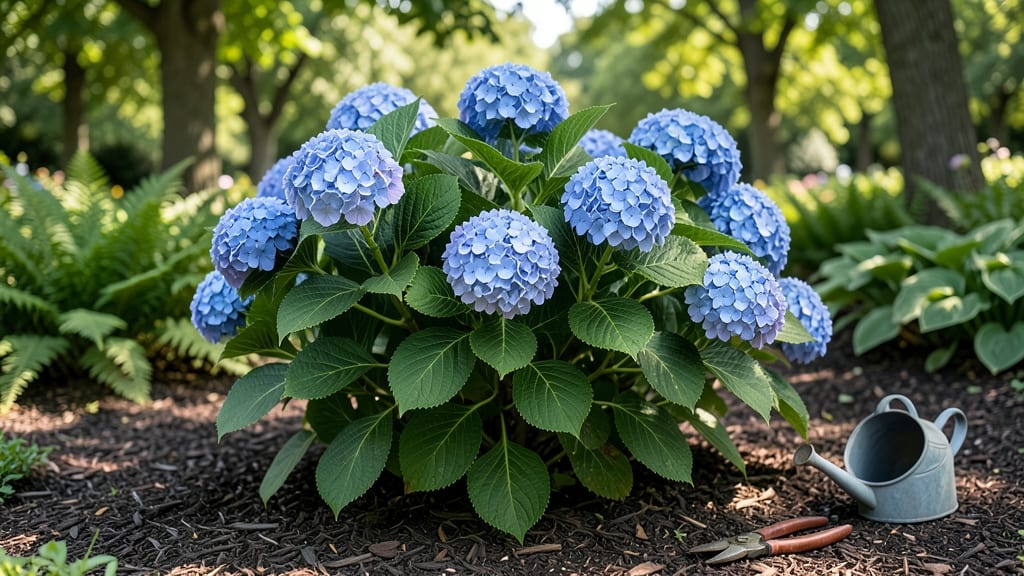
Zone 4's deep shade doesn't have to mean bare spots—these cold-hardy bushes bring vibrant foliage and privacy even where sun barely reaches. 🌿 I've planted my share of shade-loving shrubs, and the right choices transform dark corners into lush, year-round interest.
The key is selecting varieties that handle both cold winters and low light, like inkberry holly, dappled willow, or serviceberry, which all thrive where others fail.
Most shade bushes need well-draining soil—amend heavy clay with compost to prevent soggy roots—and consistent moisture during their first growing season. Mulch helps retain moisture and protects roots from extreme cold, while spring pruning keeps them compact and encourages new growth.
These plants reward patience: some, like hydrangeas, even produce stunning blooms in partial shade.
By late summer, you'll see dense foliage that blocks unsightly views while attracting pollinators. The best part? These bushes handle Zone 4 winters with ease—no wrapping or extra shelter needed. They're the foolproof way to add structure and color where lawns won't grow.
For best results, plant in early spring before the ground freezes, and avoid overwatering once established. If pests like spider mites appear, a simple spray of neem oil keeps them at bay without harming the plants.
Your shade garden will become the envy of the neighborhood—without a single ray of direct sun.
📚 In This Guide
- What you need
- Instructions
- Tips and common mistakes
- Wrapping up and next steps
What you need
- ● Shade-loving bushes: Choose from cold-hardy varieties like Hydrangea macrophylla, Pieris japonica, Viburnum dentatum, or Boxwood (Buxus sempervirens). Buy 3–5 plants (depending on desired coverage).
- ● High-quality potting soil: 2–3 cubic feet per bush (or a 50-lb bag for multiple plants). Opt for a mix with compost or peat moss for moisture retention.
- ● Organic mulch: 2–3 inches of pine bark, cedar chips, or shredded leaves to protect roots and retain moisture.
- ● Slow-release fertilizer: 10–20 lb bag of 10-10-10 or 5-10-5 (balanced NPK ratio) for initial planting.
- ● Pruning shears: Bypass pruners (for clean cuts) and loppers (for thicker stems).
- ● Garden gloves: A pair of heavy-duty, waterproof gloves to protect your hands.
- ● Watering can or hose with a soaker nozzle: For gentle, deep watering (aim for 1–2 gallons per bush during planting).
- ● Trowel or spade: For digging holes (size depends on bush root ball—2–3 times wider and deeper).
- ● Epsom salt: 1 tbsp per bush (mixed into soil) for magnesium boost—great for Hydrangeas!
- ● Plant food spikes: 5–10 spikes (slow-release nutrients for ongoing care).
- ● Frost cloth or burlap: For young plants during unexpected late frosts (Zone 4 can be tricky!).
- ● Garden twine & stakes: To support Viburnum or Pieris if needed (especially in windy areas).
- ● Soil pH test kit: Hydrangeas love acidic soil (pH 5.5–6.2)—adjust with sulfur or lime if needed.
- ● ✅ Sunlight audit: Confirm your area gets (or dappled shade).
- ● ✅ Soil test: Ensure drainage is good (shade plants hate soggy roots!). Amend clay-heavy soil with compost.
- ● ✅ Plant spacing: Check each bush’s mature width (e.g., Boxwood: 3–4 ft, Viburnum: 5–6 ft) to avoid overcrowding.
- ● ✅ Water source nearby: Shade plants need consistent moisture—plan for easy access!
Step-by-step guide to planting and caring for shade-loving bushes in Zone 4
Cold-hardy shrubs bring life to dark corners—here’s how to plant and nurture them for lasting privacy and beauty.
🌱 Step 1: Select the Right Bushes for Your Space
Zone 4 shade gardens thrive with evergreens like inkberry holly or dwarf rhododendrons, both of which tolerate 2-4 hours of morning sun and deep shade. Check labels for USDA Zone 4 hardiness—anything below -30°F risks winter dieback. I always opt for native varieties like serviceberry or winterberry, which handle our harsh winters without fuss.
Measure your space: 4-6 feet tall bushes create a solid privacy screen, while 3-4 feet work for borders. Space plants 3-5 feet apart for airflow and growth room. If your yard has dry shade (like under pine trees), choose drought-tolerant options like boxwood or pieris.
🪴 Step 2: Prepare the Planting Site for Shade Success
Test your soil’s moisture—shade plants often struggle in waterlogged conditions. Amend heavy clay with 3 inches of compost or peat moss to improve drainage. For sandy soil, mix in 2 inches of organic matter to retain moisture. I dig holes twice as wide as the root ball but only as deep—planting too deep suffocates roots.
Loosen the roots gently if they’re circling in the container. Place a 2-inch layer of mulch around (not touching) the base to suppress weeds and retain moisture. Mulch also insulates roots during Zone 4 winters, preventing frost heave. Water deeply before planting to settle the soil.
☀️ Step 3: Plant and Water for Immediate Stability
Position the bush so the top of the root ball sits 1 inch above ground level. Backfill with native soil, tamping lightly to remove air pockets. Water immediately to settle the soil—you’ll see the ground firm up around the roots. Avoid heavy watering afterward; shade plants prefer consistent moisture rather than soggy soil.
Stake tall or leggy bushes to prevent wind damage. I use biodegradable stakes tied loosely with soft twine—tight ties strangle stems as they grow. Water 2-3 times weekly for the first month, then taper to once weekly once established. Watch for yellowing leaves, which signal overwatering in shade.
✂️ Step 4: Prune and Maintain for Year-Round Health
Prune late winter or early spring before new growth starts. Remove dead, crossing, or weak branches first, then shape lightly to maintain the bush’s natural form. Never cut into old wood—shade-loving shrubs like inkberry holly bloom on last year’s growth, so prune after flowering. I shears for clean cuts and sterilize tools with rubbing alcohol to prevent disease.
Fertilize once in early spring with slow-release, acid-loving plant food if your soil is poor. Shade bushes rarely need extra nutrients, but a light application encourages fuller growth. Monitor for pests like spider mites (common in dry shade) and treat with neem oil if you spot webbing. Mulch annually to replenish organic matter.
Tips & tricks for perfect shade-loving bush planting
These practical insights will help you avoid common pitfalls and create a thriving shade garden that lasts for years.
Selection Strategy: When choosing between inkberry holly and dwarf rhododendrons, consider their growth habits. Inkberry holly grows more densely over time, making it ideal for solid privacy screens, while dwarf rhododendrons offer vibrant seasonal blooms that brighten dark corners. I always opt for serviceberry bushes when I want both winter interest and edible fruit—just be prepared for their slightly slower establishment period compared to evergreens.
Soil Prep Secret: The 3 inches of compost or peat moss recommendation is non-negotiable for heavy clay soils, but don't overdo it with sandy soils—stick to the 2 inches of organic matter. I've learned the hard way that amending sandy soil too heavily can actually create waterlogging problems. For a quick soil test, press your finger into moist soil—if it holds its shape but crumbles easily, you're in the sweet spot for shade plants.
Planting Depth Cue: That 1-inch above-ground rule for the root ball is critical. I use a small wooden stake marked at the correct height to ensure consistency across multiple plants. If you notice new growth wilting or yellowing after planting, it's often a sign the roots were buried too deep—this suffocates them by preventing proper oxygen exchange.
Winter Protection: The 2-inch mulch layer mentioned for winter insulation works wonders, but don't let it touch the stems. I always create a small mulch-free zone around the base to prevent moisture buildup that can lead to rot. For extra protection in Zone 4's harsh winters, consider wrapping young bushes with burlap after the first hard frost—this adds an extra layer of insulation without smothering the plants.
Pro Tips for Shade Loving Bushes Zone 4
- These practical insights will help you avoid common pitfalls and create a thriving shade garden that lasts for years.
- Selection Strategy: When choosing between inkberry holly and dwarf rhododendrons, consider their growth habits.
- Soil Prep Secret: The 3 inches of compost or peat moss recommendation is non-negotiable for heavy clay soils, but don't overdo it with sandy soils—stick to the 2 inches of organic matter.
Frequently asked questions
about shade-loving bushes in Zone 4—because even the hardiest plants need a little extra care! Here are answers to the most common questions to help you pick the perfect privacy screen for your shady spots.What are the fastest-growing shade bushes for Zone 4?
For quick privacy, opt for hydrangeas (like Oakleaf or Annabelle) or rhodies (e.g., Catawbiense). These grow 1–2 feet per year and handle Zone 4 winters well. Dwarf fothergilla is another fast grower with stunning fall foliage.
How do I protect shade bushes from winter damage in Zone 4?
Mulch heavily (3–4 inches) with wood chips or straw to insulate roots. Water thoroughly before the first hard freeze to prevent drought stress. For tender varieties, wrap young plants in burlap or use frost cloth. Avoid pruning in late fall—wait until early spring!
Can I grow shade bushes in very dark spots (e.g., under trees)?
Yes! Try Japanese painted fern, foamflower, or Alumroot—they thrive in 100% shade. For bushes, inkberry holly or boxwood (like ‘Green Velvet’) tolerate deep shade but may grow slower. Amend soil with compost to boost nutrients.
What’s the best time to plant shade bushes in Zone 4?
Plant in early spring (April–May) or early fall (September–October). Avoid late fall planting—frost can stress roots before they establish. Container-grown plants can go in anytime (even summer) if kept watered.
Why are my shade bushes turning yellow or dropping leaves?
Yellow leaves often signal overwatering or nutrient deficiency. Check soil moisture—shade bushes hate soggy roots. Drop leaves? It could be spider mites (common in dry shade) or fungal issues (like powdery mildew). Prune affected areas and treat with neem oil if needed.
Do shade bushes still bloom in Zone 4?
Many thrive and flower, like hydrangeas (late spring/summer) or rhodies (spring). Pieris japonica (Andromeda) offers early spring blooms, while boxwood provides year-round structure. Choose varieties labeled “Zone 4 hardy” for guaranteed color.
Wrapping up and next steps
Transforming your shady Zone 4 garden into a lush, private retreat is totally achievable with the right shade-loving bushes! From the bold foliage of hydrangeas to the elegant structure of boxwoods, these cold-hardy plants bring beauty, texture, and year-round interest—even in deep shadows. 🌿❄️
Now that you’re armed with the best options, roll up your sleeves and plant with confidence. Start small: pick one or two bushes to test your shady spot, then expand as you see what thrives. Happy gardening—your future privacy oasis is waiting!