
Size
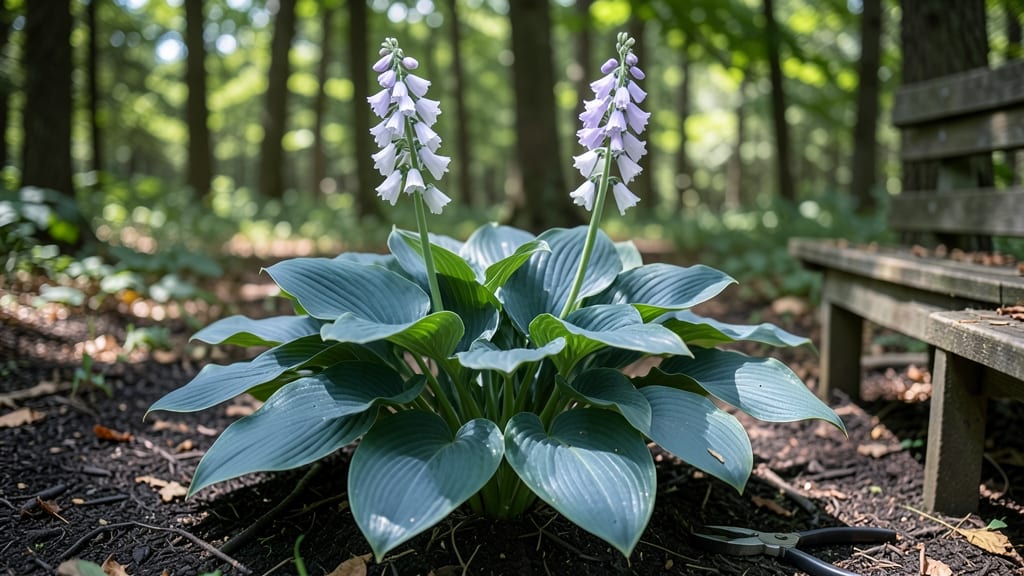
Some of the best foods that grow in shade are leafy greens and root crops, proving that dark corners can still yield a bountiful harvest—no sun required. 🌿 The secret is matching plants to light levels: partial shade (4-6 hours of sun) suits spinach and radishes, while deep shade (under 4 hours) works for arugula, microgreens, and even some herbs.
Soil stays moist longer in shade, so well-draining compost mixes are key—no heavy clay needed. You'll harvest crisp lettuce in 30 days, peppery arugula in 25, and sweet radishes in 21. The flavor? Often better than sun-grown varieties, since plants grow slower and develop more complex sugars.
Works for balconies, north-facing yards, or even under fruit trees. Here's how to set up your shade garden for maximum yields!
📚 In This Guide
- What you need
- Instructions
- Tips and common mistakes
- Wrapping up and next steps
What you need
- ● Containers or garden beds: 5–10 raised beds (12"–18" deep, 2'–4' wide) or large pots (10"+ diameter) with drainage holes.
- ● Fabric grow bags (10–20 gallon size) for vertical or space-saving setups.
- ● Soil: 5–10 bags of well-draining potting mix (look for "organic" or "shade-tolerant" blends).
- ● 2–3 bags of compost or worm castings (for nutrient-rich soil).
- ● Perlite or vermiculite (1–2 cups per container) to improve aeration.
- ● Seeds or seedlings: 5–10 packets of shade-loving edibles (e.g., leaf lettuce, spinach, Swiss chard, radishes, or microgreens).
- ○ Optional: Transplants (e.g., hostas, ferns, or shade-friendly herbs like mint or parsley).
- ● Tools: 1 hand trowel or small shovel.
- ● 1 pruning shears (for trimming or harvesting).
- ● 1 spray bottle (for gentle watering of seedlings).
- ● 1 measuring cup (for soil amendments).
- ● Shade cloth (30–50% coverage) for adjusting light levels.
- ● Self-watering planters to reduce maintenance.
- ● Organic fertilizer (e.g., fish emulsion or seaweed extract) for a nutrient boost.
- ● Mulch (straw or shredded leaves) to retain moisture.
- ● Garden gloves for comfort while handling soil.
How to grow shade-tolerant food plants in dark corners
Turn those gloomy spots into productive edible gardens with these easy-to-grow shade-friendly crops.
🌱 Step 1: Choose the Right Shade-Tolerant Varieties
Not all greens thrive in low light, so pick varieties specifically bred for shade. Leaf lettuce like 'Black Seeded Simpson' or 'Buttercrunch' handles partial shade best, while spinach varieties like 'Bloomsdale Long Standing' tolerate even deeper shade. For root crops, try 'Tokyo Cross' radishes—they grow quickly in just 25 days and don't need much sun.
Herbs like cilantro and parsley also perform well in shade, though they may grow more slowly. I always check seed packets for "partial shade" labels—those are your best bets. Avoid sun-loving crops like tomatoes or peppers entirely; they'll just wilt in dark corners.
🪴 Step 2: Prepare Containers or Raised Beds for Shade
Use containers at least 6 inches deep with drainage holes, or create a raised bed with 3-4 inches of compost-rich soil mixed into the top layer. Shade plants need nutrient-dense soil to compensate for lower light. I blend 1 part compost with 2 parts potting mix to ensure good drainage while holding moisture.
Place containers near windows or under trees where they'll catch 2-4 hours of indirect light daily. If your space gets no natural light at all, supplement with a grow light on a timer (12-14 hours/day). The key is consistency—shade plants won't tolerate fluctuating light conditions.
💧 Step 3: Water Consistently Without Overdoing It
Shade plants need even moisture—never let the soil dry out completely, but avoid soggy conditions too. Water when the top inch of soil feels dry, which might mean watering every 2-3 days depending on your space's humidity. Containers dry out faster than in-ground beds, so check them daily.
Mulch with 1-2 inches of straw or shredded leaves to retain moisture and regulate soil temperature. I always water in the morning so leaves dry quickly—this prevents fungal diseases that thrive in damp, shady conditions. Overwatering is the #1 killer of shade plants, so err on the side of caution.
☀️ Step 4: Rotate and Fertilize for Best Growth
Turn containers a quarter turn weekly so plants grow upright instead of stretching toward any available light. Shade plants grow slower, so fertilize lightly every 4-6 weeks with a balanced 10-10-10 or 5-5-5 fertilizer. Too much nitrogen causes weak stems in low light.
Watch for signs of nutrient deficiency—yellowing leaves often mean it's time to feed. I use fish emulsion for a quick boost, but compost tea works well too. Harvest outer leaves first to encourage continuous growth, and pinch back leggy stems to promote bushier plants.
⏰ Step 5: Extend the Season with Protection
In cold climates, shield plants with frost blankets or row covers when temperatures drop below 40°F. Most shade-tolerant greens handle light frosts, but a sudden freeze will kill tender crops. I always keep a few extra blankets handy for unexpected cold snaps.
For year-round growing, move containers indoors during winter if possible—place them near a bright window or under grow lights. If you must leave them outside, cover with thick mulch to protect roots from freezing. With the right care, you can enjoy fresh greens almost any time of year.
Tips & tricks for thriving shade gardens
These practical strategies will help you transform even the darkest corners into a productive harvest.
Variety Selection: When choosing seeds, look for labels that specifically mention "partial shade" or "low light tolerance." I've found that 'Outredgeous' red lettuce and 'Mizuna' greens are particularly resilient in dim conditions. For root crops, 'Cherry Belle' radishes mature in just 25 days, making them ideal for quick harvests in shaded areas.
Container Depth Matters: The 6-inch minimum depth for containers is crucial—shallow containers restrict root growth, especially for radishes and leafy greens. I always add a 1-inch layer of pebbles at the bottom for drainage before filling with the compost-potting mix blend. This prevents waterlogging, which shade plants are particularly prone to.
Light Consistency: The 2-4 hours of indirect light mentioned is a guideline, but consistency is more important than duration. If your space gets only 1-2 hours of light, supplement with a grow light on a timer for 12-14 hours daily. I've seen plants thrive with just 2 hours of natural light plus 10 hours of artificial light—just maintain that daily total.
Watering Wisdom: The top inch soil test is your best friend, but remember that containers dry out faster. I check mine every morning and water immediately if the soil feels dry to the touch. For raised beds, you might only need to water every 2-3 days, but always adjust based on your specific environment's humidity levels.
Pro Tips for Foods That Grow In Shade
- These practical strategies will help you transform even the darkest corners into a productive harvest.
- Variety Selection: When choosing seeds, look for labels that specifically mention "partial shade" or "low light tolerance."
- Container Depth Matters: The 6-inch minimum depth for containers is crucial—shallow containers restrict root growth, especially for radishes and leafy greens.
Frequently asked questions
Got questions about growing shade-loving foods?
You’re not alone! Here are answers to the most common queries to help you turn those dim corners into a thriving edible garden—no direct sunlight required.
What are the easiest shade-tolerant foods to grow for beginners?
Start with leafy greens like spinach, kale, or Swiss chard—they thrive in partial shade and are hard to kill. Microgreens (e.g., pea shoots or radish sprouts) grow in as little as 1–2 weeks under grow lights or filtered light. For heartier options, try mushrooms (like oyster or shiitake) or herbs such as cilantro, parsley, or mint. These require minimal fuss and deliver fast rewards!
How long does it take for shade-grown foods to mature?
Timelines vary! Leafy greens and microgreens can be ready in 2–4 weeks, while slower growers like rhubarb or asparagus take 1–3 years to establish. Herbs like basil (in partial shade) may take 6–8 weeks to harvest. Check seed packets for specific varieties—they often list "days to maturity" under ideal conditions (which may be adjusted for lower light).
Can I grow shade foods indoors without natural light?
Use grow lights (LED or fluorescent) 12–16 hours daily for microgreens, sprouts, or herbs. Place lights 6–12 inches above plants and rotate containers weekly for even growth. For mushrooms, a cool, humid space (like a closet) with indirect light works. Just avoid drafts—consistency is key!
Why won’t my shade plants grow? Troubleshooting tips!
If your plants are leggy, yellow, or stunted, try these fixes:
- Light issue: Move them closer to a window or add a grow light. North-facing windows (in the Northern Hemisphere) offer the gentlest light.
- Overwatering: Shade plants need moist but not soggy soil. Let the top inch dry out between waterings.
- Nutrient deficiency: Use a balanced liquid fertilizer (like 10-10-10) every 4–6 weeks.
- Pests: Check for aphids or fungus gnats. Spray with neem oil or introduce beneficial insects like ladybugs.
Most shade plants just need patience—they grow slower than sun-lovers!
Are there any shade foods I shouldn’t grow together?
Yes! Avoid planting these pairs:
Don’t Mix
Why?
Spinach + Strawberries
Strawberries compete for nutrients and can stunt spinach growth.
Lettuce + Onions
Onions release compounds that may inhibit lettuce’s flavor and growth.
Mushrooms + Herbs (e.g., basil)
Mushrooms prefer high humidity, while herbs like dry conditions—this can stress both.
Pro tip: Group fast growers (microgreens) with slow growers (rhubarb) to maximize space!
Wrapping up and next steps
Growing food in shady spots isn’t just possible—it’s a game-changer for urban gardeners, small-space enthusiasts, and anyone with limited sunlight!
From leafy greens to flavorful herbs, these shade-loving plants prove that every corner can contribute to your harvest. 🌿 Whether you’re revamping a balcony, filling a dark garden bed, or maximizing a tiny patio, start small—pick one or two plants from this list and watch your confidence (and yield!) grow.
Ready to turn those shadowy spaces into a thriving edible oasis? Grab your gloves, pick your favorites, and get planting! 🌱 And if you’re curious about more unconventional grows, explore shade-tolerant fruits or indoor gardening hacks next—your green thumb is about to level up!