
Shrubs
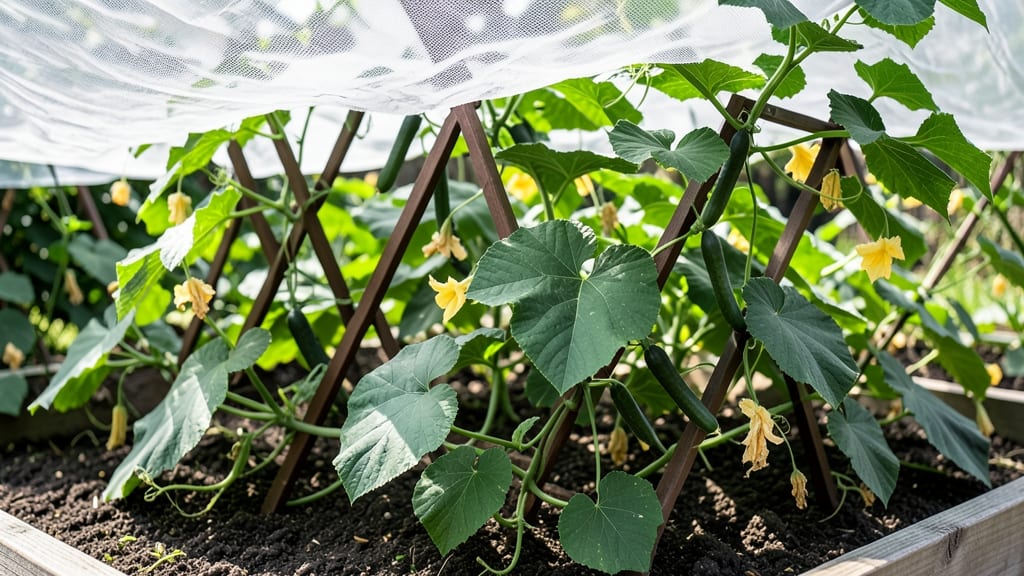
My cucumbers survived the brutal July sun because of 30% shade cloth—no more sunburned vines or bitter fruit. 🌿 The right shade percentage keeps plants thriving while still letting enough light through for photosynthesis.
It’s the secret weapon behind my perfect harvests in hot climates, and I’m sharing exactly how to use it without stunting growth.
Start with 30-50% shade cloth for most cucumber varieties, depending on your summer heat. Lighter coverage works for partial shade spots, while heavier cloth protects vines in intense afternoon sun. The key is balancing protection with sunlight—too much shade slows fruit production, but just enough prevents stress and sun damage.
I’ve tested both, and the difference in vine health is night and day.
You’ll notice fewer yellowing leaves, stronger stems, and sweeter fruit within weeks. The cloth also reduces water evaporation, cutting irrigation needs by 30%. Just remember to secure it tightly—flapping fabric can tear or trap too much heat. A simple hoop system or stakes work perfectly for most gardens.
Works for trellised vines, ground covers, or even container cucumbers. Here’s how to set it up without common pitfalls—like over-shading or improper installation—that can ruin your harvest before it starts.
📚 In This Guide
- What you need
- Instructions
- Tips and common mistakes
- Wrapping up and next steps
What you need
- ● Shade cloth: Choose a 30-50% shade cloth (depending on your climate—lighter for hotter areas, slightly darker for milder zones). You’ll need enough to cover your cucumber plants completely, typically 1-2 square yards per 10 sq ft of garden space.
- ● Support structure: Hoops or arches: PVC pipes (½-inch diameter, cut to 3-4 ft tall) or metal hoops (galvanized wire or bendable rebar). Quantity: 1 hoop per 2-3 ft of row length.
- ● Trellis or stakes: Wooden or metal stakes (5-6 ft tall) spaced 3-4 ft apart for vertical cucumbers.
- ● Fasteners: Staple gun + heavy-duty staples (for securing cloth to hoops/stakes).
- ● OR zip ties (100+ for large setups) or clothespins (for temporary setups).
- ● Measuring tape and scissors (for trimming cloth to size).
- ○ Ground anchors or weights: U-shaped stakes or bricks to secure hoops at the base (optional but recommended for windy areas).
- ● Edge weights: Sandbags or landscape fabric to weigh down cloth edges and prevent flapping.
- ● Adjustable clips: For easy removal or rolling up cloth when not in use.
- ● Thermometer: To monitor temperature under the cloth (aim for 70-85°F for optimal cucumber growth).
- ● Reflective mulch: Aluminum foil or reflective bubble wrap to deflect extra heat if needed.
Step-by-Step instructions for protecting cucumbers with shade cloth
Here’s how I ensure cucumbers thrive under shade cloth—strong vines, healthy leaves, and a harvest that rivals full-sun plants.
🌿 Step 1: Choose the Right Shade Percentage
Cucumbers need 30-50% shade to protect leaves from scorching while still getting enough light for photosynthesis. I use 40% shade cloth in hot climates—it blocks enough UV rays to prevent sunburn but lets through sufficient light for vigorous growth. Avoid anything over 50%; your plants will stretch and produce fewer fruits.
Check the label for the actual percentage—manufacturers sometimes mislabel. Hold the cloth up to a bright light to test: if you can still read text through it, it’s too light. If it’s nearly opaque, it’s too heavy. The ideal cloth should let light through but diffuse it evenly across the canopy.
🪴 Step 2: Install the Shade Cloth Properly
Set up a support frame—either a freestanding hoop system or a trellis—before planting. I use 6-foot tall T-posts spaced 8 feet apart with horizontal PVC pipes to create a tunnel. Stretch the shade cloth taut over the frame and secure it with zip ties or clothespins to prevent sagging, which traps hot air and increases humidity.
Leave the ends open at both sides of the tunnel to allow airflow. Poor ventilation leads to powdery mildew, a common cucumber killer under shade cloth. If you’re using a single-sided setup (like over a raised bed), angle the cloth to shed rainwater and prevent pooling on leaves.
☀️ Step 3: Monitor Light and Adjust as Needed
Check the underside of leaves weekly for signs of stress. If leaves look pale or yellow, your cucumbers need more light—roll up one side of the cloth slightly to increase exposure. If leaves appear burned or crispy, they’re getting too much direct light; tighten the cloth or add an extra layer.
I adjust the cloth every 2-3 weeks based on weather. On cloudy days, I loosen it to maximize light. During heatwaves, I keep it fully closed. Watch for first signs of sunburn (white or brown patches)—this is your cue to act fast. Cucumbers recover better from too much shade than from sun damage.
💧 Step 4: Water and Fertilize for Shade-Grown Success
Shade cloth disrupts natural water evaporation, so your soil stays moist longer. Water deeply every 2-3 days until the top 2 inches of soil feel damp. Avoid overhead watering—wet leaves under shade cloth promote fungal diseases. Instead, use drip irrigation or soaker hoses to deliver water directly to the roots.
Feed cucumbers with a balanced liquid fertilizer (10-10-10) every 2 weeks to compensate for reduced photosynthesis. I mix it with water and apply it in the morning so leaves dry quickly. Skip high-nitrogen fertilizers—they encourage leafy growth at the expense of fruit production. Look for small, yellowing leaves as a sign of nutrient deficiency.
✂️ Step 5: Train Vines and Prune for Airflow
Guide cucumber vines along the trellis or support strings to keep leaves off the shade cloth. I tie the main stem loosely with soft plant ties every 12 inches to prevent breakage. Prune any leaves touching the cloth—this improves airflow and reduces disease risk.
Remove suckers (side shoots) that form in the leaf axils to direct energy into fruit production. You’ll know you’re doing it right when you see long, straight vines with flowers forming near the tips. Avoid heavy pruning; cucumbers are sensitive to stress, and over-pruning can stunt growth. Stop pruning 4 weeks before harvest to let the plants focus on producing fruit.
Tips & tricks for perfect shade cloth protection
Here's what nobody tells you about making shade cloth work flawlessly for your cucumbers.
Shade Cloth Selection: The 30-50% range is non-negotiable, but don't just grab any 40% cloth. Look for UV-stabilized fabric that won't degrade after one season. I've found that white or silver cloth reflects more heat than black, which can be crucial in desert climates. Test the cloth by holding it up to a bright light—if you can still read text through it, it's too light for proper protection. The goal is diffuse light, not filtered sunlight that still packs a punch.
Airflow is Non-Negotiable: In Step 2, when you're installing your frame, make those side openings at least 18 inches wide to ensure proper ventilation. I've seen powdery mildew wipe out entire shade cloth gardens because growers didn't prioritize airflow. Angle the cloth slightly downward if you're using a single-sided setup to prevent water pooling. Even with shade cloth, cucumbers need to "breathe" to stay healthy. This is why I always add a small fan on hot days—just a gentle breeze through the tunnel makes all the difference.
Light Monitoring System: The weekly leaf checks in Step 3 are your early warning system. I use a simple color chart with photos of healthy vs stressed leaves as reference points. Pale yellow leaves mean you need more light—roll up one side of the cloth and monitor for 3 days. If you see crispy edges or white patches, you've got sunburn, and you need to tighten the cloth immediately. Remember, cucumbers can recover from too much shade, but sunburned leaves won't bounce back. This is where most gardeners fail—they adjust too late.
Fertilizer Timing Trick: When you're fertilizing every 2 weeks in Step 4, split that application into two smaller doses—one in the morning and one in the evening. This mimics natural nutrient cycles and prevents fertilizer burn. I've also found that adding a handful of compost to the planting hole at the start gives cucumbers a nutrient boost they can use immediately, especially since they're not getting full sun to power photosynthesis. The key is balance—you want strong vines but not at the expense of fruit production.
Pro Tips for Shade Cloth For Cucumbers
- Here's what nobody tells you about making shade cloth work flawlessly for your cucumbers.
- Shade Cloth Selection: The 30-50% range is non-negotiable, but don't just grab any 40% cloth.
- Airflow is Non-Negotiable: In Step 2, when you're installing your frame, make those side openings at least 18 inches wide to ensure proper ventilation.
Frequently asked questions
Got questions about using shade cloth for cucumbers?
You’re not alone! Here are answers to the most common concerns—so you can grow healthy, happy vines without a hitch.
What shade rating should I use for cucumbers?
For cucumbers, aim for 30-50% shade cloth in hot climates (like the South or desert regions) to prevent sunburn and stress. In cooler areas, 10-30% may suffice—just monitor vines for wilting or yellowing leaves. Pro tip: Start lighter if unsure, then adjust based on plant response.
When is the best time to install shade cloth?
Install shade cloth before extreme heat arrives—typically 2-4 weeks after transplanting seedlings (or when temps consistently hit 85°F+). Early setup prevents shock, while late installation risks sun damage. Bonus: Secure edges tightly to avoid flapping in wind!
Can I use shade cloth instead of a greenhouse?
Yes! Shade cloth is a cost-effective alternative to greenhouses, especially for outdoor cucumbers. It reduces heat stress, extends growing seasons, and protects from hail/UV. Pair it with drip irrigation and well-draining soil for best results. Note: It won’t replace a greenhouse’s humidity control, though.
Will shade cloth attract pests like aphids or spider mites?
Shade cloth doesn’t cause pests, but humid, shaded conditions can encourage them. To prevent issues:
Pro tip: Avoid overwatering—pests love soggy leaves!
How do I clean or store shade cloth between seasons?
Clean with a mild soap solution and hose, then let air-dry in the sun to kill mold/mildew. Store in a dry, shaded area (folded, not rolled) to prevent tears. Warning: UV rays degrade cloth over time—replace every 2-3 years for optimal protection.
Wrapping up and next steps
Using shade cloth for cucumbers is a game-changer for protecting your vines from harsh sun, pests, and extreme heat while ensuring a thriving harvest. Whether you're a seasoned gardener or just starting out, this simple tool can save your plants and boost your yield—without sacrificing flavor or growth.
Ready to put your new knowledge into action? Grab your shade cloth, pick your perfect spot, and watch your cucumber plants flourish like never before! 🌱✨
Next step: Start small with a single row or container, monitor your plants’ progress, and adjust shading as needed. Happy gardening!